
They Won’t Forget 1937

Directed by
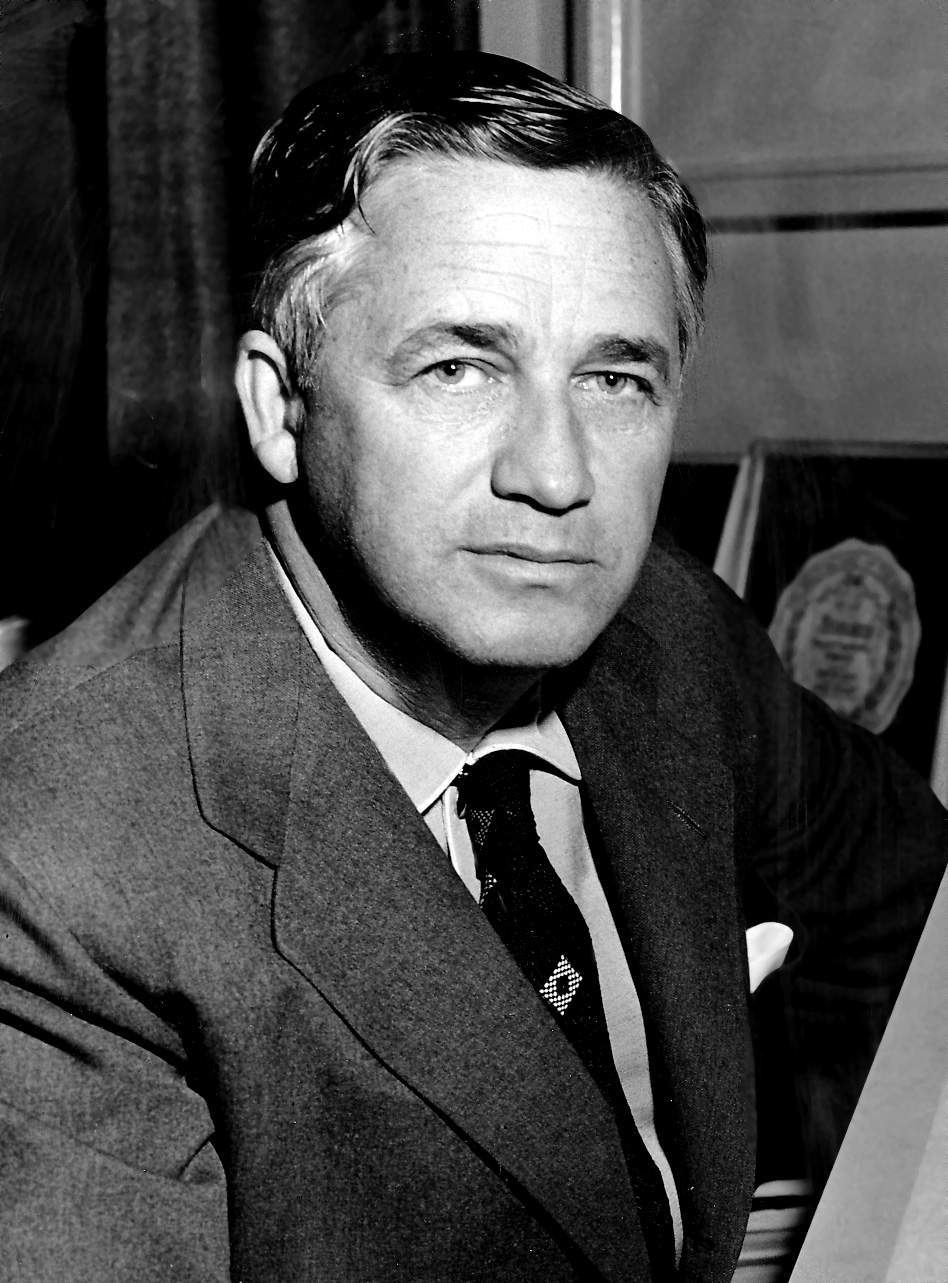
Mervyn LeRoy
Made by

Warner Bros. Pictures
They Won’t Forget Plot Summary
Read the complete plot summary and ending explained for They Won’t Forget (1937). From turning points to emotional moments, uncover what really happened and why it matters.
On Confederate Memorial Day, a murder in a Southern town lays bare a social fault line as old as the region itself. The victim, Mary Clay, is found at the center of a case that quickly becomes a political weapon. The district attorney with ambitions for higher office, Andrew Griffin, sees an opportunity to propel his career by choosing a convenient scapegoat. He targets the charmingly unassuming Mary Clay’s teacher, a man named Robert Hale who is simply trying to do right by his students, and the conviction becomes less about proof than about proving a point to the community. The case tugs at a deeper wound in the state’s psyche, shifting the discussion from innocence or guilt to a widening gulf between North and South and the symbolic weight of the day itself.
Griffin does not act alone. He partners with the newsroom, where Frank Faylen portrays the relentless reporter William Brock, and together they whip up a media storm that sensationalizes the crime and feeds a growing climate of prejudice. The town’s fervor is not just about a single alleged crime; it’s fueled by a manufactured narrative that paints Hale as a test case for broader biases. Against this pressure, the community’s more cautious voices are drowned out by louder, simpler certainties, and the push to convict hardens into a local creed. The atmosphere becomes a chorus of accusation, rumor, and fear.
The courtroom drama itself emphasizes how fragile justice can be under public sway. Hale’s defense is led by Otto Kruger as Michael Gleason, but the case rests on tenuous connections and circumstantial evidence. The social machinery—the black janitor, Clinton Rosemond Tump Redwine who is coerced into lying on the stand; a juror who remains the lone holdout; a barber who stays silent about what he knows—adds layer after layer of pressure that makes a fair resolution seem nearly impossible. The trial ends with Hale condemned to death, a verdict that feels both politically useful and emotionally devastating to those who believe in due process.
In a bold, controversial move, the governor, Paul Everton as Mountford, with the encouragement of his wife, takes a personal risk to save Hale by commuting the sentence to life imprisonment. Yet this act of mercy only fuels the town’s fury. The climate of retribution intensifies, and the murdered girl’s brothers—seeking a brutal moral resolution—orchestrate a devastating act: Hale is abducted and lynched with the aid of a vengeful mob. The community’s rage becomes its own verdict, and the line between justice and vengeance blurs beyond recovery.
In the aftermath, Hale’s widow confronts the fallout head-on, returning a check that representative powers had sent her in a gesture of supposed support. The moral arithmetic of the town remains unsettled, and Brock, the reporter who helped shape the case, stands with Griffin as they observe the scene, each processing the consequences in their own way. The final echo of the film lingers in the uneasy silence between them, and in Griffin’s stark, unanswered question: I wonder.
“I wonder.”
They Won’t Forget Timeline
Follow the complete movie timeline of They Won’t Forget (1937) with every major event in chronological order. Great for understanding complex plots and story progression.
Murder on Confederate Memorial Day
Mary Clay is murdered on Confederate Memorial Day, shocking the southern town. The crime triggers a public crisis that exposes stubborn divisions between North and South, justice and prejudice. The murder becomes the catalyst for a high-stakes political game.
DA Griffin eyes higher office
District Attorney Andrew Griffin sees the case as his route to the Senate. He plans a scapegoat strategy and teams with reporter William Brock to whip up fear and prejudice for political gain.
Hale targeted as suspect
Robert Hale, Mary's teacher at the town's business school, becomes the main suspect despite circumstantial evidence. The case feeds on the town's bigotry and the belief that a Northern transplants must be guilty.
Media frenzy and prejudice
Griffin and Brock ignite a media frenzy that inflames anger and biases in the community. Public discourse shifts from innocence or guilt to who the town hates and fears.
Pressure on the black janitor
The black janitor, Tump Redwine, is coerced to lie on the stand for fear of being convicted if Hale is innocent. The coercion reveals how fear and prejudice distort the pursuit of justice.
Holdout juror under siege
A juror remains the sole holdout against conviction, illustrating the weight of public pressure on the jury. The juror's stance shows the fragility of the legal process under intimidation.
Barber fears testifying
A barber who might exonerate Hale is afraid to speak, fearing retaliation. The town's climate of fear blocks crucial testimony from reaching the courtroom.
Conviction and death sentence
Hale is convicted and sentenced to death despite the evidence being largely circumstantial. The verdict underscores how social pressure can steer legal outcomes.
Governor commutes the sentence
The governor, with his wife’s backing, commutes Hale's death sentence to life imprisonment. The decision triggers outrage and mob sentiment within the town.
Mobs plan a lynching
Enraged by the commutation, the town's mob plots and carries out Hale's abduction and lynching. The violence demonstrates the collapse of justice under a wave of vengeance.
Hale's widow returns the check
Hale's widow goes to Griffin's office to return a check he had sent her to help her out after Hale's death. She confronts the political machinery, and Brock contemplates the man Hale might have been.
Griffin's quiet admission
Brock asks if Hale was guilty, and Griffin responds with a chilling 'I wonder.' The remark reveals his own moral blindness and the disaster caused by ambition and prejudice.
They Won’t Forget Characters
Explore all characters from They Won’t Forget (1937). Get detailed profiles with their roles, arcs, and key relationships explained.
Mary Clay (Lana Turner)
Mary Clay is the murdered teenager whose death sets off the town’s upheaval. Her tragedy exposes how a community’s fear and prejudice can overshadow evidence and justice. Through her absence, the film probes how reputations and scapegoating can distort truth.
Robert Hale (Edward Norris)
Robert Hale is Mary’s teacher, a calm and principled figure who becomes a focal point of suspicion. The community’s rush to judgment seeps into the courtroom and into personal relationships, testing Hale’s integrity and resilience.
Andrew J. Griffin (Claude Rains)
The district attorney with political aspirations, Griffin leverages prejudice to push for a conviction. His manipulation of public opinion and legal strategy illustrates how power can eclipse due process.
Michael Gleason (Otto Kruger)
Gleason is Hale’s lawyer, doing his best to mount a defense under overwhelming social pressure. He represents the legal profession’s struggle to balance advocacy with truth in a hostile environment.
Bill Brock (Allyn Joslyn)
Bill Brock is the reporter who collaborates with Griffin to fuel a sensational media narrative. He embodies the power—and danger—of the press in shaping justice and public opinion.
Governor Mountford (Paul Everton)
The governor weighs political risk and public pressure as he contemplates commuting Hale’s sentence. His decision highlights the clash between mercy, political calculation, and public opinion.
Mrs. Mountford (Ann Shoemaker)
Mrs. Mountford represents the political spouse’s influence in the governance crisis, pushing for decisions that balance state interests with personal beliefs.
Mrs. Hale (Elisabeth Risdon)
Mrs. Hale embodies the family’s moral center in the face of public scrutiny, offering support and resilience as the community’s verdict looms.
Sybil Hale (Gloria Dickson)
Sybil Hale is part of the Hale circle, adding to the web of family and community tensions that influence perceptions of guilt and innocence.
Tump Redwine (Clinton Rosemond)
Tump Redwine, the black janitor, is coerced into lying on the stand under the fear of being wrongfully convicted himself. His position highlights racial injustice and the corrosive effect of fear on truth.
Luther Clay (Elliott Sullivan)
Luther Clay is a member of the Clay clan, a figure within the town’s social fabric whose loyalties reflect the family’s interconnected stake in the community’s reputation.
Ransom Clay (Wilmer Hines)
Ransom Clay is part of the Clay family network, whose ties to the case illustrate how kinship and reputation influence public judgment.
Mrs. Clay (Sibyl Harris)
Mrs. Clay represents the town’s social fabric and concern for family honor as rumors swirl around the murder case.
Detective Laneart (Cy Kendall)
Detective Laneart investigates the case, navigating political pressure and communal bias while seeking the truth.
Judge Moore (Leonard Mudie)
Judge Moore presides over the case, embodying the tension between judicial restraint and public demand for a verdict.
Dougherty - Publisher (Forbes Murray)
Dougherty, a publisher, represents the publishing side of the media machine that amplifies the town’s divisions.
They Won’t Forget Settings
Learn where and when They Won’t Forget (1937) takes place. Explore the film’s settings, era, and how they shape the narrative.
Location
Southern town, Confederate Memorial Day
Set in a Southern town on Confederate Memorial Day, the community is deeply rooted in tradition and public reputation. The day intensifies loyalties and public scrutiny, turning headlines and whispers into de facto law. The town becomes a pressure chamber where prejudice and reputational stakes threaten due process and fairness.
They Won’t Forget Themes
Discover the main themes in They Won’t Forget (1937). Analyze the deeper meanings, emotional layers, and social commentary behind the film.
⚖️
Justice vs Politics
The case against Hale is shaped more by political ambition and public optics than by solid evidence. The district attorney leverages prejudice to pursue power, turning a potential miscarriage of justice into a high-stakes political spectacle. The film critiques how public pressures and personal interests can warp the pursuit of truth.
📰
Media Manipulation
A reporter collaborates with Griffin to whip up a media frenzy that frames the murder as a referendum on regional loyalties. Headlines and broadcasts become battlegrounds where sensationalism often eclipses facts. The story demonstrates how biased reporting can sway justice by shaping public perception.
🏛️
North-South Tensions
The murder becomes a flashpoint for enduring tensions between the North and South, reframing innocence and guilt through national identity. Jurors and townspeople are pressured to conform to inherited prejudices rather than to objective evidence. The narrative uses this backdrop to question the cost of collective bigotry.

Coming soon on iOS and Android
The Plot Explained Mobile App
From blockbusters to hidden gems — dive into movie stories anytime, anywhere. Save your favorites, discover plots faster, and never miss a twist again.
Sign up to be the first to know when we launch. Your email stays private — always.
Explore the mobile appThey Won’t Forget Spoiler-Free Summary
Discover the spoiler-free summary of They Won’t Forget (1937). Get a concise overview without any spoilers.
In a deep‑south town where Confederate Decoration Day still summons banners and solemn speeches, the community lives under a quiet pressure that never quite loosens its grip. The streets echo with old loyalties, and the air feels heavy with the unspoken rivalry between North and South, a tension that colors every conversation and colors the way strangers are judged. The atmosphere is both nostalgic and uneasy, a place where tradition and progress constantly collide.
Mary Clay is the bright‑spirited teenager whose presence reflects the town’s hopes and anxieties. When her life becomes entangled with a sudden tragedy, the incident awakens ambitions and fears that have long been simmering beneath the surface. Andrew Griffin, the district attorney with an eye on higher office, sees the upheaval as a chance to cement his reputation, while Robert Hale, a modest teacher from up north, finds himself thrust into an environment that questions his very identity. The local press, embodied by William Brock, a relentless reporter, sweeps the story into a sensational narrative, turning a single event into a public spectacle that fuels prejudice and suspicion.
The courtroom becomes a stage where law, politics, and media intersect. Michael Gleason, a seasoned defense attorney, steps in to challenge the tide of opinion, aware that the case has become more about collective belief than concrete fact. Around them, town officials and ordinary citizens alike wrestle with the pull of duty versus the roar of a crowd demanding a swift verdict. The tension is palpable, as every testimony feels like a bargaining chip in a larger battle over the town’s soul.
Amid the swirling rumors and mounting pressure, the governor, Mountford, watches the drama unfold, aware that any decision could reshape the fragile balance of power. As the community teeters between justice and vengeance, the film lingers on the uneasy silence that follows each heated exchange, inviting the audience to wonder how far a society will go when fear and ambition eclipse the search for truth.
Movies with Similar Twists and Themes
Uncover films that echo the narrative beats, emotional arcs, or dramatic twists of the one you're exploring. These recommendations are handpicked based on story depth, thematic resonance, and spoiler-worthy moments — perfect for fans who crave more of the same intrigue.


Featured on this page

What's After the Movie?
Not sure whether to stay after the credits? Find out!
Check out our other apps:

SAT Sphere
Build confidence for the Digital SAT.

Mori Atlas
Discover wild places worth protecting.

Luntero
Search smarter for a home in Amsterdam.

Plot Explained
Unravel movie endings and hidden clues.

Pokechamp
Dive into Pokémon data and battle logic.

Driving Theory
Get ready for your European theory test.

Movie Dust
Plan your next cinema trip with ease.

Musemap
Find art and culture as you travel.

Selkobase
Compare credentials before committing.

Local Manual
Turn an unfamiliar country into practical next steps.

Lernavi
Compare school systems before your next move.

GymRoam
Find a workout stop wherever your plans take you.
Explore Our Movie Platform
New Movie Releases (2026)
Famous Movie Actors
Top Film Production Studios
Movie Plot Summaries & Endings
Major Movie Awards & Winners
Best Concert Films & Music Documentaries
Movie Collections and Curated Lists
© 2026 What's After the Movie. All rights reserved.
Privacy Policy