What Is Guilty Hands About?
The premise of Guilty Hands in 268 words, with nothing given away. The full story follows below.
In the hush of a remote countryside manor, the film opens with a long‑distance train ride that carries not only passengers but a lingering sense of inevitability. Richard Grant, a seasoned district attorney whose career has been built on dissecting the darkest motives, sits opposite his own doubts, muttering that murder can be justified if the perpetrator is clever enough to stay unseen. His arrival at the estate of his old client, the affluent and enigmatic Gordon Rich, sets the stage for a clash of intellects where law, loyalty, and ambition intersect under the watchful eyes of servants and storm‑laden skies.
At the heart of the manor’s gilded interiors is Barbara “Babs” Grant, Grant’s headstrong daughter, whose fervent love for Rich ignites a volatile triangle of desire and duty. The young suitor Tommy Osgood watches helplessly as affection and expectation pull the family in opposite directions, while Rich’s long‑time companion, Marjorie West, lingers between heartbreak and the tantalizing prospect of wealth. Each character carries a personal agenda, and the mansion itself becomes a pressure cooker where whispered confidences echo through opulent corridors.
The tone is a tight‑knit blend of noir‑ish suspense and claustrophobic drama, where every glance may conceal a calculation and every polished surface hints at something far more precarious beneath. As the estate prepares for a looming ceremony that will bind fortunes and futures, the atmosphere tightens, inviting a relentless game of cat‑and‑mouse that tests the limits of power, morality, and the very definition of justice. The audience is left to wonder whose resolve will crack first under the weight of secrets waiting to be revealed.
What Happens in Guilty Hands?
The complete story of Guilty Hands, from the first scene to the last, in 741 words (about 3 minutes). Spoilers throughout. Names in the text link to 5 cast member pages.
Spoilers ahead
On a train trip, Richard Grant, Lionel Barrymore a seasoned lawyer who has spent years prosecuting and defending murder cases, voices a chilling belief: murder can be justified, and a clever man might commit it undetected. He is bound for the isolated estate of his wealthy client and friend Gordon Rich, Alan Mowbray. His daughter, Barbara ‘Babs’ Grant, Madge Evans, surprises him at the station by revealing she has already been at the estate for a week. The contrast between Grant’s forensic pragmatism and Barbara’s ardent stubbornness threads the mood of the journey ahead, setting up a claustrophobic drama of desire, power, and danger.
At Rich’s mansion, Rich asks Grant to rewrite his will, including bequests to all his former mistresses—except a 16-year-old whom Grant believes committed suicide. Rich explains that he intends to marry Barbara; Grant is appalled. He pleads with his daughter, stressing the age difference and Rich’s indecent character, but Barbara’s love for Rich is unwavering. A young suitor of Barbara’s, Tommy Osgood, William Bakewell, has also failed to change her mind. The atmosphere thickens with hidden motives as the next days unfold amid careful social ritual and veiled threats.
That evening, during a dinner party, Rich announces the wedding and declares it will take place in the morning. His longtime girlfriend Marjorie West, Kay Francis is dismayed, yet she plays the shell game of affection and possession, hoping to win him back even as she realizes the danger of his fixation on Barbara. After the party, Rich tries to reassure Marjorie that their past will be history once the new alliance is sealed, a promise that rings hollow in the tense air of the estate. Rich orders two servants to watch Grant’s bungalow on the grounds, sealing off a potential escape route for Grant’s conscience or guilt. Grant, ever calculating, uses a cutout mounted on a record player to cast a moving shadow on the curtain, simulating that he is pacing restlessly, a small, theater-like deception that underscores the play between appearance and reality.
Meanwhile, Rich goes to Barbara’s room and tries to force himself on her, but she recoils in disgust and he leaves, exposing the uneasy intersection of desire and control that threads the entire plot. Rich writes a letter to the police accusing Grant in case he is found dead. Grant sneaks into Rich’s room, takes Rich’s gun from his desk, and shoots him during a clap of thunder. He places the gun in Rich’s hand, takes the incriminating letter, and returns to his room just in time to be seen by the servants. When the body is discovered, Grant insists that Rich must have committed suicide, a disclaimer that only deepens the undercurrent of suspicion among those who know his true capacity for scheming.
Barbara soon informs him that she has changed her mind about the wedding, rendering the crime unnecessary. The revelation jolts the others, especially Marjorie, who now believes murder more plausible than suicide. She determines how Grant concocted his alibi and then finds the imprint of the incriminating letter on the desk blotter, a telltale sign that could unravel him. Yet Grant returns and wrestles the evidence away from her, warning that if she accuses him, he will contrive a murder case against her, since she stands to gain as Rich’s beneficiary and was heard screaming when Rich was killed. If she stays silent, she remains free to enjoy Rich’s fortune, an offer that props up the film’s moral paradox: the values of wealth, loyalty, and truth are all negotiable in this deadly triangle of desire.
The police soon arrive, and the chief, Grant’s old friend, accepts his conclusion that it was suicide. Marjorie, faced with the precarious choice between truth and wealth, finally decides to remain silent—yet the film’s twist will not be denied. Just as the denouement seems poised to hinge on a courtroom confession, a brutal physical reminder of the perilous entanglements around Barbara intervenes: a rigor mortis contraction of Rich’s trigger finger fires the gun, fatally wounding Grant. The act prevents a full confession and preserves the fragile balance of power at the estate. Before he dies, Grant asks Tommy to take good care of Barbara, a quiet testament to his lingering paternal instinct amid the chaos. Seeing no reason to hurt Barbara, Marjorie remains silent, leaving the inheritance and the moral questions to linger in the air like a misfired shot in a stormy night.
Guilty Hands Timeline: Every Key Event in Order
14 key events in the order they happen, from “Grant's theory of justified murder” to “Marjorie's attempt to reveal the truth and the twist”. 14 events name a place, across 11 locations.
- 1
Grant's theory of justified murder
On a train trip, Richard Grant argues that murder can be justified in certain circumstances. He cites his long experience prosecuting and defending murder cases to justify such acts. He suggests a clever man could commit murder and evade detection.
Where:Train
- 2
Barbara's arrival and revelation
Barbara greets Grant at the train station and reveals she has already been at the estate for a week. Her sudden presence signals a new, dangerous dynamic in the household. Grant tries to process the news while hiding his concern.
Where:Train station
- 3
New will requested
Rich asks Grant to rewrite his will, including bequests to all his former mistresses. He wants to exclude a 16-year-old girl whom Grant suspects committed suicide. The request sets up a financial motive and motive for later manipulation.
Where:Estate study
- 4
Marriage plan revealed
Rich explains that he intends to marry Barbara, which appalls Grant. He condemns the age gap and what he sees as Rich's indecent character. The revelation thickens the tension around the upcoming wedding.
Where:Main house
- 5
Dinner party and wedding vow
During a dinner party, Rich announces the wedding and says it will take place in the morning. Marjorie West is dismayed, yet Rich insists he will return to her after pursuing Barbara. The announcement sets the clock ticking toward tragedy.
When:Evening Where:Dining room, Rich's estate
- 6
Grant's staged alibi
Two servants are posted to watch Grant's bungalow, but he creates a convincing alibi by casting a moving shadow on the curtain with a cutout mounted on a record player. He slips back into the main house unseen, maintaining the ruse. The ruse gives him confidence that his actions won't be questioned.
When:Night Where:Grant's bungalow / estate
- 7
Rich's assault on Barbara
Rich goes to Barbara's room and attempts to force himself on her. She recoils in disgust and he leaves, revealing his predatory nature. The attack solidifies Barbara's resistance to him and the danger in their world.
Where:Barbara's room
- 8
The letter to the police
Rich writes a letter to the police accusing Grant in case he is found dead. He intends to ensure Grant's guilt is a possibility even if Rich is killed. This letter becomes the key piece of the later alibi and evidence battles.
Where:Rich's study
- 9
Murder and staged suicide
During a clap of thunder, Grant shoots Rich and places the gun in Rich's hand to stage suicide. He takes the incriminating letter and returns to his room just in time to be seen by the servants. The staged death seems airtight to the household and the onlookers.
Where:Rich's study / main house
- 10
Barbara refrains from marriage
Barbara informs Grant that she has changed her mind about the wedding, making the murder unnecessary in her eyes. Grant must adapt to the new reality where his crime is exposed yet unresolved. The mood shifts from celebration to confrontation.
Where:Estate
Show the other 4 events of Guilty Hands Hide the last 4 events
- 11
Marjorie grows suspicious
Marjorie West becomes convinced that Rich was murdered. She begins to piece together Grant's false alibi and the motive for murder. The case becomes a personal contest of wits between them.
Where:Main house
- 12
Confrontation over the evidence
Grant returns and wrestles the incriminating clues from Marjorie. He warns her that accusing him could give him a stronger murder case against her. He offers silence in exchange for staying out of the affair.
Where:Parlor / study
- 13
Police verdict and a tense hold
The police arrive, and the chief—an old friend of Grant—accepts the conclusion that Rich's death was suicide. The household breathes a temporary sigh of relief as the danger seems resolved. The easy verdict, however, hides a deeper truth waiting to surface.
Where:Estate
- 14
Marjorie's attempt to reveal the truth and the twist
Just as Marjorie is about to speak out, a rigor mortis contraction in Rich's trigger finger fires the gun, fatally wounding Grant. The act destroys the supposed suicide and leaves the truth untold. Tommy is asked to take good care of Barbara, and Marjorie remains silent.
Where:Estate
Who Are the Main Characters in Guilty Hands?
9 characters, among them Richard Grant – Lionel Barrymore, Barbara 'Babs' Grant – Madge Evans and Gordon Rich – Alan Mowbray: who each one is and the part they play in the story. Every profile links to the actor’s page.
- RG
Richard Grant – Lionel Barrymore
Played by Lionel Barrymore
A seasoned lawyer whose career spans both prosecution and defense. He prides himself on moral flexibility, arguing that murder can be justified if executed cleverly. He engineers an alibi by staging movements—like a shadowy pacing effect—to disguise his presence during the crime and then becomes entangled in his own deception, ultimately fatally wounded.
- 🧭 Lawyer
- 🕵️♂️ Manipulative
- 😈 Cunning
- B'
Barbara 'Babs' Grant – Madge Evans
Played by Madge Evans
Barbara is a young woman caught between affection and duty. She loves Rich but initially accepts his plan to marry, then changes her mind, adding urgency to the plot. Her decisions shape the motive and her later choice to remain silent keeps the fortune at stake.
- 💃 Young Woman
- 💖 Rebellious
- 🌟 Central figure
- GR
Gordon Rich – Alan Mowbray
Played by Alan Mowbray
A wealthy client with a penchant for control and romance, Rich intends to marry Barbara and rewrite his will to favor new loves. His predatory behavior is exposed when he tries to force himself on Barbara, revealing a dangerous, impulsive side that triggers the fatal confrontation.
- 💼 Wealthy
- 🧪 Provocateur
- 🧭 Impulsive
- MW
Marjorie West – Kay Francis
Played by Kay Francis
Marjorie is Rich's longtime girlfriend who resents Barbara's entry into the relationship. She suspects foul play and pieces together clues, challenging Grant's alibi and forcing a confrontation. In the end, her silence tests the moral boundaries of justice and loyalty.
- 💔 Love triangle
- 🕵️♀️ Suspicion
- 👀 Investigative
- TO
Tommy Osgood – William Bakewell
Played by William Bakewell
A young suitor of Barbara's age who appears as part of the social circle around Rich and Barbara. He serves as a quiet counterpoint to the adult schemes, representing the ordinary interest in Barbara amid the tense power plays.
- 👦 Youthful admirer
- 🎭 Secondary witness
- AM
Aunt Maggie – Polly Moran
Played by Polly Moran
Aunt Maggie provides a domestic, observational presence in the estate's social circle. She comments on family dynamics and the unfolding drama, acting as a foil to the more calculating adults.
- 👵 Relative
- 🧩 Supporting
- CO
Chief of Police Bill Mott – Landers Stevens
Played by Landers Stevens
Grant's old friend who leads the investigation. He accepts the initial conclusion of suicide, testing the detectives' willingness to accept compelling but circumstantial reasoning over a stubborn truth.
- 👮 Police
- 🧭 Investigative
- HS
H.G. Smith – Charles Crockett
Played by Charles Crockett
A party guest whose presence underscores the social setting of the gathering on the estate. His role is minor but helps establish the social fabric that surrounds the central mystery.
- 🎩 Party Guest
- 🕊️ Supporting
-
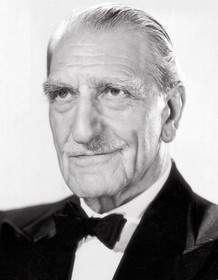
Reverend Hastings – C. Aubrey Smith
Played by C. Aubrey Smith
A reverend present at the social circuit around the estate, providing a moral counterpoint to the intrigue. He is part of the backdrop to the high-society setting in which the crime unfolds.
- ⛪ Clergy
- 🧭 Moral foil
Where and When Is Guilty Hands Set?
Guilty Hands is set in Train, Gordon Rich's isolated estate, Barbara's room, Rich's bungalow and…. Here is why the place matters to the story.
Where
Train, Gordon Rich's isolated estate, Barbara's room, Rich's bungalow, dining hall
The action shifts from a transcontinental train to the secluded mansion of Gordon Rich. The estate serves as a claustrophobic backdrop for power plays, forbidden romance, and a looming murder. The main locations include the train station where Barbara arrives, the grand house for dinners and confrontations, and Grant's bungalow where the alibi is constructed.
- 🚂 Train journey
- 🏰 Isolated mansion
- 🗝️ Secluded residence
- 🕯️ Mystery setting
What Are the Themes of Guilty Hands?
4 ideas the story keeps returning to, among them Deception, Wealth & Power and Love & Obsession.
-
01
Deception
The plot hinges on deception, as characters manipulate evidence and appearances to control how the murder is perceived. Grant uses theatrical tricks and a forged alibi to present a suicide, turning the legal mind against itself. The tension comes from who is willing to sacrifice truth to protect or advance their interests. The climax reveals how easily suspicion can be misdirected when trust is scarce.
-
02
Wealth & Power
Gordon Rich's wealth provides the leverage for controlling relationships and rewriting wills. The mansion and social status create pressures that push characters toward extreme actions. Money buys influence, but cannot buy innocence, leaving a trail of manipulation and suspicion. The story examines how affluence can corrupt judgment and fuel dangerous ambitions.
-
03
Love & Obsession
Barbara's love becomes entangled with Rich's obsessive desire, driving the central conflict. Barbara's reluctance and eventual change of heart destabilize Rich's plans and his sense of control. The romance is treated as a volatile force capable of blurring moral lines. The obsession reveals the danger when love is measured against possessiveness.
-
04
Justice
The police investigation centers on whether the death was murder or suicide, highlighting the fragility of evidence in a closed setting. Grant's carefully staged alibi and the reveal of the incriminating letter test the system's ability to separate fact from fiction. The ending shows justice as precarious, with a friend-turned-foe's fate sealed by a fatal mistake. In the end, the law settles on suicide, but doubt remains.
What Kind of Film Is Guilty Hands?
Tense in tone, with steady pacing and a moderate story, going by the plot summary.
- Tone
- Tense
- Pacing
- Steady
- Story
- Moderate
- Intensity
- High
- Ending
- Sad
A taut, claustrophobic thriller that methodically builds an atmosphere of unbearable suspense, culminating in a grim and fatalistic conclusion where no scheme can escape the consequences of its own moral decay.
- tense
- claustrophobic
- suspenseful
- sinister
- methodical
- grim
- murder
- moral corruption
- paternal obsession
- crime investigation
Content notes: murder, sexual assault, suicide (mentioned), death threat.
Quiz
How well do you remember Guilty Hands? Test yourself on the story.
Where to Watch Guilty Hands
. US availability and prices from JustWatch.
Streaming availability in the US, powered by