
Guilty Conscience 1985

Directed by

David Greene

Guilty Conscience Plot Summary
Read the complete plot summary and ending explained for Guilty Conscience (1985). From turning points to emotional moments, uncover what really happened and why it matters.
Arthur Jamison, Anthony Hopkins, a wealthy criminal defense attorney, faces a costly divorce from his wife, Louise Jamison. Arthur builds a sprawling mental catalog of murder plots, testing each scenario across imagined courts to spot flaws, loopholes, and airtight alibis. He spends much of the film consulting an officious imaginary version of himself to craft the ultimate scheme to rid himself of Louise.
Arthur runs every imagined homicide and ensuing trial through his mind, weighing cross-examination pressure, juror psychology, and the mechanics of how a crime could be portrayed or dismissed. The deeper he goes, the more he believes he can anticipate every complication and keep a perfect alibi out of reach.
Arthur’s mistress, Jackie Willis, Swoosie Kurtz, meets Louise in secret. The two women hatch a plan to kill Arthur, intending to stage his death as a suicide. They confront Arthur at gunpoint, and he remains unfazed, quickly pointing out the flaws in what they call their foolproof scheme.
Arthur reveals that he has been cheating on both of them with a third woman and was about to go out on a highly anticipated date with her, so suicide would not be his mindset. He had also been recording the entire confrontation, using the tape to blackmail Louise. Enraged by the implosion of her plan, she chases him with a gun. A brief struggle ends with Louise shot dead. But the appearance of an accidental death twists the case against Arthur, since the only evidence is Jackie’s word and his own word cannot easily prove innocence.
Arthur imagines himself in court, his imaginary self now serving as prosecutor, laying out how the case might unfold and what would need to be proven. The sequence returns to the idea that the entire scenario may be nothing more than a mental trial, another unrealized possibility.
Back at home, Arthur returns to refining the plan, only to again reveal that this is just another unrealized, purely imaginary scenario. Louise eventually arrives home, shoots him, and calls Jackie to report the deed. The film ends with Louise rearranging the living room to cover up evidence of the murder.
Guilty Conscience Timeline
Follow the complete movie timeline of Guilty Conscience (1985) with every major event in chronological order. Great for understanding complex plots and story progression.
Arthur begins imagining murder schemes
Arthur, a wealthy defense attorney, begins to imagine numerous schemes to kill Louise as a way to cope with the divorce. He uses his legal and criminal insight to test each scenario in his mind. An imaginary version of himself serves as a constant advisor, helping him search for a watertight alibi.
He rehearses murders and trials in his mind
In a stream of mental scenes, Arthur runs through each hypothetical murder or courtroom twist, looking for holes and contradictions. He contemplates how a jury might respond and where cross-examination could unravel his plan. The practice remains firmly in his imagination, never materializing on screen.
Secret meeting to plot Arthur's murder
Jackie Willis and Louise meet in secret to hatch a plot to kill Arthur. They discuss staging the murder as a suicide to dodge suspicion and legal trouble. The plan is laid out with quiet urgency and shared resolve.
Confrontation at gunpoint and plan to fake suicide
Louise and Jackie confront Arthur with a gun and push him toward their staged-suicide scheme. Arthur remains unnervingly calm, pointing out flaws and weak points in their plan. He uses his reasoning to undermine their confidence in their own scheme.
Arthur reveals affair and potential alibi
Arthur declares that he has been cheating on both Louise and Jackie with a third woman and was about to go out with her. This disclosure undermines their narrative that he would kill himself or that they could easily stage a murder. The revelation also shows how carefully he has considered his own alibi and timing.
Arthur records the confrontation and uses it to threaten Louise
Arthur admits he has been recording the confrontation with Louise and Jackie and intends to use the tape to blackmail Louise. The power shift in the room becomes a dangerous bargaining chip. The plan's fragile balance teeters as real emotions and fear surface.
Louise shoots into a deadly struggle
Enraged and desperate, Louise chases Arthur with a gun. A brief struggle erupts and Louise is shot dead, an event that leaves Arthur legally exposed and morally ambiguous. The death casts a shadow over any further plans or arguments about intent.
Arthur imagines a courtroom where he is defendant and prosecutor
With Louise dead, Arthur imagines himself in a courtroom where his imaginary self becomes the prosecutor. He tests how the case would unfold and debates what evidence would or would not persuade a jury. The scene pools his anxieties about judgment and consequence.
The tape is revealed as a bluff; evidence is murky
It becomes clear that the tape may have been a bluff, and there is little concrete evidence tying Arthur to the murder. Jackie’s testimony would be crucial, but she may not testify to exonerate him. The ambiguity about proof deepens the tension.
Arthur returns home and tests the plan as fiction
Back at home, Arthur reassesses the plan, poking holes in the supposed certainty of any resolution. He concludes that the scenario remains trapped in his own imagination, disconnected from a real, watertight outcome. The realization underscores his isolation and fixation.
Louise comes home and kills Arthur; calls Jackie
Louise returns home and shoots Arthur dead, then phones Jackie to inform her that the deed is done. The act confirms the collapse of any previous plan and pivots the story toward its unsettling final turn. The line between fiction and reality blurs as the living room becomes a crime scene.
Final image: Louise rearranges the living room
In the closing moment, Louise rearranges the living room to cover up the murder, leaving the true sequence of events open to interpretation. The camera lingers on the altered space, hinting that the truth may be hidden in plain sight. The film ends with a chilling sense of calculation continuing beyond the screen.
Guilty Conscience Characters
Explore all characters from Guilty Conscience (1985). Get detailed profiles with their roles, arcs, and key relationships explained.
Arthur Jamison (Anthony Hopkins)
A wealthy criminal defense attorney who lives in a world of legal precision and personal ambition. He rehearses murder as if it were a case file, using an imagined self as prosecutor to probe flaws in alibis. His cool, calculating intellect and need to control outcomes propel the plot and reveal a chilling willingness to manipulate reality.
Louise Jamison (Blythe Danner)
Arthur's wife, locked in a costly divorce and entangled with him in a web of fear and manipulation. She collaborates with his mistress to kill him, driven by anger and a fierce desire to secure independence. In the climax she shoots Arthur and then rearranges the living room to hide the crime, testing the boundaries of loyalty and justice.
Jackie Willis (Swoosie Kurtz)
Arthur's mistress who becomes part of a scheme with Louise to murder him. She is pragmatic and complicit, willing to join a dangerous plan to remove Arthur from the picture. Her role heightens tension by revealing how desire and coercion intersect with crime.
Older Woman (Ruth Manning)
An elderly presence in the film who contributes to the atmosphere of moral weight and consequence surrounding the central schemes. Her scenes provide contrast to the younger protagonists and underscore the film’s themes of judgment and the cost of deceit.
Older Man (Wiley Harker)
An older male figure who participates in the ensemble cast, adding gravity and a sense of social consequence to the unfolding drama. He helps shape the film’s mood in scenes that explore the consequences of manipulation and crime.
Arthur Jamison's Double (Donegan Smith)
A stand-in figure used within Arthur's mind or plots, representing the many facades he tests and discards. The double embodies the theme of duplicity and the dissonance between self-image and reality.
Guilty Conscience Settings
Learn where and when Guilty Conscience (1985) takes place. Explore the film’s settings, era, and how they shape the narrative.
Location
Arthur Jamison's home, Courtroom, Law office
The action unfolds across a lavish private residence and formal spaces like a courtroom and an office. The home serves as the stage for intimate confrontations and manipulated realities, while the courtroom and office reflect Arthur's professional world encroaching on his personal peril. These settings emphasize appearances versus truth as secrets threaten to erupt.
Guilty Conscience Themes
Discover the main themes in Guilty Conscience (1985). Analyze the deeper meanings, emotional layers, and social commentary behind the film.
🎭
Illusion
Arthur builds and tests murder fantasies in his mind, treating killing as a solvable puzzle rather than a real act. His inner theater features an imaginary version of himself as prosecutor, blurring the line between thought and deed. This dynamic exposes how vanity and fear can warp perception, creating supposed proofs that never exist in reality.
💔
Betrayal
The central arc centers on marital breakdown and infidelity: Arthur's divorce, his affair with a third woman, and the looming conspiracy between his wife and mistress. Trust collapses as alliances shift between lovers and spouses, pushing characters toward drastic actions. The betrayal drives the drama and costs, culminating in a violent confrontation.
🔎
Judgment
Guilt and verdict loom over every choice, even before any actual trial occurs. Arthur imagines being prosecuted by his own mind, while Louise's actions force a new, dangerous truth about who holds power and who bears responsibility. The film turns on how evidence, memory, and motive shape what counts as a just outcome.

Coming soon on iOS and Android
The Plot Explained Mobile App
From blockbusters to hidden gems — dive into movie stories anytime, anywhere. Save your favorites, discover plots faster, and never miss a twist again.
Sign up to be the first to know when we launch. Your email stays private — always.
Explore the mobile appGuilty Conscience Spoiler-Free Summary
Discover the spoiler-free summary of Guilty Conscience (1985). Get a concise overview without any spoilers.
Amid a stark, impeccably furnished suburban home, a bitter divorce has turned what once seemed a comfortable partnership into a high‑stakes legal duel. Louise finds herself confronting the terms of a prenuptial agreement that she signed long before her marriage to a man whose career is built on defending the most dangerous of clients. The stakes are more than financial; the whole arrangement threatens to upend the delicate balance of power that has defined their lives together.
Across the kitchen table sits Arthur, a celebrated criminal‑defense attorney whose reputation rests on meticulous preparation and an uncanny ability to anticipate every objection before it is raised. His mind works like a courtroom, cataloguing possibilities, weighing alibis, and rehearsing outcomes with a precision that feels almost clinical. As the divorce proceedings grow more acrimonious, his strategic thinking begins to blur the line between legal maneuvering and something far more personal, leaving Louise unsure of just how far his intellect—and his resolve—will go.
The film settles into a tense, cerebral atmosphere where every glance and muted exchange feels charged with unspoken calculations. The world it creates is one of quiet opulence tinged with an undercurrent of danger, a place where polished surfaces conceal the potential for ruthless ambition. As both parties draw on hidden knowledge of each other’s pasts, the narrative invites the audience into a psychological chess match, hinting at deeper motives and the fragile edge upon which love, power, and survival balance.
Movies with Similar Twists and Themes
Uncover films that echo the narrative beats, emotional arcs, or dramatic twists of the one you're exploring. These recommendations are handpicked based on story depth, thematic resonance, and spoiler-worthy moments — perfect for fans who crave more of the same intrigue.
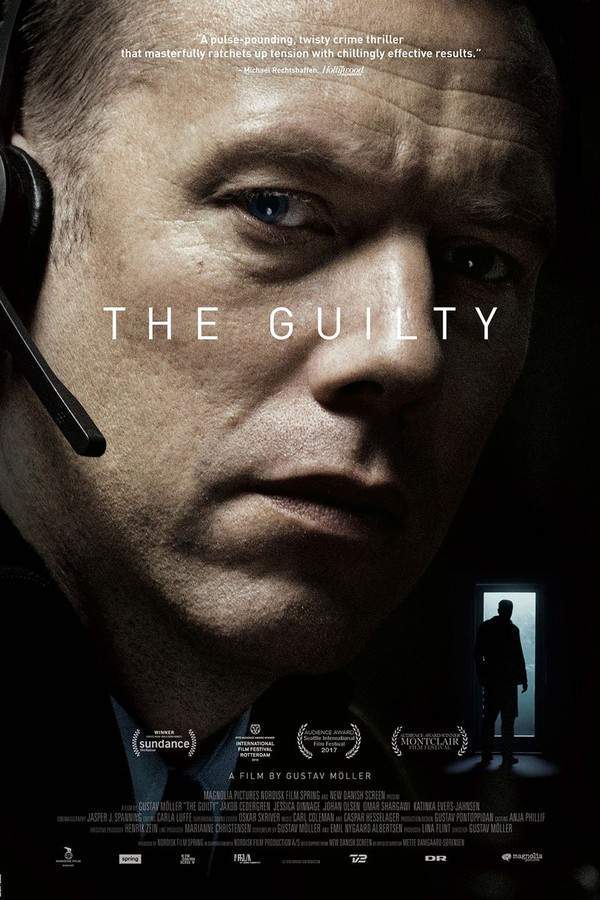
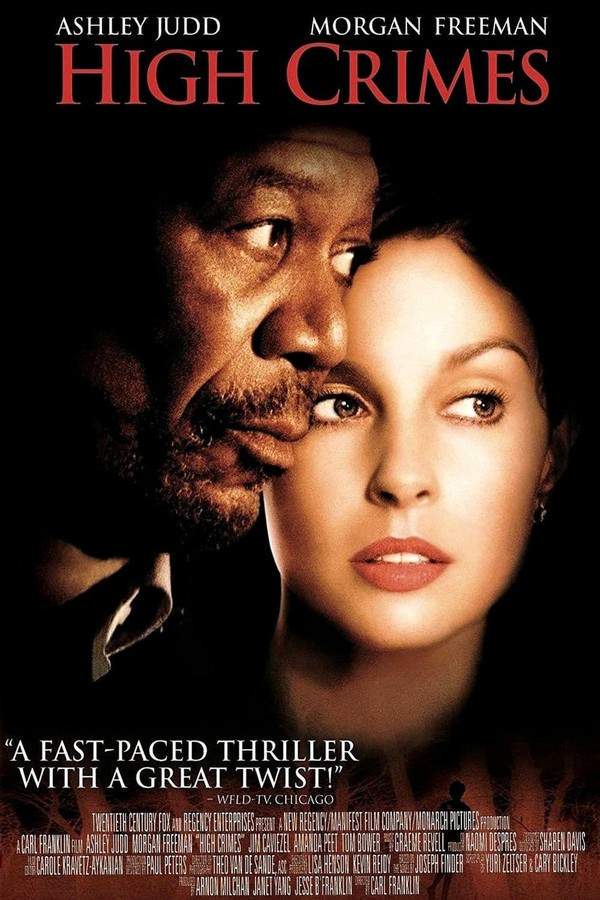
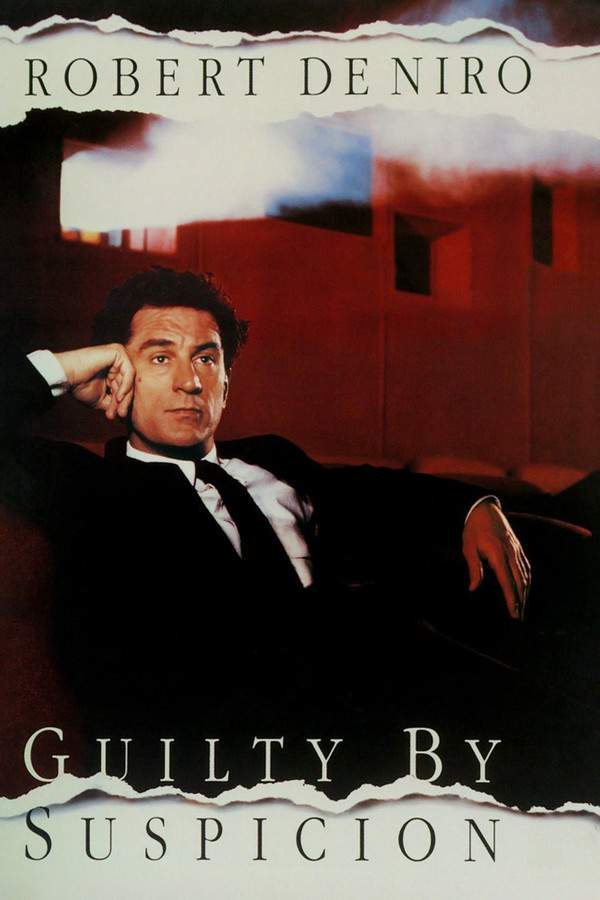


Featured on this page

What's After the Movie?
Not sure whether to stay after the credits? Find out!
Check out our other apps:

SAT Sphere
Build confidence for the Digital SAT.

Mori Atlas
Discover wild places worth protecting.

Luntero
Search smarter for a home in Amsterdam.

Plot Explained
Unravel movie endings and hidden clues.

Pokechamp
Dive into Pokémon data and battle logic.

Driving Theory
Get ready for your European theory test.

Movie Dust
Plan your next cinema trip with ease.

Musemap
Find art and culture as you travel.

Selkobase
Compare credentials before committing.

Local Manual
Turn an unfamiliar country into practical next steps.

Lernavi
Compare school systems before your next move.

GymRoam
Find a workout stop wherever your plans take you.
Explore Our Movie Platform
New Movie Releases (2026)
Famous Movie Actors
Top Film Production Studios
Movie Plot Summaries & Endings
Major Movie Awards & Winners
Best Concert Films & Music Documentaries
Movie Collections and Curated Lists
© 2026 What's After the Movie. All rights reserved.
Privacy Policy