They Won’t Forget 1937


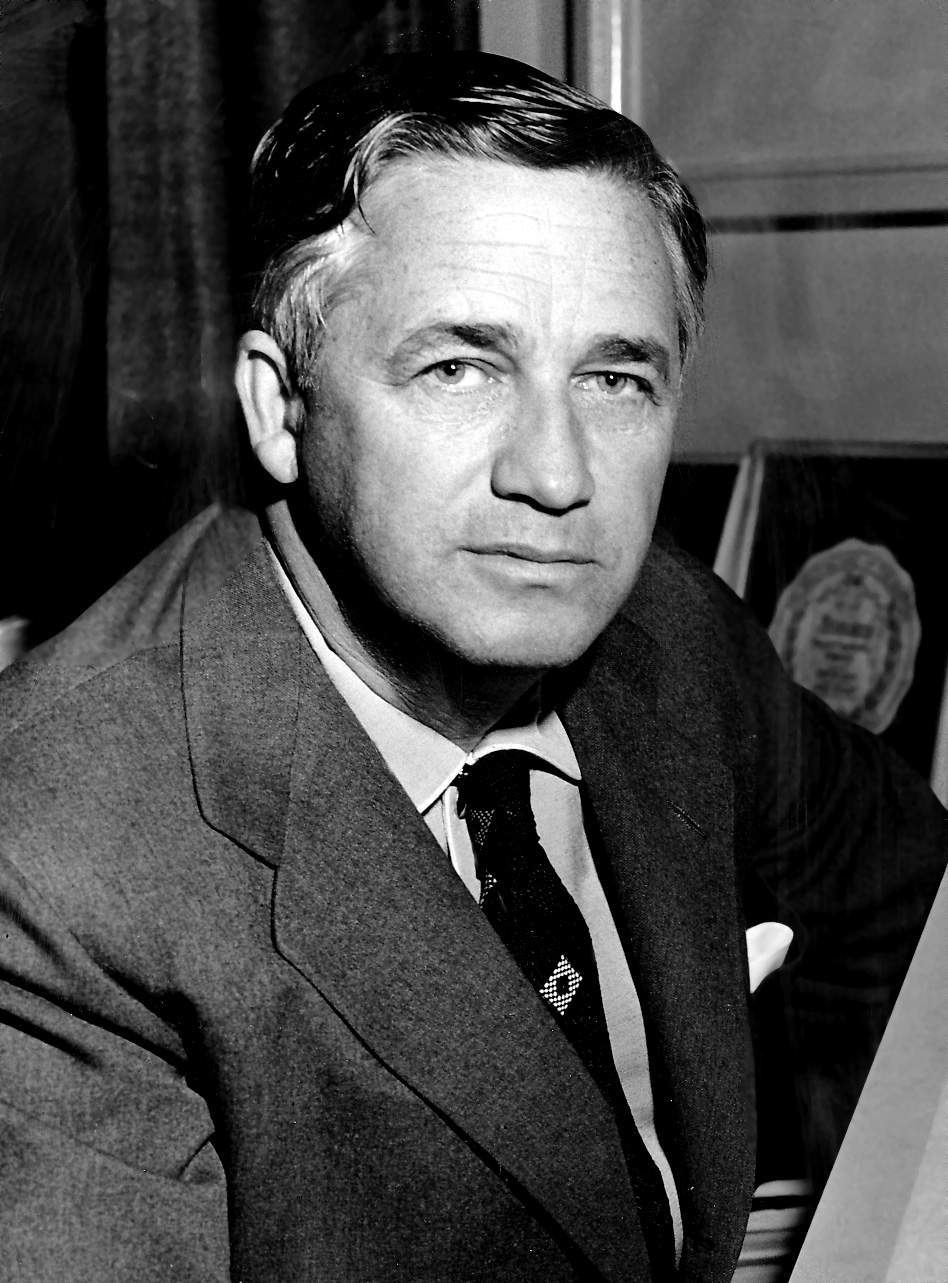
In a Southern town, teenager Mary Clay is murdered on Confederate Decoration Day. Ambitious lawyer Andrew Griffin sees the case as his ticket to the Senate and looks for a scapegoat. He targets Robert Hale, a Northern teacher at the business school where Mary was killed, and, with a ruthless reporter, engineers a media frenzy of prejudice despite only circumstantial evidence, prompting a violent mob.

Does They Won’t Forget have end credit scenes?
No!
They Won’t Forget does not have end credit scenes. You can leave when the credits roll.
Meet the Full Cast and Actors of They Won’t Forget
Explore the complete cast of They Won’t Forget, including both lead and supporting actors. Learn who plays each character, discover their past roles and achievements, and find out what makes this ensemble cast stand out in the world of film and television.
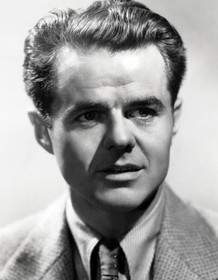
Elisha Cook Jr.
Joe Turner
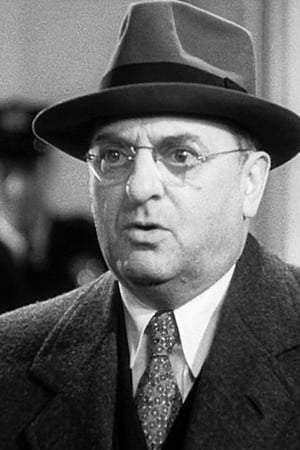
Granville Bates
Detective Pindar
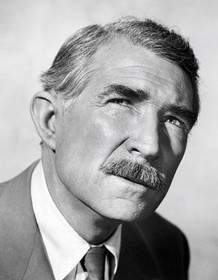
Trevor Bardette
Shattuck Clay
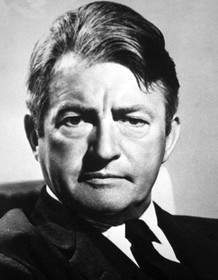
Claude Rains
District Attorney Andrew J. Griffin

Harry Davenport
Confederate Soldier
Linda Perry
Imogene Mayfield
Lana Turner
Mary Clay
Otto Kruger
Michael Gleason
Frank Faylen
Reporter
Ann Shoemaker
Mrs. Mountford
Harry Beresford
Confederate Soldier
Allyn Joslyn
Bill Brock
Elisabeth Risdon
Mrs. Hale (as Elizabeth Risdon)
Al Bridge
Mob Leader Outside Governor's Mansion (uncredited)
Gloria Dickson
Sybil Hale
E. Alyn Warren
Carlisle P. Buxton
Paul Everton
Governor Mountford
Leonard Mudie
Judge Moore
Dick Rich
Cop Guarding Hale (uncredited)
Forbes Murray
Dougherty - Publisher (uncredited)
Edward Norris
Professor Robert Perry Hale
Eddie Acuff
Drugstore Clerk
Edward McWade
Confederate Soldier
Clinton Rosemond
Tump Redwine
Cy Kendall
Detective Laneart
Sibyl Harris
Mrs. Clay (as Sybil Harris)
Donald Briggs
Harmon
Elliott Sullivan
Luther Clay
Clifford Soubier
Jim Timberlake
Wilmer Hines
Ransom Clay
External Links and Streaming Options
Discover where to watch They Won’t Forget online, including streaming platforms, rental options, and official sources. Compare reviews, ratings, and in-depth movie information across sites like IMDb, TMDb, Wikipedia or Letterboxd.





Take the Ultimate They Won’t Forget Movie Quiz
Challenge your knowledge of They Won’t Forget with this fun and interactive movie quiz. Test yourself on key plot points, iconic characters, hidden details, and memorable moments to see how well you really know the film.
They Won’t Forget (1937) Quiz: Test your knowledge of the 1937 drama *They Won’t Forget*, covering its characters, plot twists, and the social themes woven throughout the film.
On what commemorative day does the murder that drives the plot occur?
Full Plot Summary and Ending Explained for They Won’t Forget
Read the complete plot summary of They Won’t Forget, including all major events, twists, and the full ending explained in detail. Explore key characters, themes, hidden meanings, and everything you need to understand the story from beginning to end.
On Confederate Memorial Day, a murder in a Southern town lays bare a social fault line as old as the region itself. The victim, Mary Clay, is found at the center of a case that quickly becomes a political weapon. The district attorney with ambitions for higher office, Andrew Griffin, sees an opportunity to propel his career by choosing a convenient scapegoat. He targets the charmingly unassuming Mary Clay’s teacher, a man named Robert Hale who is simply trying to do right by his students, and the conviction becomes less about proof than about proving a point to the community. The case tugs at a deeper wound in the state’s psyche, shifting the discussion from innocence or guilt to a widening gulf between North and South and the symbolic weight of the day itself.
Griffin does not act alone. He partners with the newsroom, where Frank Faylen portrays the relentless reporter William Brock, and together they whip up a media storm that sensationalizes the crime and feeds a growing climate of prejudice. The town’s fervor is not just about a single alleged crime; it’s fueled by a manufactured narrative that paints Hale as a test case for broader biases. Against this pressure, the community’s more cautious voices are drowned out by louder, simpler certainties, and the push to convict hardens into a local creed. The atmosphere becomes a chorus of accusation, rumor, and fear.
The courtroom drama itself emphasizes how fragile justice can be under public sway. Hale’s defense is led by Otto Kruger as Michael Gleason, but the case rests on tenuous connections and circumstantial evidence. The social machinery—the black janitor, Clinton Rosemond Tump Redwine who is coerced into lying on the stand; a juror who remains the lone holdout; a barber who stays silent about what he knows—adds layer after layer of pressure that makes a fair resolution seem nearly impossible. The trial ends with Hale condemned to death, a verdict that feels both politically useful and emotionally devastating to those who believe in due process.
In a bold, controversial move, the governor, Paul Everton as Mountford, with the encouragement of his wife, takes a personal risk to save Hale by commuting the sentence to life imprisonment. Yet this act of mercy only fuels the town’s fury. The climate of retribution intensifies, and the murdered girl’s brothers—seeking a brutal moral resolution—orchestrate a devastating act: Hale is abducted and lynched with the aid of a vengeful mob. The community’s rage becomes its own verdict, and the line between justice and vengeance blurs beyond recovery.
In the aftermath, Hale’s widow confronts the fallout head-on, returning a check that representative powers had sent her in a gesture of supposed support. The moral arithmetic of the town remains unsettled, and Brock, the reporter who helped shape the case, stands with Griffin as they observe the scene, each processing the consequences in their own way. The final echo of the film lingers in the uneasy silence between them, and in Griffin’s stark, unanswered question: I wonder.
“I wonder.”

Coming soon on iOS and Android
The Plot Explained Mobile App
From blockbusters to hidden gems — dive into movie stories anytime, anywhere. Save your favorites, discover plots faster, and never miss a twist again.
Sign up to be the first to know when we launch. Your email stays private — always.
Explore the mobile appDiscover Film Music Concerts Near You – Live Orchestras Performing Iconic Movie Soundtracks
Immerse yourself in the magic of cinema with live orchestral performances of your favorite film scores. From sweeping Hollywood blockbusters and animated classics to epic fantasy soundtracks, our curated listings connect you to upcoming film music events worldwide.
Explore concert film screenings paired with full orchestra concerts, read detailed event information, and secure your tickets for unforgettable evenings celebrating legendary composers like John Williams, Hans Zimmer, and more.


Cars Featured in They Won’t Forget
Explore all cars featured in They Won’t Forget, including their makes, models, scenes they appear in, and their significance to the plot. A must-read for car enthusiasts and movie buffs alike.
They Won’t Forget Themes and Keywords
Discover the central themes, ideas, and keywords that define the movie’s story, tone, and message. Analyze the film’s deeper meanings, genre influences, and recurring concepts.
They Won’t Forget Other Names and Titles
Explore the various alternative titles, translations, and other names used for They Won’t Forget across different regions and languages. Understand how the film is marketed and recognized worldwide.
Similar Movies To They Won’t Forget You Should Know About
Browse a curated list of movies similar in genre, tone, characters, or story structure. Discover new titles like the one you're watching, perfect for fans of related plots, vibes, or cinematic styles.



Quick Links: Summary, Cast, Ratings, More

What's After the Movie?
Not sure whether to stay after the credits? Find out!
Check out our other apps:

SAT Sphere
Build confidence for the Digital SAT.

Mori Atlas
Discover wild places worth protecting.

Luntero
Search smarter for a home in Amsterdam.

Plot Explained
Unravel movie endings and hidden clues.

Pokechamp
Dive into Pokémon data and battle logic.

Driving Theory
Get ready for your European theory test.

Movie Dust
Plan your next cinema trip with ease.

Musemap
Find art and culture as you travel.

Selkobase
Compare credentials before committing.

Local Manual
Turn an unfamiliar country into practical next steps.

Lernavi
Compare school systems before your next move.

GymRoam
Find a workout stop wherever your plans take you.
Explore Our Movie Platform
New Movie Releases (2026)
Famous Movie Actors
Top Film Production Studios
Movie Plot Summaries & Endings
Major Movie Awards & Winners
Best Concert Films & Music Documentaries
Movie Collections and Curated Lists
© 2026 What's After the Movie. All rights reserved.
Privacy Policy