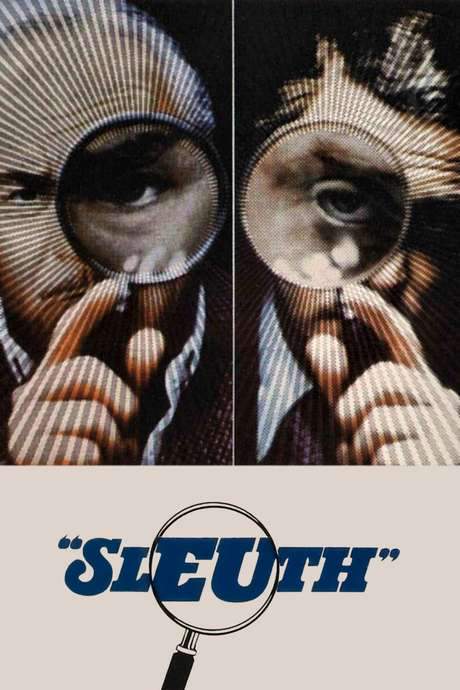
What Is The Big Clock About?
The premise of The Big Clock in 298 words, with nothing given away. The full story follows below.
In the sleek, steel‑clad towers of Janoth Publications, a massive clock dominates the lobby, its relentless ticking echoing the urgency of the stories churned out beneath it. The newsroom of Crimeways hums with ink‑stained ambition, where headlines are weaponized and every deadline feels like a countdown. The building itself becomes a character, its polished corridors and glass‑walled offices framing a world where power is measured in circulation numbers and the speed of a scoop.
George Stroud is the editor‑in‑chief who runs this press machine with the zeal of a crusader. Known for his sharp instincts and relentless pursuit of the truth, he has been dreaming of a long‑overdue honeymoon with his wife Georgette and their son. When a shocking murder of a glamorous blonde draws the city’s attention, Stroud abruptly abandons his vacation plans, pulled back into the very heart of the newsroom he thought he could leave behind.
The publisher, the formidable Earl Janoth, assigns Stroud the delicate task of steering the investigation. As Stroud marshals his brilliant team of reporters and investigators, the pressure mounts, not only from the public’s thirst for answers but also from the internal dynamics of a media empire that thrives on information as much as on manipulation. The very tools meant to uncover the truth begin to cast ambiguous shadows, forcing Stroud to navigate a maze where every lead could either clarify or implicate him.
The film’s tone is classic noir—slick, smoky, and saturated with the pulse of a city that never stops moving. With the clock’s steady beat as a metronome, the story blends newsroom politics, personal ambition, and a looming sense of danger, inviting the audience to wonder how far a man will go to protect his reputation and uncover the hidden forces that control the flow of truth.
What Happens in The Big Clock?
The complete story of The Big Clock, from the first scene to the last, in 898 words (about 4 minutes). Spoilers throughout. Names in the text link to 5 cast member pages.
Spoilers ahead
The Big Clock follows George Stroud, Ray Milland, editor-in-chief of Crimeways magazine, who hides from building security inside the massive clock that dominates the lobby of the Janoth Publications building in New York City. The clock isn’t just a decorative feature; it’s a symbol of the power and reach of the publishing house, and it frames Stroud’s tense, high-stakes world as he moves through a story that blends newsroom ambition with a deadly mystery.
The film opens with a race against time. Thirty-six hours earlier, Stroud is excited for a long-promised honeymoon with his wife Georgette and their son in Wheeling, West Virginia. His tyrannical boss Earl Janoth, Charles Laughton, wants him to stay behind to chase a missing-person story that Stroud has just cracked. Stroud refuses, which leads to his dismissal. In a moment of impulsive distraction, he heads to a bar and becomes entangled with Pauline York, Rita Johnson, Janoth’s glamorous mistress, who hints at a blackmail scheme against her powerful lover. When Stroud realizes he’s running out of time for the train, Georgette leaves without him, furious at the collapsed plan. Stroud spends the night drinking with York, during which he purchases a painting and a sundial—mementos that later become important clues.
Things take a darker turn at York’s apartment. York spots Janoth arriving, and Stroud slips away into the shadows. Janoth, unaware that Stroud was the man leaving York’s door, mistakenly believes York is unfaithful. In a fit of rage, he strikes her with the sundial, killing her. The next morning, Janoth confesses a near-panic to his assistant Steve Hagen, George Macready, and contemplates surrendering to the police. Hagen, however, convinces him that the situation can be manipulated to his advantage: they can frame the man they saw leaving York’s apartment, and Crimeways itself can be pressed into service to identify the culprit.
Back in Wheeling, Stroud finally reunites with Georgette and their son. He reveals nothing about York’s death, masking the upheaval in his professional life with a calm exterior. Janoth soon calls him back, offering to rehire him to head the hunt for the mystery man, a move that puts Stroud back in the center of the investigation—now under pressure to produce results while ensuring the real killer remains protected. Georgette’s disappointment is evident as he resumes his old role, but Stroud accepts, knowing it will give him the opportunity to uncover the truth without tipping off the people who want him as the suspect.
What follows is a carefully staged hunt designed to extract a confession from a supposed killer while keeping Stroud’s own name out of the frame. As the Crimeways team pinpoints York’s movements and identify witnesses who recall seeing her with the mystery man, the drama moves into a claustrophobic crescendo inside the Janoth Building. One key witness is Louise Patterson, Elsa Lanchester, an eccentric artist who painted the piece Stroud bought; she is pressed to produce a portrait of the mystery man, and her answer comes as a bold, modernist abstract full of blobs and swirls that seems to mock the investigators’ efforts. The witnesses are escorted to the building to narrow down the suspect, and Stroud makes a rapid, desperate effort to stay one step ahead of the dragnet.
As the net tightens, Stroud becomes increasingly exposed. The witnesses spot him, and he must vanish before he’s unmasked. He finds a last, risky refuge inside the clock itself—a fitting twist given the symbol that framed his career from the start. Inside that quiet, ticking world, Stroud confronts Janoth and Hagen and presents evidence aimed at proving Hagen was the killer and Janoth was the mastermind of the cover-up. Hagen pleads for absolution, but Janoth’s arrogance leaves him blind to the danger. In a brutal turn, Hagen turns the tables and reveals that Janoth himself killed York and helped cover up the crime. The confrontation ends in tragedy as Janoth shoots Hagen and makes a second, desperate dash toward the elevator. The car stalls on its way down, jammed by Stroud’s earlier maneuvers, and Janoth plummets to his death in the shaft below.
The Big Clock uses its central prop—the clock—to mirror Stroud’s escalating peril and his quiet, methodical pursuit of the truth. The film blends noir etiquette, newsroom politics, and a claustrophobic cat-and-mouse game into a layered meditation on guilt, power, and the price of urgency. Stroud’s ingenuity, his careful balancing act between appearing to lead a routine investigation and privately pursuing the real culprit, keeps the tension taut from the moment the murder occurs to the final, fatal fall. The story’s carefully constructed reversals, the artful use of the clock as both setting and symbol, and the interplay between the powerful Janoth and the wary Stroud create a clean, relentless narrative that asks how far someone will go to protect themselves and to shield a killer from exposure.
The film’s cast threads through a world of keenly drawn characters, with each supporting player contributing to the sense of a sprawling, high-stakes media empire where information is a weapon as sharp as any blade. The clock isn’t simply a stage for the action; it’s a barometer of every character’s fear, ambition, and capacity for deception. In the end, The Big Clock leaves viewers with a stark reminder: in the arena of power, truth can be the hardest thing to keep—and the most dangerous thing to expose.
The Big Clock Timeline: Every Key Event in Order
12 key events in the order they happen, from “Thirty-six hours earlier: Stroud is fired” to “The truth comes out; Janoth dies”. 12 events name a place, across 7 locations.
- 1
Thirty-six hours earlier: Stroud is fired
George Stroud is eager to begin his long-postponed honeymoon, but Janoth fires him for refusing to stay on a missing-person story. The dismissal severs his professional stability and sets in motion his entanglement with Janoth’s power. The loss also foreshadows the dangerous game he is about to play.
When:Thirty-six hours earlier Where:Janoth Publications building, New York City
- 2
York proposes a blackmail plot
In a bar, Pauline York flirts with Stroud and pitches a blackmail scheme against Janoth. She reasons they could leverage the boss’s personal indiscretions to gain influence. Stroud weighs the risk, aware it could drag him further into crime.
When:Thirty-six hours earlier Where:Bar, New York City
- 3
Missed train and estrangement at home
Stroud loses track of time and misses the train to Wheeling, leaving Georgette furious. She departs with their son, and Stroud spends the evening drinking with York. He also buys a painting and a sundial, symbols that recur later in the plot.
When:Evening prior to the trip Where:New York City; on the way to Wheeling
- 4
York’s apartment confrontation and murder
Stroud accompanies York to her apartment, but York sees Janoth approaching and Stroud escapes. Janoth misreads the situation as York’s infidelity and strikes her with the sundial, killing her. The murder sets the stage for a calculated cover-up.
When:Late night Where:York's apartment, New York City
- 5
Hagen convinces Janoth to frame the man
Janoth plans to surrender to the police, but Hagen persuades him to frame the seen departure as the killer instead. They decide to exploit Crimeways to identify the culprit without admitting guilt. The plan binds the newspaper’s power to a manufactured manhunt.
When:Immediately after York's murder Where:Janoth Building, New York City
- 6
Stroud reunites with family; Janoth offers his job back
Stroud has joined his wife and son in Wheeling and reveals he was fired, keeping York’s affair quiet. Janoth calls to rehire him to lead the manhunt, offering him his old position back. Stroud agrees, though Georgette is disappointed by the turn of events.
When:Shortly after York's murder Where:Wheeling, West Virginia
- 7
Janoth hints to Stroud that he is the suspect
Back in New York, Janoth drops enough hints for Stroud to realize the mystery man is himself. Stroud reluctantly accepts the assignment to direct the investigation while secretly planning to prove Janoth is guilty. Georgette remains wary of the dangerous path they are on.
When:Before the manhunt begins Where:Janoth Publications building, New York City
- 8
The manhunt begins
Stroud must appear to run the investigation diligently while quietly pursuing his own inquiry. He balances the pressure of public accountability with his private push to uncover the truth about York’s death. The hunt tightens as investigators close material and witness gaps.
When:During the manhunt Where:Janoth Building, New York City
- 9
York identified; witnesses gather
York is identified by Crimeways, and witnesses who saw her with the mystery man are tracked to the Janoth Building. Louise Patterson, an eccentric painter who created the painting Stroud bought, is among those present and offers a modern portrait that becomes a clue. The investigators assemble the testimonies to piece together the case.
When:Before the confrontation Where:Janoth Building, New York City
- 10
A witness recognizes Stroud; building sealed
A witness spots Stroud and identifies him as the mystery man. With all exits sealed, the building’s occupants are forced to leave only through the main door while witnesses watch for the culprit. Security sweeps advance, tightening the net around him.
When:Imminent confrontation Where:Janoth Building, New York City
- 11
Stroud makes his clock-top escape
As the net closes, Stroud slips toward the big clock and hides within its inner mechanism. He uses the clock as cover to observe and maneuver, preparing a final move against Janoth and Hagen. The confrontation becomes a battle of wits and nerve inside the clock’s shadow.
When:Final confrontation Where:The clock tower inside Janoth Building, New York City
- 12
The truth comes out; Janoth dies
Stroud presents evidence that points to Hagen as the killer, forcing Hagen to reveal Janoth’s true role. Janoth shoots Hagen when confronted, and tries to escape in an elevator, only for the car to jam. Janoth plummets to his death, ending his tyranny and the conspiracy.
When:Climax and final resolution Where:Janoth Building, New York City
Who Are the Main Characters in The Big Clock?
6 characters, among them George Stroud (Ray Milland), Earl Janoth (Charles Laughton) and Pauline York (Rita Johnson): who each one is and the part they play in the story. Every profile links to the actor’s page.
-
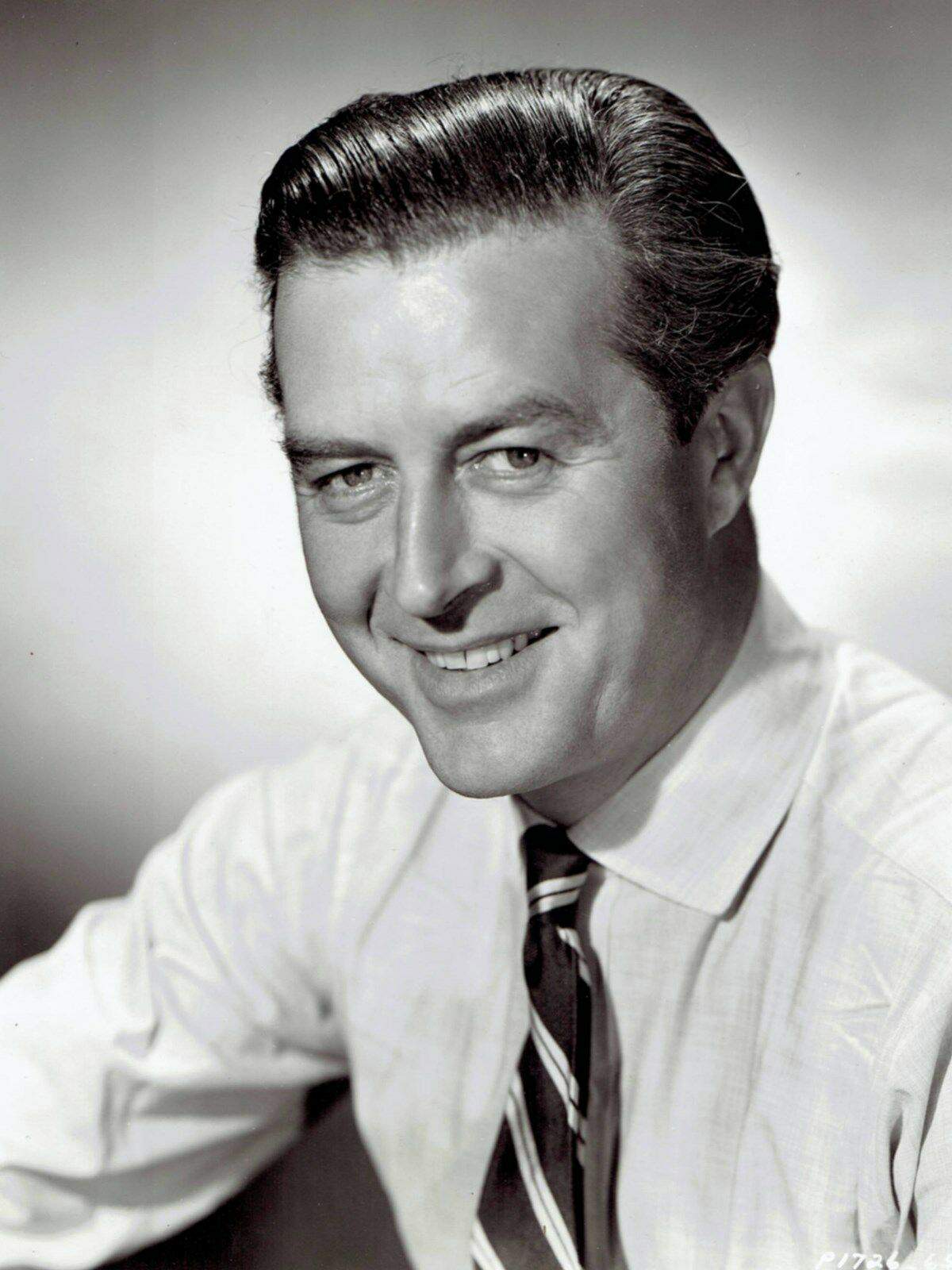
George Stroud (Ray Milland)
Played by Ray Milland
Editor-in-chief of Crimeways who is fired but coerced into leading the manhunt. He is clever, resourceful, and morally conflicted, balancing self-preservation with a growing pursuit of truth. He disguises his own guilt while actively investigating Janoth's crime.
- 🧠 Smart
- 🕵️♂️ Cunning
- 🗽 NYC-centric
- EJ
Earl Janoth (Charles Laughton)
Played by Charles Laughton
A tyrannical publisher who wields editorial power like a weapon. He collaborates with his assistant to frame an innocent man and is capable of violence to protect his reputation. He underestimates Stroud's tenacity and the consequences of his own actions.
- 👔 Boss
- 🗽 Ruthless
- 🧭 Control
- PY
Pauline York (Rita Johnson)
Played by Rita Johnson
Janoth's glamorous mistress who schemes to blackmail him, setting off a chain of events that culminates in murder. She becomes a catalyst for the investigation and the cover-up. Her choices reveal the precarious line between desire and danger.
- 💃 Femme fatale
- 🧠 Calculating
- 🗽 NYC-centric
-

Louise Patterson (Elsa Lanchester)
Played by Elsa Lanchester
An eccentric artist whose modernist painting becomes a key clue to identifying the mystery man. Her art provides a surreal, visual thread to the investigation and the witnesses' testimony. She helps connect the dots between perception and truth.
- 🎨 Artist
- 🧩 Clue-forward
- 🗽 NYC-centric
- SH
Steve Hagen (George Macready)
Played by George Macready
Janoth's loyal assistant who assists with the cover-up but is drawn into the unraveling scheme. He becomes an opposing force as the truth edges closer to exposure. His actions push the plot toward a dramatic confrontation.
- 🕴️ Accomplice
- 🗝️ Deceptive
- 🗽 NYC-centric
-
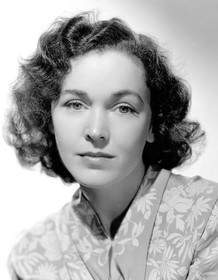
Georgette Stroud (Maureen O'Sullivan)
Played by Maureen O'Sullivan
George Stroud's wife, who thought they would be starting a honeymoon but gets caught up in the personal fallout of his disappearance. Her expectations and disappointment reflect the human cost of Stroud's entanglement with Janoth's world. She serves as a personal counterweight to the political intrigue.
- 💑 Wife
- 🧭 Personal stake
- 🗽 NYC-centric
Where and When Is The Big Clock Set?
The Big Clock is set in New York City and Janoth Publications Building lobby (Late 1940s). Here is why the time and place matter to the story.
When
Late 1940s
The story unfolds in a contemporary postwar New York milieu, characteristic of film noir's corporate crime dramas. The era's fast-paced media world and heavy reliance on newspapers and magazines shape the plot’s power dynamics. The setting emphasizes a world where reputation and innocence can be manipulated by those who control the press.
Where
New York City, Janoth Publications Building lobby
The setting centers on the Janoth Publications building in New York City, whose lobby houses a towering, sophisticated clock that dominates the scene and symbolizes control. The big clock serves as a public stage for power struggles, surveillance, and the pursuit of truth as events unfold. The film's urban, corporate environment creates a sense of claustrophobic tension, with glass-and-steel interiors and crowded streets providing contrast to the clock's slow, relentless movement.
- 🗽 New York
- 🎭 Film Noir
- 🕰️ 1940s
What Are the Themes of The Big Clock?
3 ideas the story keeps returning to, among them Power, Morality and Investigation.
-
01
Power
A central thread is the abuse of corporate power by a ruthless publisher who uses Crimeways as both a tool and shield. The pursuit of a cover-up reveals how media empires can manufacture narratives and protect their own interests. The clock-building's visibility underscores how those in charge attempt to control information and society.
-
02
Morality
George Stroud's dilemma pits personal safety against professional duty. He must navigate a dangerous trap: help uncover the truth without revealing his own guilt. The moral tension drives his every move as he feigns compliance while secretly building a case.
-
03
Investigation
A tense manhunt unfolds inside a closed-building fortress, with witnesses interrogated and exits sealed. The protagonists deploy clever ruses to misdirect the search and keep the killer identity hidden. The climax hinges on a reveal inside the clock chamber and the exposure of the killer's guilt.
What Kind of Film Is The Big Clock?
Tense in tone, with fast pacing and a moderate story, going by the plot summary.
- Tone
- Tense
- Pacing
- Fast
- Story
- Moderate
- Intensity
- High
- Ending
- Happy
A fast-paced, high-stakes noir thriller where a man must outwit his own colleagues in a claustrophobic cat-and-mouse game, creating a tense and anxious viewing experience from start to finish.
- tense
- claustrophobic
- anxious
- suspenseful
- paranoid
- high-stakes
- manhunt
- frame-up
- crime investigation
- power and corruption
Content notes: murder, death by falling.
Quiz
How well do you remember The Big Clock? Test yourself on the story.
Where to Watch The Big Clock
Rent or buy it from Apple TV Store and Fandango At Home. US availability and prices from JustWatch.




Streaming availability in the US, powered by