The Big Clock 1948


When a glamorous blonde is murdered, crusading crime‑magazine editor Stroud cancels his vacation and is tasked by publisher Janoth to find the killer. As the case progresses, his brilliant investigative team mistakenly builds evidence that implicates Stroud, forcing him to outwit his colleagues and prove his innocence.

Does The Big Clock have end credit scenes?
No!
The Big Clock does not have end credit scenes. You can leave when the credits roll.
Where to Watch The Big Clock
See current US streaming, rental, and purchase options for The Big Clock (1948) via JustWatch.





Meet the Full Cast and Actors of The Big Clock
Explore the complete cast of The Big Clock, including both lead and supporting actors. Learn who plays each character, discover their past roles and achievements, and find out what makes this ensemble cast stand out in the world of film and television.
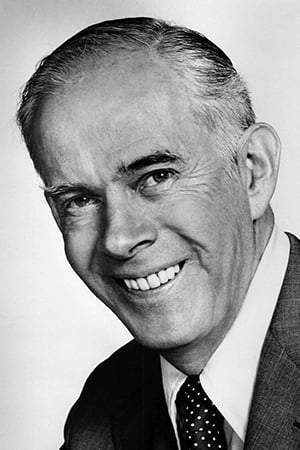
Harry Morgan
Bill Womack
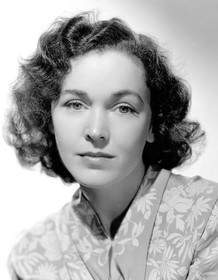
Maureen O'Sullivan
Georgette Stroud

Luis Van Rooten
Edwin Orlin

Elsa Lanchester
Louise Patterson
Richard Webb
Nat Sperling
Charles Laughton
Earl Janoth
Douglas Spencer
Bert Finch
Dan Tobin
Roy Cordette
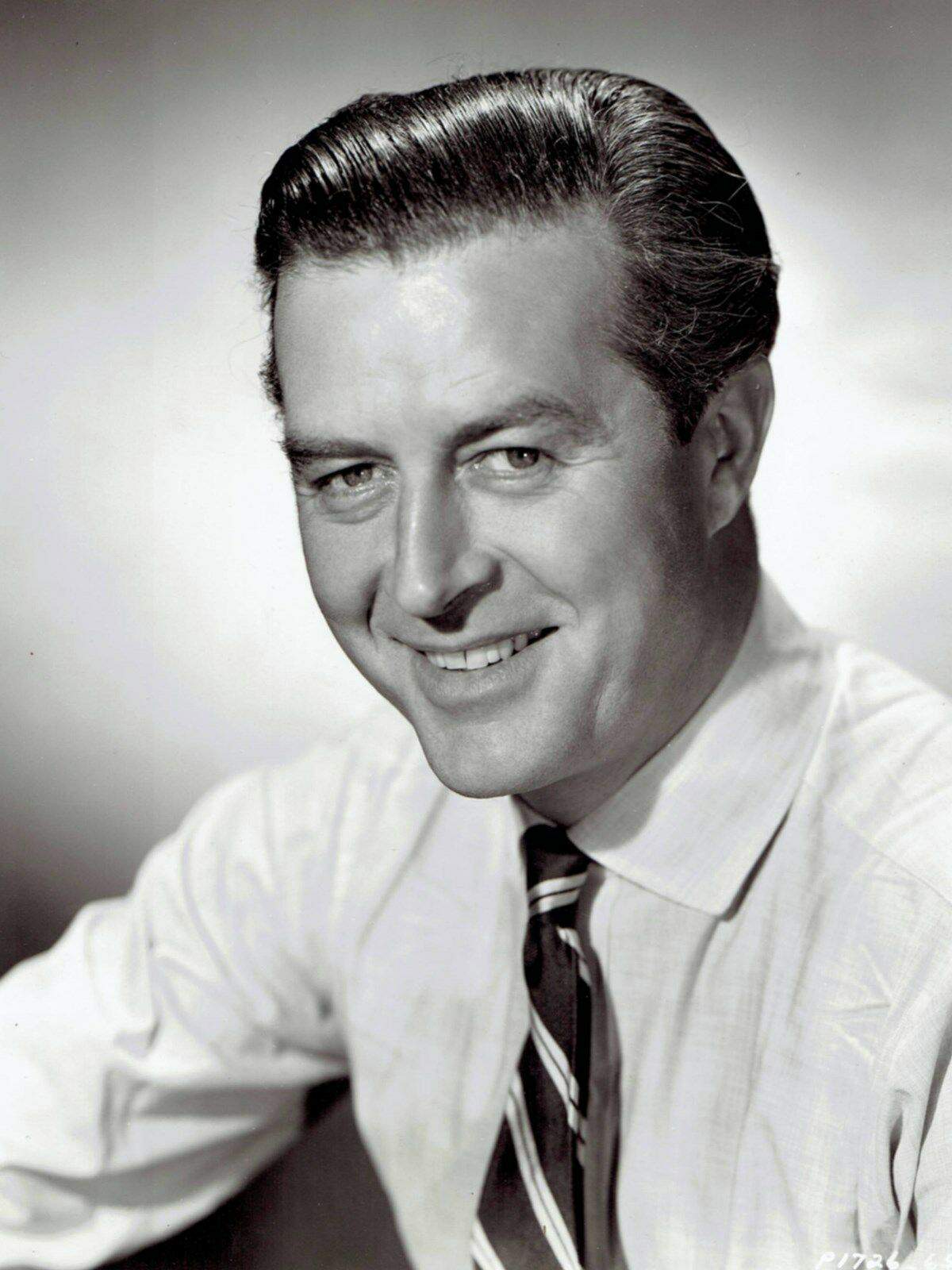
Ray Milland
George Stroud
Ruth Roman
Secretary at Meeting (uncredited)
Bea Allen
Betty (uncredited)
George Macready
Steve Hagen
Rita Johnson
Pauline York
Philip Van Zandt
Sidney Kislav
Franklyn Farnum
(uncredited)
James Burke
O'Brien
Harry Anderson
Guard (uncredited)
Barry Norton
Man at Van Barth's (uncredited)
Noel Neill
Elevator Operator (uncredited)
Judy Nugent
Penelope Patterson (uncredited)
Lee Miller
Man from 'Airways' in Elevator (uncredited)
Julia Faye
Secretary (uncredited)
Norman Leavitt
Tourist (uncredited)
Dick Gordon
Minor Role (uncredited)
Bert Moorhouse
Editor at Conference Table (uncredited)
James Carlisle
Van Spove (uncredited)
Bess Flowers
Woman in Conference Room (uncredited)
Chuck Hamilton
Guard at Janoth Building (uncredited)
Frank Hagney
Ice Man (uncredited)
Lester Dorr
Cabby (uncredited)
Joey Ray
Joe Talbot
Elaine Riley
Lily Gold
Ernö Verebes
Waiter
Theresa Harris
Daisy (uncredited)
Al Ferguson
Guard at Janoth Building (uncredited)
Lucille Barkley
Hatcheck Girl
Frank Orth
Burt
Harold Vermilyea
Don Klausmeyer
Frances Morris
Grace Adams
Bobby Watson
Morton Spalding
Harry Rosenthal
Charlie
Margaret Field
Second Secretary
Lucy Knoch
Secretary (uncredited)
Henri Letondal
Antique Dealer
B.G. Norman
George Jr.
External Links and Streaming Options
Discover where to watch The Big Clock online, including streaming platforms, rental options, and official sources. Compare reviews, ratings, and in-depth movie information across sites like IMDb, TMDb, Wikipedia or JustWatch.






Take the Ultimate The Big Clock Movie Quiz
Challenge your knowledge of The Big Clock with this fun and interactive movie quiz. Test yourself on key plot points, iconic characters, hidden details, and memorable moments to see how well you really know the film.
The Big Clock Quiz: Test your knowledge of the 1948 film *The Big Clock* with these ten mixed‑difficulty questions covering plot, characters, and key details.
What is George Stroud's profession at the start of the film?
Full Plot Summary and Ending Explained for The Big Clock
Read the complete plot summary of The Big Clock, including all major events, twists, and the full ending explained in detail. Explore key characters, themes, hidden meanings, and everything you need to understand the story from beginning to end.
The Big Clock follows George Stroud, Ray Milland, editor-in-chief of Crimeways magazine, who hides from building security inside the massive clock that dominates the lobby of the Janoth Publications building in New York City. The clock isn’t just a decorative feature; it’s a symbol of the power and reach of the publishing house, and it frames Stroud’s tense, high-stakes world as he moves through a story that blends newsroom ambition with a deadly mystery.
The film opens with a race against time. Thirty-six hours earlier, Stroud is excited for a long-promised honeymoon with his wife Georgette and their son in Wheeling, West Virginia. His tyrannical boss Earl Janoth, Charles Laughton, wants him to stay behind to chase a missing-person story that Stroud has just cracked. Stroud refuses, which leads to his dismissal. In a moment of impulsive distraction, he heads to a bar and becomes entangled with Pauline York, Rita Johnson, Janoth’s glamorous mistress, who hints at a blackmail scheme against her powerful lover. When Stroud realizes he’s running out of time for the train, Georgette leaves without him, furious at the collapsed plan. Stroud spends the night drinking with York, during which he purchases a painting and a sundial—mementos that later become important clues.
Things take a darker turn at York’s apartment. York spots Janoth arriving, and Stroud slips away into the shadows. Janoth, unaware that Stroud was the man leaving York’s door, mistakenly believes York is unfaithful. In a fit of rage, he strikes her with the sundial, killing her. The next morning, Janoth confesses a near-panic to his assistant Steve Hagen, George Macready, and contemplates surrendering to the police. Hagen, however, convinces him that the situation can be manipulated to his advantage: they can frame the man they saw leaving York’s apartment, and Crimeways itself can be pressed into service to identify the culprit.
Back in Wheeling, Stroud finally reunites with Georgette and their son. He reveals nothing about York’s death, masking the upheaval in his professional life with a calm exterior. Janoth soon calls him back, offering to rehire him to head the hunt for the mystery man, a move that puts Stroud back in the center of the investigation—now under pressure to produce results while ensuring the real killer remains protected. Georgette’s disappointment is evident as he resumes his old role, but Stroud accepts, knowing it will give him the opportunity to uncover the truth without tipping off the people who want him as the suspect.
What follows is a carefully staged hunt designed to extract a confession from a supposed killer while keeping Stroud’s own name out of the frame. As the Crimeways team pinpoints York’s movements and identify witnesses who recall seeing her with the mystery man, the drama moves into a claustrophobic crescendo inside the Janoth Building. One key witness is Louise Patterson, Elsa Lanchester, an eccentric artist who painted the piece Stroud bought; she is pressed to produce a portrait of the mystery man, and her answer comes as a bold, modernist abstract full of blobs and swirls that seems to mock the investigators’ efforts. The witnesses are escorted to the building to narrow down the suspect, and Stroud makes a rapid, desperate effort to stay one step ahead of the dragnet.
As the net tightens, Stroud becomes increasingly exposed. The witnesses spot him, and he must vanish before he’s unmasked. He finds a last, risky refuge inside the clock itself—a fitting twist given the symbol that framed his career from the start. Inside that quiet, ticking world, Stroud confronts Janoth and Hagen and presents evidence aimed at proving Hagen was the killer and Janoth was the mastermind of the cover-up. Hagen pleads for absolution, but Janoth’s arrogance leaves him blind to the danger. In a brutal turn, Hagen turns the tables and reveals that Janoth himself killed York and helped cover up the crime. The confrontation ends in tragedy as Janoth shoots Hagen and makes a second, desperate dash toward the elevator. The car stalls on its way down, jammed by Stroud’s earlier maneuvers, and Janoth plummets to his death in the shaft below.
The Big Clock uses its central prop—the clock—to mirror Stroud’s escalating peril and his quiet, methodical pursuit of the truth. The film blends noir etiquette, newsroom politics, and a claustrophobic cat-and-mouse game into a layered meditation on guilt, power, and the price of urgency. Stroud’s ingenuity, his careful balancing act between appearing to lead a routine investigation and privately pursuing the real culprit, keeps the tension taut from the moment the murder occurs to the final, fatal fall. The story’s carefully constructed reversals, the artful use of the clock as both setting and symbol, and the interplay between the powerful Janoth and the wary Stroud create a clean, relentless narrative that asks how far someone will go to protect themselves and to shield a killer from exposure.
The film’s cast threads through a world of keenly drawn characters, with each supporting player contributing to the sense of a sprawling, high-stakes media empire where information is a weapon as sharp as any blade. The clock isn’t simply a stage for the action; it’s a barometer of every character’s fear, ambition, and capacity for deception. In the end, The Big Clock leaves viewers with a stark reminder: in the arena of power, truth can be the hardest thing to keep—and the most dangerous thing to expose.

Coming soon on iOS and Android
The Plot Explained Mobile App
From blockbusters to hidden gems — dive into movie stories anytime, anywhere. Save your favorites, discover plots faster, and never miss a twist again.
Sign up to be the first to know when we launch. Your email stays private — always.
Explore the mobile appWatch Trailers, Clips & Behind-the-Scenes for The Big Clock
Watch official trailers, exclusive clips, cast interviews, and behind-the-scenes footage from The Big Clock. Dive deeper into the making of the film, its standout moments, and key production insights.
Cars Featured in The Big Clock
Explore all cars featured in The Big Clock, including their makes, models, scenes they appear in, and their significance to the plot. A must-read for car enthusiasts and movie buffs alike.
The Big Clock Themes and Keywords
Discover the central themes, ideas, and keywords that define the movie’s story, tone, and message. Analyze the film’s deeper meanings, genre influences, and recurring concepts.
The Big Clock Other Names and Titles
Explore the various alternative titles, translations, and other names used for The Big Clock across different regions and languages. Understand how the film is marketed and recognized worldwide.
Similar Movies To The Big Clock You Should Know About
Browse a curated list of movies similar in genre, tone, characters, or story structure. Discover new titles like the one you're watching, perfect for fans of related plots, vibes, or cinematic styles.




Quick Links: Summary, Cast, Ratings, More

What's After the Movie?
Not sure whether to stay after the credits? Find out!
Check out our other apps:

SAT Sphere
Build confidence for the Digital SAT.

Mori Atlas
Discover wild places worth protecting.

Luntero
Search smarter for a home in Amsterdam.

Plot Explained
Unravel movie endings and hidden clues.

Pokechamp
Dive into Pokémon data and battle logic.

Driving Theory
Get ready for your European theory test.

Movie Dust
Plan your next cinema trip with ease.

Musemap
Find art and culture as you travel.

Selkobase
Compare credentials before committing.

Local Manual
Turn an unfamiliar country into practical next steps.

Lernavi
Compare school systems before your next move.

GymRoam
Find a workout stop wherever your plans take you.
Explore Our Movie Platform
New Movie Releases (2026)
Famous Movie Actors
Top Film Production Studios
Movie Plot Summaries & Endings
Major Movie Awards & Winners
Best Concert Films & Music Documentaries
Movie Collections and Curated Lists
© 2026 What's After the Movie. All rights reserved.
Privacy Policy