The Big Knife 1955



Charlie Castle, a disillusioned movie star, refuses a seven‑year contract with powerful producer Stanley Hoff. Frustrated by the studio’s low‑brow output, Castle wants to start fresh, supported by his estranged wife but opposed by his agent. Hoff turns to blackmail to force compliance.

Does The Big Knife have end credit scenes?
No!
The Big Knife does not have end credit scenes. You can leave when the credits roll.
Where to Watch The Big Knife
See current US streaming, rental, and purchase options for The Big Knife (1955) via JustWatch.




Streaming availability powered by 
Meet the Full Cast and Actors of The Big Knife
Explore the complete cast of The Big Knife, including both lead and supporting actors. Learn who plays each character, discover their past roles and achievements, and find out what makes this ensemble cast stand out in the world of film and television.
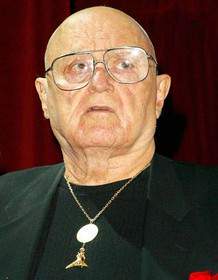
Rod Steiger
Stanley Shriner Hoff
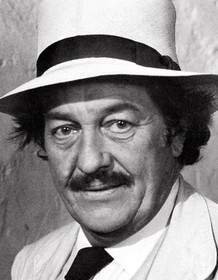
Strother Martin
Stillman

Nick Cravat
Nick
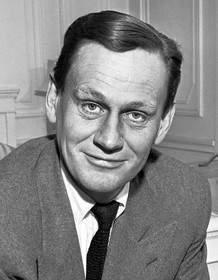
Wendell Corey
Smiley Coy

Shelley Winters
Dixie Evans
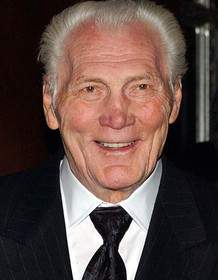
Jack Palance
Charles Castle

Ida Lupino
Marion Castle
Wesley Addy
Horatio "Hank" Teagle
Paul Langton
Buddy Bliss
Robert Emhardt
Bit Part
Richard Boone
Narrator (Voice)

Jean Hagen
Connie Bliss
Ilka Chase
Patty Benedict
Nick Dennis
Mickey Feeney
Ralph Volkie
Referee
Everett Sloane
Nat Danziger
Michael Fox
Prize Fight Announcer
Mel Welles
Mustached Party Guest
Bill Walker
Russell
Michael Winkelman
Billy Castle
External Links and Streaming Options
Discover where to watch The Big Knife online, including streaming platforms, rental options, and official sources. Compare reviews, ratings, and in-depth movie information across sites like IMDb, TMDb, Wikipedia or Rotten Tomatoes.







Take the Ultimate The Big Knife Movie Quiz
Challenge your knowledge of The Big Knife with this fun and interactive movie quiz. Test yourself on key plot points, iconic characters, hidden details, and memorable moments to see how well you really know the film.
The Big Knife (1955) Movie Quiz: A challenging quiz about the plot, characters, and themes of the 1955 film The Big Knife.
Who is the main actor portraying Charlie Castle?
Full Plot Summary and Ending Explained for The Big Knife
Read the complete plot summary of The Big Knife, including all major events, twists, and the full ending explained in detail. Explore key characters, themes, hidden meanings, and everything you need to understand the story from beginning to end.
In the vibrant yet often unforgiving world of Hollywood, Charlie Castle, voiced by Rod Steiger, is a seasoned actor grappling with the bittersweet reality of a career he’s sacrificed his dreams for. The film opens with Charlie reflecting on how he has “sold out his dreams but can’t forget them,” setting a tone of nostalgia and regret that permeates the story. The bustling Los Angeles setting introduces studio publicist Buddy Bliss, played by Wendell Corey, who delivers the news that Patty Benedict, a prominent and influential gossip columnist, has arrived to stir the pot. An underlying tension surrounds Charlie’s rumored separation from his wife, Marion Castle, portrayed by Ida Lupino, as the two characters navigate personal and professional uncertainties.
The narrative delves into the complex dynamics of Hollywood’s star system, where career ambitions clash with personal life. Marion, who is hesitant to discuss their troubles publicly, questions Charlie about his future plans, including whether he will sign a lucrative seven-year contract with studio boss Stanley Hoff, played by Wendell Corey as well. Charlie reveals his hesitation, admitting he’s delaying signing to preserve his marriage, while his agent Nat Danziger—a role filled by Michael Fox—advises him to sign or face potential legal trouble. Moments later, Hoff and Smiley Coy, portrayed by Shelley Winters, arrive to close the deal, setting the stage for a tense confrontation.
In a bid for independence, Charlie boldly refuses to sign the contract, frustrating Hoff, who resort to manipulation to sway him. The tension intensifies when Charlie invites Connie, portrayed by Jean Hagen, over for drinks. Their conversation reveals simmering resentment—Charlie questions why Buddy so readily took the fall for him, hinting at underlying guilt and betrayal. That evening, Charlie and Marion host a dinner with Hank Teagle, played by Wesley Addy, along with Buddy and Connie. They watch one of Charlie’s earlier films, a nostalgic reminder of his rising fame and the dreams he once chased. Afterward, Charlie passionately pleads for Marion to stay with him, but she chooses to leave with Hank, who gives her a choice between him and her husband, adding emotional turmoil to the story.
Meanwhile, the film explores the dangerous game of secrets and lies when Smiley Coy informs Charlie that Dixie Evans, a starlet and the woman who was with Charlie on the night of his infamous accident, is threatening to reveal the truth publicly. Dixie, played by an actress in the story, arrives shortly afterward and tries to convince Charlie to keep quiet, warning that exposing the truth could ruin Hoff’s reputation. Despite Charlie’s sympathy for Dixie and his attempt to dissuade her from speaking out, she appears willing to risk everything for justice, even if it means confessing her own involvement.
The plot thickens as Dixie leaves, and Marion unexpectedly returns, rekindling their fragile relationship. Charlie, overwhelmed by the chaos and the possibility of losing everything, delivers an intense monologue, while Marion makes it clear she still loves him and wants to repair their marriage. Back at the studio, Hank shares plans to leave Hollywood to pursue writing a novel, hinting at a desire to escape the corrupting influence of stardom.
The story reaches a climax when, back at his home, Charlie learns from Smiley Coy that Dixie was struck and killed by a bus — a brutal and tragic twist. Marion, who has been listening, blames Smiley and Hoff for the spiraling chaos. Hoff and Smiley attempt to threaten Charlie with hidden recordings of Marion and Hank’s conversations, trying to manipulate him into submission. However, Charlie, fueled by anger and a sense of moral justice, refuses to be blackmailed, asserting his independence from their schemes.
The tension escalates when Buddy, devastated by discovering Charlie’s affair with Connie, portrayed by Jean Hagen, confronts him by spitting in his face. Despite the heartbreak, Charlie and Marion reaffirm their love, pledging their commitment amid the chaos. In a cruel turn of events, Smiley Coy calls Hoff, falsely claiming that Dixie was hit by a bus—a planned cover-up to silence her forever. Marion, witnessing the mounting tragedies, is overwhelmed, and the story takes a dark turn as she mourns the loss of her husband, crying out for help while the studio’s dark secrets seemingly take over.
The story closes on a note of despair, with Charlie’s death being orchestrated by those in power, and Marion confronting the harsh realities of Hollywood’s ruthless environment. The film offers a profound commentary on fame, betrayal, and the cost of dreams sacrificed on the altar of success, illustrating how personal ambitions and moral integrity can be tragically intertwined in the shadows of fame.

Coming soon on iOS and Android
The Plot Explained Mobile App
From blockbusters to hidden gems — dive into movie stories anytime, anywhere. Save your favorites, discover plots faster, and never miss a twist again.
Sign up to be the first to know when we launch. Your email stays private — always.
Explore the mobile appDiscover Film Music Concerts Near You – Live Orchestras Performing Iconic Movie Soundtracks
Immerse yourself in the magic of cinema with live orchestral performances of your favorite film scores. From sweeping Hollywood blockbusters and animated classics to epic fantasy soundtracks, our curated listings connect you to upcoming film music events worldwide.
Explore concert film screenings paired with full orchestra concerts, read detailed event information, and secure your tickets for unforgettable evenings celebrating legendary composers like John Williams, Hans Zimmer, and more.


The Big Knife Themes and Keywords
Discover the central themes, ideas, and keywords that define the movie’s story, tone, and message. Analyze the film’s deeper meanings, genre influences, and recurring concepts.

Unlock the World of Movies with Our Comprehensive Wiki
Dive into our Movie Wiki for in-depth film encyclopedia entries, including cast biographies, production trivia, plot synopses, behind-the-scenes facts, and thematic analyses. Whether you’re researching iconic directors, exploring genre histories, or discovering hidden easter eggs, our expertly curated movie database has everything you need to fuel your cinematic passion.
Similar Movies To The Big Knife You Should Know About
Browse a curated list of movies similar in genre, tone, characters, or story structure. Discover new titles like the one you're watching, perfect for fans of related plots, vibes, or cinematic styles.
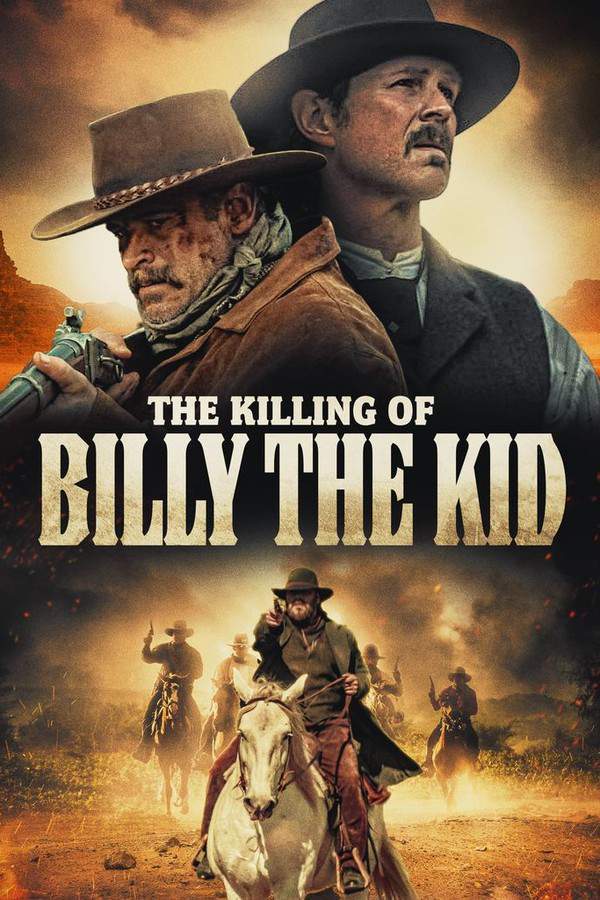


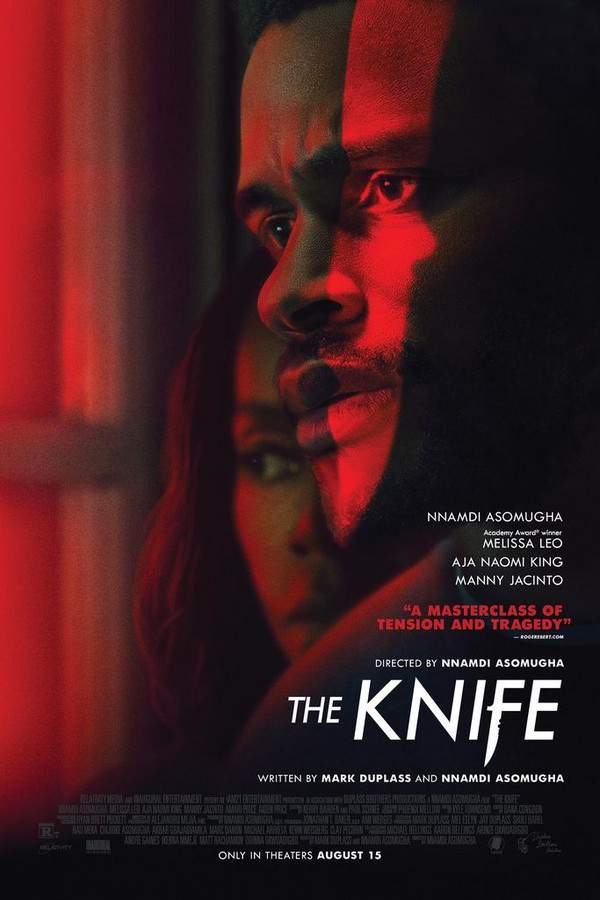
Quick Links: Summary, Cast, Ratings, More

What's After the Movie?
Not sure whether to stay after the credits? Find out!
Check out our other apps:

SAT Sphere
Build confidence for the Digital SAT.

Mori Atlas
Discover wild places worth protecting.

Luntero
Search smarter for a home in Amsterdam.

Plot Explained
Unravel movie endings and hidden clues.

Pokechamp
Dive into Pokémon data and battle logic.

Driving Theory
Get ready for your European theory test.

Movie Dust
Plan your next cinema trip with ease.

Musemap
Find art and culture as you travel.

Selkobase
Compare credentials before committing.

Local Manual
Turn an unfamiliar country into practical next steps.

Lernavi
Compare school systems before your next move.

GymRoam
Find a workout stop wherever your plans take you.
Explore Our Movie Platform
New Movie Releases (2026)
Famous Movie Actors
Top Film Production Studios
Movie Plot Summaries & Endings
Major Movie Awards & Winners
Best Concert Films & Music Documentaries
Movie Collections and Curated Lists
© 2026 What's After the Movie. All rights reserved.
Privacy Policy