
Sleuth (1972): Cast & Plot
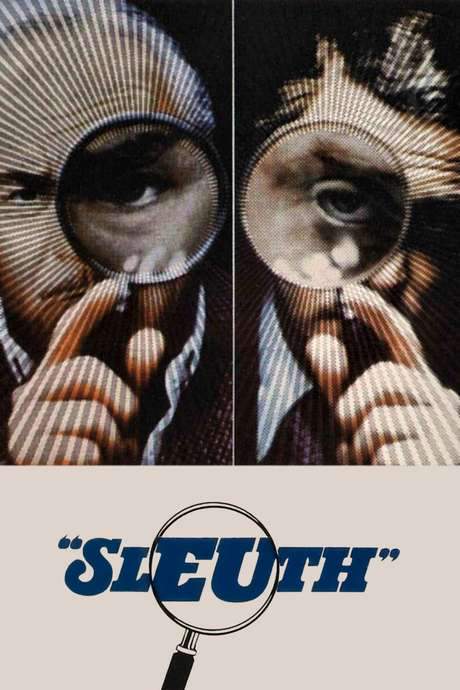
Sleuth is a 1972 crime thriller directed by Joseph L. Mankiewicz, starring Laurence Olivier as Andrew Wyke, Michael Caine and Eve Channing. It is based on Sleuth by Anthony Shaffer. It runs 2 hours 18 minutes.
- Released
- Runtime
- 2h 18m (138 min)
- Director
- Joseph L. Mankiewicz
- Original language
-
 English
 - Based on
- Sleuth by Anthony Shaffer
- After the credits
- No No extra scene
What Is Sleuth About?
The premise of Sleuth without spoilers, adapted from Sleuth by Anthony Shaffer. The whole story is in the plot summary further down.
Envisioning the perfect crime, a man obsessed with games and theatrical deception lures his wife’s lover to his home, turning a seemingly simple meeting into an elaborate battle of wits. As each tries to outmaneuver the other, the contest spirals toward increasingly dangerous, potentially lethal consequences.
Sleuth Themes & Keywords
· 50 tags- battle of wits
- chamber thriller
- mind game
- suspense
- frame up
- surprise ending
- mg car
- dartboard
- automaton
- ladder
- racism
- hand mirror
+38 more Show fewer
- caviar
- clown shoes
- rolex
- cellar
- safe
- staircase
- stocking
- police car
- doll
- coal
- literature on screen
- european literature on screen
- british literature on screen
- 20th century literature on screen
- crime literature on screen
- british crime literature on screen
- twisted thriller
- cat and mouse game
- small cast
- unseen character
- rivalry
- rival
- bechdel test failed
- reference to edgar allan poe
- metafiction
- husband murders his wife's lover
- stage thriller
- trapped
- lethal game
- marital infidelity
- intimacy
- based on a stage play
- olivier and caine
- howdunit mystery
- dynamite
- bullseye
- reference to fu manchu
- reference to lizzie borden
Sleuth Cast & Characters
Laurence Olivier leads the cast as Andrew Wyke, with Michael Caine as Milo Tindle and Eve Channing as Marguerite Wyke. Directed by Joseph L. Mankiewicz; 6 actors are credited in all.
-
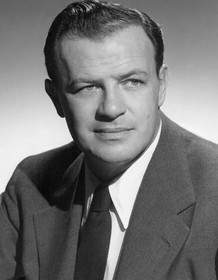 Director Joseph L. Mankiewicz
-
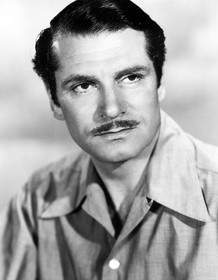 Laurence Olivier as Andrew Wyke
 -
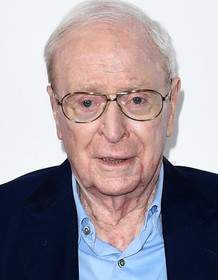 Michael Caine as Milo Tindle
 - Eve Channing as Marguerite Wyke
- Alec Cawthorne as Inspector Doppler
Also Starring in Sleuth
· 2 more- John Matthews Detective Sergeant Tarrant
- Teddy Martin Police Constable Higgs
Sleuth Plot Summary
What happens in Sleuth from start to finish, spoilers included, with a timeline of 12 key events. The opening is below; the full summary is a 5-minute read.
Spoilers ahead
In a creaking country manor that feels thick with secrets, Andrew Wyke, a renowned crime fiction author, fills his home with meticulously arranged games, automata, and hints of a life lived on the edge of illusion. He invites his wife’s lover, Milo Tindle, a two-salon entrepreneur who hasn’t yet found steady financial footing, to his house with a startling proposition: he wants Milo to take his wife, Marguerite Wyke, off his hands so he can pursue his younger, more glamorous mistress, Téa. The setup feels almost theatrical, like a trap disguised as hospitality, and Wyke’s invitation comes with a dangerous bargain: Milo should steal valuable jewellery from the house, and Wyke will recoup the loss through an insurance claim.
Full summary
The whole story of Sleuth, scene by scene
Sleuth Trailers & Videos
The trailer of Sleuth.
How Well Do You Know Sleuth?
10 questions about the story, each with a hint if you get stuck. Pick an answer to see whether you were right.
Question 1 of 10
- Question 1: not answered
- Question 2: not answered
- Question 3: not answered
- Question 4: not answered
- Question 5: not answered
- Question 6: not answered
- Question 7: not answered
- Question 8: not answered
- Question 9: not answered
- Question 10: not answered
Who directed the 1972 film *Sleuth*?
Cars in Sleuth
2 cars on screen: the 1972 MG B and the 1968 Rover 3500 MkI P6B.
-
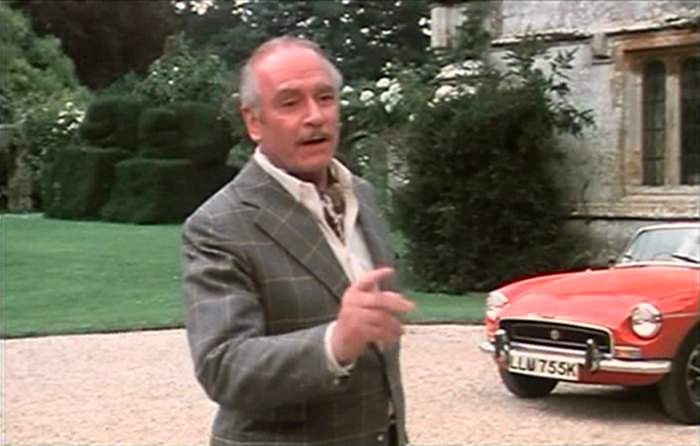 1972 MG B Important role
 -
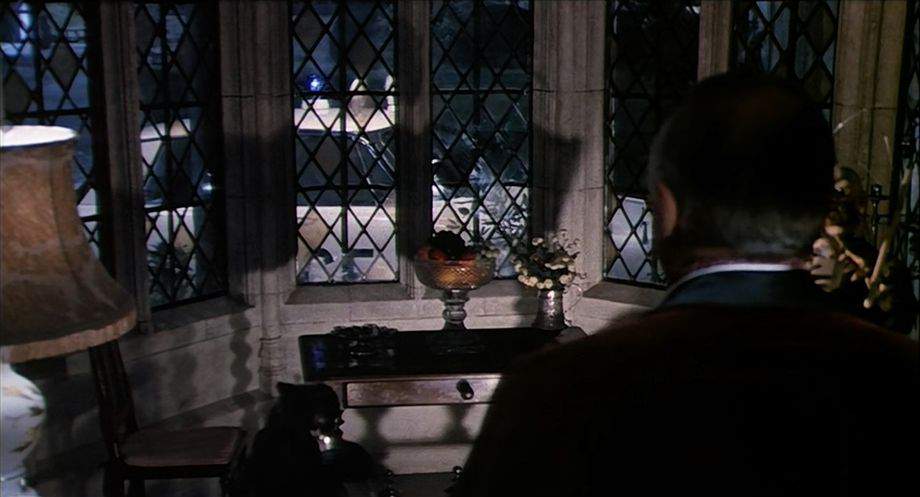 1968 Rover 3500 MkI P6B Background role
Sleuth Also Known As
27 alternative titles, including “La huella” and “侦察”.
- Also known as
-
- La huella
- 侦察
- Le Limier
- Mord mit kleinen Fehlern
- 발자국
- Gli insospettabili
- Autópsia de Um Crime
- Pirullista peliä
- Игра навылет
- Slídil
- 足迹
- Sleuth - Spårhunden
+15 more Show fewer
- A mesterdetektív
- Παιχνίδια Μυαλού
- משחקי בילוש
- Trama Diabólica
- Kanlı Şaka
- Копой
- Нишпорка
- 偵探
- کارآگاه
- Detektyw
- Juegos macabros
- 探偵スルース
- L’empremta
- Dobbeltspil
- تصيد
Seen Sleuth?
Movies Like Sleuth
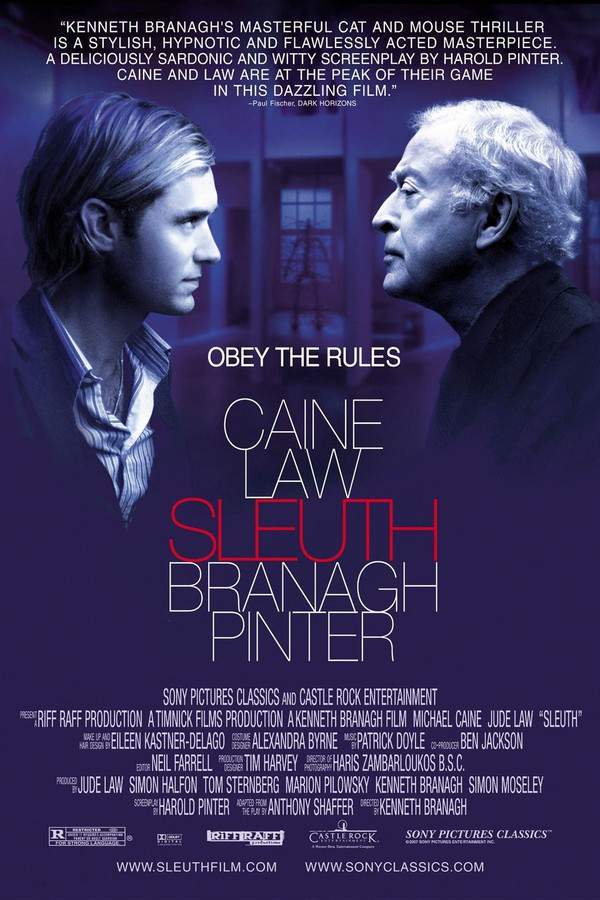
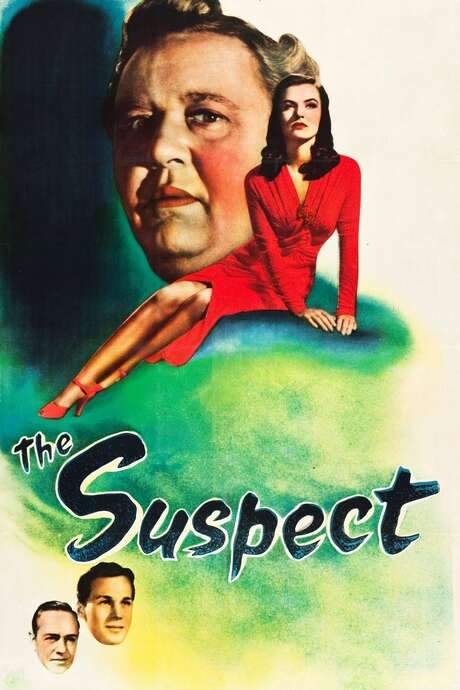
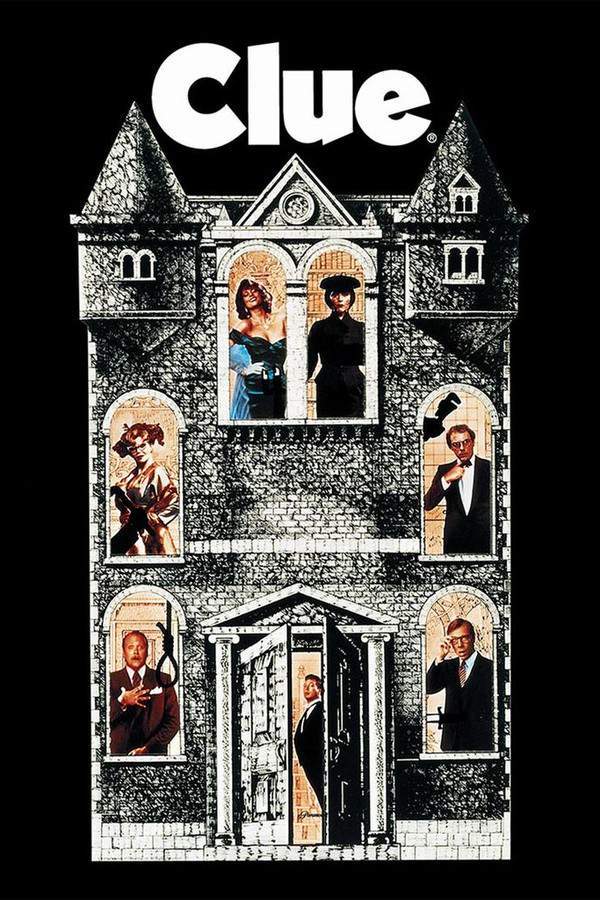
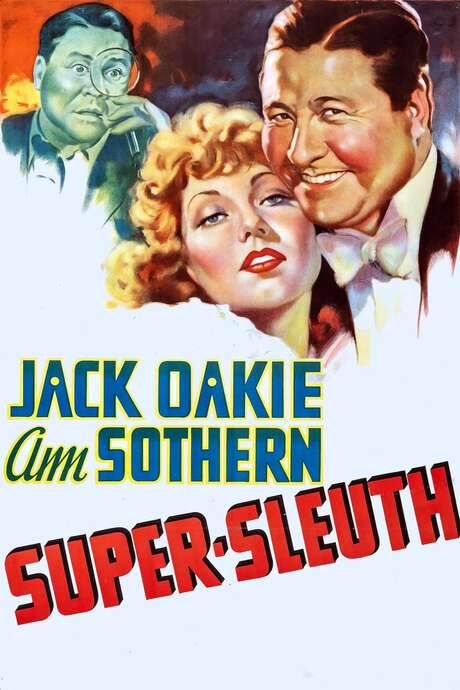
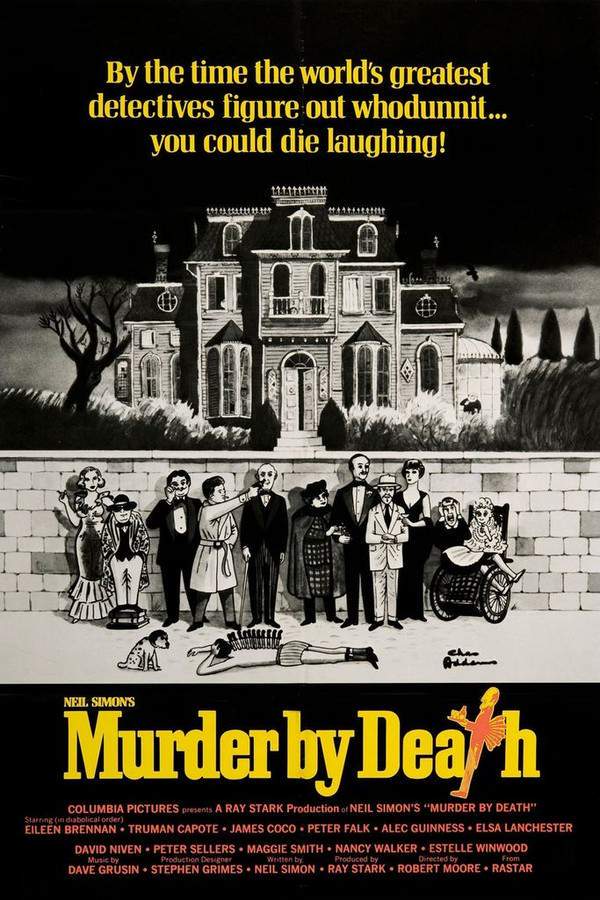
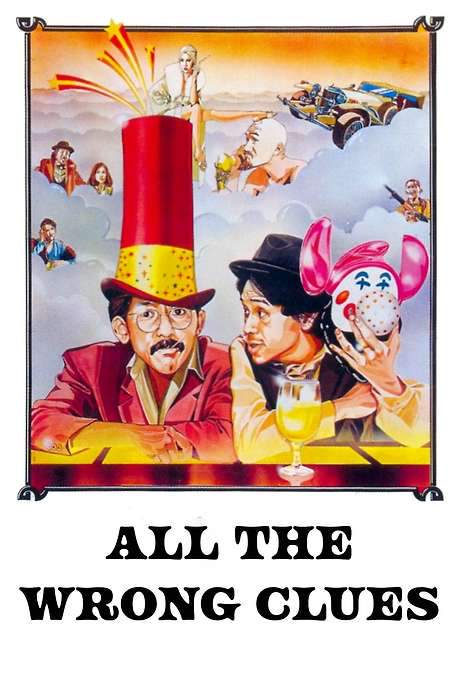
Films with a similar story, tone or audience, including Sleuth, The Suspect and Clue.
Sleuth FAQ: Cast, Runtime & Release Date
Runtime, release date, director, cast, the book behind it and post-credit scenes of Sleuth, each answered in a sentence.
How long is Sleuth?
Sleuth runs 2 hours 18 minutes (138 minutes).
When was Sleuth released?
Sleuth was released on December 10, 1972.
Who directed Sleuth?
Sleuth was directed by Joseph L. Mankiewicz.
More films by Joseph L. Mankiewicz Who is in the cast of Sleuth?
Sleuth stars Laurence Olivier as Andrew Wyke, Michael Caine as Milo Tindle and Eve Channing as Marguerite Wyke, among 6 credited actors.
Is Sleuth based on a book?
Yes. Sleuth is adapted from Sleuth by Anthony Shaffer.
Does Sleuth have a post-credit scene?
No. Sleuth has no extra scene during or after the credits.
Coming soon to your phone
The Plot Explained Movie Summary App
From blockbusters to hidden gems: plot summaries, endings explained and timelines on your phone. Save your favorites and never miss a twist again.
Be the first to know when it launches. Your email stays private, always. Learn more about the app
