
The Narrow Margin 1952


Directed by
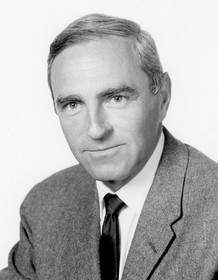
Richard Fleischer
Made by
RKO Radio Pictures
Where to Watch The Narrow Margin
See current US streaming, rental, and purchase options for The Narrow Margin (1952) via JustWatch.








The Narrow Margin Plot Summary
Read the complete plot summary and ending explained for The Narrow Margin (1952). From turning points to emotional moments, uncover what really happened and why it matters.
On a tense train journey from Chicago to Los Angeles, Det. Sgt. Walter Brown [Charles McGraw] and his partner, Det. Sgt. Gus Forbes [Don Beddoe], are assigned to protect Frankie Neall [Marie Windsor], the widow of a mob boss, who is traveling to testify before a grand jury. She also carries a payoff list that belonged to her murdered husband, and the mob will stop at nothing to intercept it. The threat of interception hangs over every car as the carriages roll toward California, and Brown knows that the mob will try to twist fate to recover the list.
Early trouble erupts when a mob assassin, Densel [Peter Virgo], ambushes the pair, wounding Forbes fatally as Densel makes a narrow escape. At the station, Brown discovers he’s being tailed by gangsters and must stay one step ahead. With the help of a train conductor [Harry Harvey], a man named Joseph Kemp [David Clarke] boards the train under the pretense of looking for lost luggage and becomes a dangerous, unpredictable factor in Brown’s mission. Kemp moves through the compartments with a purpose, and his presence shifts the balance of trust aboard the car. He even attempts to approach the next compartment that houses Mrs. Neall, forcing Brown to improvise and keep the truth hidden for the moment.
As Brown guards the truth, Vincent Yost [Peter Brocco] surfaces as a smooth-talking mobster who tries to bribe him into pointing out Neall and abandoning his post, appealing to both greed and fear. Brown refuses the bribe, insists on principle, and even warns that he is under arrest for bribery—an assertion Yost brushes off, dismissing jurisdiction and trying to minimize the risk by joking about family loyalties. The tension tightens like a noose around the train.
Along the way, Brown befriends passenger Ann Sinclair [Jacqueline White] and her young son Tommy [Gordon Gebert], offering a rare moment of humanity amid danger. Kemp notices Brown with Ann and jumps to the conclusion that she is Neall, prompting a confrontation in which Brown knocks Kemp out and hands him over to railroad agent Sam Jennings [Paul Maxey], then races to warn Ann about the danger he believes she faces. The twist begins to sharpen: Densel has boarded the train at La Junta, Colorado, and follows Jennings, freeing Kemp to continue the pursuit.
Brown tries to explain to Ann that the mobsters on board mistake her for Neall and intend to kill her. In a turn of revelations, Ann reveals the truth about her own identity, and the web of deception deepens. The plot thickens as the real widow and a decoy complicate the mission: the undercover Chicago policewoman Sarah Meggs plays a crucial role as a test of Brown’s devotion to duty, while Ann Sinclair carries the burden of being the actual widow with the payoff list already mailed to the Los Angeles District Attorney.
As the chase roars toward its climax, Kemp and Densel search Brown’s compartment for the list and stumble upon the fake Neall in the adjoining unit. Densel locks himself in with Ann and sinks to a deadly demand for the payoff list. Brown and Jennings arrive just in time; Brown uses a clever aim, shattering the moment with a well-placed shot through the door to stop Densel, who is finished. Kemp makes a last rush toward the trailing car, but the authorities close in and arrest the accomplices.
The journey ends as the train pulls into Los Angeles. Brown escorts Ann to a waiting police car, but Ann makes a bold choice: she walks the two blocks toward the grand jury, unafraid to face the courtroom door-to-door, with Brown standing by her side, arm in arm, ready for whatever comes next. The case moves from the moving steel corridor to the formal halls of justice, where truth and duty collide in a final, hopeful stride.
The Narrow Margin Timeline
Follow the complete movie timeline of The Narrow Margin (1952) with every major event in chronological order. Great for understanding complex plots and story progression.
Assignment and departure from Chicago
Detective Brown and Sergeant Forbes are assigned to protect Frankie Neall, a mob boss's widow, as she travels from Chicago to Los Angeles to testify before a grand jury. They accompany her as they leave her apartment, aware the mob will try to intercept the payoff list. The mission starts under a cloud of danger.
Mob ambush and Forbes' death
As they leave the apartment, mob assassin Densel ambushes the group. Forbes is shot to death, and Densel escapes, possibly wounded by Brown. Brown survives but realizes the danger has only begun.
Conductor Kemp joins the case on the train
At the train station, conductor Joseph Kemp enters Brown's compartment under the pretense of finding lost luggage. The encounter marks the start of a tense cat-and-mouse game aboard the train. Brown remains wary of Kemp's true intentions.
Kemp searches rooms; Brown misleads
Kemp searches the compartments but finds nothing suspicious. Brown moves to the dining car to mislead him, hoping to keep Neall safe and unobserved. The search delays the mob's plan while the danger tightens on the train.
Bribe attempt from Vincent Yost
Mobster Vincent Yost attempts to bribe Brown to reveal Neall's location and abandon her. Brown refuses and warns him he is acting under arrest for bribery, but Yost dismisses the claim and implies Brown's doubts about jurisdiction. The encounter underscores the moral peril Brown faces on the rails.
Brown befriends Ann Sinclair and Tommy
Brown befriends passenger Ann Sinclair and her young son Tommy, becoming a protective ally. Kemp spots Brown with Ann and concludes she is Neall, adding a layer of mistaken identity to the journey. The companionship also places Ann in the crosshairs of the mob.
Confrontation over mistaken identity
After a confrontation, Brown beats Kemp and takes him to a railroad agent, then hurries to warn Ann about the danger. The mob's plan hinges on misidentifying Neall, creating tension as the truth looms closer. The danger escalates with each stop.
La Junta stop and Densel's boarding
During a stop at La Junta, Colorado, Densel boards the train and waylays Jennings, freeing Kemp. The mob's pursuit intensifies as the train continues toward Los Angeles. Brown remains on edge, knowing the payoff list is at stake.
Ann reveals the real widow and the decoy twist
Ann reveals she is the real widow, while the undercover Chicago policewoman Sarah Meggs acts as a decoy and test of Brown's devotion. The plot twist reframes who Brown has been protecting and why the mob remains so determined. The payoff list has already been mailed to the Los Angeles District Attorney.
Densel shoots the decoy
As Brown and Jennings try to intervene, Densel shoots the decoy in the adjoining compartment after a struggle over the fake Neall. The violent turn raises the stakes and confirms the mob's ruthless resolve. Kemp resumes coordination with accomplices in a trailing car.
Brown outmaneuvers Densel
Brown uses a window reflection from the train to gain a clear shot and fires through the door, killing Densel. Kemp jumps off the train to reach the mob's trailing car, but the would-be conspirators are quickly arrested. The immediate threat on the train is neutralized.
Arrival in Los Angeles and grand jury decision
The train arrives in Los Angeles and Brown escorts Ann toward an awaiting police car. Ann chooses to walk the two blocks straight to the grand jury, symbolizing a stand against intimidation. The two make their way toward the courthouse arm in arm.
Payoff list secured and mob plan foiled
The payoff list has been mailed to the Los Angeles District Attorney, ensuring the mob cannot use it to extort or silence witnesses. With the threat receding, Brown's protection mission concludes with the case moving forward. The mob's intercept attempt ends in defeat as the law closes in.
The Narrow Margin Characters
Explore all characters from The Narrow Margin (1952). Get detailed profiles with their roles, arcs, and key relationships explained.
Det. Sgt. Walter Brown (Charles McGraw)
A gritty LAPD detective whose calm, relentless professionalism anchors the film. He faces aggressive mobsters, bribery, and the moral weight of protecting a potential witness. Courage, pragmatism, and stubborn loyalty define his approach as he pursues truth on a moving target.
Mrs. Frankie Neall (Marie Windsor)
The mob boss's widow who travels under threat and carries the payoff list. She embodies vulnerability under pressure but also resolve, serving as a key catalyst for the pursuit and the moral stakes of the case. Her fate becomes entwined with Brown’s duty to protect and reveal the truth.
Ann Sinclair (Jacqueline White)
A passenger who appears to be the widow but is revealed to be the decoy, while actually being connected to the undercover identity. She embodies wit, resilience, and a test of Brown’s trust under pressure. Her presence drives the train’s suspense and ultimate resolution.
Tommy Sinclair (Gordon Gebert)
Ann's young son who becomes a focal point of Brown’s protective instinct. His innocence heightens the stakes and adds emotional urgency to the confrontation with the mob.
Densel (Peter Virgo)
A ruthless mob assassin whose presence drives direct danger on the train. He matches Brown’s cunning with lethal determination, making every encounter a test of nerve.
Vincent Yost (Peter Brocco)
A mobster who embodies bribery and intimidation in his bid to disrupt the investigation. His confidence and manipulation contrast with Brown’s steadfast resolve.
Sam Jennings (Paul Maxey)
Railroad agent who serves as an ally in the pursuit, navigating the complexities of the train’s movement and the investigation. He collaborates to keep the rightful witness safe and to bring the criminals to justice.
Joseph Kemp (David Clarke)
A conspiratorial figure who colludes with the mob, initially evading Brown’s suspicions. His actions escalate the danger as the plot unfolds aboard the train.
Det. Sgt. Gus Forbes (Don Beddoe)
Brown’s partner who shares the burden of the case and loses his life to the mob’s ambush. His sacrifice frames the personal cost of crime-fighting.
Train Conductor (Harry Harvey)
A helpful railway worker who becomes a key ally, aiding Brown as the chase intensifies. He helps navigate the tension and protect the passengers.
The Narrow Margin Settings
Learn where and when The Narrow Margin (1952) takes place. Explore the film’s settings, era, and how they shape the narrative.
Time period
The narrative fits a mid-20th-century crime thriller rhythm, with contemporary police procedures and rail travel as core elements. The on-train pursuit and urban station environments reflect era-specific modes of suspense and investigation. The tone mirrors classic noir storytelling, emphasizing tension, fast dialogue, and fleeting chances for escape.
Location
Chicago, Illinois, La Junta, Colorado, Los Angeles, California
The story largely unfolds aboard a passenger train traveling from Chicago to Los Angeles, serving as a moving stage for chase and confrontation. Key scenes occur at a train station in Los Angeles and during a Colorado stop in La Junta, plus the dining car and a restroom where secrets are kept. The setting contrasts the claustrophobic pressure of a single carriage with the openness of the American Southwest.
The Narrow Margin Themes
Discover the main themes in The Narrow Margin (1952). Analyze the deeper meanings, emotional layers, and social commentary behind the film.
🛡️
Duty and Integrity
Brown remains unwavering in his duty to protect a civilian while upholding the law, even under mob pressure and corruption. The narrative tests his ethics through bribes, threats, and the lure of an easy payoff. His resolve culminates in the decision to stand by the path to justice at the grand jury.
🕵️
Mistaken Identity
The mob misidentifies Ann as Neall, triggering suspense and misdirection on the moving train. Brown must navigate misreads and deception under extreme danger, risking innocents for the truth. The twist reveals who is truly the widow and who is undercover, challenging trust throughout.
🔥
Courage Under Fire
Passengers and investigators confront lethal peril in a crowded train carriage, with Brown acting decisively under fire. He uses quick thinking and tactical advantage—like shooting through a door and using reflections—to thwart the killer. The climactic moments celebrate bravery and the willingness to protect others at all costs.

Coming soon on iOS and Android
The Plot Explained Mobile App
From blockbusters to hidden gems — dive into movie stories anytime, anywhere. Save your favorites, discover plots faster, and never miss a twist again.
Sign up to be the first to know when we launch. Your email stays private — always.
Explore the mobile appThe Narrow Margin Spoiler-Free Summary
Discover the spoiler-free summary of The Narrow Margin (1952). Get a concise overview without any spoilers.
A rattling steel dragon snakes its way from Chicago to Los Angeles, turning the cramped, clattering cars into a moving stage where every glance feels loaded and every whisper could be the next clue. The government has tasked a hard‑nosed detective with a singular, high‑stakes assignment: keep a mob widow safe on the long, isolated ride, because her silence could mean a fortune, while failure could cost him a bullet. The constant hum of the locomotive blends with the flicker of low‑light lamps, creating a tense, noir‑colored tunnel where law and danger travel side by side.
Walter Brown is the embodiment of that gritty resolve, a veteran cop who trusts his instincts more than paperwork, and his partner Gus Forbes offers a steady, if weary, complement to his relentless drive. Together they must navigate a world that feels both public and claustrophobically private, as the train’s endless compartments become a chessboard of hidden motives. Their charge, Frankie Neall, carries the weight of a past she cannot escape, and the mere act of shielding her transforms a routine escort job into a psychological duel with unseen forces lurking in the shadows of each carriage.
Amid the steel and steam, a few unlikely companions emerge—a sympathetic conductor who knows every secret hinge of the train, and a fellow passenger, Ann Sinclair, whose quiet kindness hints at a humanity the detectives rarely encounter on the job. The atmosphere crackles with a blend of weary camaraderie and razor‑sharp suspense, promising that every stop, every whispered conversation, could shift the balance between safety and catastrophe. In this relentless journey, the line between protector and prey blurs, leaving the crew to wonder just how far they’ll go before the train’s final destination forces a reckoning.
Movies with Similar Twists and Themes
Uncover films that echo the narrative beats, emotional arcs, or dramatic twists of the one you're exploring. These recommendations are handpicked based on story depth, thematic resonance, and spoiler-worthy moments — perfect for fans who crave more of the same intrigue.
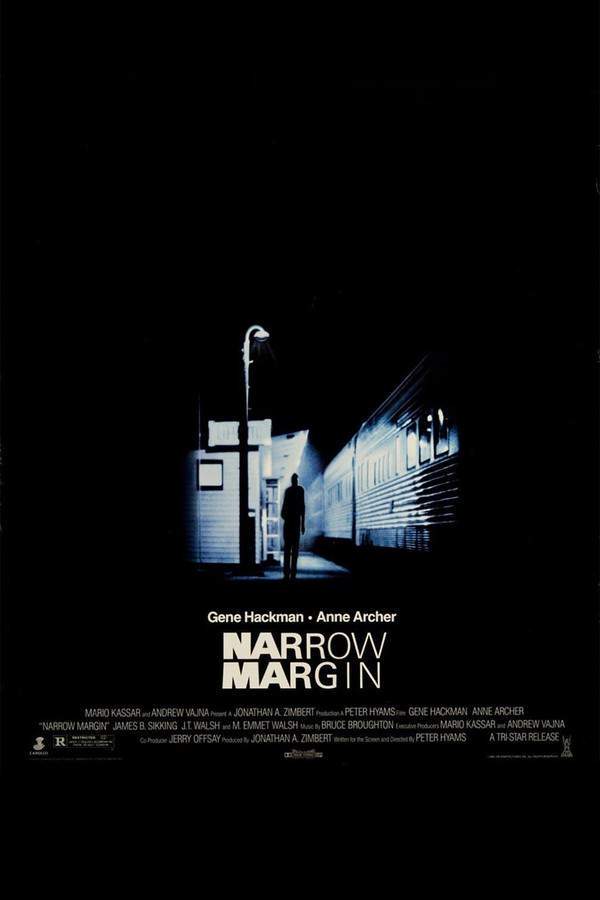


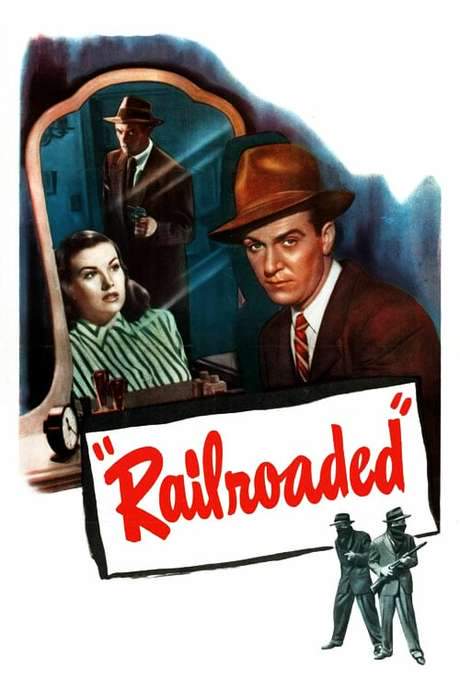

Featured on this page

What's After the Movie?
Not sure whether to stay after the credits? Find out!
Check out our other apps:

SAT Sphere
Build confidence for the Digital SAT.

Mori Atlas
Discover wild places worth protecting.

Luntero
Search smarter for a home in Amsterdam.

Plot Explained
Unravel movie endings and hidden clues.

Pokechamp
Dive into Pokémon data and battle logic.

Driving Theory
Get ready for your European theory test.

Movie Dust
Plan your next cinema trip with ease.

Musemap
Find art and culture as you travel.

Selkobase
Compare credentials before committing.

Local Manual
Turn an unfamiliar country into practical next steps.

Lernavi
Compare school systems before your next move.

GymRoam
Find a workout stop wherever your plans take you.
Explore Our Movie Platform
New Movie Releases (2026)
Famous Movie Actors
Top Film Production Studios
Movie Plot Summaries & Endings
Major Movie Awards & Winners
Best Concert Films & Music Documentaries
Movie Collections and Curated Lists
© 2026 What's After the Movie. All rights reserved.
Privacy Policy