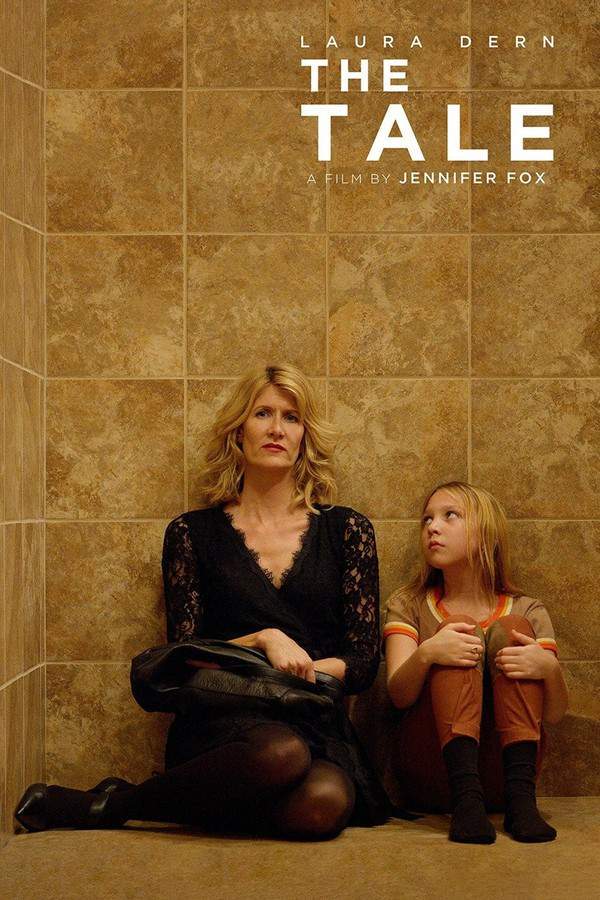
What Is The Tale About?
The premise of The Tale in 377 words, with nothing given away. The full story follows below.
In the midst of a bustling career documenting women’s stories from distant lands, Jenny Fox moves between the raw intensity of a protest in Africa and the quieter, more intimate corridors of her own life. As a seasoned documentary filmmaker in her late forties, she balances the weight of powerful narratives with the subtleties of an interracial partnership with Martin, whose steady presence offers both comfort and the occasional push toward deeper honesty. The film opens with a sense of purposeful urgency, framing Jenny’s professional world as one where the pursuit of truth is both a calling and a constant negotiation.
A seemingly ordinary phone call from her aging mother Nettie upends that balance, bringing to light an old school essay written when Jenny was thirteen. The rediscovery of that fragile piece of writing serves as a portal back to a sun‑drenched childhood spent on a horse farm in the Carolinas, where summer weeks unfolded like a vintage Super‑8 reel. There, two charismatic adults—Mrs. G, a magnetic presence whose charisma lingered long after the camp’s fences closed, and Bill Allens, a demanding coach known simply as “Naga”—held sway over the young, impressionable girls, shaping desires, ambitions, and the way they saw themselves in relation to the world.
Compelled to revisit those formative days, Jenny reaches out to Franny, a former camp mate now running her own farm, and together they walk the familiar paddocks that still hold the echo of whispered promises and unanswered questions. The atmosphere swells with the quiet tension of memory, where the scent of hay and the rhythm of hooves become a conduit for exploring how past influences linger in present choices. The film’s tone balances the stark realism of Jenny’s current activism with a nostalgic, almost dream‑like reverie of her youth, inviting viewers to contemplate the subtle ways our earliest bonds shape the narratives we later tell.
Through its measured pacing and lyrical visual style, the story paints a portrait of a woman poised between the external quest for justice and an inward journey toward understanding. It hints at hidden currents beneath the surface of cherished recollections, suggesting that confronting the shadows of one’s past can become a powerful catalyst for personal renewal—without ever stepping beyond the delicate premise of memory’s call.
What Happens in The Tale?
The complete story of The Tale, from the first scene to the last, in 635 words (about 3 minutes). Spoilers throughout. Names in the text link to 6 cast member pages.
Spoilers ahead
Based on the real-life experiences of director Jennifer Fox, this poignant film introduces us to Jennifer “Jenny” Fox, portrayed by Laura Dern, an accomplished documentary filmmaker in her late forties. Jenny is currently engrossed in a project capturing the harrowing stories of women and girls in third-world countries who have faced sexual assault or harassment. While attending a women’s rights protest in Africa, she decides to participate, despite warnings of potential violence. Alongside her professional life, she juggles personal issues in her interracial relationship with her caring boyfriend Martin, played by Common, as they navigate the complexities of commitment and intimacy.
The narrative takes a turn when Jenny’s elderly mother, Nettie, performed by Ellen Burstyn, reaches out in distress after discovering a school essay Jenny wrote in the 1970s at the age of thirteen. The essay discusses a troubling “relationship” with an older boyfriend, which Jenny brushes off as merely upsetting to her mother. This triggers a series of nostalgic flashbacks to her childhood, depicted in a tender, almost dream-like manner reminiscent of a vintage Super 8 home movie. As she revisits this time, she grapples with feelings of being a shy, overlooked girl in a household rife with conflict.
Jenny’s pivotal childhood experience occurs during a transformative summer at an intense horse training camp, where she comes under the influence of the captivating Mrs. G, played by Elizabeth Debicki, and professional coach Bill Allens, portrayed by Jason Ritter. The dynamic at the camp is both thrilling and unsettling as Jenny recalls the elite group interacting with Bill, who insists on being called “Naga.” Years later, she seeks out another camp attendee, Franny, played by Chelsea Alden, now a strong and independent woman operating her own horse farm. Their reunion uncovers long-buried memories, including the impact of Mrs. G.’s deteriorating relationship with her husband and the trauma surrounding her late son, David.
As Jenny reconnects with her past, she tries her hand at riding again and navigates awkward recollections of her time at the camp. During a vibrant lunch with Mrs. G. and Bill, they confess to their romantic involvement, leading Jenny to promise to stay in contact. However, as her reminiscences deepen, she is haunted by troubling realizations about her summer with Bill, who begins to groom her for sexual exploitation, blurring the lines between affection and abuse.
Meanwhile, the present-day tensions escalate when Martin uncovers letters from Bill, compelling Jenny to confront the uncomfortable truth of her past, yet she is reluctant to label herself a victim. As she acknowledges her suppressed trauma and begins to piece together the puzzle of her youth, she recalls stories of other young women, like Iris Rose, who reveal a dark tapestry of manipulation orchestrated by Mrs. G. and Bill.
In her quest for closure, Jenny faces the painful confrontation with Mrs. G. in her home, where the elderly woman desperately tries to deflect attention away from their shared history. This poignant moment reflects Jenny’s internal struggle as she finally confronts the impact of the abuse on her adult relationships and sense of self-worth. She finds herself at odds with her childhood, grappling with the mixed feelings of denial and demand for truth.
The climax unfolds at an awards ceremony honoring the now elderly Bill, played by John Heard. As tensions surmount, Jenny confronts him publicly, igniting a moment of catharsis and exposing the deeply-rooted dysfunction that marred her youth. Caught in a flood of emotions, she realizes the profound truth of her experience—it was never her fault. In a heart-wrenching moment, she comes face to face with her younger self, ultimately recognizing her evolution from victim to advocate.
With a blend of nostalgia and painful reflection, the film encapsulates Jenny’s journey toward healing and empowerment, reminding audiences of the enduring strength found in confronting one’s past.
The Tale Timeline: Every Key Event in Order
13 key events in the order they happen, from “Introduction to Jenny Fox” to “Healing and Empowerment”. 4 events name a place, across 4 locations.
- 1
Introduction to Jenny Fox
The film introduces Jennifer 'Jenny' Fox, a documentary filmmaker in her late forties, portrayed by Laura Dern. She is deeply invested in documenting the experiences of women and girls in third-world countries who have faced sexual violence and harassment.
- 2
Women's Rights Protest
While in Africa for her documentary, Jenny attends a women’s rights protest. Despite warnings of potential violence, she chooses to participate, emphasizing her commitment to the cause and the narratives of the women she aims to highlight.
Where:Africa
- 3
Mother's Distress Call
Jenny’s aging mother, Nettie, reaches out after discovering an old essay Jenny wrote in the 1970s. The essay outlines a troubling relationship from her youth, triggering a wave of emotional memories as Jenny brushes away her mother's concerns.
- 4
Nostalgic Flashbacks
As Jenny reflects on her past, she experiences nostalgic flashbacks to her childhood characterized by conflict in her family. These memories evoke feelings of being a shy, overlooked girl, contrasting her current strength and ambitions.
- 5
Transformative Summer at Horse Camp
Jenny recalls a pivotal summer spent at an intense horse training camp, influenced by the charismatic Mrs. G. and coach Bill Allens. This summer becomes a cornerstone of her memories, intertwining joy with unsettling undertones.
When:Summer Where:Horse training camp
- 6
Reunion with Franny
Years later, Jenny reconnects with Franny, a former camp attendee who has since become an independent woman running her own horse farm. Their meeting brings back long-buried memories, shedding light on their past experiences.
Where:Franny's horse farm
- 7
Awkward Recollections
As Jenny attempts to ride again, her memories of horse camp surface, filled with awkwardness and nostalgia. A lunch with Mrs. G. and Bill reveals deeper insights into their complex relationships and shared histories.
- 8
Realizations about Abuse
During lunch, Jenny learns of Bill and Mrs. G.'s romantic involvement, raising troubling realizations about her own experiences. As she reflects, she begins to understand the manipulative grooming that blurred lines between affection and abuse.
- 9
Martin's Discovery
In the present, Jenny’s boyfriend Martin uncovers letters from Bill that compel her to address the uncomfortable truths of her past. This revelation forces Jenny to confront her experiences, challenging her reluctance to see herself as a victim.
- 10
Confronting Mrs. G.
In a painful confrontation, Jenny visits Mrs. G., who attempts to divert attention from their shared history. This significant moment illustrates Jenny's struggle as she seeks truth about her childhood trauma and its ramifications.
Where:Mrs. G.'s home
Show the other 3 events of The Tale Hide the last 3 events
- 11
Awards Ceremony Confrontation
The climax occurs at an awards ceremony for the elderly Bill, where Jenny publicly confronts him. This cathartic moment unveils the dysfunction and deep rooted issues from her youth, allowing her to reclaim her narrative.
When:At the awards ceremony
- 12
Recognition of Her Journey
Following the confrontation, Jenny faces her younger self in a poignant realization that mirrors her evolution from a victim to an advocate. This moment emphasizes the importance of recognizing one's past to heal and empower.
- 13
Healing and Empowerment
The film concludes with Jenny embracing the strength found in confronting her past. Her journey reflects a resilient pursuit of healing, advocating for herself and others who have endured similar experiences.
Who Are the Main Characters in The Tale?
5 characters, among them Jennifer 'Jenny' Fox (Laura Dern), Martin (Common) and Mrs. G (Elizabeth Debicki): who each one is and the part they play in the story. Every profile links to the actor’s page.
-

Jennifer 'Jenny' Fox (Laura Dern)
Played by Laura Dern
Jenny is an accomplished documentary filmmaker grappling with her past while striving to amplify the voices of marginalized women. Intelligent and compassionate, she navigates complex personal relationships and the weight of her childhood trauma. Her journey reflects resilience and an ongoing quest for truth and justice.
- 🎥 Filmmaker
- 🌹 Survivor
-
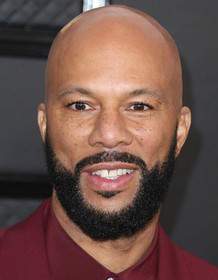
Martin (Common)
Played by Common
Martin is Jenny's caring boyfriend who provides a stabilizing influence amid her turmoil. He represents commitment and support but also challenges her to confront uncomfortable truths. His discovery of Jenny's past pushes her toward self-exploration and healing.
- 💞 Partner
- 🔍 Supportive
-

Mrs. G (Elizabeth Debicki)
Played by Elizabeth Debicki
Mrs. G is a charismatic but ultimately troubling figure from Jenny's past. As a coach, she is influential yet manipulative, playing a significant role in shaping Jenny's formative experiences. Her actions and relationship dynamics add layers to the story of exploitation and abuse.
- 🏇 Coach
- 🌪️ Manipulative
-

Bill Allens (Jason Ritter)
Played by Jason Ritter
Bill, also known as 'Naga,' is a coach at the horse training camp who mentors Jenny but later reveals a darker side. His grooming behavior towards Jenny blurs the lines between mentorship and exploitation, representing the complexities of adult relationships in a child's eyes.
- ⚖️ Manipulator
- 👔 Coach
-
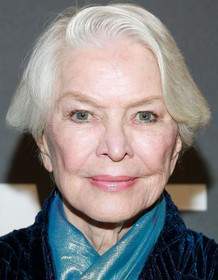
Nettie (Ellen Burstyn)
Played by Ellen Burstyn
Nettie is Jenny's elderly mother who symbolizes the emotional conflict within Jenny's family. Her concern about Jenny's past prompts a journey of reflection for both characters. She embodies the complexities of parental relationships and generational trauma.
- 👵 Mother
- 🌺 Concerned
Where and When Is The Tale Set?
The Tale is set in Africa and Horse Training Camp (1970s, Present Day). Here is why the time and place matter to the story.
When
1970s, Present Day
The film traverses between Jenny's retrospective memories from the 1970s, reflecting on her childhood experiences, and her present-day life as a filmmaker in her forties. The 1970s depict a time of social change and personal turmoil, while the contemporary timeline emphasizes ongoing struggles with past trauma and women's rights.
Where
Africa, Horse Training Camp
The story unfolds partially in Africa, where the protagonist attends a women's rights protest, highlighting challenges faced by women in third-world countries. A significant setting is the horse training camp, known for its intense training and emotional atmosphere, where Jenny experiences pivotal moments of her childhood and encounters the captivating yet complex figures of Mrs. G. and Bill.
- 🌍 Africa
- 🐎 Camp
What Are the Themes of The Tale?
2 ideas the story keeps returning to, among them Trauma and Empowerment.
-
01
Trauma
The theme of trauma pervades the narrative, showcasing Jenny's journey from her troubling childhood experiences to her present struggles. It delves into the complexities of memory, manipulation, and emotional aftermath, provoking a deeper understanding of the impacts of past abuse. The film invites audiences to confront these concealed wounds in a society that often silences survivors.
-
02
Empowerment
Empowerment is a central, uplifting theme as Jenny evolves from her relationship with her past to becoming an advocate for those affected by similar traumas. The narrative illustrates her journey toward self-acceptance and strength, culminating in her ability to confront her abuser and assert her truth. It emphasizes the importance of sharing one's story as a means of reclaiming agency.
What Kind of Film Is The Tale?
Dark in tone, with variable pacing and a moderate story, going by the plot summary.
- Tone
- Dark
- Pacing
- Variable
- Story
- Moderate
- Intensity
- High
- Ending
- Bittersweet
A deeply unsettling and reflective drama that slowly peels back layers of traumatic memory with a melancholic tone, leading to a tense and cathartic confrontation that is emotionally heavy but ultimately empowering.
- melancholic
- tense
- uneasy
- nostalgic
- cathartic
- sad
- child sexual abuse
- trauma recovery
- flashback narrative
- confronting the past
Content notes: child sexual abuse, sexual grooming, pedophilia, trauma, forced sex.
Quiz
How well do you remember The Tale? Test yourself on the story.