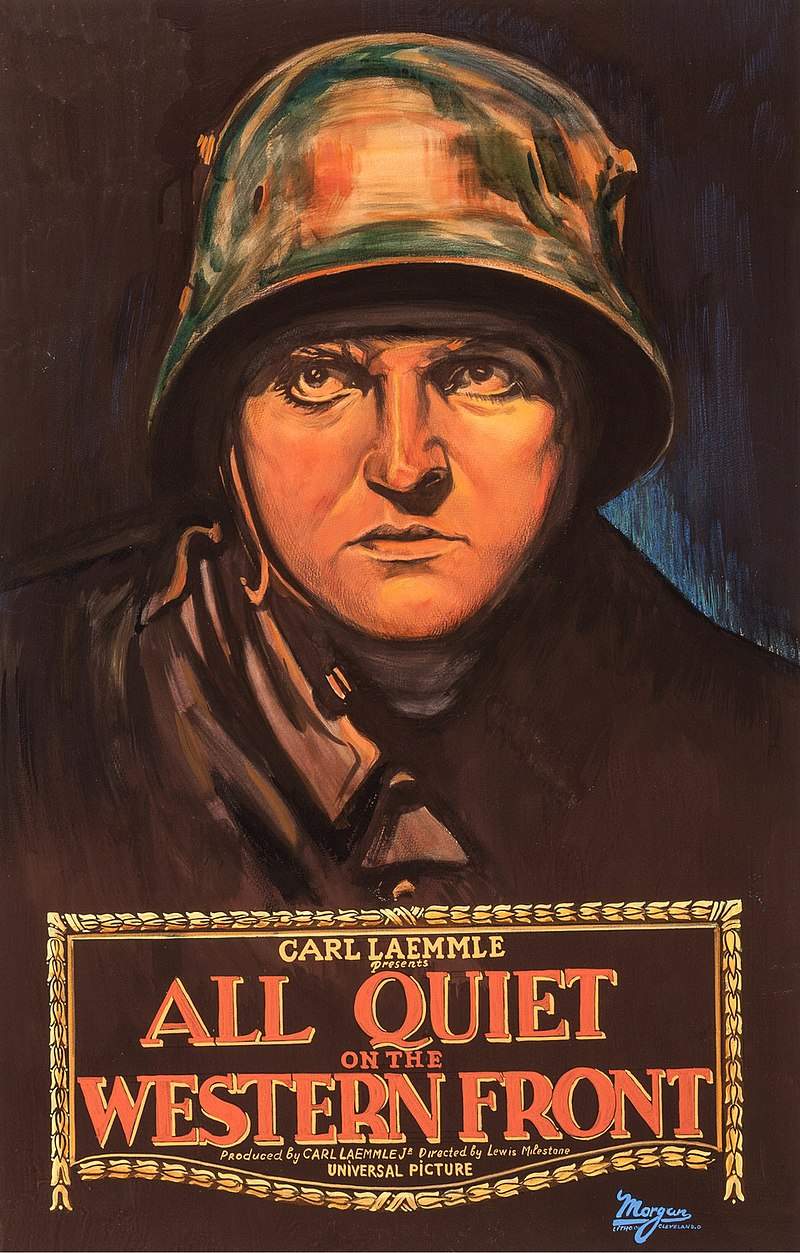
What Is The Road Back About?
The premise of The Road Back in 335 words, with nothing given away. The full story follows below.
In the quiet aftermath of the First World War, a weary band of German soldiers steps off the shattered battlefields and onto a road that leads back to a country forever altered. The film opens amid a landscape still marked by barbed wire and broken towns, yet the air is tinged with the tentative hope of peace. The atmosphere is both stark and lyrical, capturing the uneasy transition from the clatter of artillery to the hum of civilian life, while an undercurrent of lingering melancholy hints that the war’s echo will not be easily silenced.
At the heart of the story is a close‑knit platoon of veterans whose personalities make the group’s dynamic feel like a living portrait of post‑war Germany. Willy, the quick‑witted and loyal presence, brings a restless humor that lightens the heavy load of memory. Captain Von Hagen carries the weight of aristocratic command, his polished bearing a reminder of a world that once seemed unshakeable. The Corporal acts as the steady anchor, his pragmatic outlook offering a glimpse of stability amid chaos. The Lieutenant, still in uniform, wrestles with a bruised sense of identity as he confronts the shifting values of a society that has moved on without him.
Together they navigate a country where unemployment, political unrest, and the specter of revolution swirl around everyday moments of romance and youthful optimism. The film’s tone oscillates between poignant reflection and quiet resilience, using muted colors and lingering close‑ups to convey the inner scars that no battlefield can fully erase. Their interactions—shared cigarettes with former enemies, tentative conversations about the future—suggest both the possibility of reconciliation and the fragile nature of newfound peace.
As the veterans march forward, the narrative paints a portrait of a generation caught between the horrors they survived and the uncertain promise of tomorrow. The road they travel is both literal and symbolic, inviting the audience to wonder how the weight of history will shape their search for meaning, belonging, and a life beyond the shadows of war.
What Happens in The Road Back?
The complete story of The Road Back, from the first scene to the last, in 519 words (about 2 minutes). Spoilers throughout. Names in the text link to 2 cast member pages.
Spoilers ahead
A squad of German machine gunners on the Western Front faces a tense debate about when the Great War will end. Among them, Willy Andy Devine stands out as a quick-witted, loyal presence, while the aristocratic Captain Von Hagen John Emery leads with a poised, almost ceremonial air. The Corporal reveals a calendar that makes the soldiers pause: tomorrow is November 11, 1918. As the company launches another assault on French lines, both sides pay a terrible price in casualties, yet the Germans somehow seize a trench. Unbeknownst to the troops below, the Armistice is being signed at that very moment, and the news reaches them just after 11 am, reshaping the meaning of every sacrifice they’ve made. The moment of peace lands with a complicated ache, and the men must reckon with what their victory truly cost.
With the ceasefire in effect, the soldiers peel away from the line and march back toward Germany. On the road, they encounter members of the American Expeditionary Forces, sharing cigarettes and food across a fragile, unspoken camaraderie. The encounter underscores a sobering truth: both sides poured lives into a conflict that could not be easily unwound. When they roll into a small French hamlet, whispers of a German Revolution spread, and the platoon medic proclaims that the soldiers now seem to be in charge. The Captain’s stripes come off, but not everyone welcomes the change; the Revolution feels like a test of loyalties as the survivors press on, with the Captain stubbornly staying in command until the last march home.
Back in Germany, the veterans struggle to reassemble their lives after years spent in the frontlines. The Corporal manages to secure a stable marriage, a rare bright note in an era of upheaval. The Lieutenant faces a brutal insult to his sense of identity when violent anti-government elements attack him while he still wears his uniform; he is saved by the courage of his comrades, and he learns, with a sting of personal betrayal, that the woman he believed to be his fiancée has been unfaithful with a man who avoided service and built wealth as a wartime profiteer. The war has left deep, unseen scars, and many realize that Germany has changed in fundamental ways while they were away at the front.
As the story moves toward its climactic reckoning, the betrayed officer’s path ends in tragedy: he kills the wealthy profiteer and faces a murder trial. Several fellow soldiers rise to defend him, arguing that the older generation bears responsibility for the war’s horrors and that his act, though brutal, arose from a reserve of necessity built over four years of killing. They insist that returning to “normal” after such a long and brutal fight is a kind of fighting insanity, and they urge the court to see the act not as simple murder but as a consequence of an era that demanded impossible compromises. In the closing moments, the film casts a wary eye toward the future, voicing apprehension about global rearmament and the persistent pull of power that could ignite new cycles of conflict if left unchecked.
The Road Back Timeline: Every Key Event in Order
12 key events in the order they happen, from “Calendar reveals the impending end of war” to “Ending montage warns of future rearmament”. 12 events name a place, across 12 locations.
- 1
Calendar reveals the impending end of war
On the Western Front, the squad sits in their trench and discusses when the Great War might end. The Corporal reveals his calendar to the squad, showing that tomorrow will be November 11, 1918. The moment sows a mix of relief, disbelief, and grim determination as they brace for whatever comes next.
When:November 10, 1918 Where:Western Front trench
- 2
Assault on French lines and trench secured
That day the company launches an assault on French lines. Despite heavy casualties on both sides, the German squad manages to secure a trench they have fought for. The victory is pyrrhic, clouded by losses and the looming truth that the war may end soon.
When:November 11, 1918, morning Where:Western Front trench near French lines
- 3
Armistice is signed while fighting
At the same moment, Armistice negotiations are underway. The soldiers hear the news of the Armistice just after 11 am and pause amid the shelling to process the revelation. The ceasefire does not erase the blood already spilled that day.
When:November 11, 1918, shortly after 11:00 AM Where:Western Front
- 4
German withdrawal and return home begins
With the war effectively over, the Germans begin a long withdrawal from the front and start marching home to Germany. Along the road they encounter American Expeditionary Forces and exchange cigarettes and food as a brief, human moment of kinship. The soldiers reflect on how senseless the killing has been, realizing both sides suffered and survived for little immediate gain.
When:November 1918 Where:Road from Western Front to Germany
- 5
Futile camaraderie with the Americans
As the column moves through France, they form small, temporary bonds with American soldiers and share cigarettes and rations. The encounter underscores the shared humanity amid a war that has ravaged both sides. The mood shifts from battlefield tension to wary, mutual respect in the shadow of peace.
When:November 1918 Where:Roadside encounters with American troops
- 6
Word of German Revolution reaches a French hamlet
Entering a small French hamlet, the squad learns of the German Revolution spreading back home. The platoon medic raves about soldiers being in charge, and the Captain removes his stripes, signaling a change in authority. Despite the upheaval, most soldiers remain focused on getting home rather than politics.
When:Late 1918 Where:Small French hamlet
- 7
Captain maintains leadership through the journey
The Captain remains in command as the remnants of the company press toward Germany. The dynamics of authority shift as the soldiers confront a new political reality but still depend on familiar military structure. The leadership carries the weight of both the past war and the uncertain peace.
When:Late 1918 Where:On the road home to Germany
- 8
Corporal begins life after war
In the months after the armistice, the surviving soldiers struggle to adjust to civilian life. The Corporal finds stability and begins a fortunate marriage as a foothold in the new world. Domestic life provides a contrast to the trauma endured at the front.
When:Early 1919 Where:Germany
- 9
Lieutenant attacked; fiancée revealed as unfaithful
The Lieutenant is attacked while still wearing his uniform and medals by a gang of socialist revolutionaries, and is saved by the rest of the squad. He then discovers that the woman he believed was his fiancée has been cheating on him with a war profiteer who avoided service. The incident exposes the fragility of personal relationships in postwar chaos.
When:Early 1919 Where:Germany, on the streets
- 10
Betrayed soldier kills the war profiteer; trial ensues
The betrayed soldier kills the wealthy war profiteer and is put on trial for murder. Several fellow soldiers speak in his defense, arguing that his action was driven by the brutality he endured. They insist the killing was not merely personal vengeance but a response to a system that profited from war.
When:1919 Where:Germany, courtroom
- 11
Defense argues that the older generation started the war
During the trial, the soldiers defend the young man by blaming the older generation for starting the conflict. They claim the act was not a first kill, but the only kill where the target directly harmed him, highlighting the moral ambiguity of settling scores after years of combat. The courtroom becomes a forum for generational blame as well as guilt.
When:1919 Where:Courtroom / public debate
- 12
Ending montage warns of future rearmament
The film closes by juxtaposing the soldiers' trauma with a broader warning about the dangers of global rearmament. The last moments express concern for a repeat of the cycle of violence and the ways peace can be fragile. It leaves viewers with a sober reflection on a world still primed for conflict.
When:Postwar era Where:World / global stage
Who Are the Main Characters in The Road Back?
8 characters, among them Willy (Andy Devine), Wessling (Noah Beery Jr.) and Tjaden (Slim Summerville): who each one is and the part they play in the story. Every profile links to the actor’s page.
-

Willy (Andy Devine)
Played by Andy Devine
A plucky squad member whose rough humor and easygoing nature provide a counterpoint to the grim reality of trench life. He embodies camaraderie and acts as a stabilizing presence within the unit as they face the approaching Armistice. His loyalty underscores the human bonds that persist after years of conflict.
- 🎖️ Soldier
- 🤝 Comrade
-
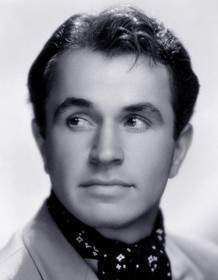
Wessling (Noah Beery Jr.)
Played by Noah Beery Jr.
A fellow soldier whose experience reflects the generation that endured the war and now confronts a world that is hard to decipher. His perspective helps illustrate the disorientation and changes that follow a long conflict. He represents the personal cost carried by veterans.
- 🎖️ Soldier
- 🧠 PTSD
-
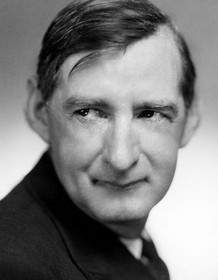
Tjaden (Slim Summerville)
Played by Slim Summerville
A veteran whose humor provides relief but also exposes the strains of returning to civilian life. He highlights how soldiers cope with trauma through humor and stubborn resilience.
- 🎖️ Soldier
- 😄 Humor
-

Captain Von Hagen (John Emery)
Played by John Emery
An aristocratic captain who maintains authority even as the war ends, holding the line until the remnants of his company return to Germany. His character embodies the old-world leadership that struggles to adapt to the new postwar order.
- 🎖️ Officer
- 🧭 Authority
- L(
Ludwig (Richard Cromwell)
Played by Richard Cromwell
The lieutenant who is attacked by revolutionaries yet saved by teammates, only to discover personal betrayals that shake his faith in romance and honor. He personifies the tension between loyalty to comrades and the moral costs of war.
- 🎖️ Soldier
- 🧠 Trauma
- J(
Judge (Robert Warwick)
Played by Robert Warwick
A key figure in the courtroom sequence where a veteran defends his actions after killing a war profiteer. He embodies the legal reckoning that follows wartime violence.
- ⚖️ Judge
- 🗣️ Authority
-
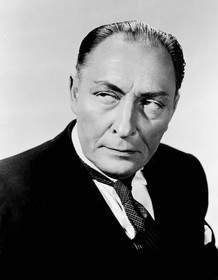
Prosecutor (Lionel Atwill)
Played by Lionel Atwill
The attorney who represents the state in the trial that questions the morality of violence in postwar Germany. His performance frames the legal and ethical debates central to the climax.
- ⚖️ Prosecutor
- 🗣️ Authority
- DA
Defense Attorney (Samuel S. Hinds)
Played by Samuel S. Hinds
The defense counsel who argues for the soldier’s actions, challenging the justice system’s expectations of postwar behavior. His defense underscores the film’s ambiguity about right and wrong in wartime contexts.
- ⚖️ Defense Attorney
- 🗣️ Advocate
Where and When Is The Road Back Set?
The Road Back is set in Western Front, Small French hamlet and Germany (1918). Here is why the time and place matter to the story.
When
1918
The action centers around the final days of World War I, culminating on Armistice Day, November 11, 1918. It captures the moment when fighting pauses and soldiers glimpse an uncertain peace. The narrative also shows how rapidly events on the front can redefine loyalty and purpose as soldiers return home.
Where
Western Front, Small French hamlet, Germany
The story unfolds across the Western Front in France, moves through a rural French hamlet, and follows the return to Germany after combat. It highlights the environment of trench warfare and the tense, war-weary towns that line the front. The settings emphasize the abrupt shift from front-line danger to civilian life and postwar uncertainty.
- 🎖️ Frontline
- 🇫🇷 France
- 🏡 Rural hamlet
- 🇩🇪 Germany
What Are the Themes of The Road Back?
3 ideas the story keeps returning to, among them War Fatigue, Illusion of Peace and Profiteering & Legacy.
-
01
War Fatigue
The soldiers are exhausted from four years of combat and struggle to readjust to civilian life after the ceasefire. The film portrays trauma and survivor’s guilt as a fixture of their postwar experience. It questions whether peace alone can heal the mental and moral injuries inflicted by war.
-
02
Illusion of Peace
Even as the Armistice is signed, the men confront the futility of so much bloodshed and the ease with which enemies can become allies in ordinary life. The story underscores the irony that the end of combat does not erase the scars of violence. It shows how trust and camaraderie emerge in unexpected places, complicating the idea of a simple victory.
-
03
Profiteering & Legacy
The plot centers on the war profiteer and the moral conflict surrounding assassination in the name of justice. A courtroom debate questions whether killing in self-defense or in response to profiteering is legitimate when the true blame lies with a generation that unleashed the war. The film warns against a return to militarism by highlighting economic incentives that feed wars.
What Kind of Film Is The Road Back?
Melancholic in tone, with steady pacing and a moderate story, going by the plot summary.
- Tone
- Melancholic
- Pacing
- Steady
- Story
- Moderate
- Intensity
- High
- Ending
- Bittersweet
A heavy and reflective drama that follows the traumatic return of German WWI veterans to a fractured society, filled with personal betrayal, societal decay, and a lingering sense of unresolved conflict.
- somber
- gritty
- hopeless
- reflective
- traumatic
- tense
- war aftermath
- ptsd
- betrayal
- societal collapse
Content notes: war violence, trauma, murder, betrayal.
Quiz
How well do you remember The Road Back? Test yourself on the story.