What Is All Quiet on the Western Front About?
The premise of All Quiet on the Western Front in 295 words, with nothing given away. The full story follows below.
In the winter‑torn landscape of 1917, Europe is gripped by a conflict that has turned fields into endless stretches of mud and shattered timber. The film opens on a German high school where eager youths, stirred by patriotic fervor and schoolroom rhetoric, line up to answer their nation’s call. The world they step into is a bleak tableau of cramped trenches, choking gas clouds, and a sky constantly scarred by artillery fire, all rendered with a stark, immersive realism that makes the front feel both intimate and infinite.
At the heart of this crucible is Paul Baumer, a bright‑minded teenager whose youthful optimism is matched only by his devotion to the ideas taught in the classroom. He joins a close‑knit group of friends—Albert Kropp, Franz Müller, and Ludwig Behm—each bringing his own blend of humor, skepticism, and longing for purpose. As the boys don identical uniforms, the film hints at the loss of individual identity that the war demands. New comrades arrive, including the sardonic Kat and the cautious Tjaden, expanding the circle of friendship that becomes both a shield and a source of tension amid the chaos.
The tone is relentlessly grim yet oddly lyrical, balancing the deafening roar of battle with quiet moments of reflection. Through muted colors and careful sound design, the story conveys the dissonance between the romanticized vision of heroism and the grinding, soul‑wearing reality of the trenches. As the soldiers navigate hunger, fear, and the ever‑present specter of death, the film asks whether the bonds forged in such hardship can ever reconcile the innocence they have left behind. The atmosphere is one of aching yearning—for home, for meaning, for an end to the endless, senseless conflict—setting the stage for a journey that will test the limits of youthful conviction.
What Happens in All Quiet on the Western Front?
The complete story of All Quiet on the Western Front, from the first scene to the last, in 750 words (about 3 minutes). Spoilers throughout. Names in the text link to 4 cast member pages.
Spoilers ahead
Set against the bleak and brutal backdrop of Germany in 1917, during the ongoing chaos of World War I, this story vividly captures the harrowing experiences of soldiers caught in the relentless horrors of the trenches. Across a desolate field strewn with the corpses of fallen soldiers, a group of German troops rush through the muddy, blood-soaked trenches in preparation for their next deadly assault. Among them is Heinrich Gerber, portrayed by Jakob Schmidt, a young soldier thrust into the chaos, desperately trying to hide his panic while contemplating his next move. In a frantic surge, Heinrich charges forward, stabbing an enemy soldier in a fierce act of self-preservation only to meet his own tragic end moments later.
Later, the bodies of these fallen soldiers are retrieved—their identity tags shattered, their uniforms washed and reused for future recruits—highlighting the relentless machinery of war that dehumanizes and exhausts those involved. This scene underscores the horrific cycle of death, donde every soldier’s life is fleeting and often erased amidst the chaos.
The story then shifts to Paul Bäumer, a 17-year-old who, along with friends Albert Kropp, Franz Müller, and Ludwig Behm, enlists in the German army. Their motivations are fueled by patriotic fervor, encouraged by their school principal’s inspiring speech. Paul receives Heinrich’s old uniform as part of his gear—symbolizing both the continuity and the tragic loss woven into the tapestry of war. Their journey takes them to Paris, where they face their first encounters with intense danger. French soldiers initiate a gas attack, forcing the troops to don masks and seek refuge in trenches. During this perilous period, Paul begins to forge bonds with comrades like Stanislav “Kat” Katczinsky, Tjaden Stackfleet, and other soldiers, as they endure shelling, attacks, and the collapse of their bunkers, which tragically results in the deaths of some of their fellow soldiers.
Amidst the chaos, Paul helps recover the bodies of fallen comrades, including Ludwig, who is pictured as missing an eye and a leg—an image that deeply devastates Paul. The story intricately explores the toll war takes on young men, both physically and emotionally, as they grapple with loss and despair.
As the years pass, the narrative highlights the shifting tides of the war effort, with Matthias Erzberger, a German official played by Daniel Brühl, engaging in tense diplomatic negotiations with the Allied powers about an armistice. These scenes depict the political machinations and mounting infiltration of despair among soldiers and civilians alike. In the midst of this, Foch, played by Thibault de Montalembert, gives the Germans a stark ultimatum—accept the ceasefire within 72 hours, or face further destruction.
Back on the front lines, the soldiers brace for a major attack as the war’s end looms closer. The narrative depicts their brutal experiences during the final battles, with scenes of fervor intertwined with raw horror—such as Albert Kropp being burned and shot when attempting to surrender. Paul’s own near-death encounter culminates in a poignant moment where he pleads for forgiveness with a wounded French soldier, whose family picture he finds on the man’s body. This powerful scene encapsulates the universal tragedies inflicted by war and the broken humanity within.
With the abdication of Kaiser Wilhelm II, the Germans prepare to sign the ceasefire agreement, bringing a mixture of relief and lingering trauma. Paul, now a shell of his former self, witnesses the emotional toll as soldiers struggle to adjust to the impending peace. In an act of desperation, Tjaden—played by Mark Roemmich—takes his own life after being severely injured, underscoring the deep scars left by the conflict.
As the war officially draws to a close, tragedy strikes again: Kat is fatally shot by a farmer’s son during an attempt to steal food. Paul, overwhelmed by grief, carries his fallen friend back to the hospital—only to find Kat has already died. The story culminates in a heartbreaking scene where Paul is impaled by a French soldier during the last moments of battle just as the war ends at 11:00 am. Despite his injuries, Paul manages to walk outside briefly before succumbing, illustrating the devastating personal toll of the war.
Throughout, the film vividly portrays the unending cycle of violence, loss, and the fleeting nature of life during wartime. The remaining soldiers collect the tags of their fallen comrades—each representing a life cut short by the relentless machinery of war, a haunting reminder of the cost paid by a generation.
Feel free to let me know if you’d like any further adjustments or a different style!
All Quiet on the Western Front Timeline: Every Key Event in Order
11 key events in the order they happen, from “German soldiers prepare for battle” to “Aftermath and remembrance”. 11 events name a place, across 10 locations.
- 1
German soldiers prepare for battle
In 1917 Germany, soldiers run through trenches amid a field of dead bodies, getting ready for the next attack of World War I. Heinrich Gerber is among the soldiers, trying to hide in panic before charging head-on into combat. The scene sets the intense, deadly environment of the battlefield, highlighting the chaos and brutality of war.
When:1917 Where:Trenches, Germany
- 2
Young men enlist in the German army
Paul Baumer and his friends, including Albert and Franz, enlist with patriotic enthusiasm after listening to their principal's inspiring speech. Paul receives Heinrich’s old uniform, symbolizing the transfer of war gear between generations of soldiers. Their departure marks the beginning of their brutal journey in the war.
When:Early 1917 Where:School, Germany
- 3
Arrival in Paris and preparation for combat
The soldiers arrive in Paris, where many are already injured, and precautions are taken against a gas attack, prompting them to wear masks. They reach the trenches, meet fellow soldiers like Kat and Tjaden, and settle in for their first night in the trenches amidst the ongoing shellfire and danger.
When:1917 Where:Paris, France
- 4
First combat engagement and casualties
French forces launch a gas attack forcing the Germans into bunkers. The attack intensifies, causing the bunker to collapse and trapping some soldiers under rubble. Paul helps recover the dead, and mourns Ludwig’s mutilated body, confronting the harsh reality of war’s brutality.
When:1917 Where:Trenches, France
- 5
Negotiations for peace
Eighteen months later, German officials, including Erzberger, meet with the Supreme Army Command to negotiate an armistice with the Allied powers. They discuss recent troop losses and strategize about ending the war, signaling a potential resolution after years of conflict.
When:1918 Where:Germany
- 6
A brief respite and camaraderie
Paul and Kat steal a goose from a farm in France, sharing it with friends and singing together, capturing a moment of camaraderie amidst war. Franz secretly spends time with a French woman, providing a brief glimpse of human connection in the midst of chaos.
When:1918 Where:Farm, France
- 7
Letters reveal soldier’s personal struggles
Paul reads a letter from Kat’s wife, learning that Kat has lost a son and feeling the emotional toll of war on soldiers’ families. Kat confesses he doubts he can readjust to civilian life, highlighting the long-lasting psychological scars of war.
When:1918 Where:Camp, France
- 8
Death of comrades and failed rescue
While searching for missing recruits, Paul and Albert see that some soldiers died due to gas mask removal. Kat, illiterate, is unable to read his wife’s letter, underscoring the soldiers’ helplessness. Kat later is fatally shot while trying to escape a farm.
When:1918 Where:French countryside
- 9
End of the war and celebration
After the Kaiser’s abdication, Erzberger is ordered to accept the Allied conditions. Soldiers, including Paul, learn of the impending ceasefire, and some celebrate the end of the war while others mourn fallen friends. Tjaden’s tragic suicide underscores ongoing despair.
When:1918 Where:Field hospital and battlefield
- 10
Final attack and the death of Paul
German soldiers are ordered to attack as the war nears its end. Paul fights fiercely and kills French soldiers, but he is eventually impaled by a bayonet in a trench. As the war ends at 11:00, Paul succumbs, symbolizing the devastating cost of conflict.
When:11:00, 1918 Where:Trenches, France
- 11
Aftermath and remembrance
The surviving recruits collect their fallen comrades’ tags, including a scarf belonging to Franz, as a somber act of remembrance. Paul’s body is retrieved, emphasizing the personal loss experienced by soldiers long after the war’s end.
When:Post-1918 Where:Battlefield, France
Who Are the Main Characters in All Quiet on the Western Front?
3 characters, among them Paul Bäumer (Richard Thomas), Stanislaus 'Kat' Katczinsky (Ernest Borgnine) and Paul's Mother (Patricia Neal): who each one is and the part they play in the story. Every profile links to the actor’s page.
-

Paul Bäumer (Richard Thomas)
Played by Richard Thomas
A young soldier, Paul is driven by patriotism but becomes disillusioned by the horrors of war. His empathetic nature and moral struggles depict the emotional toll of combat. Paul’s character embodies innocence lost and the questioning of the heroic ideals of war.
- 🌱 Youth
- 💔 Disillusioned soldier
-
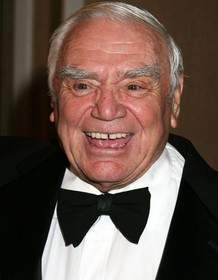
Stanislaus 'Kat' Katczinsky (Ernest Borgnine)
Played by Ernest Borgnine
An experienced and resourceful soldier, Kat is a mentor figure for the younger troops. Despite his toughness, he shows signs of vulnerability and deep camaraderie. His survival instincts and leadership highlight the importance of unity in adversity.
- 🛡️ Leader
- 🤝 Loyal friend
-
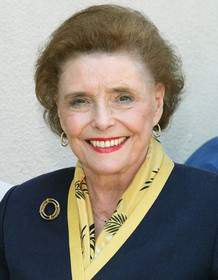
Paul's Mother (Patricia Neal)
Played by Patricia Neal
A caring and protective figure, she symbolizes the civilian lives waiting outside the chaos of war. Her concern underscores the emotional distance and the sacrifices made by loved ones during wartime.
- ❤️ Maternal
- 😢 Longing
Where and When Is All Quiet on the Western Front Set?
All Quiet on the Western Front is set in Western Front, France and Germany (1917). Here is why the time and place matter to the story.
When
1917
The events take place during 1917, the third year of World War I. This period was marked by entrenched trench warfare, significant casualties, and strategic negotiations for peace. It was a time of global conflict that deeply affected soldiers and civilians alike, with technological advancements like tanks and gas attacks changing the nature of warfare.
Where
Western Front, France, Germany
The movie is set mainly on the Western Front during World War I, a brutal and deadly battleground characterized by trenches, barbed wire, and artillery. The French countryside and German territories serve as the backdrop for intense combat, military camps, and makeshift field hospitals. These locations are pivotal in showcasing the harsh realities of WWI battles and soldiers' lives.
- 🌍 War zone
- 🏞️ Trench warfare
- 🇫🇷 French countryside
What Are the Themes of All Quiet on the Western Front?
2 ideas the story keeps returning to, among them War and Sacrifice and Futility and Humanity.
-
01
War and Sacrifice
The movie explores the brutal realities of war, emphasizing the physical and psychological toll on soldiers. It highlights themes of sacrifice, loss, and the futility of violence, as characters face death and despair while fighting for their country. The story underscores the personal costs behind nationalistic motives and the senseless destruction caused by conflict.
-
02
Futility and Humanity
A central theme is the futility of war, where soldiers’ efforts seem meaningless amidst mass casualties and destruction. It also examines lost innocence and the struggle to retain humanity in the face of violence. Characters grapple with fear, grief, and moral dilemmas, revealing the emotional scars inflicted by war.
What Kind of Film Is All Quiet on the Western Front?
Bleak in tone, with steady pacing and a straightforward story, going by the plot summary.
- Tone
- Bleak
- Pacing
- Steady
- Story
- Straightforward
- Intensity
- High
- Ending
- Sad
A brutally grim and steady-paced war drama that delivers a devastating, emotionally draining experience by relentlessly depicting the dehumanizing horror and tragic futility of World War I trench warfare.
- grim
- despairing
- somber
- brutal
- dehumanizing
- anxious
- war is hell
- loss of innocence
- psychological trauma
- survival
Content notes: war violence, graphic death, suicide, traumatic injury, gore, psychological trauma.
Quiz
How well do you remember All Quiet on the Western Front? Test yourself on the story.