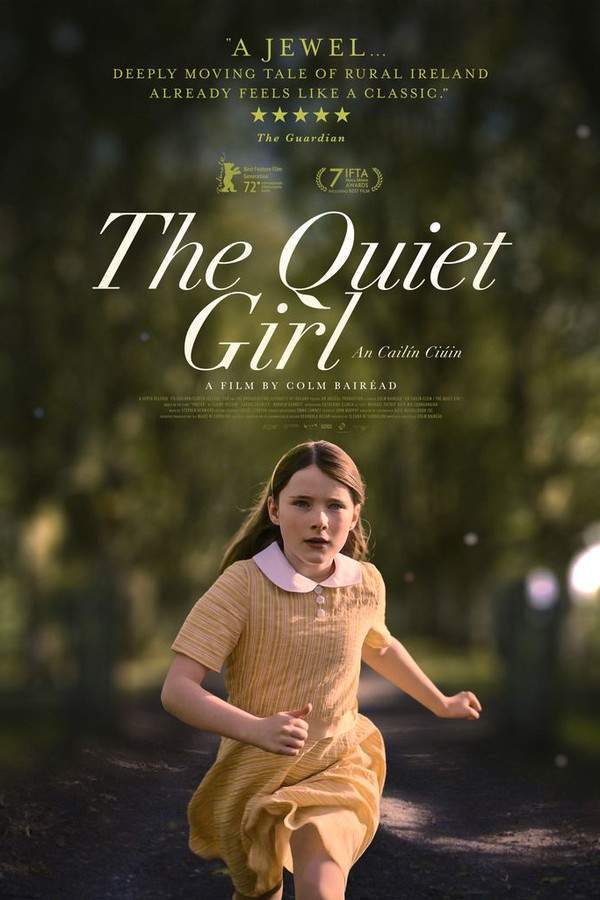
What Is The Quiet Room About?
The premise of The Quiet Room in 289 words, with nothing given away. The full story follows below.
In a modest apartment where the walls seem to contain more than just furniture, a seven‑year‑old girl watches the friction between her parents grow louder with each passing day. The home, rendered in muted tones and tight framing, becomes a stage for whispered arguments that echo louder than any shouted word. As the tension mounts, the child chooses a silent protest, refusing to speak as a way to shield herself from the discord that surrounds her.
Her silence is not merely an absence of sound but a deliberate language of its own. Through tentative drawings of bright country scenes and a hopeful future, she crafts a private visual vocabulary that hints at longing for space, calm, and a dog she imagines as a companion. The film’s style leans heavily on her internal narration—soft, steady voice‑over that drifts between present observation and fragmented memory—allowing the audience to see how a child’s mind reshapes time and reality to cope with unease.
The parents, Paul Blackwell and Celine O’Leary, appear as two adults locked in a conflict they cannot quite articulate, their arguments creating a ripple that the girl feels in every corner of the apartment. Their interactions are portrayed with a stark, almost observational lens, suggesting a marriage fraying under the weight of unspoken grievances. The atmosphere is suffused with a quiet, lingering dread, amplified by occasional surreal visions of wild animals and other threats that blur the line between external danger and the girl’s internalized fear.
Throughout, the tone remains intimate and contemplative, inviting viewers to linger in the spaces between words, to hear the resonance of a child’s unvoiced plea, and to wonder how silence can both protect and expose the fragile heart of a family on the brink.
What Happens in The Quiet Room?
The complete story of The Quiet Room, from the first scene to the last, in 555 words (about 2 minutes). Spoilers throughout. Names in the text link to 2 cast member pages.
Spoilers ahead
The Quiet Room centers on an unnamed little girl and how she copes with her parents’ crumbling marriage. Told almost entirely from her point of view, the film uses her near-silent presence and a steady voice-over stream of thoughts to guide the viewer through a fragile domestic landscape. The father Paul Blackwell and the mother Celine O’Leary appear as two adults locked in conflict, seemingly oblivious to how their quarrels ripple through the young girl’s life. The film invites us to witness how a child’s quiet protest can become a loud signal when words fail.
Her response is to become mute, not by choice but as a deliberate act of resistance to the fighting she hears behind closed doors. She begins to discover other ways to communicate: through drawings that sketch a dog she longs to own and a brighter, country-life future where their family might feel united again. The imagery emphasizes a longing for space and calmer days, even as the apartment walls seem to close in.
Flashbacks reveal a different rhythm—a time when the couple seemed happy and still in love, a contrast that heightens the ache of the present. The girl’s mind sometimes warps tense moments, as if she were thinking, “I’m little now…” instead of “when I was little…,” a sign of how she manipulates time to cope with what she witnesses. Even in those seconds of normalcy, small signs of strain surface, and the memory of her father spitting in her mother’s face punctures the scene with a painful realism.
In the present, anxiety surfaces as waking nightmares: wild animals escape from the zoo and threaten to invade her world, turning the safety of home into a peril she cannot outrun. These visions are not just fears; they reflect the way the girl internalizes danger when the adults fail to shield her from it. The tension builds as she clings to the hope that their life could be different, even as the threats feel all too real.
One pivotal moment shows the girl trying to hide from the noise by retreating into a closet or wardrobe, seeking a silent shelter away from the arguing voices. She remains there for a troubling stretch, eventually falling asleep in an uncomfortable position. When she wakes, she is too stiff to move, and she cannot escape on her own; overwhelmed, she breaks down and finally calls out for help, her parents rushing to her side with shock and relief, realizing they had misread her absence as runaway behavior.
The culmination comes as the girl offers one last drawing to her parents, a raw, explicit claim of how their fighting affects her:
This is how I feel. That’s how you make me feel.
The moment marks a turning point, as the parents listen with new attention and understanding for the first time. The relief is tangible, and a quiet plan unfolds: they decide to move to the country, hoping to restore harmony, and they promise her a dog to seal this new chapter.
The final images pivot on her jubilation. The prospect of a fresh start—accompanied by the dog she has long yearned for—unleashes a surge of happiness: she begins to sing, to dance, and to let herself imagine a future where her voice is heard and her home is a place of safety again.
The Quiet Room Timeline: Every Key Event in Order
12 key events in the order they happen, from “Introduction: a quiet girl in a fractured household” to “Ending in joy and new hopes”. 12 events name a place, across 10 locations.
- 1
Introduction: a quiet girl in a fractured household
The film centers on an unnamed little girl who observes her parents' marriage crumble around her. The story unfolds almost entirely from her point of view, and she remains mostly silent while her inner thoughts are voiced over. This framing invites the audience to feel the strain of a family in crisis through a child's perception.
When:Present Where:City apartment
- 2
Silent protest begins: choosing silence
To protest the constant fighting, she chooses to become mute. Her parents, preoccupied with their own issues, treat it as a phase rather than a real change in her behavior. The choice isolates her further and signals how little they understand what she endures.
When:Present Where:City apartment
- 3
Drawing as communication
She learns to communicate through drawings, expressing desires like owning a dog and living in the countryside. The drawings become a lifeline, offering a way to express feelings when words fail. In this way, her art becomes a bridge to her parents.
When:Present Where:Girl's room / drawing area
- 4
Flashback to happier times
Flashbacks reveal the couple in happier times, still in love and close as a family. Those memories stand in sharp contrast to the present tensions and remind the girl of what used to be. They also hint at how fragile happiness can be.
When:Memory/Flashback Where:Family home (memory sequence)
- 5
Memory of the spitting incident
During a tense moment, the father spits in the mother's face after she yells at him. The girl overhears the confrontation but remains unseen, and the cruelty of the moment leaves a lasting impression on her. It is a concrete, painful memory that colors her view of family conflict.
When:Memory Where:Living room
- 6
Nightmares of wild animals
In the present, the girl's anxiety leaks into waking nightmares where wild animals escape from the zoo and threaten her. The dreams symbolize the escape from a safe home and the danger she fears from the parents' fighting. These nightmares become a recurrent, oppressive presence in her life.
When:Present night Where:Girl's bedroom
- 7
Learning new ways to reach her parents
She discovers she can still reach her parents through nonverbal means, especially through her drawings and careful attention to their needs. She watches for moments of tenderness and tries to insert herself into their conversations. This shows her attempt to bridge the growing distance between them.
When:Present Where:Living room / kitchen
- 8
Wardrobe refuge during a fight
In one peak of bickering, she hides in the wardrobe to escape the noise. The parents do not notice her there at first, and she falls asleep in an uncomfortable position. When she wakes, she discovers she is unable to move, heightening her fear and isolation.
When:Present Where:Parents' bedroom wardrobe
- 9
Calling for help
She finally calls out for help, and her parents rush to her side, realizing too late that she had not run away. They discover the depth of her distress and recognize they have been neglecting her needs. The moment marks a turning point in how they view the child's experience.
When:Present Where:Girl's room / hallway
- 10
The final drawing and confession
She presents one last drawing that conveys how overwhelmed she feels by their constant fighting. Her words are conveyed through the artwork rather than spoken aloud, and the moment shatters their denial. The act prompts them to rethink their situation.
When:Present Where:Girl's room
- 11
Parents decide to move to the country
Moved by their daughter's plea, the parents announce that they will move to the country. They promise a dog, offering a tangible symbol of a fresh start and improved family life. This decision signals healing and renewed hope for the girl.
When:Present Where:Family home
- 12
Ending in joy and new hopes
With the plan in place, the girl expresses ecstatic joy, singing and dancing around her room. The closing image suggests she is finally heard and supported as the home changes around her. The film ends on a note of cautious optimism.
When:Ending Where:Girl's room
Who Are the Main Characters in The Quiet Room?
3 characters, among them Father (Paul Blackwell), Mother (Celine O'Leary) and Unnamed Little Girl (Chloe Ferguson): who each one is and the part they play in the story. Every profile links to the actor’s page.
- F(
Father (Paul Blackwell)
Played by Paul Blackwell
A troubled father whose short temper and aggressive outbursts reveal the fraying marriage. A key moment shows him spitting in the mother's face, illustrating how volatile tensions ripple through the family. His flaws drive the conflict, but the film also places emphasis on his capacity for remorse as the family seeks change.
- 👤 Father
- 😡 Anger
- 🧠 Tension
- M(
Mother (Celine O'Leary)
Played by Celine O'Leary
A mother overwhelmed by her own issues, caught between protecting her child and surviving the mounting strain. She is often preoccupied with her problems, and the constant fighting leaves little room for warmth. Her attempts to shield the daughter are strained by her own emotional turmoil, contributing to the fragile home environment.
- 👤 Mother
- 🫂 Care
- 🧠 Tension
- UL
Unnamed Little Girl (Chloe Ferguson)
Played by Chloe Ferguson
The central perspective of the film: a silent, observant child who chooses mute protests in response to her parents' fighting. She communicates through drawings, expressing desires like owning a dog and living in the country. Her inner world is revealed through voice-over thoughts and nocturnal fears, making her both vulnerable and resilient. The climax shows her finally reaching out for help, prompting the parents to change course.
- 🧒 Child
- 🖼️ Expression
- 🌀 Anxiety
Where and When Is The Quiet Room Set?
The Quiet Room is set in City apartment and Country house. Here is why the place matters to the story.
Where
City apartment, Country house
Set in a cramped city apartment, the film centers on a family under strain. The dense urban space amplifies tension and keeps the child close to the constant arguing. By the end, the family plans a move to the country, with the promise of a dog as part of a fresh start.
- 🏙️ Urban setting
- 🌳 Rural relocation
What Are the Themes of The Quiet Room?
3 ideas the story keeps returning to, among them Communication, Family Tension and Healing.
-
01
Communication
The film centers on how a child negotiates a fractured family through nonverbal means. Her silence is a protest against constant fighting, while her drawings become a bridge to her parents. The voice-over reveals her inner thoughts, highlighting the gap between what is said and what is felt in the home. This theme underscores how communication shapes a family's emotional climate.
-
02
Family Tension
The parents' preoccupation with their own issues creates a hostile environment that excludes the child. A memorable moment shows the father spit in the mother's face, signaling the depth of the conflict. The film focuses on how adults' conflicts ripple through the household, undermining a child's sense of safety. The setting in the cramped apartment intensifies the feeling of confinement.
-
03
Healing
Healing arrives with a plan to move to the country and a promise of a dog, offering space and new routines. The shift to a green, open setting represents a chance for rebuilding trust and warmth. The girl begins to find her voice again as the family commits to listening. The ending suggests growth is possible when home becomes a space for shared peace rather than a battlefield.
What Kind of Film Is The Quiet Room?
Bittersweet in tone, with slow pacing and a moderate story, going by the plot summary.
- Tone
- Bittersweet
- Pacing
- Slow
- Story
- Moderate
- Intensity
- Medium
- Ending
- Happy
A poignant and slow-burning drama seen through the eyes of a child, creating an atmosphere of quiet anxiety and melancholic hope as she uses silence to protest her parents' crumbling marriage.
- anxious
- melancholic
- introspective
- claustrophobic
- hopeful
- poignant
- childhood trauma
- family conflict
- communication breakdown
- mental coping mechanisms
Content notes: domestic abuse, child endangerment, emotional neglect.
Quiz
How well do you remember The Quiet Room? Test yourself on the story.