What Is The Macomber Affair About?
The premise of The Macomber Affair in 282 words, with nothing given away. The full story follows below.
Set against the breathtaking and unforgiving backdrop of the Kenya Colony, The Macomber Affair unfolds within a world where the stark beauty of the African landscape serves as a majestic stage for a deeper, more dangerous kind of hunt. The vast savannas and intimate moments of stillness frame a narrative that is as much about the geography of the human heart as it is about the wild. It is here that a wealthy American couple arrives, seeking diversion but finding a crucible that will test the very foundations of their lives.
At the center of the group is Francis Macomber, a man whose outward wealth and comfort mask a brittle sense of pride and a deep-seated restlessness. He is accompanied by his wife, Margaret “Margot” Macomber, with whom he shares a connection fraught with unspoken tension and complex power dynamics. Guiding them on their safari is Robert Wilson, an English big-game hunter whose calm authority and easy competence stand in sharp contrast to the uncertainties his clients bring with them. As they prepare to embark on their journey, the trio forms a precarious unit, defined by distinct personalities and conflicting desires.
The expedition promises to be more than a simple pursuit of game; it becomes a psychological battleground where questions of masculinity, courage, and loyalty are brought to the surface. As the group moves deeper into the wilderness, the boundaries between the hunters and the observed begin to blur, and the tension between them threatens to rival the dangers of the wild. The film captures this electric atmosphere, where the stark African sun illuminates hidden jealousies and ambitions, promising a drama where the consequences of a single moment might redefine them all.
What Happens in The Macomber Affair?
The complete story of The Macomber Affair, from the first scene to the last, in 769 words (about 3 minutes). Spoilers throughout. Names in the text link to 3 cast member pages.
Spoilers ahead
Francis Macomber Robert Preston is a wealthy American husband whose life appears comfortable on the surface, but underneath there is restlessness and a brittle sense of pride. As he and his wife, Margaret “Margot” Macomber Joan Bennett, arrive in the Kenya Colony, the tension between them foreshadows a day that will test every assumption they hold about courage, loyalty, and power. The story opens with a grim frame: a gunshot wound to the back of the head, a man dead, and a courtroom-like atmosphere of questions that will never be fully answered. It is in Nairobi, however, that the tale truly unfolds, rearranging the chessboard of their lives through a blend of memory, landscape, and confrontation.
A flashback dims the present and takes us to a meeting at the Norfolk Hotel where the three travelers—Francis, Margot, and the English big-game hunter Robert Wilson Gregory Peck—debate the plan for a daring safari. Wilson’s easy competence and calm authority stand in stark contrast to Francis’s outward wealth and inward insecurities. As they share whiskey and talk of hunting, the layers of their relationships begin to reveal themselves: Margot’s attraction to Wilson grows even as Francis’s fear and vanity become more pronounced. The safari is not merely a hunt; it is a test of masculinity, a public stage where each man measures himself against danger, reputation, and the women who observe them.
What follows is a day that becomes a crucible. Francis, seeking to prove his manhood, insists on taking on a lion—only to wound it rather than kill it outright. Wilson believes the animal should be tracked and finished to spare it lingering suffering, and when the wounded lion charges, Francis flees. In that instant, Wilson steps in, calmly dispatching the danger. The event is not just about the hunt; it makes visible Francis’s fragility and the alienation between him and Margot. The nervous energy of the encounter ripples through the group, and Margot’s response—she kisses Wilson in a moment of bold, reckless honesty—marks a turning point that deepens the rift between husband and wife and tests the boundaries of love, loyalty, and humiliation.
The next morning brings a shift from personal embarrassment to a more complex reckoning. Francis shoots a cape buffalo with a steady, courageous shot, and in that moment he begins to come to terms with his physical limits and his own self-image. He even seeks reconciliation with Wilson, extending forgiveness for his wife’s actions and recognizing a form of courage in the work they share hunting side by side. Yet the reconciliation is fragile, because Margot’s feelings and choices linger in the air, shaping every subsequent action.
As the buffalo charges once more, the shooting sequence becomes a shared effort between Macomber and Wilson. The tension that built during the day now converges on a single, fateful moment: Margot fires a shot that finds Francis. The room cools, and the narrative lingers on the ambiguous aftermath. Robert Wilson urges Margot to tell the truth about what happened, to admit whether the shot was truly accidental or born from a deeper, guilt-ridden choice. The film does not spell out the answer. Instead, it leaves the question hanging—whether Margot’s action was a fatal accident in defense of her own feelings, or a deliberate act that exposes the truth she has kept hidden in her heart.
In the quiet aftermath and the courtroom-like atmosphere of consequence, the story invites a meditation on the nature of courage, responsibility, and the consequences of desire. The African landscape—its vast savannas, intimate moments of stillness, and the ever-present danger of the wild—frames a drama about power dynamics within a marriage and within a colonial world that both names and obscures the people who inhabit it. The film keeps its tone measured and restrained, favoring a careful examination of character rather than sensationalism, and it relies on the performances of its three central figures to carry the weight of its moral examination.
As the sun sets on the safari and the investigation of the day’s events begins, the film remains clear about one thing: the line between bravery and bravado is thin, and the consequences of flirting with danger can redefine a person’s life in an instant. The ending—deliberately unsettled—reflects the era’s fascination with ambiguity, leaving the audience to weigh the actions, loyalties, and guilt that define each character’s choices. In the end, it is not merely the hunt that defines them, but the quiet, unspoken consequences of what they did and did not do when faced with fear, love, and the enduring pull of a life lived in the open shadow of the savannah.
The Macomber Affair Timeline: Every Key Event in Order
11 key events in the order they happen, from “Arrival in Nairobi” to “Aftermath: the shot's meaning disputed”. 11 events name a place, across 6 locations.
- 1
Arrival in Nairobi
Margot Macomber, distraught and unhappy in her marriage, arrives with her husband Francis in the Kenya Colony of British East Africa. Their tense relationship is evident as they set out on a safari. The trip foreshadows a conflict that will define their fate.
When:Arrival Where:Nairobi, Kenya
- 2
Planning the safari at the Norfolk Hotel
In a flashback, Margot and Francis meet with their guide Robert Wilson at the Norfolk Hotel to plan the safari over whiskey. The scene establishes Wilson as the catalyst for the voyage and hints at Margot's attraction to him. The plan sets the stage for the dangerous adventures to come.
When:Flashback Where:Norfolk Hotel, Nairobi
- 3
Francis's bravado test: lion hunt begins
On the savannah, Francis tries to prove his masculinity by hunting a lion, despite his evident insecurity. Margot's attraction toward Wilson intensifies the tension between husband and wife. Francis's bravado becomes a mask for his fear.
When:Day 1 Where:Kenyan savannah
- 4
Lion wounded; Wilson insists on humane hunt
Francis manages to wound the lion, but chooses not to finish it off immediately. Wilson argues that the animal should be tracked and killed to prevent suffering. The moral divide between the men deepens the crisis.
When:Day 1 Where:Savannah
- 5
The lion is dispatched
When the wounded lion charges, Francis fails to avoid danger and runs. Wilson has to dispatch the animal, showing the practical reality of danger in the field. The incident underscores Francis's fear and Wilson's competence.
When:Day 1 Where:Savannah
- 6
Margot humiliates Francis
In a bold, public moment, Margot kisses Wilson on the lips, publicly undermining her husband. The act shatters Francis's remaining pride and deepens his insecurity. The couple's marriage becomes more acrimonious.
When:Day 1 Where:Safari camp
- 7
Ego clash escalates: cruelty toward a servant
As anger and resentment build, Francis lashes out at an African servant, and Wilson restrains him. The scene exposes the moral ambiguity and fragility of all three characters. Margot's presence continues to destabilize the relationship.
When:Day 1 Where:Camp
- 8
Cape buffalo hunt: Francis gains momentary courage
The next morning, Francis delivers a courageous shot that wounds a cape buffalo, signaling a turning point for his self-image. He begins to come to terms with his perceived weaknesses in the face of danger. Wilson and Francis appear to find a fragile reconciliation.
When:Next morning Where:Savannah
- 9
Reconciliation with Wilson and forgiving Margot
Francis reconciles with Wilson, even expressing forgiveness for his wife. The moment suggests a potential new balance between the two men. Margot remains emotionally unsettled, watching the change with ambiguity.
When:Following morning Where:Safari camp
- 10
The cape buffalo charges; Margot shoots
The wounded cape buffalo charges again, and both men respond with shots. Margot seizes the moment and fires the fatal shot, killing Francis. The event shatters the fragile equilibrium that had formed between the travelers.
When:During hunt Where:Savannah
- 11
Aftermath: the shot's meaning disputed
Robert urges Margot to admit the shot was accidental, but the truth remains ambiguous. Margot wrestles with guilt and the implications for her future, including a potential trial. The ending leaves open whether the act was deliberate or a tragic accident born of emotion.
When:Aftermath Where:Camp
Who Are the Main Characters in The Macomber Affair?
3 characters, among them Francis Macomber (Robert Preston), Margaret Macomber (Joan Bennett) and Robert Wilson (Gregory Peck): who each one is and the part they play in the story. Every profile links to the actor’s page.
-
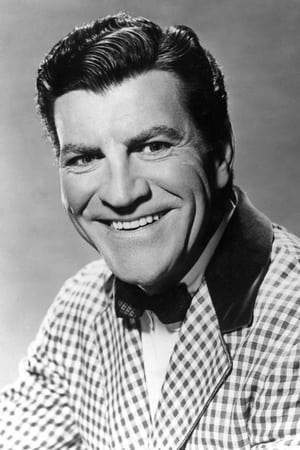
Francis Macomber (Robert Preston)
Played by Robert Preston
Wealthy, insecure, and outwardly confident, he seeks to prove his masculinity through sport and bravado. His cruelty toward an African servant reveals a capacity for abuse, while his fear under pressure exposes his vulnerability. He reconciles with Wilson after a moment of self-awareness but is ultimately killed by his wife's shot, a tragic turn that underscores the limits of bravado.
- 💼 Wealth
- 🥀 Insecurity
- 🗡️ Power
-

Margaret Macomber (Joan Bennett)
Played by Joan Bennett
A dissatisfied wife who is drawn to Wilson and uses her influence to provoke Francis. Her flirtation and humiliation of her husband set off a chain of events that lead to violence and guilt. She shoots Francis, but the story leaves open whether the act was accidental or a deliberate assertion of agency.
- 💃 Desire
- 💔 Jealousy
- 🧭 Ambiguity
-

Robert Wilson (Gregory Peck)
Played by Gregory Peck
An English big-game hunter who escorts the safari and serves as a moral counterweight. He remains calm, pragmatic, and observant, aiming to spare unnecessary suffering while enforcing a code of conduct. His interactions with Francis and Margot drive the tension, and he acts as the voice of reason in a volatile situation.
- 🧭 Morality
- 🥾 Pragmatism
- 🕊️ Restraint
Where and When Is The Macomber Affair Set?
The Macomber Affair is set in Nairobi, Kenya and Kenya Colony (British East Africa) (Early 20th century). Here is why the time and place matter to the story.
When
Early 20th century
The narrative takes place during the colonial era in Kenya, where expatriates organize hunting safaris. The period is defined by imperial presence, frontier dynamics, and a social order shaped by wealth and status. The setting emphasizes the tension between Western adventure culture and the African landscape and people.
Where
Nairobi, Kenya, Kenya Colony (British East Africa)
The story unfolds in Nairobi and across the Kenyan savanna within the Kenya Colony of British East Africa. The safari setting anchors the film in a colonial-era landscape where Westerners hunt big game and interact with local surroundings. Nairobi serves as the entry point to the expedition, highlighting the era's leisure travel and imperial backdrop.
- 🌍 Africa
- 🏛️ Colonial Era
What Are the Themes of The Macomber Affair?
3 ideas the story keeps returning to, among them Masculinity, Moral Ambiguity and Colonial Tensions.
-
01
Masculinity
Francis attempts to prove his manhood through dangerous hunts, displaying bravado that masks deeper insecurities. His cowardice under pressure exposes fragility and triggers tensions with his wife and Wilson. The pursuit of strength becomes a destructive force, culminating in tragedy rather than triumph.
-
02
Moral Ambiguity
The film centers on uncertainty about intent and responsibility. Margot's final shot raises questions of accident versus deliberate act, while Wilson embodies a personal code that cannot fully resolve the moral maze. The ending leaves the audience pondering guilt, consequence, and the consequences of desire.
-
03
Colonial Tensions
Set against colonial Kenya, the story exposes power imbalances between Western hunters, affluent settlers, and African workers. The abuse of an African servant highlights the social hierarchy of the time. The safari's violence and the surrounding attitudes prompt reflection on exploitation and control within imperial settings.
What Kind of Film Is The Macomber Affair?
Tense in tone, with steady pacing and a moderate story, going by the plot summary.
- Tone
- Tense
- Pacing
- Steady
- Story
- Moderate
- Intensity
- High
- Ending
- Ambiguous
A tense and psychologically oppressive drama set against the stark African landscape, following a disintegrating marriage and a man's crisis of masculinity that culminates in a fatal and ambiguous shooting.
- tense
- psychological
- oppressive
- melancholic
- claustrophobic
- suspenseful
- marital strife
- infidelity
- masculinity crisis
- safari
Content notes: animal death, murder, domestic abuse, psychological abuse.