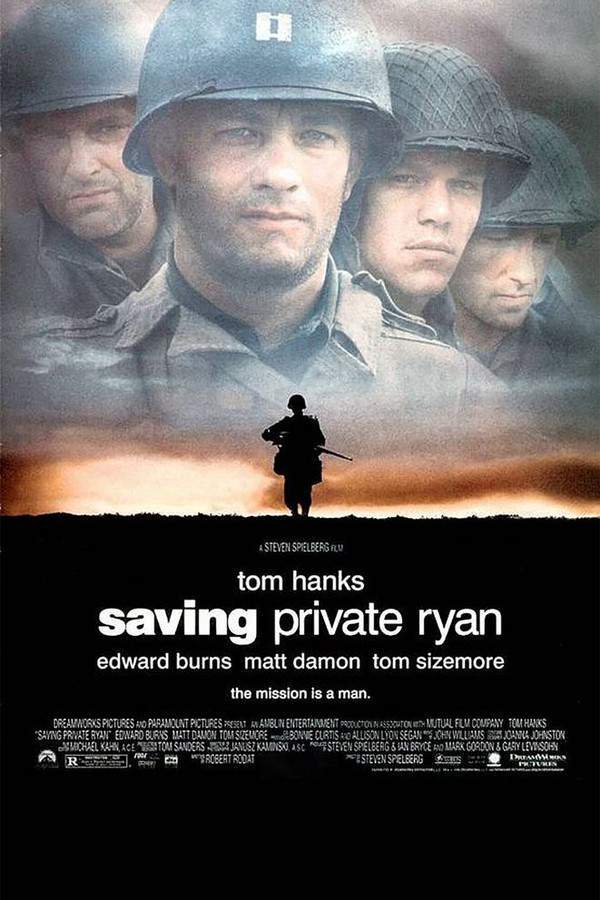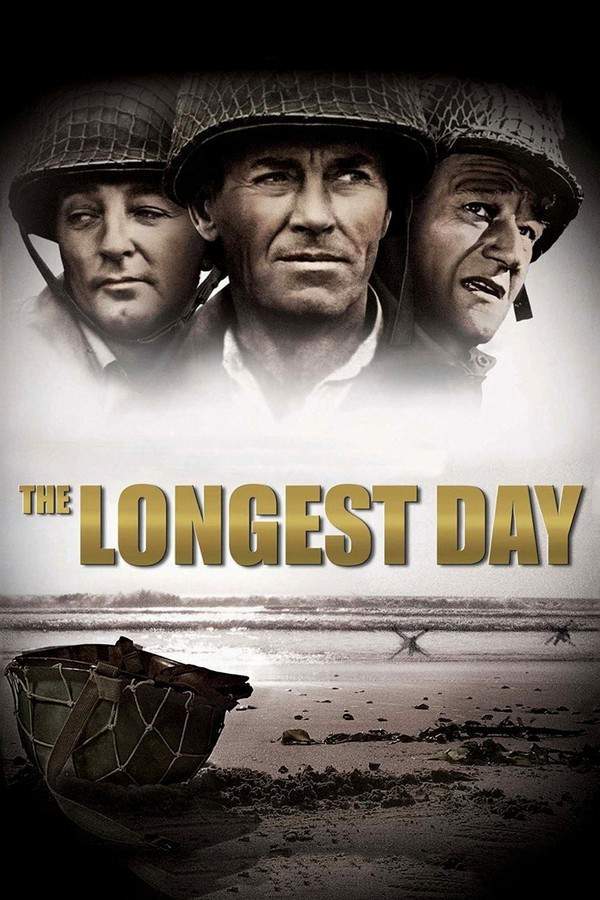
What Is The Longest Day About?
The premise of The Longest Day in 378 words, with nothing given away. The full story follows below.
In the gray dawn of June 1944, the rolling fields of northern France become a powder‑keg of anticipation, where the clatter of distant aircraft and the hush of restless seas mingle with whispered orders. The film adopts a sweeping, quasi‑documentary style that drifts between the intimate and the epic, letting the viewer feel the weight of history without ever losing the human pulse humming beneath it. Every frame is steeped in a tension that is both palpable and reverent, a careful balance of gritty realism and lyrical storytelling that makes the looming invasion feel like a living, breathing entity.
Among the Allied ranks, the story orbits around Lieutenant Col. Benjamin H. Vandervoort, a determined parachute commander whose steady resolve anchors a nervous brigade. He works closely with Brigadier Gen. James M. Gavin, the pragmatic leader of the airborne division, whose strategic mind is as sharp as his sense of duty. The ground forces are guided by Brigadier Gen. Norman Cota, a seasoned veteran wrestling with the weight of endless waiting, while the ultimate decision hangs on the shoulders of General Dwight Eisenhower, whose composure under pressure defines the whole operation. Complementing them are Flying Officer David Campbell and the meticulous Group Capt. J. M. Stagg, whose weather calculations become the silent metronome dictating the day’s rhythm.
On the opposite shore, the German defense is portrayed through a cadre of seasoned officers. Generalfeldmarschall Gerd Von Rundstedt surveys the coastline with the gravitas of a commander aware of the stakes, while Major Werner Pluskat oversees the fortified beaches, his vigilance a counterpoint to the creeping uncertainty. In the intelligence office, Oberstleutnant Helmuth Meyer pores over reports, his intuition hinting at an impending storm of conflict. Meanwhile, the covert efforts of Major John Howard and the quiet courage of Father Louis Roulland illustrate the hidden threads of resistance that knot the broader tapestry.
Together, these figures create a rich mosaic of ambition, doubt, and quiet heroism. The movie swirls around the moment before the storm, inviting the audience to sense the enormity of what is about to unfold while remaining anchored in the personal battles each character bears. The tone is one of reverent anticipation, a study in how ordinary lives converge upon an extraordinary night that will reshape the world.
What Happens in The Longest Day?
The complete story of The Longest Day, from the first scene to the last, in 657 words (about 3 minutes). Spoilers throughout. Names in the text link to 6 cast member pages.
Spoilers ahead
Shot in a compelling docudrama style, this film delves into the harrowing days leading up to D-Day, showcasing pivotal events across both the Allied and Axis fronts during this historic military endeavor. As the Allies anxiously await a respite from the relentless poor weather conditions, they also brace for the reaction of the German forces tasked with defending northern France.
At the forefront of the Allied forces is Lieutenant Col. Benjamin H. Vandervoort, portrayed by John Wayne, who commands a determined parachute infantry division. As tensions rise, Benjamin relays crucial intelligence to Brigadier Gen. James M. Gavin, played by Robert Ryan, the commanding officer of the airborne division. His mission is monumental: seize Sainte-Mere-Eglise, a strategic point lying along the sole route that could be exploited by the Germans to target the allies’ northern flank. With only a mere four-mile descent to navigate before reaching the town, Vandervoort must confront the fierce natural obstacles posed by swamps that the Germans have deliberately flooded. Demonstrating quick thinking and innovation, Benjamin supplies his men with clicking toys to ensure they can identify one another amidst the chaos of darkness.
Meanwhile, Brigadier Gen. Norman Cota, played by Robert Mitchum, serves as the assistant commander of the 29th Infantry Division. He grapples with growing unease as assault forces remain cooped up aboard their ships for an extended three-day period, waiting for a much-needed break in the weather. It becomes increasingly evident that the decision of whether to proceed with the invasion lies squarely on the shoulders of General Dwight Eisenhower, depicted here as a steadfast leader in a pressure cooker situation.
Flying Officer David Campbell, portrayed by Richard Burton, represents the relentless spirit of the RAF as he also plays a vital role amid the unfolding crisis. Alongside him is Group Capt. J. M. Stagg, a dedicated meteorologist whose assessments are critical in determining the fateful go-no-go decision.
Within the ranks of the German command, Generalfeldmarschall Gerd Von Rundstedt, as portrayed by Paul Hartmann, contemplates potential threats while Major Werner Pluskat, played by Hans Christian Blech, oversees the coastal defenses. Concurrently, military intelligence officer Oberstleutnant Helmuth Meyer grows increasingly convinced that an imminent attack is on the horizon. However, his superiors remain hesitant, fearing that the poor weather will thwart any invasion attempts.
As dawn approaches on June 6th, multiple storylines unfold, commencing with the crucial airborne missions that signal the onset of D-Day. British troops, in a daring glider operation, aim to secure Pegasus Bridge, while Major John Howard, played by Richard Todd, is entrusted with a daunting task—maintaining control of the bridge to prevent German demolition, which would cut off the Allies’ pathway into Normandy.
Chaos ensues as American paratroopers drop into Sainte-Mere-Eglise, many dispersed and subjected to harrowing conditions—half of them landing in swampy hell while the others face fierce resistance within the town itself. The valor exhibited by the French Resistance, featuring characters such as Father Louis Roulland, played by Jean-Louis Barrault, showcases their dedication to sabotaging enemy operations, as they work tirelessly to disrupt communication and troop movements.
The early hours underscore the uncertainty and miscommunication rippling through the German hierarchy as they grapple with the question of whether this could be a mere feint or indeed the actual Allied invasion. With Hitler sluggishly asleep, significant decisions remain unmade, ultimately proving catastrophic in the decision-making chain.
The stark reality is poignantly captured as the Allied forces mobilize—through the sweat and blood of their soldiers, they manage to breach defensive lines, culminating in Benjamin’s relentless push through Sainte-Mere-Eglise after fierce engagements. The psychological weight is palpable as they confront the aftermath of heavy losses amongst their ranks.
In a brilliant montage that encapsulates the united Allied effort during this tumultuous invasion, the film closes on a hopeful note, highlighting diverse units consolidating their positions along the beaches, ready to march forward into the heart of France on their journey towards liberation and the eventual confrontation with tyranny.
The Longest Day Timeline: Every Key Event in Order
15 key events in the order they happen, from “Allies Await D-Day” to “Consolidation of Beachheads”. 15 events name a place, across 12 locations.
- 1
Allies Await D-Day
As D-Day approaches, the Allies are on high alert, waiting for a break in the poor weather. The atmosphere is tense as they anticipate possible reactions from the German forces defending northern France.
When:Early June 1944 Where:English Channel
- 2
Lieutenant Col. Vandervoort's Mission
Lieutenant Col. Benjamin H. Vandervoort reports for duty and receives his orders to take Sainte-Mere-Eglise, a critical location for the invasion. He prepares his troops, issuing them clicking toys for identification purposes during the night drop.
When:Days before D-Day Where:England
- 3
Eisenhower's Decision
Gen. Dwight Eisenhower makes the crucial decision to proceed with the invasion after reviewing weather reports promising a brief window of favorable conditions. This decision is supported by Gen. Bernard Montgomery and aims to take the Axis forces by surprise.
When:June 5, 1944 Where:SHAEF Headquarters
- 4
German Intelligence Concerns
German commanders, including Generalfeldmarschall Gerd Von Rundstedt, struggle with conflicting intelligence reports about the potential Allied invasion. Oberstleutnant Helmuth Meyer predicts an attack within 24 hours but is met with skepticism from his superiors.
When:June 5, 1944 Where:German HQ, France
- 5
French Resistance Alerted
The French resistance receives coded messages indicating that the invasion is about to begin. Resistance members, like Alexandre Renaud and Father Louis Roulland, prepare to sabotage German communication and support the Allies.
When:June 5, 1944 Where:Sainte-Mere-Eglise
- 6
Dawn of D-Day
On the early hours of June 6, Allied airborne troops begin their drops, taking key locations inland from the beaches. The French resistance reacts intensely to the unfolding invasion, aware that the fate of their country is at stake.
When:June 6, 1944 Where:Normandy, France
- 7
Pegasus Bridge Secure
Maj. John Howard and his forces successfully land and secure Pegasus Bridge, a crucial objective meant to prevent the Germans from demolishing it. He prepares for a potential counterattack while awaiting reinforcements.
When:June 6, 1944 Where:Orne River, Normandy
- 8
Paratroopers' Chaos
American paratroopers experience disarray as some land in swamps while others touch down in Sainte-Mere-Eglise. This initial drop leads to heavy casualties as they encounter scattered enemy forces.
When:June 6, 1944 Where:Sainte-Mere-Eglise
- 9
German Misjudgment
German forces fail to recognize the invasion due to the calm beaches and reports of approaching Allied aircraft. Major Werner Pluskat dissects evidence of troop movements but miscalculates the threat level.
When:June 6, 1944 Where:Normandy Coast
- 10
The Invasion Force Launches
At dawn, Allied forces embark on their invasion of Normandy. This coordinated assault is led by Lt. Gen. Omar N. Bradley, who commands various naval and airborne units as they engage with German defensive positions.
When:June 6, 1944 Where:Normandy, France
Show the other 5 events of The Longest Day Hide the last 5 events
- 11
Norman's Assault
Brigadier Gen. Norman Cota leads forces from the beach as they begin to engage the enemy. He quickly assesses the situation at the beachhead, commanding engineers to blow a hole through enemy defenses to secure an exit point.
When:June 6, 1944 Where:Normandy Beach
- 12
Ranger Group's Climb
The U.S. Provisional Ranger Group launches an assault on Pointe Du Hoc and faces grievous losses scaling the cliffs. They discover that the German artillery they aimed to neutralize was never installed, showcasing a dramatic twist.
When:June 6, 1944 Where:Pointe Du Hoc
- 13
Rommel Learns of Invasion
By late morning, Rommel returns home only to discover that the invasion is already underway. Despite urging from his officers, he cannot mobilize the Panzer reserves without Hitler's approval, leading to further delays.
When:June 6, 1944 Where:Germany
- 14
Regrouping of Troops
Lieutenant Col. Vandervoort successfully regroups scattered troops and leads an assault on Sainte-Mere-Eglise. In fierce fighting, they manage to capture the town and witness the aftermath of losses suffered by their comrades.
When:June 6, 1944 Where:Sainte-Mere-Eglise
- 15
Consolidation of Beachheads
As the day comes to a close, various Allied units work to consolidate their positions along the beachhead. The overall successful invasion sets the stage for the Allies to advance further into France, eventually bringing the fight towards Germany.
When:June 6, 1944 Where:Normandy
Who Are the Main Characters in The Longest Day?
3 characters, among them Lieutenant Col. Benjamin H. Vandervoort (John Wayne), Brig. Gen. Norman Cota (Robert Mitchum) and Flying Officer David Campbell (Richard Burton): who each one is and the part they play in the story. 1 of them link to the actor’s page.
- LC
Lieutenant Col. Benjamin H. Vandervoort (John Wayne)
Lieutenant Colonel Benjamin H. Vandervoort is a brave and determined officer leading his troops during the critical D-Day invasion. His leadership skills and strategic mindset are crucial as he navigates the chaos of battle to secure Sainte-Mere-Eglise.
- 🪖 Military Leader
- 💪 Courageous
- BG
Brig. Gen. Norman Cota (Robert Mitchum)
Brigadier General Norman Cota serves as the assistant commander of the 29th Infantry Division, characterized by his anxiety and sense of urgency regarding the prolonged wait for the invasion. His decisive actions help rally the troops to break through enemy lines.
- 🎖️ Commanding Officer
- ⚠️ Strategic Thinker
-
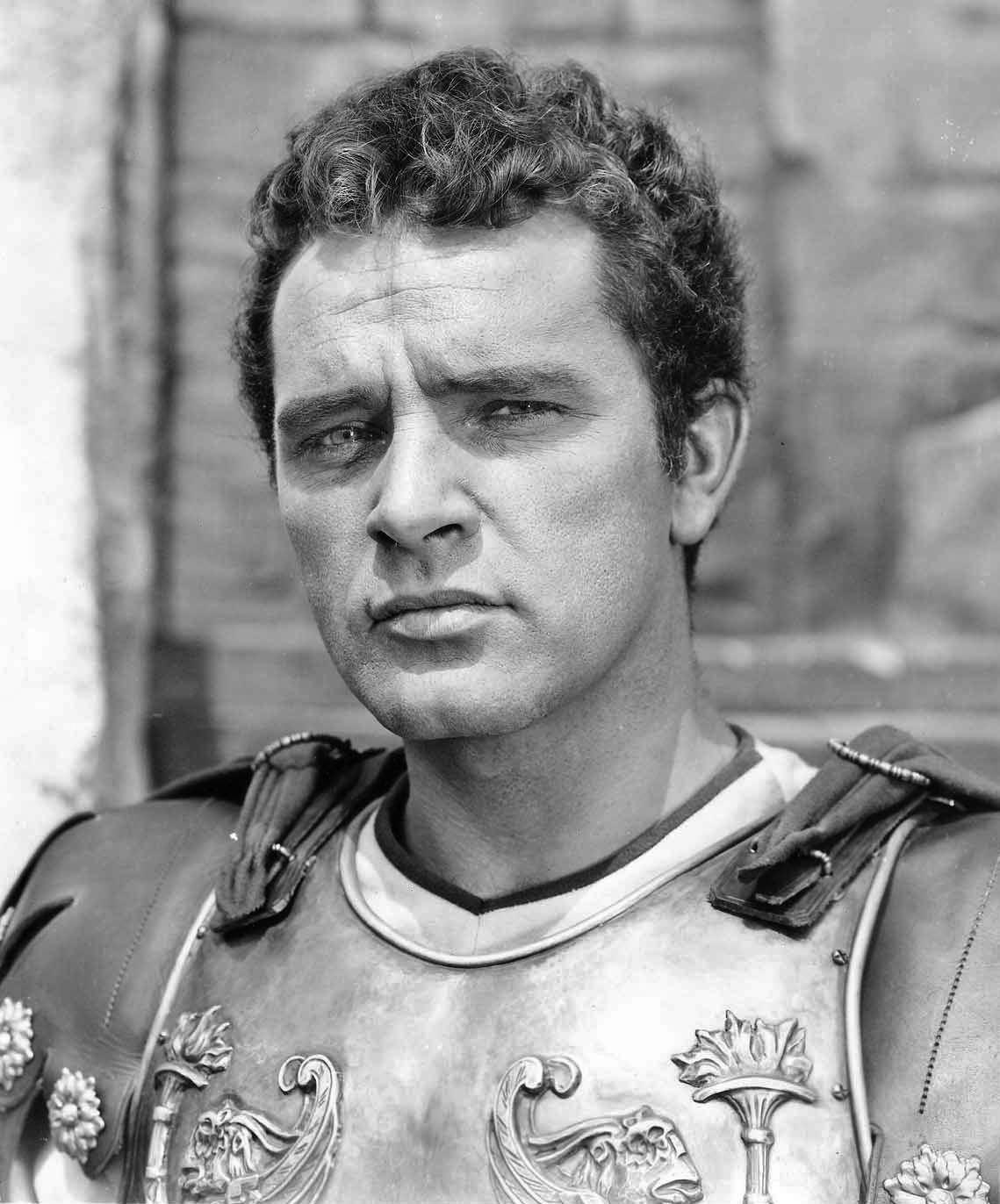
Flying Officer David Campbell (Richard Burton)
Played by Richard Burton
Flying Officer David Campbell is a fighter pilot with the RAF, demonstrating unwavering dedication to his mission. As part of the air operation during D-Day, his character portrays the aerial combat aspects of the invasion and the critical role of air support.
- ✈️ Pilot
- 🎯 Focused
Where and When Is The Longest Day Set?
The Longest Day is set in Sainte-Mere-Eglise, Normandy and France (1940s). Here is why the time and place matter to the story.
When
1940s
The movie takes place during the early 1940s, amid World War II, particularly focusing on the events surrounding D-Day in June 1944. This period was marked by intense military strategies and global conflict, with Allied forces planning their invasion of Nazi-occupied Europe.
Where
Sainte-Mere-Eglise, Normandy, France
Sainte-Mere-Eglise is a town situated in Normandy, France, known for being one of the first towns liberated by American paratroopers during World War II. It played a crucial role during D-Day as a strategic location for the Allies, allowing them to secure a pathway into France.
- 🌍 Location
- ⚔️ Historical Site
What Are the Themes of The Longest Day?
3 ideas the story keeps returning to, among them Bravery, Chaos of War and Alliance.
-
01
Bravery
The theme of bravery is predominant throughout the film as soldiers face overwhelming odds during the D-Day invasion. Acts of courage by both the Allied troops and the French resistance highlight the sacrifices made to secure freedom against a powerful adversary.
-
02
Chaos of War
The chaos of war epitomizes the D-Day invasion, where unpredictable elements such as weather and miscommunication impact the outcomes of military strategies. Scenes depict the disarray among troops and the frantic decisions made under pressure, painting a stark picture of the realities of warfare.
-
03
Alliance
The film showcases the theme of alliance as various branches of the military and international forces come together for a common cause. The collaboration between American, British, and French forces symbolizes unity against tyranny and the importance of cooperation in achieving victory.
What Kind of Film Is The Longest Day?
Tense in tone, with steady pacing and a complex story, going by the plot summary.
- Tone
- Tense
- Pacing
- Steady
- Story
- Complex
- Intensity
- High
- Ending
- Happy
A consistently tense and grim war epic that methodically builds anxiety before plunging into the chaotic and violent reality of the Normandy invasion, culminating in a hard-won sense of hope.
- anxious
- tense
- dramatic
- chaotic
- claustrophobic
- grim
- war
- historical drama
- military strategy
- courage
Content notes: war violence, military combat, death, trauma.
Quiz
How well do you remember The Longest Day? Test yourself on the story.