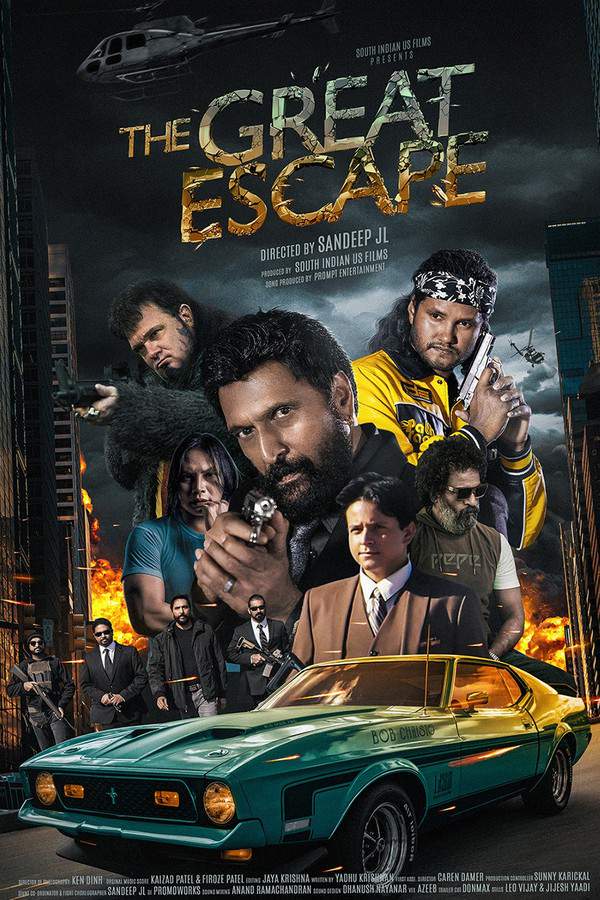
What Is The Great Escape About?
The premise of The Great Escape in 322 words, with nothing given away. The full story follows below.
In the shadow of World War II, a remote German stalag looms as a fortress of routine and restraint, its barbed wire and watchtowers a constant reminder of captivity. Within its stone walls, the Allied prisoners cling to a shared conviction: that freedom is not merely a distant dream but a mission worth risking everything for. The film’s atmosphere blends tense austerity with a quiet, almost reverent camaraderie, letting the cold, disciplined world of the camp pulse against the hopeful ingenuity of those it encloses.
At the heart of the resistance stands Group Captain Ramsey, the senior British officer whose steady leadership quietly unites a diverse group of men yearning for escape. Beside him, the legendary Hilts—renowned among prisoners for his daring attempts—embodies the restless spirit that refuses to be subdued. Supporting the effort, Roger Bartlett spearheads the clandestine planning, coordinating a covert network of skills that range from forging documents to crafting tools, each contribution a whispered promise of liberation.
The prisoners’ resolve is amplified by a blend of personalities: the meticulous planner, the resourceful forger, the inventive engineers, and the steadfast friends who share jokes over improvised moonshine. Their interactions sparkle with humor and tension, revealing a community that fashions hope from the mundane—singing in the barracks, swapping stories, and mapping the world beyond the fence. This mosaic of characters creates a tone that balances solemn determination with the light‑hearted defiance that keeps morale alive amid oppression.
All of this builds toward an audacious scheme: a large‑scale breakout designed not only to secure freedom for a handful of men, but also to divert enemy resources and strike a symbolic blow against the war machine. The film sustains a steady undercurrent of suspense, inviting the audience to wonder how such a meticulous plan could unfold against overwhelming odds, while never revealing the outcome. The promise of courage, ingenuity, and collective resolve fuels a narrative that feels both timeless and intimately human.
What Happens in The Great Escape?
The complete story of The Great Escape, from the first scene to the last, in 822 words (about 4 minutes). Spoilers throughout.
Spoilers ahead
In 1943, a contingent of Allied POWs, infamous for their repeated escape attempts from various camps throughout the Third Reich, finds themselves relocated to a new facility under the stern command of Luftwaffe Colonel von Luger. He forewarns the British Group Captain Ramsey, who is the highest-ranking officer among the POWs and serves as their de facto leader, that any escape will result in execution. Behind closed doors, von Luger is opposed to such extreme measures, yet the Gestapo—frustrated by the escalating chaos due to breakouts—threatens intervention if the Luftwaffe cannot effectively put an end to the escapes.
On the very first day, a few prisoners disregard the grim warning and attempt to escape, but they all fail. Among them is Hilts, a notorious escape artist, who keenly observes a blind spot in the camp’s fencing system and intentionally gets captured before the guards can detect his discovery. After being sentenced to “the cooler,” he is confined in a cell adjacent to Ives, and the two form a friendship amidst the confines of their captivity.
RAF Squadron Leader Roger Bartlett takes the initiative to revive “the X Organisation,” a committee dedicated to planning escapes, with Ramsey’s unspoken consent. He passionately argues that they could disrupt the German war effort significantly by breaking out an unprecedented 250 men at once, thereby forcing the German army to redirect essential resources away from the front lines.
As the prisoners’ resolve strengthens, they embark on constructing three tunnels named “Tom”, “Dick”, and “Harry.” Hendley cleverly acquires essential tools through the black market and builds a partnership with the master forger Blythe. Meanwhile, Sedgwick assembles tools for digging, while Welinski and Dickes supervise labor efforts. MacDonald collects intelligence, Griffith stitches civilian disguises, and Ashley-Pitt devises a strategy for concealing the displaced dirt. Their mining activities are cleverly masked by a choir led by Cavendish, who is also tasked with monitoring the tunnels’ routes. Recognizing Hilts’ intentions of jumping the fence, Bartlett asks him to survey the surroundings before voluntarily getting recaptured to aid in their plans. However, Hilts refuses out of sheer pride.
When “Tom” nears completion first, Bartlett instructs that “Dick” and “Harry” be sealed off. In a moment of camaraderie, Hilts, Hendley, and Goff celebrate Independence Day with homemade potato moonshine, but their revelry is abruptly cut short as the guards unexpectedly discover “Tom.” Overcome with despair, Ives frantically attempts to scale the fence, only to be shot dead. The traumatic event leaves Hilts stirred, leading him to reluctantly accept Bartlett’s strategy.
Bartlett then decides to reopen “Harry.” However, when the tunnel partially collapses, Welinski breaks down, admitting his claustrophobia to Dickes. As he attempts to escape like Ives, Dickes manages to diffuse the situation and prevent another tragedy. Meanwhile, Blythe faces an alarming reality as he discovers he is going blind, prompting Hendley to assist him as they plan their escape.
With “Harry” finally complete, the night of the breakout arrives, but the prisoners are shocked to find themselves just 20 feet short of the safety of the forest, still exposed to the guards’ line of sight. Under Hilts’ guidance, who signals the group with a rope, and aided by the momentary blackout from a nearby air raid, dozens of men flee. Yet chaos ensues when Cavendish slips and stirs suspicion. An eager Griffith surfaces to investigate but is swiftly captured, leading to the unraveling of their carefully orchestrated plan.
The prisoners scatter across Europe in a desperate search for freedom. Welinski and Dickes successfully row to safety and board a ship bound for Sweden, while Sedgwick cycles towards France, ultimately relying on the Resistance to smuggle him into Spain. Regrettably, many others meet with failure: Cavendish attempts to hitch a ride only to be betrayed by the driver, Hilts commandeers a motorcycle in a daring escape towards the German-Swiss border, but after a thrilling chase where he jumps over tank barriers, he is recaptured. Hendley and Blythe steal a Luftwaffe training plane in a bid for survival but plummet when their engine fails; Blythe is shot, and Hendley is apprehended again. At a train station, Ashley-Pitt eliminates a Gestapo guard to protect Bartlett, only to be shot himself in the process. Ultimately, Bartlett and MacDonald are caught when a Gestapo officer tricks MacDonald into revealing his identity.
Fifty prisoners, including Bartlett, MacDonald, and Cavendish, are rounded up, transported to a field, and executed under Hitler’s direct orders. Seventeen return to the camp, while six are sent to death camps.
Upon his return, Hendley, hearing of the grim news, questions Ramsey if their daring escape was worthwhile. Meanwhile, von Luger, burdened by the shame of the executions, loses his command and is driven away, facing an uncertain fate. Before he departs, he poignantly informs Hilts that it seems he will be the one to see Berlin first. Now facing confinement in the cooler once more, Hilts begins plotting his next escape, determined as ever.
The Great Escape Timeline: Every Key Event in Order
14 key events in the order they happen, from “Relocation to New Camp” to “Hilts' Resolve to Escape Again”.
- 1
Relocation to New Camp
In 1943, a group of Allied POWs is relocated to a new facility under the strict command of Luftwaffe Colonel von Luger. He warns Group Captain Ramsey, the de facto leader of the prisoners, that any escape attempts will result in execution, setting a tense tone from the outset.
When:1943
- 2
First Attempt at Escape
On the first day at the new facility, several prisoners, including notorious escape artist Hilts, attempt to escape but fail. Captured once again, Hilts is sent to solitary confinement, where he becomes friends with fellow prisoner Ives.
- 3
Revival of 'X Organisation'
RAF Squadron Leader Roger Bartlett revives the 'X Organisation' with Ramsey's tacit approval. He proposes an audacious plan to disrupt the German war effort by breaking out 250 men at once, pumping newfound determination into the prisoners.
- 4
Construction of Tunnels
Motivated by their resolve to escape, the prisoners begin constructing three tunnels named 'Tom', 'Dick', and 'Harry'. Each member plays a role in the construction, with Hendley procuring tools and Sedgwick gathering supplies for digging.
- 5
Tunnel Preparation and Camouflage
To disguise their tunneling efforts, the prisoners establish a choir led by Cavendish, which also helps monitor the tunneling routes. Meanwhile, Hilts is advised to get recaptured for reconnaissance, indicating their collaborative spirit despite individual reservations.
- 6
Discovery of Tunnel 'Tom'
As the celebrations for Independence Day commence with homemade potato moonshine, the guards unexpectedly discover the tunnel 'Tom'. The shock leads to tragedy when Ives attempts to escape and is shot dead, significantly impacting the morale of the prisoners.
- 7
Reopening 'Harry'
Following Ives' death, Bartlett decides to reopen tunnel 'Harry' despite its risks. The tunnel's partial collapse exposes the fragility of their escape plan and reveals the emotional state of the prisoners, particularly Welinski's struggle with claustrophobia.
- 8
The Night of the Escape
When the night of the breakout finally arrives, the prisoners find themselves alarmingly close to their goal but still within sight of the guards. Under the cover of an air raid, many manage to flee, yet chaos ensues as discipline breaks down and suspicion arises.
- 9
Desperate Search for Freedom
After the breakout, the prisoners scatter across Europe, each seeking their own path to freedom. Some find success—like Welinski and Dickes, who row towards Sweden—while others, including Hilts, face recapture after daring attempts to escape.
- 10
Betrayal and Capture
The pursuit for freedom turns tragic when several prisoners are betrayed or captured during their escapes. Later, Bartlett and MacDonald are caught after a Gestapo officer tricks MacDonald into revealing his identity, highlighting the risks they all took.
Show the other 4 events of The Great Escape Hide the last 4 events
- 11
Executions Under Hitler's Orders
Fifty prisoners, including many key figures, are rounded up and executed on Hitler's orders, showcasing the grave consequences of their escape attempts. While 17 are returned to the camp, others face the horrors of death camps.
- 12
Aftermath of the Executions
Upon learning of the executions, Hendley confronts Ramsey, questioning the worth of their sacrifices. The somber atmosphere reflects on the senseless loss of life that transpired due to their escape plans.
- 13
Von Luger's Loss of Command
Colonel von Luger, haunted by the brutal execution order, loses his command and is driven away from the camp. He shares a poignant moment with Hilts, expressing his own bleak fate, as he realizes the heavy toll of the events on all involved.
- 14
Hilts' Resolve to Escape Again
Back in confinement, Hilts, undeterred by the grim outcomes of the escape, begins plotting his next attempt. His determined spirit signifies the enduring hope of the POWs, representing the indomitable will to resist oppression.
Who Are the Main Characters in The Great Escape?
4 characters, among them Group Captain Ramsey (James Donald), Hilts (Steve McQueen) and Roger Bartlett (Richard Attenborough): who each one is and the part they play in the story. 2 of them link to the actor’s page.
-
Group Captain Ramsey (James Donald)
Played by James Donald
Ramsey serves as the de facto leader among the Allied POWs, embodying a strategic mind and unwavering resolve. His cautious nature is evident as he advocates for collective action while being acutely aware of the risks involved. Despite the dire circumstances, he remains a source of inspiration for fellow prisoners, consistently encouraging hope and planning.
- 👨✈️ Leadership
- 💡 Strategy
- 🙌 Inspiration
- H(
Hilts (Steve McQueen)
Known as 'the Cooler King,' Hilts is a notorious escape artist whose daring personality and pride shine throughout the film. His ability to assess situations quickly allows him to devise escape attempts, but his bravado sometimes leads to conflict with others. Hilts represents the struggle for freedom and the personal cost of such relentless pursuits.
- ⚒️ Defiance
- ✈️ Adventurous
- 😊 Comradery
- RB
Roger Bartlett (Richard Attenborough)
Squadron Leader Bartlett is a key figure in planning the escape, showcasing resourcefulness and leadership skills. He is passionate about the group’s mission, believing that their escape will strike a significant blow to the German war effort. His relentless spirit inspires his fellow prisoners, uniting them under a common cause.
- 📋 Planning
- 🔥 Passion
- 👥 Unity
-
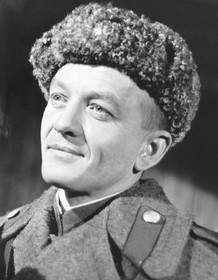
Luftwaffe Colonel von Luger (Hannes Messemer)
Played by Hannes Messemer
Colonel von Luger serves as the stern commander of the camp, torn between his duty and his moral opposition to the extreme measures being implemented against the prisoners. His character reflects the complexity of the war, caught in the relentless tug-of-war between protocol and humanity. His interactions with the POWs reveal an underlying sense of sympathy for their plight.
- 🎖️ Authority
- 🧠 Moral Conflict
- 💔 Complexity
Where and When Is The Great Escape Set?
The Great Escape is set in Third Reich, Germany, Sweden, France, Spain, German-Swiss Border (1943). Here is why the time and place matter to the story.
When
1943
The events occur during World War II, a time characterized by extensive military conflict and significant global upheaval. The year 1943 is pivotal as Allied forces are intensifying their efforts against Axis powers, leading to increased risks for prisoners of war. This tumultuous period is marked by bravery, desperation, and the dire consequences of captured soldiers' escape attempts.
Where
Third Reich, Germany, Sweden, France, Spain, German-Swiss Border
The movie is set primarily within the confines of a prison camp during World War II, located in the Third Reich. This facility is known for its rigorous security and the relentless attempts of Allied POWs to escape. The surrounding countries such as Sweden, France, and Spain play a significant role in the escape routes as the prisoners navigate their way through Europe in search of freedom.
- 🇩🇪 Germany
- 🌍 Europe
- 🏞️ Forest
What Are the Themes of The Great Escape?
3 ideas the story keeps returning to, among them Escape, Sacrifice and Conflict.
-
01
Escape
The central theme of the movie revolves around the audacious attempts of Allied POWs to escape from their captors. It highlights the ingenuity and determination of the prisoners as they meticulously plan and execute multiple escape attempts. This theme resonates with the human spirit's desire for freedom amid dire circumstances and the camaraderie among the prisoners as they work together toward a common goal.
-
02
Sacrifice
The theme of sacrifice is prevalent, as many prisoners face mortal danger in their quest for freedom. Their willingness to endure physical punishment and even death reflects the profound cost of their pursuit. The execution of many prisoners underscores the brutal reality of wartime consequences and the heavy price paid for the hope of liberation.
-
03
Conflict
Conflict, both internal and external, drives the narrative of The Great Escape. The struggle against the oppressive regime of the Third Reich illustrates the broader conflict of World War II. Within the camp, there is conflict among the prisoners as they grapple with fear, leadership decisions, and the moral implications of escape, showcasing the tension in survival under tyranny.
What Kind of Film Is The Great Escape?
Tense in tone, with steady pacing and a moderate story, going by the plot summary.
- Tone
- Tense
- Pacing
- Steady
- Story
- Moderate
- Intensity
- High
- Ending
- Bittersweet
A tense and methodical World War II prison escape film that builds claustrophobic suspense through meticulous planning, leading to a daring breakout with tragic consequences and a final note of defiant hope.
- tense
- claustrophobic
- desperate
- courageous
- methodical
- tragic
- prison escape
- world war ii
- survival
- courage and ingenuity
Content notes: war violence, execution, confinement, shooting death, prisoner of war camp.
Quiz
How well do you remember The Great Escape? Test yourself on the story.
Where to Watch The Great Escape
Stream it on Amazon MX Player and Amazon Prime Video, or rent or buy it from Amazon Video and Apple TV Store. US availability and prices from JustWatch.
Stream 7
 Amazon MX Player
  Amazon Prime Video
  Amazon Prime Video Free with Ads
  Amazon Prime Video with Ads
  Philo
Philo  YouTube Free
  YouTube TV





Streaming availability in the US, powered by