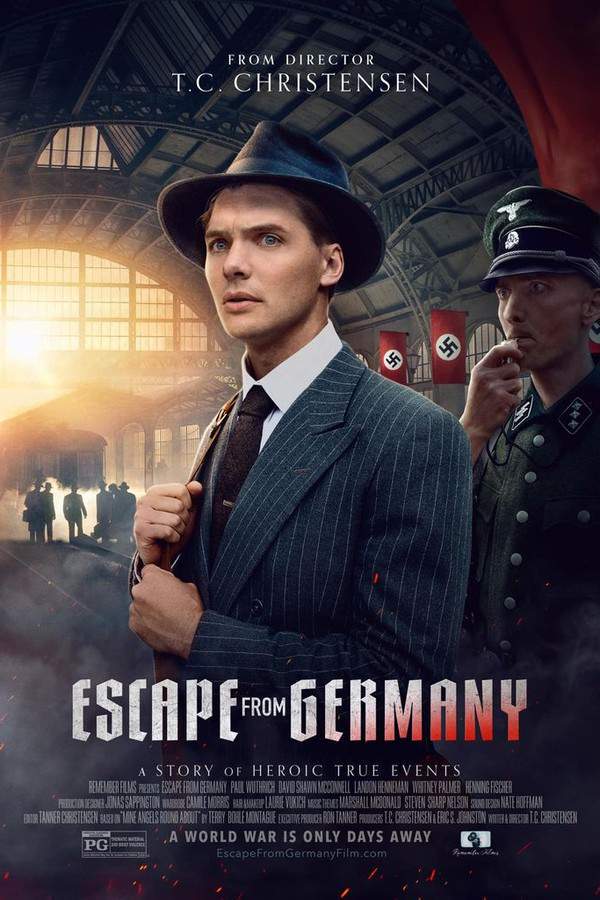
What Is Escape to Victory About?
The premise of Escape to Victory in 350 words, with nothing given away. The full story follows below.
In the bleak winter of a German POW camp, a rag‑tag group of Allied soldiers discovers an unexpected chance to step beyond the barbed wires: a soccer match against a German squad. The very notion of a game, staged under the watchful eyes of the occupiers, becomes a fragile thread of normalcy that pulls at the longing for freedom, dignity, and a reminder of life before the war. The camp’s concrete walls and watchtowers contrast sharply with the green of a makeshift pitch, creating a world where sport briefly eclipses the surrounding oppression.
At the heart of the endeavor is John Colby, a stoic English captain whose past as a West Ham United player gives him both the technical know‑how and the quiet authority to rally the prisoners. As coach and manager, he must balance the raw talent of a multinational squad with the ever‑present pressures of their captors. Colby’s leadership is defined by a blend of measured discipline and an unspoken belief that a well‑played game can speak louder than a weapons‑laden chant, setting the tone for a camaraderie that feels both defiant and fragile.
Joining him is Robert Hatch, a brash American who arrived as a member of the Canadian Army and insists on taking the role of trainer. Hatch brings a restless energy and an undercurrent of personal purpose, hinting at motives that extend beyond the whistle’s blow. His presence introduces a subtle tension: the desire to help his comrades succeed on the field meets an individual yearning for a chance at escape, and his interactions with Colby highlight the delicate dance between collective duty and personal ambition.
The film balances the gritty realism of wartime captivity with the buoyant, almost reckless spirit of a sport that refuses to be silenced. A tone of understated heroism permeates every scene, as the prisoners navigate propaganda, suspicion, and the ever‑present threat of discovery while polishing a battered ball. The atmosphere crackles with anticipation, hinting that the match may become more than a simple exhibition—a fleeting arena where courage, solidarity, and hope converge on a line between victory and survival.
What Happens in Escape to Victory?
The complete story of Escape to Victory, from the first scene to the last, in 778 words (about 3 minutes). Spoilers throughout. Names in the text link to 4 cast member pages.
Spoilers ahead
A team of Allied prisoners of war (POWs), coached and led by English Captain John Colby, a former West Ham United player, agrees to play an exhibition match against a German squad, only to discover that the game is part of a German propaganda stunt designed to showcase their supposed “sportsmanship.” The squad, a mix of men from different nations, is assembled by Colby as much as it is selected for skill, grit, and the ability to endure pressure under a watchful and biased crowd.
The lineup is carefully chosen by Colby, who acts as both captain and manager, shaping a cohesive unit that can compete under strain. One additional figure, Robert Hatch, an American serving with the Canadian Army, is not initially part of the team but insists on joining as the trainer. Hatch has his own motive—a plan to escape—which would also keep him close enough to assist a broader breakout, should the chance arise. His persistence tests Colby’s resolve, and the team’s spirit is stretched as the prisoners weigh loyalty to their comrades against the risk of a dangerous mission.
Colby’s superiors urge him to turn the match into a cover for a broader escape, urging him to seize the moment on the field. But Colby refuses to gamble with his players’ lives, fearing that an attempted breakout during the game could end in tragedy for everyone involved. Meanwhile, Hatch quietly progresses with his escape plan, and the authorities in Paris agree to help him if he can secure a connection with the French Resistance in the city. The plan begins to take shape as Hatch finds a route through the labyrinthine streets of occupied Paris and into the Resistance’s orbit.
The Resistance is initially wary, but when they learn the match will be held at the Colombes Stadium, they entertain a daring idea: stage a coordinated escape using a tunnel drilled from the sewer system that leads into the showers of the players’ changing rooms. To keep the mission alive, Hatch agrees to be recaptured so he can relay the underground plan back to the British officers in the prison camp, keeping the possibility of a real rescue alive. The tension thickens as the bar is raised—Hatch’s future becomes a hinge on whether the escape can be executed without tipping off the German guards.
Back in the camp, Colby explains the need for Hatch as the team’s backup goalkeeper, especially since the starting goalkeeper sustains an arm injury. In a stark moment of sacrifice and manipulation, Colby convinces the Germans that Hatch’s presence is essential by orchestrating an injury to the current starter. The plan relies on a delicate balance of subterfuge, trust, and the nerve-wracking chance that the Resistance’s tunnel could actually reach the Allied dressing room.
On the day of the match, the POWs are only allowed to leave the camp temporarily; after the game, they would be imprisoned again. The clandestine tunnel makes its presence known when German officials are distracted and the Resistance breaches the field at halftime. The scoreline is perilously behind, with the Allied players trailing 4–1, but the interruption gives them a glimmer of hope. As the second half begins, the team’s resolve is tested: Hatch is urged to return to the pitch and finish the game rather than walk through the tunnel to freedom, and he ultimately agrees to stay with the squad for the sport’s sake.
As the second half unfolds, the Allied players, led by standout performances from players such as Luis Fernandez and Carlos Rey (the former recognized for his agility and the latter for his tactical play), push back against the biased refereeing and a German side determined to secure a win at any cost. The defense and goalkeeping heroics come to a dramatic head when a late penalty is saved by Hatch, preserving a hauntingly close 4–4 draw. It’s a game defined by courage, stubborn defense, and the refusal to give in to overwhelming odds, with a disallowed Allied goal that shapes the final narrative of the match as much as the on-field battles do.
When the final whistle blows, the stadium erupts in chaotic celebration and confusion. The crowd surges onto the pitch, and a handful of sympathetic spectators help the Allied players slip into the confusion. In the ensuing commotion, the players use the opportunity to slip through gaps in the crowd and through the gates, aided by allies outside the stadium, and they break free from captivity. The match remains a triumph of spirit and teamwork under impossible circumstances, illustrating how sport can serve as a vehicle for resistance, escape, and hope even in the darkest of times.
Escape to Victory Timeline: Every Key Event in Order
12 key events in the order they happen, from “Colby forms the Allied team and schedules an exhibition match” to “Crowd aid leads to a successful escape after the match”. 12 events name a place, across 6 locations.
- 1
Colby forms the Allied team and schedules an exhibition match
Captain John Colby selects his squad of POWs to face a German team in an exhibition match. He acts as captain and manager, balancing morale and safety as he builds the lineup. The decision to proceed with the game sets up the central conflict between escape plans and playing the match as propaganda.
Where:POW camp
- 2
Hatch joins the team as trainer after pushing his case
Hatch, an American serving with the Canadian Army, argues his place on the team as trainer and administrator. He insists being with the squad will help him in an eventual escape plan. Colby reluctantly allows him in, recognizing Hatch’s usefulness but fearing the risk.
Where:POW camp
- 3
Officers push for using the match as an escape opportunity
Colby’s superiors urge him to leverage the match to stage an escape, hoping a high-profile failure would boost Allied morale. Colby resists, fearing the potential deaths of his players and the consequences for everyone involved. The clash reveals the ethical burden Colby bears as leader.
Where:POW camp
- 4
Hatch escapes and reaches the French Resistance in Paris
Hatch successfully escapes the prison camp and finds the Resistance in Paris, seeking their aid for the team’s potential escape. The Resistance initially weighs the risks but is intrigued by the plan surrounding the Colombes Stadium. Hatch becomes their link to the outside world.
Where:Paris
- 5
Resistance plans a tunnel escape tied to the match
The Resistance, after realizing the game will be at Colombes Stadium, devises a tunnel escape using the Paris sewer system to reach the players’ showers. They persuade Hatch to let himself be recaptured so he can relay the plan back to the British officers. The plan stabilizes around a dramatic, secret route to freedom.
Where:Paris
- 6
Hatch is recaptured and becomes the conduit for information
Hatch is recaptured and placed in solitary confinement, leaving the prisoners uncertain whether the Resistance will act. Colby informs the Germans that Hatch is essential to the lineup as the backup goalkeeper, creating a leverage point for the plan back home. Hatch’s stint in isolation becomes a crucial loose end for the escape plot.
Where:Prison camp
- 7
Colby arranges Hatch’s inclusion through an injury ruse
To ensure Hatch can join the team, Colby reveals that the starting goalkeeper has broken his arm, creating a need for the backup. In a risky move, Colby must demonstrate the injury to the Germans to legitimize Hatch’s place. The scene underscores Colby’s willingness to bend rules for his players’ survival.
Where:German camp
- 8
The POWs are allowed to depart the camp for the match, with a plan to return
The POWs are permitted to leave the camp to play the match, but they are expected to be imprisoned again afterwards. The tension hinges on whether the Resistance’s tunnel plan will reach fruition in time. The journey to Colombes Stadium becomes a race against capture.
Where:German camp to Colombes Stadium
- 9
Resistance tunnel breakthrough reaches the dressing room at halftime
At halftime, the Resistance tunnels break through to the Allied dressing room, finding the team trailing 4–1. The dramatic intrusion confirms the plan is active and that a route to freedom exists. The moment injects renewed hope into the players and their supporters.
When:Halftime Where:Colombes Stadium
- 10
Hatch returns to the pitch for the second half
Despite the escape plan, Hatch is persuaded to return to the field for the second half rather than leading a breakout. He takes his place as goalkeeper, preparing to counter the German offense. The decision keeps the game focused on football, while the escape remains a looming possibility.
When:Second half Where:Colombes Stadium
- 11
The game becomes a hard-fought 4–4 draw amid bias and injuries
The officials are heavily biased toward the Germans, and the German team commits several deliberate injuries to the Allied players. Despite the obstacles, the Allied team, with Hatch in goal, stages a remarkable comeback and earns a 4–4 draw. A disallowed Allied goal earlier adds to the controversy of the match.
Where:Colombes Stadium
- 12
Crowd aid leads to a successful escape after the match
After Hatch’s crucial saves, the crowd storms the field and helps disguise the Allied players for a breakout. Some spectators assist in smuggling the players out, and they burst through the gates toward freedom. The match becomes a turning point that transforms sport into a route to safety.
When:Post-match Where:Colombes Stadium
Who Are the Main Characters in Escape to Victory?
7 characters, among them Captain John Colby, Captain Robert Hatch and Luis Fernandez: who each one is and the part they play in the story. Every profile links to the actor’s page.
-

Captain John Colby
Played by Michael Caine
English captain and de facto team manager; a former West Ham player who must balance leadership with concern for his men's safety. He resists using the match purely as an escape ploy, yet he is willing to make hard decisions to protect the squad, even if it means personally injuring a teammate to ensure Hatch's inclusion.
- 🧭 Leadership
- 🎯 Strategy
-

Captain Robert Hatch
Played by Sylvester Stallone
American trainer and early skeptic who fights to join the team and later drives the escape plan. He persistently negotiates his place on the squad, then partners with the Resistance to secure a route for freedom, even at great personal risk.
- 💪 Determination
- 🧭 Resourcefulness
-

Luis Fernandez
Played by Pelé
Brazilian Cpl. renowned for his skill and flair, a crucial attacking threat for the Allied side. His performance on the field helps carry the team through tough periods, showcasing speed, creativity, and heart under pressure.
- ⚽ Skill
- 🛡️ Courage
- CR
Carlos Rey
Played by Osvaldo Ardiles
Argentine forward whose fearless play adds pace and precision to the squad. Rey's willingness to take risks underlines the game's dramatic, high-stakes atmosphere and contributes to the dramatic comeback.
- ⚡ Speed
- 🎯 Precision
- TB
Terry Brady
Played by Bobby Moore
English player whose steadiness and determination help anchor the team’s defense and midfield. Brady's reliability and teamwork are highlighted in crucial moments of stoppage and when the team fights to stay level with their German opponents.
- 🏅 Veteran
- 🛡️ Reliability
-
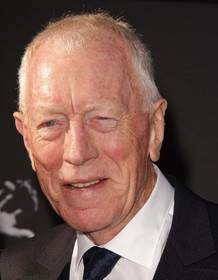
Major Karl von Steiner
Played by Max von Sydow
German officer in charge, representing the harsh authority of the regime. His discipline and tactical mind drive the on-field competition and the stiff resistance the Allied players face.
- ⚔️ Discipline
- 🎖️ Authority
- CW
Colonel Waldron
Played by Daniel Massey
British superior officer pressuring Colby to use the match for an escape, while coordinating with Hatch to manage risks and outcomes. He embodies strategic oversight and concern for the prisoners' safety.
- 🧭 Coordination
- 🗡️ Risk
Where and When Is Escape to Victory Set?
Escape to Victory is set in German POW camp, Colombes Stadium and Paris sewer system (World War II, 1940s). Here is why the time and place matter to the story.
When
World War II, 1940s
Set in the European theater of World War II, the narrative follows Allied POWs as they navigate German control and a staged match. The period’s secrecy, risk, and resistance shape the stakes and pacing, emphasizing the thin line between performance and survival. The WWII setting provides the context for camaraderie, daring escapes, and the price of freedom.
Where
German POW camp, Colombes Stadium, Paris sewer system
The story centers on a German POW camp during World War II, with the high-stakes football match at Colombes Stadium near Paris. The game doubles as a propaganda spectacle and a morale boost for Allied prisoners. The escape plan threads through the Paris sewers, turning the city into the backdrop for courage and risk.
- 🏰 POW camp
- 🏟️ Colombes Stadium
- 🕳️ Paris sewers
What Are the Themes of Escape to Victory?
3 ideas the story keeps returning to, among them Teamwork, Propaganda and Escape.
-
01
Teamwork
Disparate nations and backgrounds unite under pressure to form a cohesive unit. Colby’s leadership and Hatch’s persistence bridge gaps, while Fernandez, Rey, and Brady contribute their unique skills. The film shows that trust, sacrifice, and clear communication are essential when facing a superior foe. On-field collaboration becomes a symbol of solidarity beyond borders.
-
02
Propaganda
The German authorities stage the match as a showcase of dominance, turning sport into a tool of control. The Paris Resistance and Allied planners expose the manipulation behind the spectacle, highlighting the tension between appearance and reality. The narrative demonstrates how propaganda cannot extinguish courage and human resilience.
-
03
Escape
An underground escape plan runs in parallel with the game, using the Paris sewers to reach the showers and slip away. Hatch coordinates with the Resistance, adding a dangerous layer to the undercover operation. The crowd’s chaos and the tunnel's decisive moments culminate in a chance for freedom, even as danger remains.
What Kind of Film Is Escape to Victory?
Tense in tone, with steady pacing and a moderate story, going by the plot summary.
- Tone
- Tense
- Pacing
- Steady
- Story
- Moderate
- Intensity
- High
- Ending
- Bittersweet
A tense and hopeful war drama where a soccer match in a Nazi prison camp becomes a high-stakes act of defiance, building suspense through meticulous planning and culminating in a chaotic, bittersweet escape.
- tense
- hopeful
- defiant
- courageous
- suspenseful
- underdog spirit
- prisoner of war
- resistance
- sports as defiance
- escape plan
Content notes: war violence, imprisonment, propaganda.
Quiz
How well do you remember Escape to Victory? Test yourself on the story.
Where to Watch Escape to Victory
Rent or buy it from Amazon Video and Apple TV Store. US availability and prices from JustWatch.





Streaming availability in the US, powered by