What Is Escape from Sobibor About?
The premise of Escape from Sobibor in 328 words, with nothing given away. The full story follows below.
In the stark winter of 1943, the film opens on the bleak outskirts of Sobibor, a Nazi camp cloaked in the false promise of “work” while the reality remains chillingly opaque. The camera lingers on the barbed‑wire fences, the soot‑blackened buildings, and the relentless routine that masks an undercurrent of desperation. A measured narration threads through the opening, grounding the audience in a world where every whispered conversation could be a seed of rebellion, and where the ever‑present fear is softened only by fleeting moments of humanity among the prisoners.
At the heart of the story is a quietly determined inmate whose courage becomes the catalyst for a daring collective effort. Leon Feldhendler, a thoughtful organizer, quietly assesses the camp’s fragile balance and begins to sow the notion that survival may demand more than passive endurance. Into this precarious equation arrives Alexander “Sasha” Pechersky, a Russian soldier whose military experience brings discipline and a new perspective to the simmering unrest. Their interactions reveal a delicate dance of trust, strategy, and the unsettling awareness that the very structures meant to crush hope can also be leveraged against themselves.
The film’s tone swings between the oppressive weight of camp life and the restless spark of defiance that flickers in the prisoners’ eyes. Through restrained yet powerful framing, the audience senses the growing tension as plans are whispered in shadowed bunkrooms and alliances are forged across language and background. A subtle, almost inaudible drumbeat of urgency underscores each scene, hinting at an impending shift without revealing its shape.
Rendered with stark realism and anchored by a restrained narration, the story invites viewers to linger on the moral complexity of resistance. It asks what it means to lead when every step could be fatal, and whether the promise of freedom can endure the oppressive silence of a place designed to erase it. The atmosphere is one of quiet resolve, leaving the outcome a haunting question that lingers long after the credits roll.
What Happens in Escape from Sobibor?
The complete story of Escape from Sobibor, from the first scene to the last, in 802 words (about 3 minutes). Spoilers throughout. Names in the text link to 4 cast member pages.
Spoilers ahead
The film opens with a new trainload of Polish Jews arriving for processing at Sobibor, narrated by Howard K. Smith. The German Commandant greets the newcomers with a polished speech, presenting Sobibor as a work camp and trying to set a tone of routine. As officers move along the assembled lines, they select a small number of prisoners with specific trades—goldsmiths, seamstresses, shoemakers, and tailors—while the rest are sent to a different section where a constant plume of smoke signals the grim fate awaiting those who are not kept in the loop. The difference between appearance and reality becomes stark quickly: Sobibor is really a death camp, where the vast majority are exterminated in gas chambers and their bodies are cremated in large ovens. The survivors who are kept alive in the other part of the camp are assigned to sorting belongings, repairing shoes, recycling clothing, and melting down valuables to enrich the SS officers. Even for those kept alive, the daily reality is brutal—beatings and murders can occur without warning. Gustav Wagner stands out as the most ruthless and calculating of the German officers, wielding power with chilling cruelty.
When two prisoners escape from a work detail in the nearby forest, Wagner responds with terrifying, authoritarian resolve. He forces the remaining thirteen prisoners to each select one other prisoner to die with them, threatening that if they refuse, he will pick fifty. The result is a grim mass execution of twenty-six men, a brutal demonstration of the regime’s control and the fear that sustains it. The film then shifts to the camp’s broader leadership, where Leon Feldhendler emerges as the steadier, more strategic voice among the prisoners. He recognizes that the day will come when trains stop and Sobibor’s usefulness will end; at that moment, all the Jews still inside the camp will be murdered unless something changes. In response, he begins to organize a plan for escape—one that hinges on luring the SS officers and NCOs into the prisoners’ barracks and work huts, killing them quietly one by one, and then marching the remaining inmates out of the camp as if they have received a routine order. The addition of a second, crucial element comes with the arrival of Red Army prisoners who are Russian Jews. Led by Alexander ‘Sasha’ Pechersky and his men, their military experience becomes a valuable asset to the revolt, lending structure and discipline to the uprising that the inmates have long discussed in whispers.
With the plan forming, the camp’s dynamics shift as an opportunity presents itself. The Commandant leaves for several days, taking Wagner with him, a fortunate absence that removes the most dangerous obstacle from the upcoming actions. On 14 October 1943, the meticulously prepared plan moves into action: groups of prisoners lure SS officers and NCOs into traps, using knives and clubs to neutralize guards one by one. Eleven Germans are killed before chaos interrupts the operation; Karl Frenzel, an especially ruthless officer, survives a trap and, upon discovering a corpse, raises the alarm. The alarm disrupts the initial momentum, but the revolt continues, and the prisoners assemble on the parade ground. In a moment of resolve, Pechersky and Feldhendler urge the fighters and the others to flee, transforming the plan from a calculated set of takedowns into a full-scale breakout. The chaos that follows is devastating, with many prisoners trying to break through the perimeter while Ukrainian guards and guards in observation towers open fire, creating a deadly corridor of bullets. Despite these deadly obstacles, more than 300 prisoners manage to reach the forest and begin an arduous trek toward freedom, some armed with captured rifles.
As the escape unfolds, the film threads in the fates of those who survived long enough to bear witness. The newscaster narration by Howard K. Smith returns to recount the consequences of the uprising for those who fled, grounding the historical memory in personal stories. Of the roughly 300 who escaped Sobibor, only about 50 survive the rest of the war. [Alexander ‘Sasha’ Pechersky] returns to Soviet lines and rejoins the Red Army, continuing to fight alongside his fellow soldiers. [Leon Feldhendler] also survives the immediate aftermath, living to see the end of the war, but is killed shortly afterward in a clash with anti-Semitic Poles. The brutal arc of [Gustav Wagner] ends far from Sobibor—he escapes to Brazil, where his life ends in tragedy when he is found stabbed to death in 1980. In the wake of the uprising, Sobibor is bulldozed, and trees are planted on the site to erase any visible trace of the camp’s existence. The narrative closes on a stark reminder: the Sobibor revolt was the largest escape from a prison camp in Europe during World War II, leaving a lingering question about memory, justice, and the costs of resistance.
Escape from Sobibor Timeline: Every Key Event in Order
13 key events in the order they happen, from “New prisoners arrive and are sorted” to “Sobibor is bulldozed and memory erased”. 13 events name a place, across 5 locations.
- 1
New prisoners arrive and are sorted
The film opens with a trainload of Polish Jews arriving at Sobibor for processing. SS officers separate a small number with trade skills from the rest, who are sent to the camp's death area. A distant pillar of smoke marks the cremation of those not chosen, signaling the brutal reality of Sobibor's function.
When:1943 Where:Sobibor
- 2
Sobibor reveals its death-camp reality
The newly arrived prisoners quickly realize Sobibor is a death camp, where the murdered Jews are cremated and their belongings are sorted and recycled. A small group of prisoners is kept busy sorting belongings, repairing shoes, and melting down silver for the SS officers. This daily routine underscores the system of extermination beneath the camp's labor façade.
When:1943 Where:Sobibor
- 3
Wagner's brutal punishment after a failed escape
After two prisoners escape from a work detail, Wagner forces the remaining thirteen to select one fellow prisoner to die with them; if they refuse, he threatens to pick fifty instead. He then executes all twenty-six men, demonstrating the brutal control that governs life inside Sobibor. The incident reveals the cruelty that anchors the camp's power structure.
When:1943 Where:Sobibor
- 4
Feldhendler devises an ambitious escape plan
Leon Feldhendler, the camp's prisoner leader, realizes Sobibor's fate relies on a drastic plan to end the German presence. He devises an escape strategy that lures SS officers and NCOs into the barracks and huts, with the aim of killing them quietly. Once the Germans are gone, the prisoners would mass in columns and march out, betting on the Ukrainian guards' confusion.
When:before 14 Oct 1943 Where:Sobibor
- 5
Pechorsky and Red Army prisoners join the revolt
A new group of inmates arrives: Red Army prisoners who are Russian Jews. Their leader, Sasha Pechersky, and his men willingly join the revolt, bringing military skills and organization to the plan. Their involvement strengthens the uprising and provides crucial tactical expertise.
When:before 14 Oct 1943 Where:Sobibor
- 6
The commandant leaves; Wagner gains temporary control
The camp commandant leaves for several days, taking Wagner with him, creating a rare window of opportunity for the prisoners to organize and implement the plan. With the German leadership temporarily absent, the conspiracy gains momentum and the plan begins to take shape. This absence becomes a critical factor in the uprising's timing.
When:early Oct 1943 Where:Sobibor
- 7
Uprising launches on 14 October 1943
On 14 October 1943, the plan goes into action as prisoners lure officers into traps and strike with knives and clubs. Eleven German officers are killed before Karl Frenzel inadvertently uncovers a corpse and raises the alarm. The ruse collapses as guards rally and the escape plan is exposed.
When:14 October 1943 Where:Sobibor
- 8
Revolt escalates and attacks unfold
The revolt intensifies as prisoners assemble on the parade ground and press the attack. Some attackers manage to seize rifles and assault the guards, while others attempt to break through the perimeter via the forest or the minefield. The Ukrainian guards and lookout towers fire back, inflicting heavy casualties and derailing the initial breakout.
When:14 October 1943 Where:Sobibor
- 9
Mass escape and its deadly toll
Across the camp, chaos ensues as hundreds try to flee; about 300 escape, while many are cut down by machine guns or fall on the minefield. Those who reach the forest face a perilous chase and brutal deaths at the hands of pursuing guards. The escapees' numbers shrink rapidly as the day wears on.
When:14-15 October 1943 Where:Sobibor
- 10
Aftermath and the survivors' fate
Howard K. Smith's narration later recaps the fates of survivors, grounding the story in real accounts. Of the roughly 600 inmates, about 300 escape, but only around 50 survive to the war's end in 1945. The mass escape is depicted as the largest of its kind in Europe during World War II.
When:1943-1945 Where:Sobibor forests
Show the other 3 events of Escape from Sobibor Hide the last 3 events
- 11
Pechorsky and Feldhendler's final fates
Pechorsky makes it back to Soviet lines and survives the war, continuing to fight with the Red Army. Feldhendler also lives to see the end of the war but is killed shortly afterwards in a clash with anti-Semitic Poles. These outcomes highlight the heavy personal costs and the volatile post-war climate.
When:1945 Where:Soviet Front / Sobibor region
- 12
Wagner's post-war fate
Gustav Wagner escapes to Brazil, where he continues to live until his death by stabbing in 1980. His career of sadism at Sobibor remains a focal point of the camp's brutal history. The epilogue links his legacy to the uprising and its propaganda of resistance.
When:1980 Where:Brazil
- 13
Sobibor is bulldozed and memory erased
After the uprising, Sobibor is bulldozed to the ground and trees are planted on the site to erase any sign of its existence. The physical memory of the camp is buried, but the memory of its victims and the uprising endures in survivors' accounts. The film ends by cementing Sobibor's place in history as both a site of horror and a symbol of resistance.
When:Post-1943 Where:Sobibor site
Who Are the Main Characters in Escape from Sobibor?
6 characters, among them Leon Feldhendler (Alan Arkin), Alexander 'Sasha' Pechersky (Rutger Hauer) and Gustav Wagner (Hartmut Becker): who each one is and the part they play in the story. Every profile links to the actor’s page.
-

Leon Feldhendler (Alan Arkin)
Played by Alan Arkin
Leader of the prisoner group, Feldhendler is pragmatic and calculating, early in recognizing the camp’s imminent danger. He drives the escape plan, balancing risk with a belief that collective action can overthrow the guards. His resolve and collaboration with Sasha Pechersky anchor the revolt and its tempo.
- 🎯 Leader
- 🧭 Strategist
- 🧍 Prisoner
-
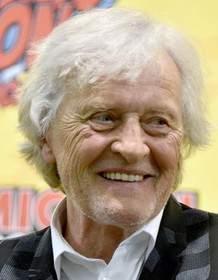
Alexander 'Sasha' Pechersky (Rutger Hauer)
Played by Rutger Hauer
A decisive organizer among the Soviet Jewish inmates, Pechersky brings military acumen and discipline to the revolt. He arms the group with tactical insight, coordinating assaults and escape routes. His leadership helps unite diverse prisoner factions toward a common goal.
- 🧭 Commander
- 🎖️ Rebel
- 🧪 Tactician
- GW
Gustav Wagner (Hartmut Becker)
Played by Hartmut Becker
The camp's most clever and sadistic officer, Wagner embodies the brutal efficiency of the murder machine. His threats and capricious violence heighten danger for prisoners and test their will to resist. His absence during part of the plan provides a brief strategic window for the rebellion.
- 🗡️ Brutality
- 🎖️ Authority
- 🧬 Tyranny
- KF
Karl Frenzel (Kurt Raab)
Played by Kurt Raab
An officer who becomes aware of the brewing revolt and inadvertently triggers alarm when he discovers a crime scene. His actions heighten the stakes for the prisoners as they execute their daring plan. Frenzel's role marks a turning point that intensifies the escape sequence.
- ⚠️ Authority
- 🧭 Risk
- 🧩 Catalyst
- IL
Itzhak Lichtman (Jack Shepherd)
Played by Jack Shepherd
A prisoner whose presence and participation reflect the diverse internal dynamics of Sobibor’s inmate population. Lichtman contributes to the collective effort, sharing in the risks and decisions of the revolt. His involvement illustrates the cross-group cooperation in the uprising.
- 🧭 Worker
- 🧬 Survivor
- CE
Chaim Engel (Robert Gwilym)
Played by Robert Gwilym
A survivor whose experience represents the broader human dimension of the escape. Engel’s perspective during the uprising underscores the personal costs and the enduring will to live beyond the camp’s confines. He embodies resilience amid extreme danger.
- 🧭 Survivor
- 📝 Witness
Where and When Is Escape from Sobibor Set?
Escape from Sobibor is set in Sobibor extermination camp, Sobibór and Poland (1943). Here is why the time and place matter to the story.
When
1943
The events unfold during World War II, with Sobibor operating as a Nazi death camp in occupied Poland. On 14 October 1943, prisoners carried out a coordinated revolt to overpower their guards and escape. Though many were killed in the breakout, about 300 reached the forest and roughly 50 survived the war ending in 1945.
Where
Sobibor extermination camp, Sobibór, Poland
Sobibor was a Nazi extermination camp in occupied Poland where Jews were murdered in gas chambers and their belongings looted for the benefit of the SS. A separate area housed prisoners kept for forced labor, who endured brutal conditions while factories and ovens processed victims. After the uprising, Sobibor was bulldozed and trees were planted to erase its existence.
- 🔎 Holocaust site
- 🔥 Death camp
- 🗺️ Poland
What Are the Themes of Escape from Sobibor?
3 ideas the story keeps returning to, among them Resistance, Survival and Memory.
-
01
Resistance
Prisoners organize a bold plan to topple their captors and reclaim freedom. The revolt relies on deception, luring guards into traps and executing a calculated, covert assault. Unity among prisoner groups, including Red Army prisoners, is crucial to the plan's success. It remains one of the largest escapes from a Nazi prison camp in Europe during WWII.
-
02
Survival
Conditions in Sobibor were brutal, with routine executions and brutal beatings used to suppress dissent. A small group maintained a fragile existence through forced labor, scavenging moments to support the escape plan. The narrative highlights resilience and the humanity that endured amid dehumanizing cruelty.
-
03
Memory
Howard K. Smith's narration ties the film to survivor accounts and historical records, grounding the story in real testimony. The film emphasizes remembering the victims and the survivors whose lives intersected with the uprising. It underscores the lasting warning of totalitarian violence and the cost of forgetting.
What Kind of Film Is Escape from Sobibor?
Dark in tone, with steady pacing and a straightforward story, going by the plot summary.
- Tone
- Dark
- Pacing
- Steady
- Story
- Straightforward
- Intensity
- High
- Ending
- Bittersweet
A harrowing and tense historical drama that unflinchingly portrays the brutal reality of a Nazi death camp, building towards a courageous and suspenseful uprising that offers a bittersweet glimpse of defiance.
- oppressive
- tense
- grim
- courageous
- suspenseful
- harrowing
- holocaust
- jewish resistance
- prisoner uprising
- survival
Content notes: mass murder, holocaust, concentration camp violence, executions, brutality.
Quiz
How well do you remember Escape from Sobibor? Test yourself on the story.
Where to Watch Escape from Sobibor
Stream it on Amazon MX Player and Amazon Prime Video, or rent or buy it from Fandango At Home and FlixFling. US availability and prices from JustWatch.
Stream 15
 Amazon MX Player
  Amazon Prime Video Free with Ads
  Artiflix
  Best of British Tv Amazon Channel
  Darkroom
  Fawesome
  FlixFling
  FlixHouse
  Mometu
  Philo
Philo  Plex
Plex  Plex Channel
  The Roku Channel
  Tubi TV
  Xumo Play

Streaming availability in the US, powered by