What Is Escape from Sobibor About?
The premise of Escape from Sobibor in 251 words, with nothing given away. The full story follows below.
In the bleak winter of 1943, the Sobibor camp looms over a desolate landscape, its barbed fences and unrelenting routine casting a pall of dread over every inmate. The Nazis maintain a thin veneer of order, forcing those forced to work into a grim choreography of survival while the camp’s very walls seem to whisper of unseen horror. Within this oppressive world, the daily grind is punctuated by furtive glances and whispered conversations, as hope flickers only in the most secret corners of the barracks.
Among the prisoners, Leon Feldhendler stands out as a cautious, thoughtful organizer, his steady demeanor earned through years of watching the camp’s machinery grind down hope. When the new arrival Alexander “Sasha” Pechersky steps onto the frozen grounds, his background in the Red Army brings a disciplined urgency that instantly reshapes the fragile balance of resistance. The two men, though shaped by different experiences, quickly recognize a shared purpose: to channel the scattered resolve of their fellow inmates into something far greater than survival alone.
Together they begin to nurture a quiet network, coaxing trust from those assigned to the camp’s essential tasks and drawing on the fresh resolve of incoming prisoners. The atmosphere hums with a tense anticipation, each careful conversation a step toward an audacious plan that could change everything. Beneath the ever‑present threat of discovery, the inmates cling to the promise that a coordinated effort might one day break the iron grip of Sobibor, turning whispered defiance into a daring bid for freedom.
What Happens in Escape from Sobibor?
The complete story of Escape from Sobibor, from the first scene to the last, in 543 words (about 2 minutes). Spoilers throughout.
Spoilers ahead
A fresh train arrives at Sobibor, and the German commandant maintains the grim pretense that the camp is a work camp. A handful of prisoners with trades are spared to help run things—sorting the victims’ belongings, repairing shoes, recycling clothing, and melting precious metals into jewellery for the SS—while the rest are moved to a harsher part of the camp where a constant pillar of smoke marks the crematorium. Leon Feldhendler [Alan Arkin] emerges as a measured, careful leader among the prisoners, recognizing that the system’s cruel utilitarian logic will eventually seal the fate of all who remain. Alexander ‘Sasha’ Pechersky [Rutger Hauer], a new arrival with a Red Army background, brings military discipline and a galvanized resolve, and together they begin to organize resistance in the shadow of brutal daily routine.
The camp’s brutality is overseen by the commandant and his most sadistic officers, including Gustav Wagner [Hartmut Becker] and Karl Frenzel [Kurt Raab], who oversee the guards and enforce terror with relentless precision. The prisoners understand that their only chance lies in a bold plan: use the trust built among the workers, lure the German guards into the prisoners’ barracks and work huts one by one, and kill them quietly so the rest can be disabled or overwhelmed. If the guards can be eliminated, the question becomes whether the prisoners can simply march out when the moment arrives, trusting the Ukrainian guards to remain oblivious without orders or a clear threat to raise the alarm. Sasha and Feldhendler marshal the dissent and the determination of their fellow inmates, and the revolt gains a new dimension when a fresh wave of Red Army prisoners arrives, their leaders and combat experience proving invaluable to the insurgents.
For a time, the camp’s commanding officers depart with Wagner, leaving the most brutal officers away from the day-to-day pressure. On 14 October 1943, the trap is sprung: the prisoners lure the officers into the traps, and two dozen are killed in the initial strikes. Eleven Germans fall before the mutiny seems to falter; when Karl Frenzel uncovers one of his men’s bodies and raises the alarm, the plan looks doomed. Yet Pechersky and Feldhendler urge the inmates to carry on, and the prisoners surge toward the perimeter to escape. Some seize rifles from guards and fire toward the Ukrainian posts, but machine-gun fire from the towers and the surrounding minefield cut a deadly swath through the escaping crowd. Still, more than 300 Jews break into the forest, joining a perilous, sprawling escape that becomes the largest breakout from a European WWII prison camp.
Newscaster Howard K. Smith [Howard K. Smith] narrates the fates that the survivors recount on screen, grounding the assault in real voices and memories. Of the roughly 300 who escaped, only about 50 survive to see the war’s end in 1945. Pechersky makes it back to Soviet lines and survives the conflict, while Feldhendler is killed soon after the war by anti-Semitic Poles. Wagner ultimately flees to Brazil, where he is stabbed to death in 1980. In the aftermath, Sobibor is bulldozed and trees planted on the site to erase the memory of what happened there, leaving behind the grim legacy of Europe’s largest escape from a prisoner camp during World War II.
Escape from Sobibor Timeline: Every Key Event in Order
15 key events in the order they happen, from “Arrival of a new trainload and camp deception” to “Fate of Feldhendler and Wagner; Sobibor memory erased”. 15 events name a place, across 5 locations.
- 1
Arrival of a new trainload and camp deception
A fresh trainload of Polish Jews arrives at Sobibor, and the German Commandant reassures them that they are entering a work camp. The deceptive calm sets the stage for the brutal reality that follows, as the camp's true purpose remains hidden from the newcomers.
Where:Sobibor
- 2
Selection of skilled prisoners
SS officers pick a small number of prisoners with trades—goldsmiths, seamstresses, shoemakers, and tailors—for labor inside the camp. The rest are sent to a different section of Sobibor where a pillar of smoke rises day and night, signaling the planned extermination.
Where:Sobibor
- 3
Sobibor revealed as a death camp
The prisoners realize Sobibor is a death camp where Jews are exterminated in gas chambers and cremated in large ovens. The grim truth starkly contrasts with the earlier assurances of labor-only confinement.
Where:Sobibor
- 4
Skilled prisoners’ forced labor
The spared skilled prisoners sort the belongings of murder victims, repair shoes, recycle clothing, and melt down precious metals to make jewelry for the SS. These tasks keep the camp's operations going and feed the guards’ wealth and power.
Where:Sobibor
- 5
Escape attempt triggers mass execution
When two prisoners escape from a work detail, the most sadistic SS officer, Gustav Wagner, gives the remaining thirteen prisoners a cruel choice: select another prisoner to die with them, or he will kill fifty prisoners. The prisoners comply and he executes all twenty-six.
Where:Sobibor
- 6
Feldhendler conceives a mass escape plan
Leon Feldhendler, the prisoners’ leader, realises the camp’s usefulness will end once trains stop arriving and devises a plan for every prisoner to escape by luring SS officers into the barracks and huts one by one. After the killings are carried out, the remaining prisoners should assemble into columns and march out of Sobibor, hoping the Ukrainian guards will remain oblivious with no Germans to give orders or raise the alarm.
Where:Sobibor
- 7
Red Army prisoners join the revolt
A new group of Red Army prisoners, led by Sasha Pechersky, arrives and willingly joins the revolt. Their military skills prove invaluable to the plan and its execution.
Where:Sobibor
- 8
Commandant departs with Wagner
The camp commandant departs for several days with Gustav Wagner, ensuring the most sadistic officers are absent during the early stages of the revolt.
Where:Sobibor
- 9
The uprising begins and officers are lured
On 14 October 1943, officers and NCOs are lured into traps and killed with knives and clubs. The plan is discovered when Karl Frenzel finds a corpse and raises the alarm, triggering chaos among the guards.
When:14 October 1943 Where:Sobibor
- 10
Mass breakout toward the perimeter
Realising the escape is unravelling, the revolt escalates as prisoners rush for the perimeter fences. Some Jews wield captured rifles to shoot at Ukrainian guards, while others push toward the forest.
When:14 October 1943 Where:Sobibor
Show the other 5 events of Escape from Sobibor Hide the last 5 events
- 11
Casualties and the minefield
Machine gun fire from the observation towers kills many of the escaping prisoners, and others are killed in the surrounding minefield. The chaos ravages the camp as guards attempt to quell the breakout.
When:14 October 1943 Where:Sobibor
- 12
Escape to the forest
Over 300 Jews reach the forest and escape into the woods, beginning a broader march toward freedom beyond Sobibor’s borders.
When:14 October 1943 Where:Forest near Sobibor
- 13
Post-uprising narrations and survivors
Newscaster Howard K. Smith later narrates the fates of some survivors, highlighting the grim outcomes for many who escaped. Of the 300 who fled, only about 50 survive to see the end of the war in 1945.
Where:World/News broadcast
- 14
Pechersky returns to Soviet lines
Sasha Pechersky makes it back to Soviet lines and rejoins the Red Army, surviving the war.
Where:Soviet Union
- 15
Fate of Feldhendler and Wagner; Sobibor memory erased
Feldhendler is killed shortly after the war by anti-Semitic Poles, and Gustav Wagner escapes to Brazil where he is stabbed to death in 1980. The camp itself is bulldozed, and trees are planted on the site to remove any sign of its existence.
Where:Sobibor vicinity
Who Are the Main Characters in Escape from Sobibor?
7 characters, among them Leon Feldhendler (Alan Arkin), Alexander 'Sasha' Pechersky (Rutger Hauer) and Naomi (Sara Sugarman): who each one is and the part they play in the story. Every profile links to the actor’s page.
-

Leon Feldhendler (Alan Arkin)
Played by Alan Arkin
Leader among the prisoners, Feldhendler organizes the revolt plan. He analyzes the camp’s situation and advocates for a coordinated escape. His steady, pragmatic approach helps keep hope alive under extreme danger.
- 🗺️ Leadership
- 🧭 Planning
- 💪 Courage
-
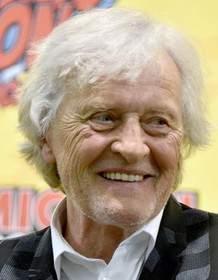
Alexander 'Sasha' Pechersky (Rutger Hauer)
Played by Rutger Hauer
Leader of the Red Army prisoners who join the revolt, bringing military awareness and tactical thinking. He mobilizes others and helps execute the plan with decisive actions. His involvement elevates the scale and potential success of the uprising.
- 🗺️ Leadership
- 🧭 Strategy
- 🛡️ Courage
- N(
Naomi (Sara Sugarman)
Played by Sara Sugarman
A prisoner who endures the brutal conditions and bears witness to the events surrounding the uprising. She contributes to the morale and survival of fellow prisoners. Her perspective provides a human lens on the camp’s horrors.
- 🧭 Resilience
- 👥 Community
- 🪶 Hope
- L(
Luka (Joanna Pacula)
Played by Joanna Pacula
A female prisoner within the camp who experiences life under the guards and becomes part of the community driving resistance. She shows courage and determination in dangerous circumstances.
- 🗺️ Community
- 🧭 Courage
- 👥 Solidarity
- M(
Mundek (David Miller)
Played by David Miller
A seasoned prisoner who contributes to the logistics and execution of the plan. He provides practical know-how and supports fellow inmates through the perilous uprising.
- 🧭 Logistics
- 🗺️ Leadership
- 🕊️ Hope
- IL
Itzhak Lichtman (Jack Shepherd)
Played by Jack Shepherd
A senior prisoner who helps coordinate the escape plan and shares his experience with others. He remains composed and strategic amid chaos and danger.
- 🧭 Strategy
- 🗺️ Experience
- 🧡 Courage
- GW
Gustav Wagner (Hartmut Becker)
Played by Hartmut Becker
One of the camp's most sadistic SS officers, responsible for brutal acts and intimidation. His cruelty underscores the stakes of the revolt and heightens the prisoners’ resolve to overthrow their oppressors.
- ⚔️ Cruelty
- 😠 Power
- 🛡️ Oppression
Where and When Is Escape from Sobibor Set?
Escape from Sobibor is set in Sobibor extermination camp, Sobibor and Poland (1943). Here is why the time and place matter to the story.
When
1943
The events unfold during World War II at the Sobibor camp in 1943. The uprising occurs in October 1943, illustrating the brutal conditions and the danger faced by prisoners. The story ends with survivors continuing to face the consequences of the camp's crimes.
Where
Sobibor extermination camp, Sobibor, Poland
Sobibor was a Nazi death camp in occupied Poland where Jews were murdered. The film centers on a 1943 uprising where prisoners plan to lure and kill SS officers and escape. After the revolt, Sobibor was bulldozed and trees planted to erase its existence.
- 🗺️ Extermination camp
- ⚔️ World War II
- 🕯️ Holocaust memory
What Are the Themes of Escape from Sobibor?
3 ideas the story keeps returning to, among them Resistance, Strategy and Brutality.
-
01
Resistance
A core thread is organized resistance against the Nazi regime. Prisoners from different backgrounds unite to challenge their captors. The plan requires discipline, sacrifice, and the willingness to risk everything for others.
-
02
Strategy
The uprising hinges on careful planning, deception, and timing. Leaders exploit routines and gaps in guard coverage to trap guards and gain the upper hand. The success depends on coordination and shared purpose among the prisoners.
-
03
Brutality
The film does not shy away from brutal acts and the constant threat of death. Prisoners face moral decisions about survival and sacrifice. The portrayal underscores the cruelty of the camp and the resilience of those who fight back.
What Kind of Film Is Escape from Sobibor?
Tense in tone, with steady pacing and a straightforward story, going by the plot summary.
- Tone
- Tense
- Pacing
- Steady
- Story
- Straightforward
- Intensity
- High
- Ending
- Bittersweet
A tense and harrowing historical drama that immerses the viewer in the desperate claustrophobia of a death camp, building to a daring and violent escape that offers a bittersweet victory at a tremendous human cost.
- oppressive
- anxious
- desperate
- claustrophobic
- somber
- grim
- holocaust
- prisoner uprising
- survival
- mass murder
Content notes: holocaust, mass murder, executions, concentration camp violence, war crimes, brutality.
Where to Watch Escape from Sobibor
Stream it on Amazon MX Player and Amazon Prime Video, or rent or buy it from Fandango At Home and FlixFling. US availability and prices from JustWatch.
Stream 15
 Amazon MX Player
  Amazon Prime Video Free with Ads
  Artiflix
  Best of British Tv Amazon Channel
  Darkroom
  Fawesome
  FlixFling
  FlixHouse
  Mometu
  Philo
Philo  Plex
Plex  Plex Channel
  The Roku Channel
  Tubi TV
  Xumo Play

Streaming availability in the US, powered by