Escape to Victory 1981


During World II, a group of Allied prisoners of war detained in a German camp organize a daring soccer match against the German National Team. The film follows their preparation, the high‑stakes game, and the courage they display, showing how sport becomes a form of resistance and solidarity amid the harsh realities of wartime imprisonment.


Does Escape to Victory have end credit scenes?
No!
Escape to Victory does not have end credit scenes. You can leave when the credits roll.
Where to Watch Escape to Victory
See current US streaming, rental, and purchase options for Escape to Victory (1981) via JustWatch.






Meet the Full Cast and Actors of Escape to Victory
Explore the complete cast of Escape to Victory, including both lead and supporting actors. Learn who plays each character, discover their past roles and achievements, and find out what makes this ensemble cast stand out in the world of film and television.

Sylvester Stallone
Captain Robert Hatch

Michael Caine
Captain John Colby

John Huston

Michael Cochrane
Farrell

Clive Merrison
The Forger
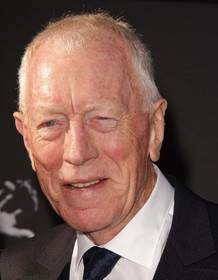
Max von Sydow
Major Karl von Steiner

Pelé
Cpl. Luis Fernandez, Brazil

Julian Curry
Shurlock
Bobby Moore
Terry Brady, England
Co Prins
Pieter Van Beck, Holland
Hallvar Thoresen
Gunnar Hilsson, Norway
Kazimierz Deyna
Paul Wolchek, Poland
Mike Summerbee
Sid Harmor, England
Osvaldo Ardiles
Carlos Rey, Argentina
Paul Van Himst
Michel Fileu, Belgium
Anton Diffring
chief commentator
Daniel Massey
Colonel Waldron
Tim Pigott-Smith
Rose
Arthur Brauss
Lutz
Maurice Roëves
Pyrie
Jean-François Stévenin
Claude
Amidou
André
Gary Waldhorn
Mueller, german coach
Zoltán Gera
Viktor
John Wark
Arthur Hayes, Scotland
Michael Wolf
Lang
Russell Osman
Doug Clure, England
Søren Lindsted
Erik Ball, Denmark
Kevin O'Callaghan
Tony Lewis, Ireland
George Mikell
Kommandant
Laurie Sivell
Schmidt, german goalie
Robin Turner
a german player
David Shawyer
Strauss
Jürgen Andersen
a propaganda civilian
Werner Roth
Baumann, german team captain
Benoît Ferreux
Jean-Paul
Jack Lenoir
Georges
Jack Kendrick
Williams
Gunter Wolbert
german commentator
Capacci Eolo
italian commentator
Michel Drhey
french commentator
External Links and Streaming Options
Discover where to watch Escape to Victory online, including streaming platforms, rental options, and official sources. Compare reviews, ratings, and in-depth movie information across sites like IMDb, TMDb, Wikipedia or Letterboxd.




Take the Ultimate Escape to Victory Movie Quiz
Challenge your knowledge of Escape to Victory with this fun and interactive movie quiz. Test yourself on key plot points, iconic characters, hidden details, and memorable moments to see how well you really know the film.
Escape to Victory Quiz: Test your knowledge of the 1981 war‑sports film *Escape to Victory* with these ten mixed‑difficulty questions.
Who is the English captain and former West Ham United player who leads the POW team?
Full Plot Summary and Ending Explained for Escape to Victory
Read the complete plot summary of Escape to Victory, including all major events, twists, and the full ending explained in detail. Explore key characters, themes, hidden meanings, and everything you need to understand the story from beginning to end.
A team of Allied prisoners of war (POWs), coached and led by English Captain John Colby, a former West Ham United player, agrees to play an exhibition match against a German squad, only to discover that the game is part of a German propaganda stunt designed to showcase their supposed “sportsmanship.” The squad, a mix of men from different nations, is assembled by Colby as much as it is selected for skill, grit, and the ability to endure pressure under a watchful and biased crowd.
The lineup is carefully chosen by Colby, who acts as both captain and manager, shaping a cohesive unit that can compete under strain. One additional figure, Robert Hatch, an American serving with the Canadian Army, is not initially part of the team but insists on joining as the trainer. Hatch has his own motive—a plan to escape—which would also keep him close enough to assist a broader breakout, should the chance arise. His persistence tests Colby’s resolve, and the team’s spirit is stretched as the prisoners weigh loyalty to their comrades against the risk of a dangerous mission.
Colby’s superiors urge him to turn the match into a cover for a broader escape, urging him to seize the moment on the field. But Colby refuses to gamble with his players’ lives, fearing that an attempted breakout during the game could end in tragedy for everyone involved. Meanwhile, Hatch quietly progresses with his escape plan, and the authorities in Paris agree to help him if he can secure a connection with the French Resistance in the city. The plan begins to take shape as Hatch finds a route through the labyrinthine streets of occupied Paris and into the Resistance’s orbit.
The Resistance is initially wary, but when they learn the match will be held at the Colombes Stadium, they entertain a daring idea: stage a coordinated escape using a tunnel drilled from the sewer system that leads into the showers of the players’ changing rooms. To keep the mission alive, Hatch agrees to be recaptured so he can relay the underground plan back to the British officers in the prison camp, keeping the possibility of a real rescue alive. The tension thickens as the bar is raised—Hatch’s future becomes a hinge on whether the escape can be executed without tipping off the German guards.
Back in the camp, Colby explains the need for Hatch as the team’s backup goalkeeper, especially since the starting goalkeeper sustains an arm injury. In a stark moment of sacrifice and manipulation, Colby convinces the Germans that Hatch’s presence is essential by orchestrating an injury to the current starter. The plan relies on a delicate balance of subterfuge, trust, and the nerve-wracking chance that the Resistance’s tunnel could actually reach the Allied dressing room.
On the day of the match, the POWs are only allowed to leave the camp temporarily; after the game, they would be imprisoned again. The clandestine tunnel makes its presence known when German officials are distracted and the Resistance breaches the field at halftime. The scoreline is perilously behind, with the Allied players trailing 4–1, but the interruption gives them a glimmer of hope. As the second half begins, the team’s resolve is tested: Hatch is urged to return to the pitch and finish the game rather than walk through the tunnel to freedom, and he ultimately agrees to stay with the squad for the sport’s sake.
As the second half unfolds, the Allied players, led by standout performances from players such as Luis Fernandez and Carlos Rey (the former recognized for his agility and the latter for his tactical play), push back against the biased refereeing and a German side determined to secure a win at any cost. The defense and goalkeeping heroics come to a dramatic head when a late penalty is saved by Hatch, preserving a hauntingly close 4–4 draw. It’s a game defined by courage, stubborn defense, and the refusal to give in to overwhelming odds, with a disallowed Allied goal that shapes the final narrative of the match as much as the on-field battles do.
When the final whistle blows, the stadium erupts in chaotic celebration and confusion. The crowd surges onto the pitch, and a handful of sympathetic spectators help the Allied players slip into the confusion. In the ensuing commotion, the players use the opportunity to slip through gaps in the crowd and through the gates, aided by allies outside the stadium, and they break free from captivity. The match remains a triumph of spirit and teamwork under impossible circumstances, illustrating how sport can serve as a vehicle for resistance, escape, and hope even in the darkest of times.

Coming soon on iOS and Android
The Plot Explained Mobile App
From blockbusters to hidden gems — dive into movie stories anytime, anywhere. Save your favorites, discover plots faster, and never miss a twist again.
Sign up to be the first to know when we launch. Your email stays private — always.
Explore the mobile appDiscover Film Music Concerts Near You – Live Orchestras Performing Iconic Movie Soundtracks
Immerse yourself in the magic of cinema with live orchestral performances of your favorite film scores. From sweeping Hollywood blockbusters and animated classics to epic fantasy soundtracks, our curated listings connect you to upcoming film music events worldwide.
Explore concert film screenings paired with full orchestra concerts, read detailed event information, and secure your tickets for unforgettable evenings celebrating legendary composers like John Williams, Hans Zimmer, and more.


Escape to Victory Themes and Keywords
Discover the central themes, ideas, and keywords that define the movie’s story, tone, and message. Analyze the film’s deeper meanings, genre influences, and recurring concepts.
Escape to Victory Other Names and Titles
Explore the various alternative titles, translations, and other names used for Escape to Victory across different regions and languages. Understand how the film is marketed and recognized worldwide.
Similar Movies To Escape to Victory You Should Know About
Browse a curated list of movies similar in genre, tone, characters, or story structure. Discover new titles like the one you're watching, perfect for fans of related plots, vibes, or cinematic styles.





Quick Links: Summary, Cast, Ratings, More

What's After the Movie?
Not sure whether to stay after the credits? Find out!
Check out our other apps:

SAT Sphere
Build confidence for the Digital SAT.

Mori Atlas
Discover wild places worth protecting.

Luntero
Search smarter for a home in Amsterdam.

Plot Explained
Unravel movie endings and hidden clues.

Pokechamp
Dive into Pokémon data and battle logic.

Driving Theory
Get ready for your European theory test.

Movie Dust
Plan your next cinema trip with ease.

Musemap
Find art and culture as you travel.

Selkobase
Compare credentials before committing.

Local Manual
Turn an unfamiliar country into practical next steps.

Lernavi
Compare school systems before your next move.

GymRoam
Find a workout stop wherever your plans take you.
Explore Our Movie Platform
New Movie Releases (2026)
Famous Movie Actors
Top Film Production Studios
Movie Plot Summaries & Endings
Major Movie Awards & Winners
Best Concert Films & Music Documentaries
Movie Collections and Curated Lists
© 2026 What's After the Movie. All rights reserved.
Privacy Policy