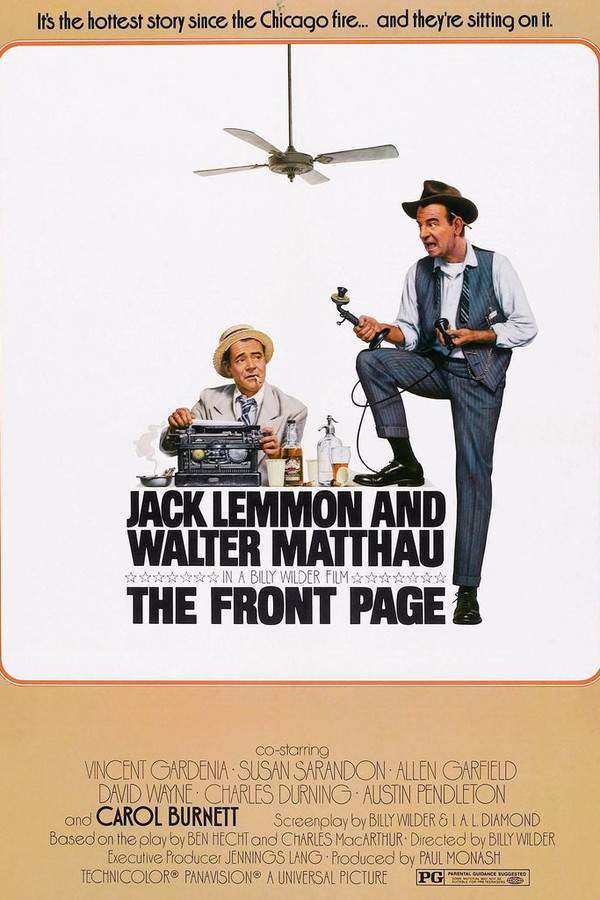
What Is The Front Page About?
The premise of The Front Page in 270 words, with nothing given away. The full story follows below.
In the bustling heart of 1920s Chicago, a city still replaying the echoes of its great fire, the newsroom crackles with the promise of the biggest story of the decade. The pressroom is a whirlwind of clacking typewriters, shouted headlines, and the ever‑present hum of ambition, where every reporter chases the next dazzling scoop that could make their name legendary. The atmosphere is equal parts frantic energy and razor‑sharp wit, a place where caffeine and cynicism fuel the relentless pursuit of news.
Hildebrand “Hildy” Johnson stands on the brink of walking away. Exhausted and weary from years of chasing headlines, the seasoned reporter dreams of a quieter life with his fiancée, Peggy Grant. Yet the weight of the unfinished story presses on his conscience, and the allure of a final, career‑defining break keeps him tethered to the chaotic desk. Across the room, the magnetic Walter Burns—the newsroom’s managing editor—exerts his trademark blend of charm and pressure, refusing to let his star reporter slip through his fingers. Burns sees the pending story not just as a news item, but as a personal stake in his own reputation and the paper’s dominance.
The film’s tone is a rapid‑fire mix of sharp comedy and bright‑minded satire, capturing the clash between personal desire and professional obsession. As the deadline looms and the city’s gossip mill spins faster, the characters navigate a delicate dance of loyalty, ambition, and the ever‑present question of what they’re willing to sacrifice for a headline. The stage is set for a high‑stakes tug‑of‑war that promises both laughter and a glimpse into the restless spirit of a newsroom that never sleeps.
What Happens in The Front Page?
The complete story of The Front Page, from the first scene to the last, in 489 words (about 2 minutes). Spoilers throughout. Names in the text link to 7 cast member pages.
Spoilers ahead
In 1920s Chicago, Hildebrand “Hildy” Johnson, a Chicago Examiner reporter, has just quit his job to marry Peggy Grant and start a new life, just as Earl Williams is set to be executed. Walter Burns, the ruthless, egomaniacal managing editor, is desperate to keep his star on the payroll and egged him on to cover the story, complicating Peggy’s plans and throwing their wedding timetable into disarray.
[Hildebrand] faces a moral tug-of-war between loyalty to his old boss and a genuine affection for Peggy, while Earl Williams—an impoverished, bumbling leftist whose crime involved stuffing fortune cookies with political messages—has become the focal point of a sensational, fear-driven press cycle. The public narrative casts Earl as a Moscow threat after he accidentally kills a police officer, and the crowd’s appetite for capital punishment grows as the city cheers to see him executed. The stakes are high, the clock is ticking, and the pressure to deliver the perfect scoop mounts quickly.
When Earl manages to escape from his prison cell, he slips into the courthouse pressroom while Hildy is there alone. The lure of what could be the last great breakthrough of Hildy’s career proves irresistible, and the chase for a headline trumps even the most personal commitments. In a tense dance of manipulation, Hildy navigates the precarious line between truth and sensationalism, all while Walter attempts to hold on to his top reporter by any means necessary.
Into this fraught mix steps Mollie Malloy, Mollie Malloy, a self-described “$2 whore from Division Street” who befriends Earl and creates a dramatic distraction by leaping from the third-floor window. Her bold act buys Earl crucial time, but it also intensifies the danger and spotlight surrounding the case, further entangling Hildy’s loyalties with the sensationalist machinery of a city obsessed with justice as show.
As the frenzy crescendos, Earl is ultimately recaptured, and both Hildy and Walter are arrested for aiding and abetting a fugitive. They are released when the truth comes to light: the mayor, Harold Gould, and the sheriff, Vincent Gardenia, had quietly conspired to conceal Earl’s last-minute reprieve by the governor. This revelation marks a turning point, with Walter reluctantly acknowledging that he may be losing his ace reporter to history, and he offers a parting token in the form of a watch.
With the wedding bells ringing in the distance, Hildy and Peggy prepare to start their new life together. Yet the day’s events leave an indelible mark on everyone involved. Walter, still in control of the newsroom, sends a telegraph to the next railway station to alert them that the man who stole his watch is on the inbound train and should be apprehended by the police, a final act that underscores the film’s sharp compression of ambition, loyalty, and the ethics of journalism. The story closes on a note that blends humor with a wary recognition of how the pursuit of a story can redefine personal destinies.
The Front Page Timeline: Every Key Event in Order
11 key events in the order they happen, from “Hildy quits to marry Peggy and starts a new path as execution looms” to “The watch and a new chase begin”. 11 events name a place, across 9 locations.
- 1
Hildy quits to marry Peggy and starts a new path as execution looms
In 1920s Chicago, Hildy Johnson resigns from the Chicago Examiner to marry Peggy Grant and pursue a new path. The impending execution of Earl Williams frames this life change as a dramatic pivot rather than a quiet retirement. This decision sets up the tension between personal life and the possibility of a career-making scoop.
Where:Chicago, Illinois
- 2
Walter Burns pressures Hildy to cover the story
Walter Burns, the ruthless managing editor, urges Hildy to cover the Williams case to save his newspaper. Peggy grows frustrated as the couple rushes toward their train and away from their plans for a quiet life. The push-and-pull between work and marriage drives much of the early conflict.
Where:Chicago Examiner newsroom
- 3
Earl Williams' backstory and the public appetite for justice
Earl Williams is depicted as an impoverished, bumbling leftist who stuffed fortune cookies with messages. After he accidentally kills a police officer, the yellow press casts him as a Moscow threat, fueling public eagerness to see him executed. This sensational framing helps explain the case’s fevered attention.
Where:Chicago
- 4
The execution agenda fuels crowd interest
With the press stoking fear and anger, the town becomes eager for Williams's death as a governor's reprieve remains uncertain. The scheduled execution hangs over the city, turning the courthouse into a focal point of controversy and spectacle. Hildy’s role as a potential scoop hunter grows ever more central.
Where:Chicago
- 5
Williams escapes and enters the courthouse pressroom
Williams escapes from his cell and unexpectedly enters the courthouse pressroom where Hildy is present alone. The surprise appearance reignites Hildy’s appetite for a career-defining story, pulling him back into the story he thought he was leaving behind. The pressroom becomes the primary stage for the unfolding drama.
Where:Courthouse pressroom, Chicago
- 6
Mollie Malloy creates a distraction
Mollie Malloy, a friend to Earl, creates a distraction by leaping from the courthouse’s third floor window. The stunt buys crucial time and helps Earl evade immediate capture. The moment amplifies the chaos around the trial and the newsroom alike.
Where:Courthouse
- 7
Earl is recaptured; arrests follow
Earl Williams is recaptured, and Hildy and Walter are arrested for aiding and abetting a fugitive. The situation could have derailed their careers entirely, but the arrest also sets the stage for a larger reveal about political interference. The newsroom and authorities are locked in a tense stalemate.
Where:Courthouse/City Hall, Chicago
- 8
Release and the revelation of political collusion
Hildy and Walter are released when it becomes clear that the mayor and sheriff colluded to conceal Earl’s last-minute reprieve from the governor. This discovery exposes the corruption behind the courtroom drama and redefines the stakes for everyone involved. The reprieve upends the expected fate of the case.
Where:City offices, Chicago
- 9
Walter gives a grudging token of respect
Walter grudgingly accepts that he is losing his ace reporter to personal life and the lure of a sensational story. He presents Hildy with a watch as a token of appreciation, signaling a complex mix of rivalry, respect, and reluctant farewell. The gift underscores the shifting loyalties in the newsroom and beyond.
Where:Walter Burns's office, Chicago Examiner
- 10
Hildy and Peggy depart to marry
Hildy and Peggy decide to marry and leave the newsroom behind. They prepare to start their new life together, stepping away from the press circus that has defined their days. The couple’s departure marks a dramatic turn from career obsession to personal commitment.
Where:Chicago
- 11
The watch and a new chase begin
Walter telegraphs the next railway station to warn that the man who stole his watch is on the inbound train. The alert preserves the paper’s appetite for a follow-up and hints that the story—and the chase—are far from over. The watch becomes a tangible symbol of the ongoing chase for truth.
Where:Next railway station
Who Are the Main Characters in The Front Page?
7 characters, among them Hildebrand 'Hildy' Johnson (Jack Lemmon), Walter Burns (Walter Matthau) and Peggy Grant (Susan Sarandon): who each one is and the part they play in the story. Every profile links to the actor’s page.
-
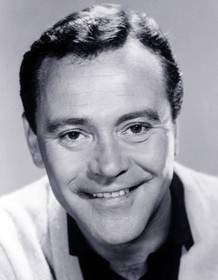
Hildebrand 'Hildy' Johnson (Jack Lemmon)
Played by Jack Lemmon
A gifted but restless reporter who has just quit to marry Peggy. He is drawn to the biggest scoop of his career, torn between a stable personal life and the intoxicating lure of sensational journalism. He is quick-witted, tenacious, and morally flexible in pursuit of a story.
- 📰 Journalist
- 🎯 Ambition
- 🎭 Moral ambiguity
-
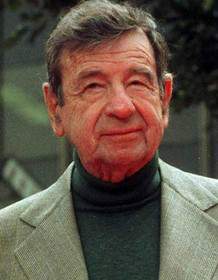
Walter Burns (Walter Matthau)
Played by Walter Matthau
The ruthless, egomaniacal managing editor who will bend the truth and manipulate others to keep his star reporter on staff and the story in the headlines. He thrives on strategy, power, and the control that comes from a loud, fearless newsroom persona.
- 🗞️ Editor
- 🧠 Power broker
- 🎭 Schemer
-

Peggy Grant (Susan Sarandon)
Played by Susan Sarandon
Hildy’s fiancée who plans to marry and leave the newspaper world behind. She is practical, independent-minded, and eager to start a new life, yet she also recognizes the pull of Hildy’s career and the drama of the moment.
- 💍 Fiancée
- 🕊️ Independent
- 🎭 Relationship
-

Earl Williams (Austin Pendleton)
Played by Austin Pendleton
An impoverished, bumbling leftist whose act of violence and disruptive charisma makes him the perfect public symbol of danger for the town. His case becomes a leverage point for the press and politicians alike.
- ⚖️ Inmate
- 🗯️ agitator
- 🌀 Victim of sensationalism
-

Mollie Malloy (Carol Burnett)
Played by Carol Burnett
A self-described 'two-dollar whore' who befriends Earl and creates a distraction to help him. Her street-smarts and willingness to disrupt the status quo highlight how personal loyalties can influence a high-stakes story.
- 🎭 Distraction
- 🧭 Loyalty
- 🧩 Catalyst
-
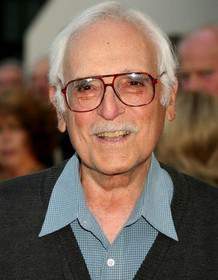
Mayor (Harold Gould)
Played by Harold Gould
A political figure who embodies the collusion between city leadership and law enforcement to protect or manipulate outcomes for their own benefit.
- 🏛️ Politics
- 🗳️ Influence
- 🎭 Power
-
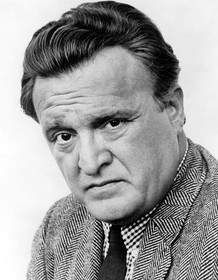
Sheriff (Vincent Gardenia)
Played by Vincent Gardenia
A lawman who collaborates with the mayor to conceal a last-minute reprieve, illustrating how corruption can permeate the enforcement of justice.
- 🚓 Authority
- 🤝 Corruption
- 🎭 Power
Where and When Is The Front Page Set?
The Front Page is set in Chicago, Illinois, Chicago Examiner newsroom, Courthouse and Division Street (1920s). Here is why the time and place matter to the story.
When
1920s
Set in mid-1920s Chicago, the era is defined by sensational journalism, political maneuvering, and dramatic public trials. Newsrooms chase the next big scoop while officials maneuver behind closed doors. The public’s appetite for spectacle and the press’s power to sway opinion shape the course of events and the characters’ choices.
Where
Chicago, Illinois; Chicago Examiner newsroom; Courthouse; Division Street
The action unfolds across a bustling Chicago setting, from the fast-paced newsroom of the Chicago Examiner to a crowded courthouse and the lively Division Street. The newsroom serves as the story’s nerve center, where headlines shape public perception and fates. The city’s atmosphere of political maneuvering and sensational reporting drives the tension throughout the plot.
- 🏙️ City setting
- 🗞️ Journalism
- 🕰️ 1920s
What Are the Themes of The Front Page?
3 ideas the story keeps returning to, among them Media Power, Politics & Corruption and Love & Loyalty.
-
01
Media Power
Headlines and editors wield outsized influence over real outcomes. The editor’s control of the story shows how media can drive public perception and even determine guilt before a verdict. The narrative questions ethics when journalism borders on manipulation for personal or political gain. The pursuit of a sensational scoop often clashes with truth and justice.
-
02
Politics & Corruption
The mayor and sheriff’s collusion reveals entrenched power networks in the city. The plot shows how political deals and favors can shape legal outcomes and sway public opinion. It questions whether justice can exist independently of those in power. The story exposes the fragility of procedural fairness when the press and officials align.
-
03
Love & Loyalty
Hildy’s engagement to Peggy creates a personal conflict with his professional drive for a scoop. Peggy embodies the urge to start a new life and assert independence, challenging Hildy’s devotion to the newsroom. Mollie Malloy’s distraction scene illustrates how personal loyalties intersect with headline-hunting. The film weaves romance with ambition, showing characters choosing between love and career.
What Kind of Film Is The Front Page?
Light in tone, with fast pacing and a moderate story, going by the plot summary.
- Tone
- Light
- Pacing
- Fast
- Story
- Moderate
- Intensity
- Medium
- Ending
- Happy
A fast-paced, madcap comedy that romps through a frantic newsroom environment with cynical humor and high-stakes farce surrounding a political scandal.
- madcap
- cynical
- energetic
- chaotic
- satirical
- witty
- journalism
- political corruption
- prohibition era
- career vs love
Where to Watch The Front Page
Stream it on YouTube TV, or rent or buy it from Amazon Video and Apple TV Store. US availability and prices from JustWatch.
Stream 1
 YouTube TV




Streaming availability in the US, powered by