What Is Behind the News About?
The premise of Behind the News in 336 words, with nothing given away. The full story follows below.
The story unfolds inside the relentless rhythm of a bustling city newsroom, where the clatter of typebars and the constant buzz of breaking news create a pressure‑cooked backdrop for ambition and hasty decisions. The film’s tone is fast‑paced and gritty, stitching together the clangor of the press floor with the neon‑lit streets outside, conveying a world where every deadline feels like a life‑or‑death call for a journalist.
At the heart of this environment sits Stuart Woodrow, a world‑weary reporter whose cynicism has been hardened by years of chasing headlines. He is paired with the freshly minted graduate Jeff Flavin, whose eager optimism and raw talent constantly rub against Stu’s seasoned pragmatism. Overseeing their uneasy partnership is Vic Archer, the newspaper’s editor, who hopes the clash will reignite the veteran’s edge and give the newcomer a chance to prove himself. Adding another layer to the mix is Barbara Shaw, the quiet secretary to the district attorney, who serves as a subtle bridge between the newsroom and the legal arena, while Hardin S. Kelly—the ambitious district attorney—casts the political stakes that loom over every story. The courtroom’s own color is highlighted by Carlos Marquez, a figure whose circumstances bring cultural nuance to the unfolding investigation.
The dynamic between the veteran and the rookie drives the film’s core tension: Stu’s habit of keeping emotions at arm’s length meets Jeff’s hunger for the truth, creating a push‑and‑pull that fuels both conflict and growth. Their interactions ripple through the newsroom, affecting colleagues and shaping the paper’s editorial direction. Amid the clamor, a looming racketeering thread weaves through conversations, hinting at deeper corruption that both men feel compelled to expose.
As the narrative accelerates, the audience is invited to feel the electric pulse of a city that never sleeps, the relentless chase for a story, and the fragile balance between journalistic daring and the cost of digging too deep. The film promises a compelling portrait of mentorship, ambition, and the moral tightrope walked by those who live to turn facts into headlines.
What Happens in Behind the News?
The complete story of Behind the News, from the first scene to the last, in 497 words (about 2 minutes). Spoilers throughout.
Spoilers ahead
Recently graduated journalist Jeff Flavin, [Frank Albertson], lands a six-month scholarship at The Enquirer. There he is paired with the paper’s most renowned reporter, Stuart Woodrow, [Lloyd Nolan], while editor Vic Archer, [Robert Armstrong], hopes the pairing will spark the old man’s edge.
From the start, the teamwork is rocky. Jeff’s eagerness clashes with Stu’s world-weariness, and the two quarrel over tone and method as they chase a big piece about notorious racketeer Harry “Face” Houseman. Barbara Shaw, [Doris Davenport], the district attorney’s secretary, is a quiet link between the office and the case, while the ambitious district attorney, Hardin S. Kelly, [Paul Harvey], uses the situation to press his re-election bid. The tension peaks when Stu, reeling after a rough night, misses a date and ends up dampening Jeff’s early momentum. But when Face narrowly escapes prison, Jeff seizes the moment and takes the lead on the story, turning in a piece that makes an impression—and earns Stu’s grudging respect.
His next steps push him deeper into danger. Jeff’s on-the-ground investigation reveals a murder: Face is gunned down in his sister’s apartment, and Jeff records the events, filing the report under Stu’s byline. Stu, grateful for Jeff’s initiative, begins to mentor him with a mix of pride and caution, warning that journalism is a tough road and that Jeff deserves a future beyond the cheap thrills of crime coverage. But the old guard’s agenda is ruthless, and Stu schemes to steer Jeff away from risky work, even attempting to assign him a playful, non-serious radio story to dampen his ambitions. Carlos Marquez, [Charles Stevens], is the defendant in the murder case, whose words are crucial but misinterpreted at the trial.
A breakthrough comes when Jeff attends the trial and notices a critical misstep: because Jeff speaks Spanish, he hears an interpreter misrepresenting Marquez’s words, making it seem as if he confesses to the murder when he does not. The courtroom misrepresentation is a blow to Jeff’s conscience, and he tries to bring the truth to light, only to find the chain of command resistant. The courtroom trap prompts Stu to reconsider and finally agree to join Jeff in digging deeper, recognizing that corruption might reach into the district attorney’s office itself.
Together with Barbara’s help, they break into the district attorney’s office to search for evidence. They uncover a long history of bribes and graft tied to Kelly’s office, exposing the misuse of power and pressuring witnesses to shape the truth. A key witness surfaces, ready to testify about Kelly’s involvement in Face’s murder, and the team works to secure a path to justice. As a result, Kelly is arrested, and Marquez is released from a wrongful conviction. Despite the turmoil, Jeff remains at the heart of the newsroom, his tenacity earning him a place on The Enquirer’s roster and his standing as a journalist who can be trusted to seek the raw facts. He also serves as the best man at Stu and Barbara’s wedding.
Behind the News Timeline: Every Key Event in Order
12 key events in the order they happen, from “Jeff Flavin joins The Enquirer as a scholarship reporter” to “Jeff remains a reporter and attends the wedding”. 12 events name a place, across 9 locations.
- 1
Jeff Flavin joins The Enquirer as a scholarship reporter
Recently graduated journalist Jeff Flavin secures a six-month scholarship at The Enquirer. On arrival, he is paired with the paper's renowned reporter, Stuart Woodrow, creating high expectations and tension from the start. The editor Vic Archer hopes the arrangement will rekindle Woodrow's spark and restart his career.
Where:The Enquirer newsroom
- 2
Harsh mentorship and Jeff's rough start
The collaboration proves rocky; Jeff endures harsh treatment from Stu as they begin work together. Jeff is pushed into the most demanding assignments while Stu keeps a critical distance. The tension foreshadows conflict over the Face case, highlighting the older reporter's doubts about Jeff's potential.
Where:The Enquirer newsroom
- 3
Face's prison break and Jeff takes the lead
Face escapes prison and Stu is too hungover to cover the breakout, so Jeff steps in and breaks the story. The incident marks Jeff's first major responsibility at the paper. He earns tentative respect through swift, on-the-ground reporting.
Where:City prison
- 4
Jeff witnesses murder and reports in Stu's name
During his independent investigation, Jeff becomes a witness to the murder of Face in his sister's apartment. He relays the events to the editor under Stu's name, and the old reporter expresses gratitude for Jeff's initiative. This dynamic begins to shift Jeff's standing at the paper.
Where:Face's sister's apartment
- 5
Stu worries about Jeff's future in journalism
Stu becomes protective of Jeff's future in journalism, believing the young man deserves a different career path. He starts steering Jeff away from daily newspaper reporting, signaling a potential mentorship pivot. The tension between mentor and mentee continues to shape Jeff's choices.
Where:The Enquirer newsroom
- 6
A fake story lands Jeff in trouble with the editor
Stu tricks Jeff into covering a fake story, provoking the editor's fury. The punishment is public and humiliating, as Jeff is assigned to read funny strips on radio instead of serious reporting. The incident tests Jeff's resolve and loyalty to his craft.
Where:Radio studio / The Enquirer newsroom
- 7
Court encounter exposes discrepancies in the murder case
While visiting a young listener at the courthouse, Jeff observes the trial of Face's murderer, Carlos Marquez. He uses his language skills to gauge the proceedings and notices inconsistencies in the testimony. His observations plant seeds for later challenges to the case.
Where:Courtroom
- 8
Interpreter's mistranslation leads to a wrongful conviction
Jeff discovers that the court interpreter mis-translates the accused's words, making Carlos Marquez appear to confess to the murder. The wrongful conviction becomes a critical flaw in the case, reinforcing Jeff's push for truth. He tries to set the record straight but meets resistance.
Where:Courtroom
- 9
Jeff seeks help to correct the record
Jeff attempts to tell his editor about the misinterpretation and the potential miscarriage of justice, but his credibility is compromised by the fake-story episode. Stu finally agrees to help him investigate the matter more thoroughly. The duo begins to reassess the case behind the scenes.
Where:The Enquirer offices
- 10
The trio investigates in the DA's office
Stu, Barbara, and Jeff sneak into the district attorney's office to search for crucial evidence. They uncover documents and traces of corruption that implicate Hardin S. Kelly in the broader conspiracy surrounding Face's murder. The dig marks a turning point in their investigation.
Where:District Attorney's Office
- 11
Evidence surfaces; Kelly arrested; Carlos released
The trio's discovery leads to a witness who can reveal Kelly's involvement in Face's murder and the false conviction of Carlos Marquez. With the new testimony, Kelly is arrested, and Carlos is released from custody. The case begins to unravel under renewed investigative pressure.
Where:District Attorney's Office / Courthouse
- 12
Jeff remains a reporter and attends the wedding
Jeff continues working as a reporter and remains committed to the truth. The story culminates with Stu and Barbara's wedding, where Jeff serves as best man, symbolizing the colleague's ongoing bond and the moral evolution of the newsroom.
Where:Wedding venue
Who Are the Main Characters in Behind the News?
7 characters, among them Jeff Flavin (Frank Albertson), Stuart Woodrow (Lloyd Nolan) and Barbara Shaw (Doris Davenport): who each one is and the part they play in the story. Every profile links to the actor’s page.
- JF
Jeff Flavin (Frank Albertson)
Played by Frank Albertson
A freshly graduated journalist who is eager and idealistic. He pushes beyond the initial harsh mentorship, taking initiative in a high-stakes case and proving the value of investigative reporting. His persistence helps uncover corruption and defend the pursuit of truth.
- 🧭 Ambition
- 🕵️ Investigation
-
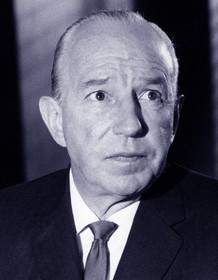
Stuart Woodrow (Lloyd Nolan)
Played by Lloyd Nolan
An experienced reporter whose skepticism about newcomers masks a commitment to the craft. He clashes with Jeff but eventually recognizes the rookie's tenacity and supports his growth. Their dynamic highlights a tension between tradition and modern journalism.
- 🕵️♂️ Mentor
- 🔄 Conflict
-

Barbara Shaw (Doris Davenport)
Played by Doris Davenport
Stu's fiancée and Kelly's secretary, she is placed at the intersection of personal and political loyalties. Her involvement underscores how personal relationships can influence professional judgments in a newsroom-styled political drama.
- 💼 Workplace
- 💘 Relationships
- VA
Vic Archer (Robert Armstrong)
Played by Robert Armstrong
The editor who hopes to rekindle the old man's spark and guide Jeff's career, yet is also confronted with corruption and the fallout from risky reporting. He balances professional compromises with the integrity of the newsroom.
- 🏢 Editor
- 🧭 Guidance
- DA
D. A. Hardin S. Kelly (Paul Harvey)
Played by Paul Harvey
A powerful district attorney who manipulates prosecutions for political gain and re-election. He embodies institutional corruption and demonstrates the dangers of politics influencing justice.
- 🏛️ Corruption
- ⚖️ Power
- CM
Carlos Marquez (Charles Stevens)
Played by Charles Stevens
The defendant falsely convicted of a murder due to misinterpretation and flawed journalism. His case becomes the central platform for examining justice and truth.
- ⚖️ Justice
- ⚠️ Miscarriage of justice
- TA
Tomas Almedo (Frank Puglia)
Played by Frank Puglia
A figure involved in the murder investigation; while not elaborated in the summary, he appears as part of the case surrounding the crime and its courtroom drama.
- 🧩 Minor character
- 🗂️ Case
Where and When Is Behind the News Set?
Behind the News is set in The Enquirer newsroom, District Attorney's Office, Face's sister's apartment…. Here is why the place matters to the story.
Where
The Enquirer newsroom, District Attorney's Office, Face's sister's apartment, Courthouse, Radio Station
The Enquirer newsroom is the central hub where Jeff and Stu chase the truth amid deadlines. The District Attorney's Office represents the political machinery behind prosecutions and potential corruption. Face's sister's apartment becomes a key crime-scene setting, while the courthouse and radio station symbolize public forums where truth is contested.
- 📰 Newspaper
- 🕵️ Investigation
- 🏛️ City life
What Are the Themes of Behind the News?
3 ideas the story keeps returning to, among them Investigation vs Corruption, Mentorship and Rivalry and Truth vs Due Process.
-
01
Investigation vs Corruption
The film centers on uncovering truth amid corruption within politics and law enforcement. Jeff's persistence challenges the established narratives and demonstrates journalism's power to confront entrenched interests. The tension between sensationalism and accuracy drives the story forward.
-
02
Mentorship and Rivalry
A veteran reporter mentors a rookie, but their relationship is strained by pride and skepticism. Jeff's tenacity tests the older generation's approach, leading to growth and a reevaluation of newsroom dynamics. The dynamic highlights the ethical balance between experience and fresh inquiry.
-
03
Truth vs Due Process
Misinterpretation and rushed convictions threaten the innocent, underscoring the risk of faulty journalism. Jeff's willingness to revisit the case shows journalism's role in safeguarding due process. The eventual uncovering of corruption reinforces the need for careful evidence and verification.
What Kind of Film Is Behind the News?
Tense in tone, with fast pacing and a straightforward story, going by the plot summary.
- Tone
- Tense
- Pacing
- Fast
- Story
- Straightforward
- Intensity
- Medium
- Ending
- Happy
A fast-paced, tense 1940s newspaper drama that captures the urgency of the newsroom and the high-stakes investigation into political corruption, balancing professional friction with a hopeful outcome.
- fast-paced
- tense
- professional rivalry
- urgent
- gritty
- hopeful
- journalistic ethics
- crime investigation
- political corruption
- mentorship
Content notes: murder, courtroom injustice.
Quiz
How well do you remember Behind the News? Test yourself on the story.
Where to Watch Behind the News
. US availability and prices from JustWatch.
Streaming availability in the US, powered by