
The Front 1976

Directed by
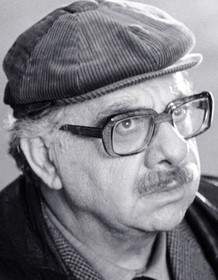
Martin Ritt
Made by

Devon/Persky-Bright
The Front Plot Summary
Read the complete plot summary and ending explained for The Front (1976). From turning points to emotional moments, uncover what really happened and why it matters.
In New York City, 1953, at the height of the anti-Communist investigations of the House Un-American Activities Committee (HUAC), television screenwriter Alfred Miller [Michael Murphy] is blacklisted and cannot get work. He asks his friend Howard Prince [Woody Allen], a restaurant cashier and small-time bookie, to sign his name to Miller’s television scripts in exchange for ten percent of the money Miller makes from them, i.e. to serve as a “front” for Miller. Howard agrees out of friendship and because he needs the money. The scripts are submitted to network producer Phil Sussman [Herschel Bernardi], who is pleased to have a writer not on the television blacklist. Howard’s script also offers a plum role for Hecky Brown [Zero Mostel], one of Sussman’s top actors.
Howard becomes such a success that Miller’s two fellow screenwriter friends hire him to be their front as well. The quality of the scripts and Howard’s ability to write so many impresses Florence Barrett [Andrea Marcovicci], Sussman’s idealistic script editor, who mistakes him for a principled artist. Howard begins dating her but changes the subject whenever she wants to discuss his work.
As investigators expose and blacklist Communists in the entertainment industry, Hecky Brown is fired from the show because six years earlier he marched in a May Day parade and subscribed to The Daily Worker, although he tells the investigators he did it merely to impress a woman he wanted to have sex with. In order to clear his name from the blacklist, Hecky is instructed to find out more about Howard Prince’s involvement with the Communist Party, so he invites him to the Catskills, where Hecky is booked to perform on stage. The club owner short-changes Hecky on his promised salary, and when Hecky confronts him, the club owner fires him, denouncing him as a “communist son of a bitch”. The professional humiliation and the inability to provide for his wife and children take their toll on Hecky and he kills himself by jumping out of a hotel window.
Howard witnesses other harsh results of the investigative actions of the communist-hunting “Freedom Information Services” on the network’s programming. Suspicion is cast his way, and he is called to testify before the House Un-American Activities Committee. He privately tells Florence that he is not a writer, just a humble cashier.
Howard decides that he will respond to the Committee’s questions evasively, enabling him to neither admit nor deny anything. After briefly enduring the HUAC questioning — including being asked to speak ill of the dead Hecky Brown, and being threatened with legal consequences for his admission of having placed bets in his capacity as a bookie (which is illegal), Howard takes a stand, telling the Committee that he does not recognize their authority to ask him such questions, and telling them to
go fuck yourselves
before leaving the interrogation room. The film ends as Howard is taken away in handcuffs, with Florence kissing him good-bye and many protesters cheering him on.
The Front Timeline
Follow the complete movie timeline of The Front (1976) with every major event in chronological order. Great for understanding complex plots and story progression.
HUAC era locks out Alfred Miller
In 1953 New York City, the anti-Communist climate of HUAC strikes at the heart of the TV industry and Alfred Miller is blacklisted, unable to find work. Desperate, he asks his friend Howard Prince to sign his name to Miller's scripts so Miller can still earn money. Howard agrees, accepting ten percent of the profits and a chance to stay in the business.
Howard signs on as Miller's front
Howard, a restaurant cashier and part-time bookie, agrees to front for Miller by signing his name to the scripts. The arrangement keeps Miller working and opens up more opportunities for both of them. The first batch of scripts is sent to network producer Phil Sussman, who welcomes a writer who is not on the blacklist.
Howard's front expands its reach
Howard's skill and speed quickly produce high-quality scripts, drawing attention beyond Miller. Miller's two fellow screenwriters hire him to front for them as well, expanding his reach and income. Florence Barrett, Sussman's idealistic script editor, mistakes his success for principled artistry.
Florence sees a rising talent
Florence becomes intrigued by the apparent honesty in Howard's work and begins dating him, hoping to see the real writer behind the front. Howard deflects questions about his own authorship, keeping the truth hidden from her. The romance deepens while the ethical lines blur in her eyes.
Hecky Brown's past catches up
As investigators close in on the blacklist, Hecky Brown is fired from the show after it is revealed he once marched in a May Day parade and subscribed to The Daily Worker. He insists his past was a personal, not political choice, but the producers sever his contract. The humiliation foreshadows the deeper consequences of the era.
Hecky probes Howard's ties to the Party
To clear his name, Hecky orders Howard to reveal his political ties and invites him to the Catskills where Hecky is booked to perform. The Catskills setting becomes a crucible as the club owner short-changes Hecky on promised pay and then fires him after the confrontation. The personal toll of the blacklist grows more visible.
Hecky Brown's tragedy
Humiliated and unable to provide for his wife and children, Hecky Brown kills himself by jumping from a hotel window. His death dramatizes the human cost of the investigations on those who crossed paths with the blacklist. The incident also intensifies the already mounting pressure on Howard.
Howard faces growing scrutiny
Following Hecky's death and the ongoing scrutiny, Howard witnesses how the committee’s inquiries ripple through network programming and culture. He is eventually called to testify before the House Un-American Activities Committee. The climate of fear tightens around him as he prepares to face questions.
Howard confesses to Florence
Before the hearing, Howard privately confesses to Florence that he is not a real writer but a humble cashier behind the front. He reveals only what is necessary to survive, and Florence begins to see the personal costs of his deception. The relationship strains under the weight of his silence.
Howard dodges questions at HUAC
At the HUAC hearing, Howard answers questions evasively, refusing to admit or deny specifics about his writing activity. He stresses that he does not recognize the committee's authority to request such information. The tension in the room underscores the moral ambiguity of the blacklist era.
Howard's defiant exit
Howard makes a bold stand, telling the committee that he does not recognize their authority and, in a defiant moment, tells them to go fuck themselves before walking out. The act crystallizes his rejection of the blacklist's coercion. Florence watches with mixed pride and fear as protesters react.
Ending: a costly act of courage
After the confrontation, Howard is led away in handcuffs while Florence kisses him goodbye and supporters cheer him on. The film closes on a controversial note: personal courage against persecution, but at the cost of freedom. The ending highlights the era's brutal ethics and the human cost of standing up.
The Front Characters
Explore all characters from The Front (1976). Get detailed profiles with their roles, arcs, and key relationships explained.
Howard Prince (Woody Allen)
A restaurant cashier and part-time bookie who becomes the front for Alfred Miller's scripts. His adaptability fuels a rapid rise in the television world, but the deception tests his conscience. He ultimately makes a controversial stand before HUAC.
Alfred Miller (Michael Murphy)
The blacklisted writer who cannot work openly, relying on Howard to sign his scripts. He embodies the fear and pragmatism of those forced to hide their identities. His burden drives much of the film's moral tension.
Hecky Brown (Zero Mostel)
A top actor who is fired after past political actions surface, symbolizing the personal cost of the blacklist. His talent clashes with the era's suspicion, leading to a tragic downfall.
Florence Barrett (Andrea Marcovicci)
A script editor who mistakes Howard for a principled artist. Her pursuit of authenticity and romance complicates her judgment about his legitimacy as a writer.
Philip Sussman (Herschel Bernardi)
A network executive overseeing production who benefits from the 'front' writers. His stance highlights the profit-driven aspects of entertainment under political pressure.
Phelps (David Margulies)
A federal investigator representative who questions Howard, embodying the coercive environment of HUAC inquiries.
The Front Settings
Learn where and when The Front (1976) takes place. Explore the film’s settings, era, and how they shape the narrative.
Time period
1953
Set in 1953, the film captures the peak of anti-Communist investigations into the entertainment industry. It portrays the blacklist climate, where writers and actors risk losing work and reputation for alleged political associations. The period is defined by committee hearings, coercive testimonies, and the moral ambiguity of survival under censorship.
Location
New York City, Catskills
The action centers on New York City during the early 1950s, a bustling hub for television production and political scrutiny. Several key scenes unfold in Manhattan's studios and offices, reflecting the era's fear of Communist influence. The Catskills provide a contrasting backdrop where performers confront contracts, careers, and personal pressures during a high-stakes period of blacklist paranoia.
The Front Themes
Discover the main themes in The Front (1976). Analyze the deeper meanings, emotional layers, and social commentary behind the film.
🕯️
Moral Courage
Howard's decision to resist answering HUAC exposes the personal cost of integrity under fear. The film follows how his stand affects friendships, career prospects, and his sense of self. It suggests that true courage can emerge in small, defiant acts within a hostile system.
🧭
Identity & Deception
Fronting for Alfred Miller creates a split between outward success and inner truth. The deception serves as a means of survival but also tests loyalty and ethics. The narrative explores where self-preservation ends and integrity begins.
🎬
Media & Power
The story shows how networks wield influence over careers and storytelling during investigations. It critiques the use of artistic labor as leverage in a climate of political expediency. Public perception is shaped by hearings, media narratives, and the threat of blacklisting.

Coming soon on iOS and Android
The Plot Explained Mobile App
From blockbusters to hidden gems — dive into movie stories anytime, anywhere. Save your favorites, discover plots faster, and never miss a twist again.
Sign up to be the first to know when we launch. Your email stays private — always.
Explore the mobile appThe Front Spoiler-Free Summary
Discover the spoiler-free summary of The Front (1976). Get a concise overview without any spoilers.
In the stiff‑cold spring of 1953 New York, the city’s glittering television studios are shadowed by a relentless hunt for hidden communists. The entertainment world is a pressure cooker of ambition and fear, where a single whisper can erase a career. Within this charged atmosphere, the modest cashier‑bookie Howard Prince finds his ordinary routine upended when a desperate friend asks him to lend his name to a series of scripts. The request, rooted in loyalty and the lure of quick cash, thrusts Howard into a precarious role as a “front” for talent that the industry has systematically shut out.
Across the bustling production floors, the talented yet blacklisted Alfred Miller works in the margins, desperate to see his stories reach an audience. The producer Phil Sussman savors the fresh material, unaware of the hidden hand that delivers it, while the idealistic script editor Florence Barrett sees in Howard a rising artistic voice, mistaking his clumsy bravado for genuine literary ambition. Their intertwined lives paint a portrait of a world where personal connections become both refuge and risk, and where the line between survival and compromise blurs beneath the bright studio lights.
Against this backdrop of political paranoia and creative yearning, Howard must navigate the expectations of his new collaborators, the pressures of an unforgiving industry, and the growing weight of his own conscience. The film balances caustic humor with stark drama, capturing the absurdity of a society that forces ordinary people into extraordinary moral dilemmas. As the stakes rise, the tension between friendship, ambition, and integrity looms large, promising a compelling exploration of what it means to stand up—or step back—when the very act of speaking can become an act of rebellion.
Movies with Similar Twists and Themes
Uncover films that echo the narrative beats, emotional arcs, or dramatic twists of the one you're exploring. These recommendations are handpicked based on story depth, thematic resonance, and spoiler-worthy moments — perfect for fans who crave more of the same intrigue.


Featured on this page

What's After the Movie?
Not sure whether to stay after the credits? Find out!
Check out our other apps:

SAT Sphere
Build confidence for the Digital SAT.

Mori Atlas
Discover wild places worth protecting.

Luntero
Search smarter for a home in Amsterdam.

Plot Explained
Unravel movie endings and hidden clues.

Pokechamp
Dive into Pokémon data and battle logic.

Driving Theory
Get ready for your European theory test.

Movie Dust
Plan your next cinema trip with ease.

Musemap
Find art and culture as you travel.

Selkobase
Compare credentials before committing.

Local Manual
Turn an unfamiliar country into practical next steps.

Lernavi
Compare school systems before your next move.

GymRoam
Find a workout stop wherever your plans take you.
Explore Our Movie Platform
New Movie Releases (2026)
Famous Movie Actors
Top Film Production Studios
Movie Plot Summaries & Endings
Major Movie Awards & Winners
Best Concert Films & Music Documentaries
Movie Collections and Curated Lists
© 2026 What's After the Movie. All rights reserved.
Privacy Policy