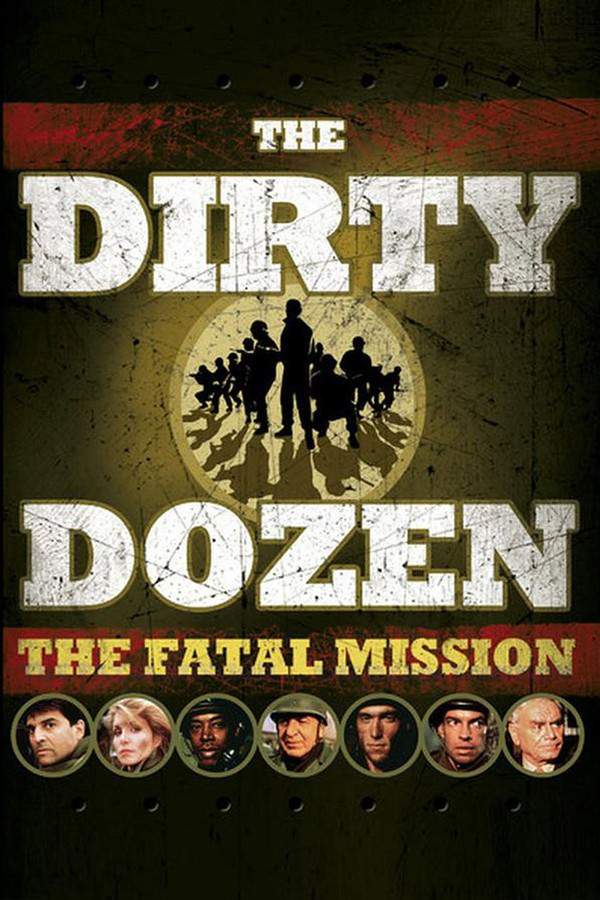
What Is The Dirty Dozen: Next Mission About?
The premise of The Dirty Dozen: Next Mission in 296 words, with nothing given away. The full story follows below.
In the waning months of World War II, occupied France looms as a landscape of shadowed roads and whispered resistance. Within this tense arena, the Allies hatch a daring gamble: a covert strike aimed at a high‑ranking Nazi general whose secret plans could shift the war’s balance. The operation demands the perfect blend of ruthlessness and ingenuity, setting the film’s tone as a gritty, high‑stakes heist wrapped in the unforgiving reality of wartime espionage.
Major Reisman finds himself thrust back into the breach, coerced into commanding a mission that borders on the suicidal. Though seasoned and world‑weary, he insists on hand‑picking the men who will follow him, a decision that reveals his deep‑seated belief that leadership is earned through trust as much as through orders. Alongside him, MP Sergeant Clyde Bowren serves as the pragmatic liaison who helps sift through the condemned, turning a prison of death sentences into a crucible for a makeshift elite unit.
The assembled dozen are a mosaic of outcasts—soldiers whose crimes have landed them behind bars, yet whose skills remain razor‑sharp. Their dynamics crackle with tension, humor, and the ever‑present specter of mutiny, as each newcomer tests the limits of discipline and camaraderie. The film dwells on their uneasy alliances, offering moments of begrudging respect and reluctant loyalty amid the constant pressure of a mission that could cost them everything.
Underlying the action is a brooding moral compass embodied by General Worden, the seasoned commander who sees the operation as both a strategic necessity and a chance for redemption. His quiet faith in the Dozen’s potential fuels a narrative that balances relentless peril with flashes of humanity, inviting the audience to wonder how far a group of condemned men will go when the fate of a continent hangs in the balance.
What Happens in The Dirty Dozen: Next Mission?
The complete story of The Dirty Dozen: Next Mission, from the first scene to the last, in 1,183 words (about 5 minutes). Spoilers throughout.
Spoilers ahead
In September 1944, in German-occupied France, Gen. Dietrich [Wolf Kahler] hatches a second, guarded attempt to strike at Hitler, hoping to tilt the balance of the war by removing a symbol of Nazi leadership. On the other side of the channel, Maj. John Reisman [Lee Marvin] is pulled from a chain of command chastisements and thrust into a mission that will test his resolve and redefine what a “suicide mission” can mean. Worden [Ernest Borgnine], a seasoned Allied commander, learns of the plot through the French Resistance, and his concern grows: if Dietrich succeeds, German commanders might press on regardless, making Hitler’s fate the hinge to every future decision.
Worden’s fear—paired with a quiet belief that Hitler’s flaws have become a kind of iffy advantage for the Allied cause—propels him to assemble a group of incarcerated soldiers for a dangerous, high-stakes assignment. Reisman, determined and resourceful, agrees to lead the operation, but only if he can handpick the men who will carry it out. He enlists the help of MP Sergeant Clyde Bowren [Richard Jaeckel], and together they comb through Marston Tyne Military Prison to select a dozen men who can be molded into a makeshift unit capable of an audacious turn of fate.
The initial list reads like a cross-section of trouble and talent: Sixkiller, Dregors, Deutsch, Valentine, Wright, Wells, Perkins, Le Clair, Rosen, Anderson, Baxley, Reynolds and Sanders. Reisman and Bowren pare this baker’s dozen down to twelve after a quick act of discipline that cements the mission’s uncompromising tone. The men are brought together at a disused train station to begin training that blends discipline with improvisation, a process that reveals each member’s strengths and weaknesses, while testing Reisman’s leadership and the group’s fragile camaraderie.
As training deepens, the team faces a number of setbacks and internal frictions. During a German air raid, Valentine attempts an escape, but Sixkiller and Wells move decisively to deter him and bring him back into line, underscoring the fragile balance between rebellion and obedience in a crowd of condemned men. The next phase of the plan sees the Dozen traveling undercover behind enemy lines, disguised as elite German troops, with the audacious aim of intercepting a critical supply train. To maintain cover, Dregors is made up to appear wounded, his hands left bare, a fact that nearly gives them away when a Gestapo agent spots the discrepancy and raises the alarm.
A tense chase follows when the group must flee a pursuing force and swap a stolen vehicle for a more reliable ride. The bus they intend to use is compromised by the pursuit, and a violent crash costs them two more teammates before they can even get back on schedule. The loss intensifies the mission’s stakes and forces Reisman to improvise, even as the Dozen press forward with a grim determination to complete their task.
A pivotal moment occurs when the Dozen encounter a French farmer and a local moral test: Reisman orders Le Clair to communicate in English to the baffled farmer, who resists taking their German vehicle. The farmer’s hesitation serves as a reminder that not every ally is clearly visible, and Reisman’s team must press on with patience and persistence. A missing Mercedes-Benz, a cooling-down vehicle, and the looming clock all serve to underscore the mission’s relentless pressure.
Back on track, the Dozen take refuge in a church and discuss the next leg of their plan. They will reach the train, but the mood turns somber as disagreements flare. Dregors, who has shown flashes of independence, contemplates disobeying orders and shooting Hitler instead of Dietrich. Reisman uses a steady hand to steer the group back toward the original objective, arguing that the true objective is to strike at Dietrich’s regime and seize the opportunities the mission presents. The turning point arrives when Reisman reveals a lie: there is no gold aboard the train, a revelation that tests loyalty and trust but also solidifies a shared purpose among the remaining dozen.
With renewed resolve, the group moves toward their target, yet another clash with German forces unfolds. On the train, Dietrich’s long-time deputy, Colonel Schmidt, becomes suspicious of Dietrich’s motives and is executed by the dictator when the truth about Schmidt’s intentions surfaces. The Dozen take shelter as the train approaches a depot teeming with German troops, and the truth about the operation’s real motive surfaces: the gold story was a ruse, a psychological ploy to keep the Dozen united.
In a dramatic sequence, Dregors chooses to act—killing Dietrich with a sniper rifle after Reisman convinces him to go through with the plan—while the chaos of rescue and pursuit erupts around them. Hitler’s arrival in a car becomes a desperate escape as officers scramble to cover the retreat while Dozen fighters unleash a relentless assault on the train. The result is a dramatic hoard of spoils: priceless paintings and Beethoven’s original piano become the shocking trove that awaits the soldiers’ discovery and escape.
The escape itself is a tense sprint to the plane that Hitler had arrived on, a risky dash through gunfire and collapsing structures. In the end, only a handful of the Dozen survive the perilous journey back to England: Reisman, Dregors, Perkins, Valentine, and Wells are left standing as their comrades fall. Dregors’ wounds prove fatal on the return voyage, but a briefcase tucked under a seat—the real cache of intelligence and jewels—confirms that their risky mission delivered not just a symbolic hit on Nazi leadership but tangible, high-value intelligence as well.
The return to England is no easy victory. Still in uniform and met with suspicion by a wary farmer who mistakes them for Nazis, the rugged group is brought to a halt until Reisman’s command of English clears the air and reveals their true identities. The farmer, sensing a glimmer of humanity behind the uniforms, points them toward a nearby pub where they can finally unwind. Reisman, a steady captain in the storm of war, offers to buy his men a round, sealing a moment of quiet camaraderie after a campaign defined by danger, deception, and grit.
- Gen. Worden [Ernest Borgnine] and the Allied leadership are presented as the moral compass behind the mission, guiding Reisman and the Dozen toward a plan that blends audacious risk with a stubborn faith in collective courage.
- Maj. John Reisman [Lee Marvin] is the central figure, whose hard-edged pragmatism carries the operation from a bold concept to a hard-won, if morally complex, victory.
- The Dozen, a mosaic of sinners and survivors, each bring a distinct texture to the mission, and their fates underscore the costs and consequences of war, loyalty, and risk.
- The film’s climax binds action to consequence, as the Dozen win the dual prize of eliminating a key symbol of Nazi command and acquiring a treasure trove of intelligence and art that will shape the war’s course.
Note: For actors not listed in the provided cast, no links are included. If you’d like, I can tailor this to emphasize particular characters or adjust the emphasis of certain scenes to better fit your site’s style.
The Dirty Dozen: Next Mission Timeline: Every Key Event in Order
14 key events in the order they happen, from “Dietrich plots to assassinate Hitler” to “Homecoming: mistaken identity and a pub”. 14 events name a place, across 12 locations.
- 1
Dietrich plots to assassinate Hitler
In German-occupied France, Waffen-SS General Dietrich and other Nazi leaders plot a second attempt on Hitler's life. They believe removing Hitler could reshape the war's course, but the risk of a more capable Nazi command remains. The stakes are high as both sides brace for a dramatic showdown.
When:September 1944 Where:German-occupied France
- 2
Allied leaders learn of the plot and weigh risks
Major General Worden learns of the plan through the French Resistance and informs the Allied command. They worry that killing Hitler could let Nazi commanders persist, yet they hope removing him might hasten the end of the war. The decision is framed as a desperate gamble with potential outsized consequences.
When:September 1944 Where:England
- 3
Reisman is drafted for the suicide mission
Worden travels to Marston Tyne Military Prison to recruit Reisman and explain that he will train twelve condemned U.S. soldiers for a mission to kill Dietrich. Reisman is warned that refusal means being sent back to trial. The assignment marks a perilous turning point for him and for the Allied plan.
When:September 1944 Where:Marston Tyne Military Prison, England
- 4
The Dirty Dozen are assembled
Reisman and MP Bowren recruit from the prison population, initially selecting thirteen men. Rosen proves insubordinate and is sent back, reducing the group to twelve. The Dozen prepare to begin their dangerous training under Reisman's leadership.
When:September 1944 Where:Marston Tyne Military Prison
- 5
Training begins and an escape attempt flares
The Dozen undergo intensive training at the prison, honing combat and stealth skills. During a German air raid, Valentine attempts to escape but is restrained by Sixkiller and Wells, who reveal he was sleepwalking, highlighting the group's volatility and the pressure of the mission.
When:September 1944 Where:Marston Tyne Military Prison
- 6
Disguised raid to France begins
Dressed as elite German soldiers, the Dozen fly to a German-held French airfield and prepare to board a bus toward their objective. A Gestapo agent notices Dregors' bare hands, exposing their ruse, so they improvise under pressure. The mission's cover is blown, setting off a perilous chain of events.
When:Shortly after departure Where:German-held French airfield
- 7
Misfire and chaos on the road
During the escape, Wright attempts to kill Reisman but is shot dead by Sixkiller. The bus driver is killed, and Anderson dies in a crash, delaying the group's progress as Dietrich's train pulls away. The Dozen must improvise anew to catch up with the timetable.
When:Day of departure Where:On the road in France
- 8
Roadblock changes course: a truck and a car fail
The Dozen encounter a French farmer who questions their English. Reisman orders Le Clare to explain they will take his truck, but the Mercedes overheats and becomes unusable. Frustration grows as they decide to press on on foot toward their objective.
When:Shortly after the escape Where:French countryside
- 9
Hope restored in a church plan
While resting in a church, Reisman lays out the plan to attack the train carrying Dietrich's gold and other valuables. He hints that a gold shipment awaits on the train, which motivates some of the reluctant men to press on. Tensions simmer as the group weighs the risks and rewards.
When:Mid-mission Where:Church in a French village
- 10
Patrol encounter and injuries
The Dozen rest in a cellar and unexpectedly encounter a German patrol. A firefight ensues when the lieutenant spots Dregors, wounding Perkins, Sanders, and Baxley. The mission's morale is strained as injuries mount and the group contemplates giving up.
When:En route to the train Where:French countryside cellar
Show the other 4 events of The Dirty Dozen: Next Mission Hide the last 4 events
- 11
Inside the train: suspicion and treachery
Onboard the train, Dietrich discovers Colonel Schmidt's suspicion of his motives and shoots him to silence the threat. The train arrives at a depot where hundreds of German troops brace for action. The Dozen watch from concealment as the situation grows increasingly dangerous.
When:Day of train arrival Where:Train and depot, France
- 12
Dregors eliminates Dietrich; the raid erupts
Dregors overcomes orders and kills Dietrich with a sniper rifle, removing the plant's treacherous leadership. Nazi officers scramble to secure the train and punish the intruders as the Dozen push toward the treasury, which includes priceless paintings and Beethoven's piano. Hitler is briefly bundled into a car and whisked away as chaos erupts around the train.
When:During the raid Where:Depot and train area, France
- 13
Escape by air and somber revelations
The Dozen escape in the plane that arrived with Hitler, but most are killed during the frantic flight home. Dregors dies of his wounds, and Reisman discovers a briefcase with top-secret intelligence and a bag of jewels, which he plans to share with the surviving members. The mission ends with a grim but hollow victory for the Allied cause.
When:Post-raid Where:Airfield and flight back to England
- 14
Homecoming: mistaken identity and a pub
The surviving soldiers land in England still in uniform and are briefly held at gunpoint by a farmer who mistakes them for Nazis. Reisman speaks English to reassure him, and the group heads to a nearby pub where he buys them all a round of drinks. A small moment of humanity follows a brutal mission.
When:After the mission Where:England
Who Are the Main Characters in The Dirty Dozen: Next Mission?
13 characters, among them Maj. John Reisman (Lee Marvin), Gen. Worden (Ernest Borgnine) and Sam Sixkiller (Sonny Landham): who each one is and the part they play in the story. Every profile links to the actor’s page.
-
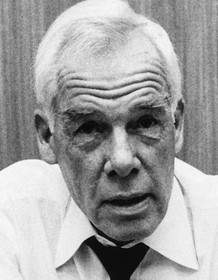
Maj. John Reisman (Lee Marvin)
Played by Lee Marvin
A hard-edged, capable commander who molds a disparate group of prisoners into a cohesive combat unit. He blends military precision with a willingness to push boundaries, testing their limits to ensure mission success. His leadership is challenged by fear, discipline, and the ever-present risk of betrayal.
- 🧭 Leadership
- 🎯 Strategy
- 💪 Determination
-
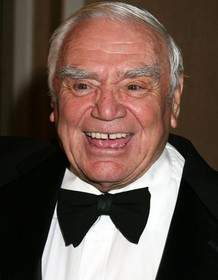
Gen. Worden (Ernest Borgnine)
Played by Ernest Borgnine
An authoritative Allied general who conceives the mission to derail Nazi leadership. He weighs the ethics of sacrificing some for a larger victory and coordinates the broader strategic context. His role anchors the plan and its high-stakes implications.
- 🎖️ Command
- 🧭 Strategic
- 💼 Authority
- SS
Sam Sixkiller (Sonny Landham)
Played by Sonny Landham
A disciplined marksman and the group’s steadying force. He balances aggression with restraint and remains loyal to Reisman and his teammates. His actions drive key moments of combat and protect others under pressure.
- 🧭 Precision
- 💪 Loyalty
- 🗡️ Courage
- AD
Arlen Dregors (Ricco Ross)
Played by Ricco Ross
A volatile, lethal fighter whose intensity tests group cohesion. He is fearsome in combat but must navigate obedience to the mission. He ultimately aligns with the plan and makes a crucial contribution.
- 🔥 Hot-headed
- 🗡️ Lethal
- 🧭 Loyalty
- LV
Louis Valentine (Ken Wahl)
Played by Ken Wahl
A conflicted soldier who initially seeks escape, displaying strong self-preservation instincts. He becomes a source of tension and occasional danger to Reisman. Over time, he moves toward a reluctant commitment to the mission.
- 🧭 Self-preservation
- ⚖️ Tension
- 🗡️ Conflict
- RE
Robert E. Wright (Rolf Saxon)
Played by Rolf Saxon
An ambitious and unstable member whose volatile nature introduces risk to the group. He contemplates murder and becomes a focal point for trust issues within the Dozen. His arc ends in confrontation, underscoring the dangers of unchecked aggression.
- 🗡️ Aggression
- 🧭 Risk
- 💥 Instability
- TW
Tommy Wells (Larry Wilcox)
Played by Larry Wilcox
A steady, capable fighter who endures hardship and remains loyal to the team. He provides resilience in the face of setbacks and helps maintain group cohesion during the mission.
- 🛡️ Resilience
- 🤝 Teamwork
- 🧭 Reliability
- DL
Didier Le Clair (Jay Benedict)
Played by Jay Benedict
A French guide who uses bilingual skills to navigate and misdirect, helping the Dozen move as covertly as possible. Resourceful and quick-thinking, he steadies the group when plans go awry. His role highlights the value of local knowledge in covert operations.
- 🗺️ Guidance
- 🗨️ Translation
- 🤝 Collaboration
- CE
Conrad E. Perkins (Gavan O'Herlihy)
Played by Gavan O'Herlihy
A pragmatic, steady member who endures injury and keeps strategy on track. He balances risk against duty, grounding the team’s plans in practicality. His calm presence helps steer the group through chaotic moments.
- 🧭 Strategy
- 🛡️ Bravery
- 🧱 Steadiness
- OD
Otto Deutsch (Stephen Hattersley)
Played by Stephen Hattersley
A loyal, wary member of the Dozen whose skepticism is tempered by discipline. He shows steady resolve under pressure and contributes to the operational flow. His cautious nature contrasts with hotter impulses within the group.
- 🧭 Caution
- 🛡️ Resolve
- 🤝 Loyalty
- R(
Reynolds (Paul Herzberg)
Played by Paul Herzberg
One of the initial recruits who remains practical and engaged under fire. He contributes to the team’s adaptability and resilience as plans unfold. His presence emphasizes the mix of risk and camaraderie among the Dozen.
- 🛡️ Endurance
- 🗺️ Resourcefulness
- 🤝 Camaraderie
- B(
Baxley (Michael John Paliotti)
Played by Michael John Paliotti
A dependable member whose resolve is tested by injuries and intense combat. He shows grit and loyalty, staying committed to the mission despite setbacks. His endurance helps sustain the team through critical moments.
- 🛡️ Endurance
- 💪 Loyalty
- 🧭 Resilience
- S(
Sanders (Jeff Harding)
Played by Jeff Harding
A Dozen member who endures the mission and contributes despite hardship. His participation underscores the collective effort and the human costs of covert warfare. He remains part of the group’s fighting spirit until the mission’s end.
- 🛡️ Endurance
- 🤝 Teamwork
- 💥 Courage
Where and When Is The Dirty Dozen: Next Mission Set?
The Dirty Dozen: Next Mission is set in German-occupied France and England (September 1944). Here is why the time and place matter to the story.
When
September 1944
The events occur during World War II in September 1944, amid the Allied push into Nazi-occupied Europe. Strategic decisions are made under the pressure of ongoing campaigns and resistance activities. The period is defined by clandestine operations, raids, and rapid movements behind enemy lines.
Where
German-occupied France, England
The action shifts between German-occupied rural France, where the mission unfolds, and England, where Allied command coordinates the operation. The contrast highlights the secrecy and danger of behind-enemy-lines planning. The setting emphasizes the stakes of removing a high-ranking Nazi official to disrupt the war machine.
- 🌍 War zones
- 🗺️ Occupied Europe
- 🛡️ Allied Presence
What Are the Themes of The Dirty Dozen: Next Mission?
3 ideas the story keeps returning to, among them Courage & Sacrifice, Leadership and Deception.
-
01
Courage & Sacrifice
Twelve convicted soldiers accept a suicide mission, forced to confront fear and loyalty under extreme risk. The operation asks them to weigh personal safety against the greater good. The narrative uses this premise to examine how far people will go when facing almost certain death for a cause.
-
02
Leadership
Reisman’s tough, disciplined guidance keeps a diverse group together under pressure. He negotiates discipline, trust, and the temptation to bend the rules for self-preservation. His decisions shape the mission and define the line between command and coercion.
-
03
Deception
Disguises and misdirection drive the plan, with the team posing as German soldiers and manipulating both enemies and allies. The strategy relies on stealth and false signals, risking catastrophic failure if details unravel. The moral cost of deceit is weighed against strategic necessity.
What Kind of Film Is The Dirty Dozen: Next Mission?
Tense in tone, with fast pacing and a straightforward story, going by the plot summary.
- Tone
- Tense
- Pacing
- Fast
- Story
- Straightforward
- Intensity
- High
- Ending
- Bittersweet
A tense and gritty war film that maintains a fast-paced, high-stakes pressure as a condemned squad undertakes a near-suicidal mission behind enemy lines, filled with constant danger and significant casualties.
- tense
- gritty
- suspenseful
- grim
- determined
- claustrophobic
- suicide mission
- war violence
- found family
- redemption
Content notes: war violence, death of comrades, suicide mission, nazi regime.
Quiz
How well do you remember The Dirty Dozen: Next Mission? Test yourself on the story.