
Ten Seconds to Hell 1959

Directed by
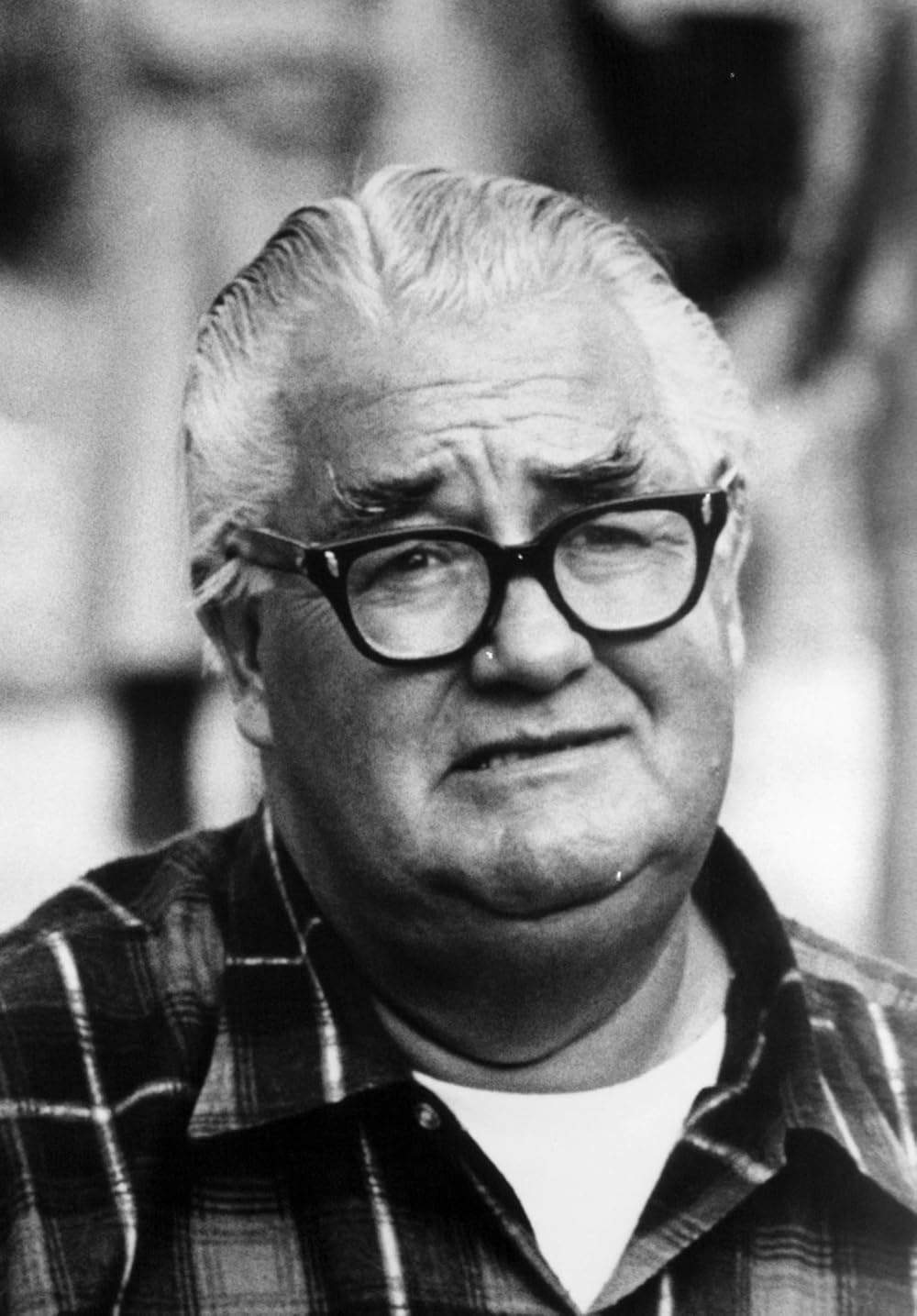
Robert Aldrich
Made by

Hammer Film Productions
Where to Watch Ten Seconds to Hell
See current US streaming, rental, and purchase options for Ten Seconds to Hell (1959) via JustWatch.



Streaming availability powered by 
Ten Seconds to Hell Plot Summary
Read the complete plot summary and ending explained for Ten Seconds to Hell (1959). From turning points to emotional moments, uncover what really happened and why it matters.
In the灰 rubble-strewn streets of post-war Berlin, a weary city trying to stage a comeback under occupation, a British Major Haven gathers what remains of a German bomb-disposal crew to tackle the peril still hidden in the city’s wake. The assembled team includes Hans Globke, Peter Tillig, Wolfgang Sulke, Franz Loeffler, Karl Wirtz, and Eric Koertner, with Frau Bauer assigned as their liaison. Although Karl initially hopes to take the lead, the men vote to place the reins in the hands of the reluctant engineer-turned-foreman, Eric, and the plan moves forward with that partnership.
The crew settles into a boarding house run by a pretty young widow, Margot Hofer, a Frenchwoman whose husband died during the war, and the growing bond among the men begins to alter the group’s dynamics as they work together to neutralize the city’s dangerous remnants.
For a time, the bombs come down cleanly, and the unit appears to be winning their dangerous siege against the city’s past. Then tragedy strikes when Hans Globke, a young member of the team, is killed in a catastrophe involving a British 1000-pound bomb he believed he had defused. The loss rattles the group, and Eric offers the others a chance to quit, but none of them takes it. Haven presses Eric for information, hinting at deeper questions about how the work is being done, and Eric hints at a double fuse problem that could be haunting the bombs they’re defusing.
A night out leads to a tense moment when Karl returns with Margot, and a confrontation reveals the fragility of trust among the men. Margot explains that she is viewed with suspicion by both sides—an outsider to the Germans and even targeted by the French—yet she asserts that her feelings for Eric remain steadfast, even as she challenges him to reconcile his own desires with the world around him.
A few days later, Peter Tillig is trapped beneath a collapsing building after a partial collapse destabilizes a bomb site. Eric and Karl race to the scene; Eric rushes inside to help while Karl goes for a doctor. As Tillig pleads, Karl starts to defuse the device, but Eric takes control, sending Karl to fetch the physician and keeping the team safe while the bomb is neutralized. Outside, Eric guides the operation’s pace until the doctor treats Tillig; the building falls further, tragically taking the doctor and leaving Tillig to perish. Grieving, Eric seeks solace with Margot, and a later walk through the ruined city reveals a foundation stone that signals to him a past he kept buried—he had designed that building.
Back at headquarters, Haven reveals that information has become harder to obtain, and he discloses a startling truth: Eric is Dr. Koertner, a gifted architect before the war who says he was forced into demolitions after voicing anti-Nazi sentiments. Karl pushes him to walk away from the mission, but Eric refuses, insisting the fight for survival is bigger than any single ego.
As the deadline nears, tragedy compounds: Sulke is killed while defusing another 1000-pound bomb, and Loeffler drowns when his air line is compromised in a canal. Margot urges Eric to quit, but he articulates a grim philosophy: “this is a battle of survival between the Karls of the world and the me’s of the world, nothing more.” Yet Margot’s love remains steady as they cling to each other amid ruin.
Karl phones with one last danger—the 1000-pound bomb. Eric agrees to join him for the inspection, and he conceives a clever plan. Karl begins by removing the bomb’s top, claiming the secondary firing pin has slipped and that only his finger can restrain it. Eric gives him a pencil to keep the pin in place while Karl retrieves his tools. When Karl releases the pencil, the mechanism fires, but the device, surprisingly, does not explode. The moment of betrayal—Karl’s whispered defiance, “Guess it’s still my bomb”—crystallizes into a final, fatal turn: the bomb explodes, killing Karl as Eric watches, shaken but alive.
In the end, the courageous work continues in a world still rebuilding from ashes, where a group of men—and a woman who loves them—carry on with cautious hope, knowing that the line between loyalty, survival, and humanity can be perilously thin, and that courage can emerge in the most unlikely places.
Ten Seconds to Hell Timeline
Follow the complete movie timeline of Ten Seconds to Hell (1959) with every major event in chronological order. Great for understanding complex plots and story progression.
Post-war Berlin recruitment
British Major Haven recruits the remnants of a returning German bomb disposal unit to defuse unexploded Allied bombs scattered around Berlin. The men are wary but agree to join, hoping to make sense of the chaos. Haven assigns Frau Bauer as their liaison to coordinate operations.
Leadership vote
Karl volunteers to lead the unit, but the men vote for Eric instead, creating an uneasy balance between Karl's aggression and Eric's measured approach. The new leadership dynamic shapes how they approach dangerous bomb disposal missions. Tensions simmer as they prepare for their first assignments.
Move to Margot's boarding house
Karl and Eric move into a boarding house run by Margot Hoefler, a French widow whose husband died during the war. The arrival of Margot introduces personal tension and a softer human dimension to their grim work. The men begin living among civilians displaced by the devastation.
First operations; Globke killed
The unit defuses numerous bombs without incident until Globke is killed when a 1000-pound bomb explodes after he believes it's defused. The accident underscores the stakes and the danger of false confidence. Eric offers the others the chance to leave, but none choose to quit.
Continue against orders; Haven's offer
Haven later extends the option to Eric and his men to quit the work. Eric refuses, reaffirming his commitment to staying and finishing the mission. The group remains bound to the dangerous task despite growing personal and moral strain.
Drunken return and Margot's warning
A drunken Karl returns with Margot after a night out and tries to force himself on her. Eric intervenes and orders Karl to leave, but Margot explains she is seen as a traitor by the French and an outsider to the Germans. She challenges Eric’s own desires, revealing the complexity of loyalties in occupied Berlin.
Tillig trapped; hesitant defusal
A few days later, Tillig is trapped under a bomb when a building partly collapses. Eric and Karl race to the site; Karl begins defusing, but Eric steps in and neutralizes the device. The ruined structure collapses further, killing Tillig and a doctor while the team struggles with the loss.
Solace and confession
The next day, Eric takes Margot to a ruined section of the city to show her something, but he changes his mind. The foundation stone of a building reveals that he designed it, linking his past to the present. He finally admits that he loves Margot.
Reveal of Dr. Koertner; anti-Nazi past
Back at headquarters, Haven tells Eric they are having trouble getting information. Eric reveals that he was Dr. Koertner, a promising architect before the war who was forced into demolitions for expressing anti-Nazi sentiments. Karl urges him to quit, but Eric refuses.
Casualties mount; Sulke's death; Loeffler's drowning
A month before the wager's deadline, Sulke is killed defusing another 1000-pound bomb. Loeffler drowns in a canal when his air line is cut and no one notices. The losses tighten the group's resolve but also strain their solidarity.
Margot's plea; growth of resolve
Margot urges Eric to give up; he explains that the conflict becomes a battle of survival between the Karls of the world and the 'me's' of the world. She tells him she loves him regardless, and they embrace. The relationship deepens even as the danger continues.
Final mission: a deadly test
Karl phones in that he has a 1000-pound bomb and Eric goes to inspect with him. Eric suggests a method to defuse the bomb; Karl decides to try the plan. Tension builds as they attempt to neutralize the device, knowing the deadline is near.
Karl's sacrifice and the end
During the final defusal, Karl uses a pencil to hold back a secondary firing pin while Eric stands clear. When Karl releases the pencil to continue, the bomb detonates, killing Karl. Eric, shaken, survives, and the outcome cements the tragic cost of their war.
Ten Seconds to Hell Characters
Explore all characters from Ten Seconds to Hell (1959). Get detailed profiles with their roles, arcs, and key relationships explained.
Eric Koertner (Jack Palance)
A former architect who leads the bomb-disposal unit. He is disciplined, calm under pressure, and guided by a personal code that values human life. He struggles with his past after being forced into demolitions for expressing anti-Nazi sentiments, which fuels his resolve to protect his crew. He falls in love with Margot, complicating loyalties and raising the stakes of the mission.
Karl Wirtz (Jeff Chandler)
A cocky, risk-taking member whose rivalry with Eric fuels the unit's tensions. He bets on outliving his colleagues and sometimes lets bravado trump caution. His flirtation with danger extends to Margot and the bomb's mechanism, culminating in a desperate attempt to manipulate the fuse. He dies when the bomb explodes during a final defusing effort.
Hans Globke (Jim Goodwin)
A capable young member who embodies competence and optimism. He dies when a 1000-pound bomb detonates despite his belief that it has been defused, underscoring the ever-present danger they face. His death highlights the human cost of their work and the fragility of even careful plans.
Peter Tillig (Dave Willock)
A steady, loyal member who helps keep the unit coordinated under pressure. He is trapped beneath rubble when a building partially collapses, along with a bomb, and dies as the effort to rescue him unfolds. His fate emphasizes the randomness and peril of every mission.
Franz Loeffler (Robert Cornthwaite)
A seasoned member who weighs decisions with caution and a sense of responsibility. He contemplates sharing the prize with Sulke's family, illustrating the humane impulse within the unit. He drowns when his air line is cut while defusing a bomb, highlighting the peril of the work.
Wolfgang Sulke (Wesley Addy)
A dependable, supportive colleague who stands by the team under pressure. He embodies quiet courage and practical solidarity. He is killed while defusing a 1000-pound bomb, a blow that deepens the group's sense of danger and loss.
Margot Hofer (Martine Carol)
A French widow living in a ruined Berlin boarding house, Margot is an outsider to both the German and French communities in the postwar landscape. Her relationship with Eric becomes a focal point of personal conflict and hope. Her experiences of suspicion and betrayal reflect the fractured social fabric of postwar Europe.
Ten Seconds to Hell Settings
Learn where and when Ten Seconds to Hell (1959) takes place. Explore the film’s settings, era, and how they shape the narrative.
Time period
1945-1946
Set in the immediate postwar years in Berlin, the film follows the fraught effort to defuse thousands of unexploded bombs. The city bears the scars of war, and Allied forces supervise reconstruction and safety operations. The period is defined by scarcity, risk, and the precarious balance between victors and locals.
Location
Berlin, Germany
Berlin lies in ruins after World War II, with shattered buildings and a city in the early stages of reconstruction. The city is under Allied occupation, and a British Major heads a bomb-disposal unit operating among the remnants of war. The atmosphere is tense but purposeful as residents and soldiers strive to clear danger and begin rebuilding.
Ten Seconds to Hell Themes
Discover the main themes in Ten Seconds to Hell (1959). Analyze the deeper meanings, emotional layers, and social commentary behind the film.
🧭
Survival
The bomb-disposal unit faces constant life-threatening danger as they work to clear the city. Each defusal is a test of nerve, skill, and collective resolve. The crew's perseverance under pressure mirrors the broader struggle to rebuild a broken society.
❤️
Love and loyalty
Eric's relationship with Margot introduces personal stakes beyond the mission, complicating loyalties in a city where trust is scarce. Margot's outsider status amplifies the emotional tension, forcing characters to confront desire and duty. The romance develops under the shadow of risk, betrayal, and sacrifice.
⚖️
Morality
The unit's mission raises questions of duty versus self-preservation, and of how far mercy should extend to enemies and allies alike. Karl's bravado clashes with Eric's principled approach, testing their shared code. The film culminates in a tragedy that forces a reckoning with choices made under extreme pressure.

Coming soon on iOS and Android
The Plot Explained Mobile App
From blockbusters to hidden gems — dive into movie stories anytime, anywhere. Save your favorites, discover plots faster, and never miss a twist again.
Sign up to be the first to know when we launch. Your email stays private — always.
Explore the mobile appTen Seconds to Hell Spoiler-Free Summary
Discover the spoiler-free summary of Ten Seconds to Hell (1959). Get a concise overview without any spoilers.
In the shattered streets of post‑war Berlin, the city’s battered façade hides a quieter, deadlier danger: thousands of unexploded bombs buried beneath rubble and ruined foundations. Against this backdrop of occupation and rebuilding, the scarred atmosphere hums with tension, as every footstep could trigger a forgotten war‑time nightmare. Into this precarious landscape, Major Haven is tasked with gathering the remnants of a German bomb‑disposal squad, hoping to turn chaos into order before the ticking time‑bombs claim more lives.
The assembled team is a reluctant band of specialists, each shaped by the conflict’s aftermath. Eric—an engineer thrust into the role of foreman—carries the weight of technical expertise and a haunted past, while Karl wrestles with his own ambition, eyeing the command that the men ultimately deny him. Alongside them are seasoned operatives such as Hans, Peter, Wolfgang and Franz, whose quiet competence masks the strain of constantly flirting with death. Their temporary home is a modest boarding house run by Margot Hofer, a young French widow whose loss mirrors the city’s collective grief. Her presence adds a fragile thread of domestic normalcy, even as the house becomes a crucible for the men’s evolving relationships.
The tone of the film walks a fine line between stark realism and simmering suspense. Amid the cold concrete and lingering smoke, the squad’s daily routine is a study in disciplined anxiety—precision work under the constant shadow of catastrophe. Trust is negotiated in whispered conversations over coffee, and camaraderie blooms in cramped quarters, yet every successful defusal underscores how thin the margin between control and collapse truly is. The looming deadline to clear the city’s hidden arsenal injects a relentless urgency, turning each shift into a test of both skill and resolve.
At its core, the story is less about the bombs themselves than about the fragile human connections forged in a world trying to rebuild. It captures the paradox of survival: the need to confront the past’s detonating remnants while searching for glimpses of hope amid the wreckage. The film’s atmosphere invites viewers to feel the weight of each breath in the ruined city, leaving a lingering question of how far ordinary people will go when every moment could be their last.
Movies with Similar Twists and Themes
Uncover films that echo the narrative beats, emotional arcs, or dramatic twists of the one you're exploring. These recommendations are handpicked based on story depth, thematic resonance, and spoiler-worthy moments — perfect for fans who crave more of the same intrigue.


Featured on this page

What's After the Movie?
Not sure whether to stay after the credits? Find out!
Check out our other apps:

SAT Sphere
Build confidence for the Digital SAT.

Mori Atlas
Discover wild places worth protecting.

Luntero
Search smarter for a home in Amsterdam.

Plot Explained
Unravel movie endings and hidden clues.

Pokechamp
Dive into Pokémon data and battle logic.

Driving Theory
Get ready for your European theory test.

Movie Dust
Plan your next cinema trip with ease.

Musemap
Find art and culture as you travel.

Selkobase
Compare credentials before committing.

Local Manual
Turn an unfamiliar country into practical next steps.

Lernavi
Compare school systems before your next move.

GymRoam
Find a workout stop wherever your plans take you.
Explore Our Movie Platform
New Movie Releases (2026)
Famous Movie Actors
Top Film Production Studios
Movie Plot Summaries & Endings
Major Movie Awards & Winners
Best Concert Films & Music Documentaries
Movie Collections and Curated Lists
© 2026 What's After the Movie. All rights reserved.
Privacy Policy