
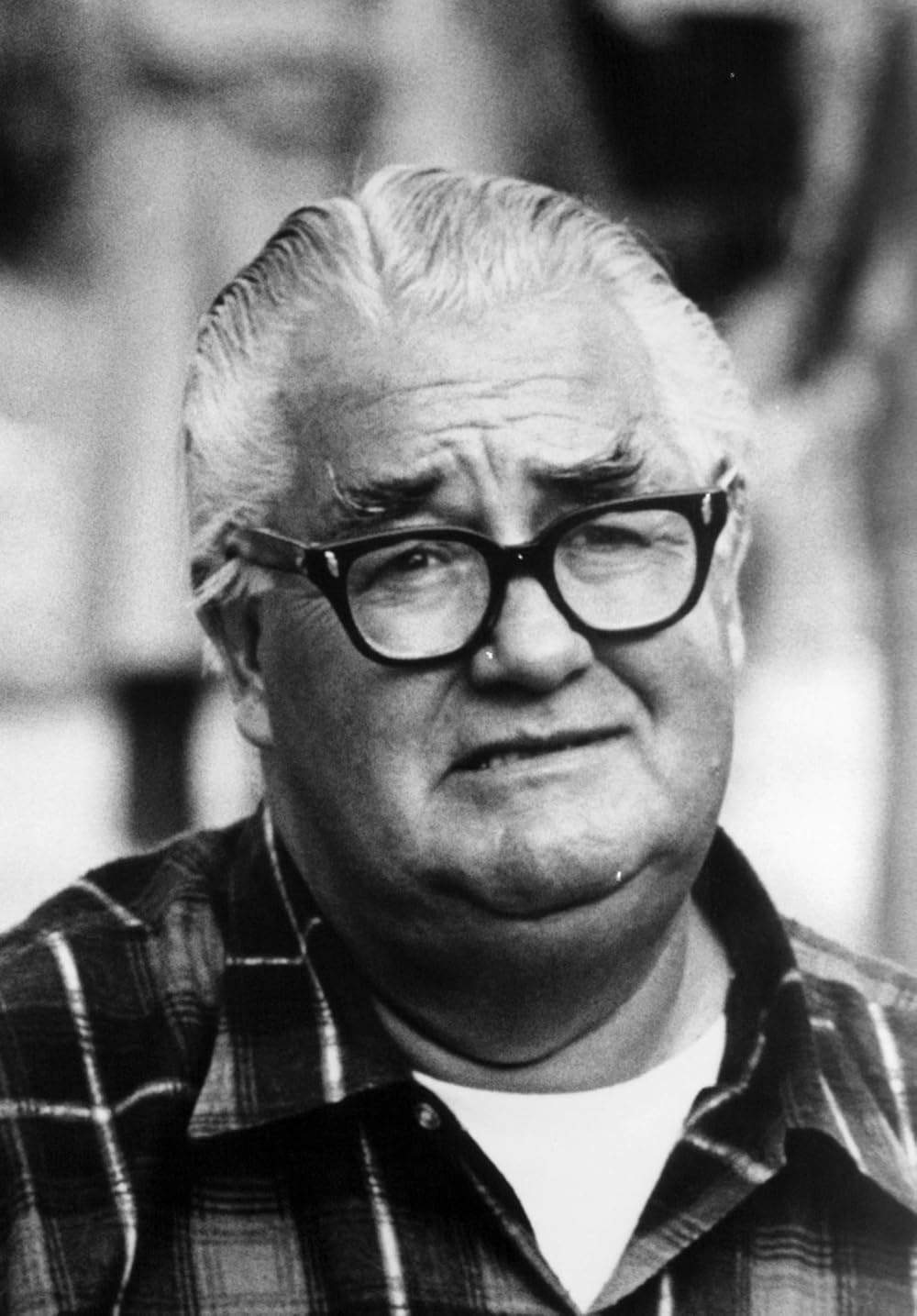
Robert Aldrich: Movies, Awards & Box Office
- films
- 28
- as director
- 26
- on screen
- 1951–2020
- box office
- $53.8M
- nominations
- 2
- Born
- August 9, 1918
- Birthplace
- Cranston, Rhode Island, U.S.
- Full name
- Robert Burgess Aldrich
- Citizenship
- American
- Occupations
- Film director, producer, screenwriter
- Years active
- 1945-1981
- Spouses
- Harriet Foster, Sibylle Siegfried
- Children
- 4
The Best Robert Aldrich Movies
The films of Robert Aldrich that made the most at the worldwide box office, biggest first: The Longest Yard (1974) leads with $43M. The full ranking adds the most awarded films and the newest releases.
-
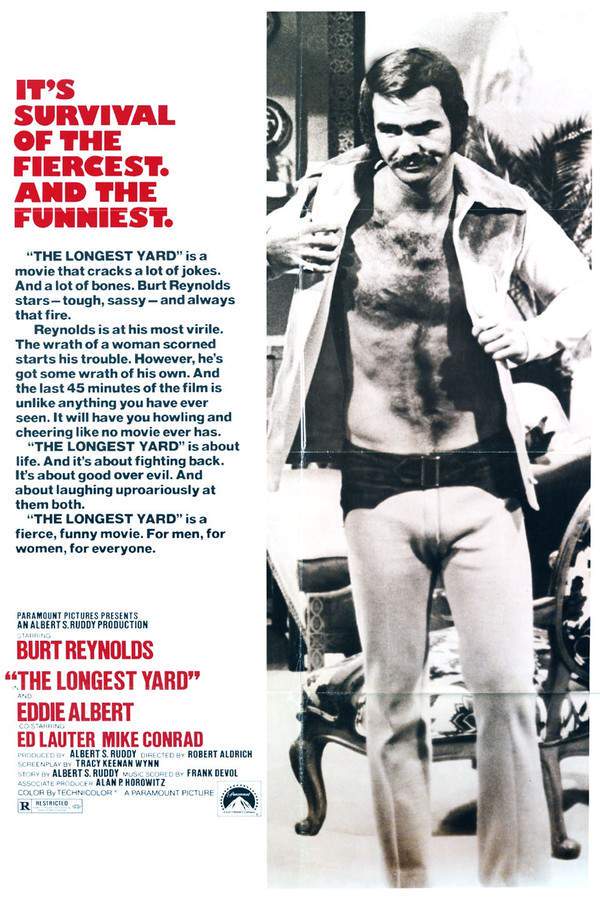 Worldwide box office: $43M The Longest Yard 1974 · Drama
 -
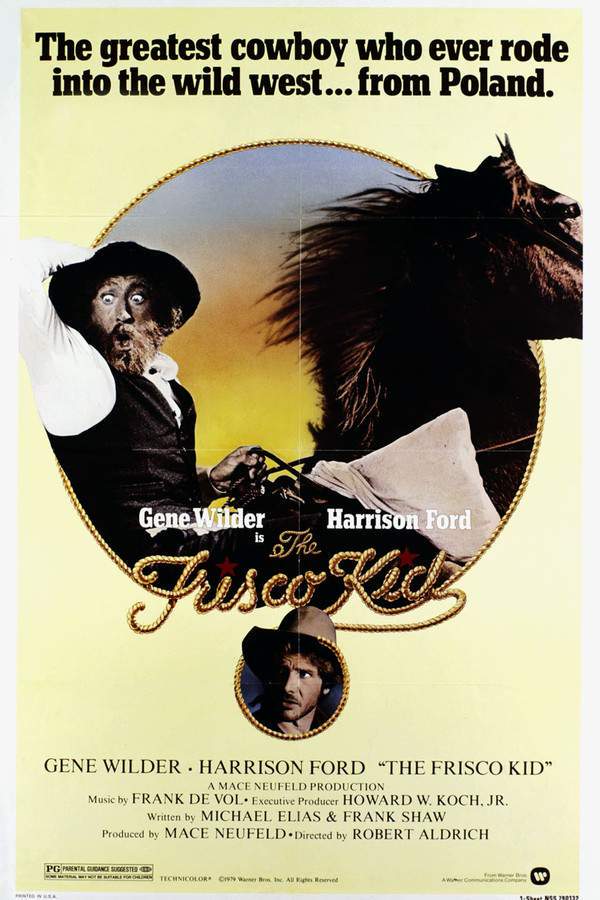 Worldwide box office: $9.35M The Frisco Kid 1979 · Drama
 -
 Worldwide box office: $952K Kiss Me Deadly 1955 · Mystery
 -
 Worldwide box office: $466K Hustle 1975 · Drama
 -
 Worldwide box office: $18.1K Vera Cruz 1954 · Western
 -
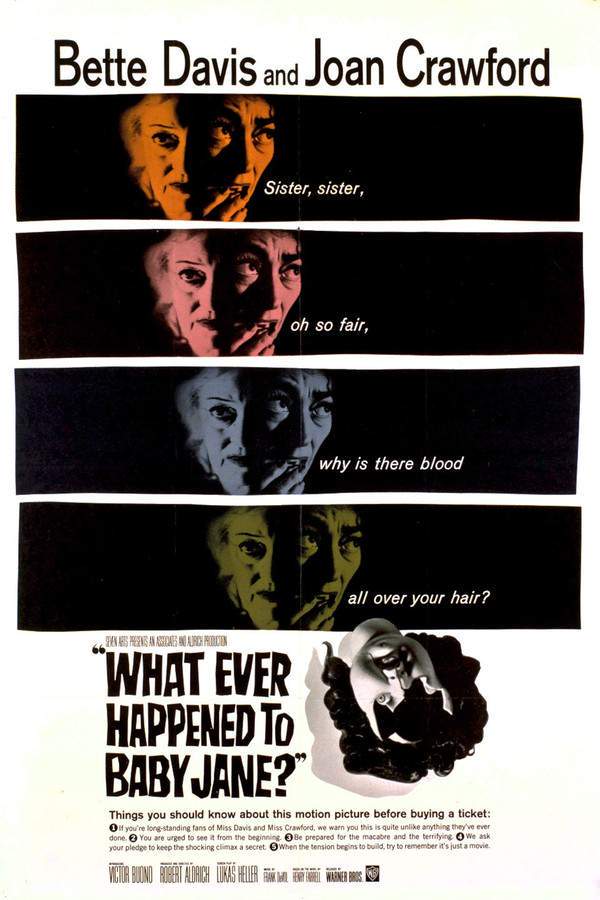 Worldwide box office: $4.45K What Ever Happened to Baby Jane? 1962 · Drama
Robert Aldrich's Career in Numbers
Robert Aldrich's films in numbers — as a director, not counting appearances as themselves: when they were made, the genres Robert Aldrich works in most and the milestones along the way. The filmography runs from The Big Night (1951) to …All the Marbles (1981), and the 1950s were the busiest decade.
Robert Aldrich Movies by Decade
- 1950s 10
- 1960s 8
- 1970s 8
- 1980s 1
The 1950s were Robert Aldrich's busiest decade, with 10 films.
Robert Aldrich Movies by Genre
- Drama 17
- Western 3
- Thriller 2
- Mystery 2
- Comedy 1
- Action 1
- Crime 1
Drama is the genre Robert Aldrich has worked in most, with 17 films, ahead of western (3).
Robert Aldrich Career Milestones
- First film
- The Big Night 1951
- Biggest box office hit
- The Longest Yard $43M worldwide
- Newest film
- …All the Marbles 1981
Robert Aldrich Filmography: Every Movie
Every film Robert Aldrich is credited on, newest first, with the role, the box office and the Movie Echo Score. 26 as director and 1 as actor. Re-order the list to see the best-rated films or the biggest hits first.
Movies Directed by Robert Aldrich
26- 1981
 …All the Marbles Comedy
 - 1979 The Frisco Kid Drama Worldwide box office: $9.35M
- 1977
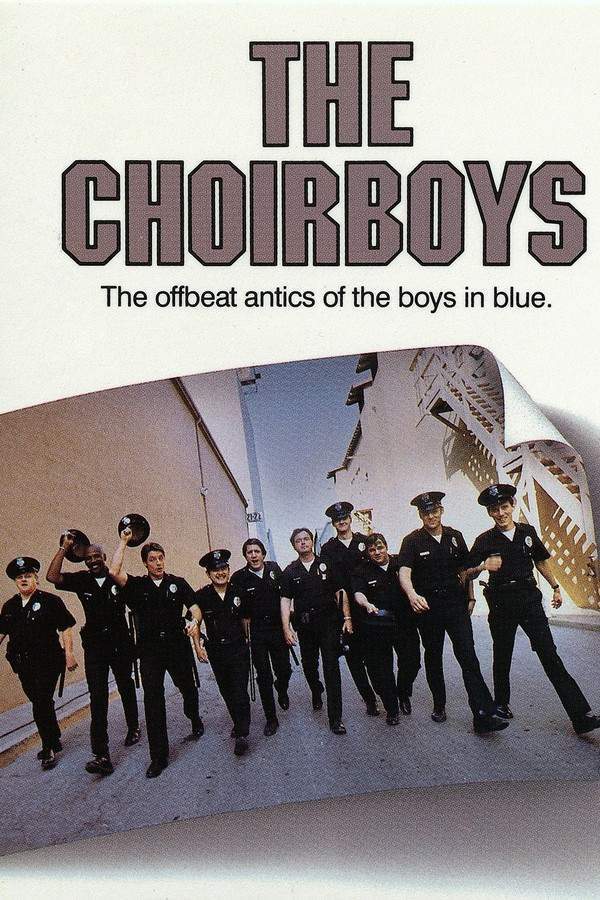 The Choirboys Drama
 - 1977
 Twilight’s Last Gleaming Thriller
 - 1975 Hustle Drama Worldwide box office: $466K
- 1974 The Longest Yard Drama Worldwide box office: $43M
- 1972
 Ulzana’s Raid Western
 - 1971
 The Grissom Gang Action
 - 1970
 Too Late the Hero Drama
 - 1968
 The Killing of Sister George Drama
 - 1968
 The Legend of Lylah Clare Drama
 - 1965
 The Flight of the Phoenix Drama
 - 1964
 Hush… Hush, Sweet Charlotte Mystery
 - 1963
 4 for Texas Western
 - 1962 What Ever Happened to Baby Jane? Drama Worldwide box office: $4.45K
- 1962
 Sodom and Gomorrah Drama
 - 1961
 The Last Sunset Drama
 - 1959
 The Angry Hills Thriller
 - 1959
 Ten Seconds to Hell Drama
 - 1956
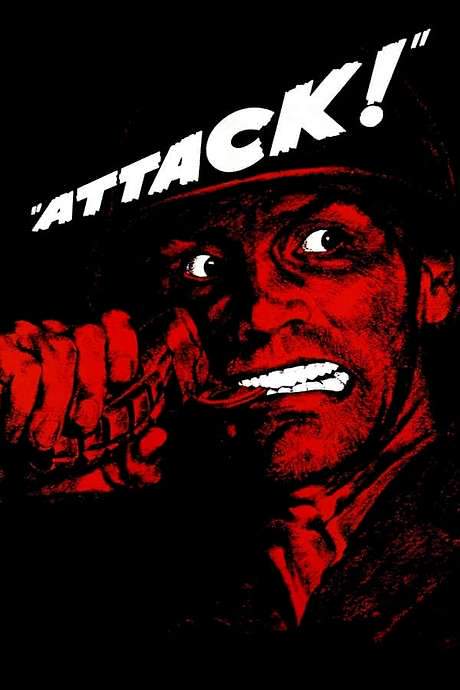 Attack Drama
 - 1956
 Autumn Leaves Drama
 - 1955
 The Big Knife Crime
 - 1955 Kiss Me Deadly Mystery Worldwide box office: $952K
- 1954 Vera Cruz Western Worldwide box office: $18.1K
- 1954
 World for Ransom Drama
 - 1953
 Big Leaguer Drama
Robert Aldrich Movies as an Actor
1
Robert Aldrich in Documentaries & Specials
1
Robert Aldrich: Awards & Nominations
2 nominations across 1 award body, from 1963 to 1968. Every ceremony is listed newest first, with the category and the film.
-
 20th Directors Guild of America Awards
- Robert Aldrich: Nominated Outstanding Directing – Feature Film The Dirty Dozen
- 15th Directors Guild of America Awards
- Robert Aldrich: Nominated Outstanding Directing – Feature Film What Ever Happened to Baby Jane?
Who Is Robert Aldrich?
Robert Aldrich was born in Cranston, Rhode Island, U.S. in 1918. Credited on films since 1951, as a director. The background, training and the roles that shaped the career.
Robert Burgess Aldrich was an iconoclastic and maverick auteur of the Golden Age of Hollywood, known for his daring blend of film noir, westerns, war epics and dark melodramas with Gothic overtones. Born on August 9, 1918 in Cranston, Rhode Island, he grew up in the powerful Aldrich‑Rockefeller family but rebelled against his privileged background, dropping out of the University of Virginia and refusing a lucrative studio entry, which led to his disinheritance. After a stint as a production clerk at RKO and service in the Air Force Motion Picture Unit, Aldrich honed his craft as a second‑ and first‑assistant director on dozens of films, learning from legends such as Orson Welles, Charlie Chaplin and William A. Wellman. By the early 1950s he transitioned to directing, achieving his first hits with the Technicolor westerns Apache (1954) and Vera Cruz (1954), both starring Burt Lancaster and securing his reputation as a reliable commercial director. Aldrich’s subsequent period of independence produced groundbreaking works like Kiss Me Deadly (1955), The Big Knife (1955) and Attack (1956), films that pushed the limits of on‑screen violence and explored the dark side of American ambition. His masterstroke came in 1962 with What Ever Happened to Baby Jane?, a psychological horror that revived the careers of Bette Davis and Joan Crawford and spawned the “psycho‑biddy” subgenre. Follow‑up Gothic thrillers such as Hush...Hush, Sweet Charlotte (1964) cemented his status as a director who could fuse commercial appeal with chilling atmosphere. The 1967 war‑action ensemble The Dirty Dozen became his biggest box‑office success, showcasing his talent for orchestrating large‑scale action and complex character dynamics. Beyond his films, Aldrich served two terms as president of the Directors Guild of America, advocating for directors’ rights and establishing the Robert B. Aldrich Achievement Award. His later career mixed commercial comedies like The Longest Yard (1974) with cult‑favorite thrillers such as Twilight’s Last Gleaming (1977). Aldrich died of kidney failure on December 5, 1983 in Los Angeles, leaving behind a legacy of bold storytelling, genre‑defying experimentation and a lasting influence on both American and international cinema.
Who Robert Aldrich Makes Movies With
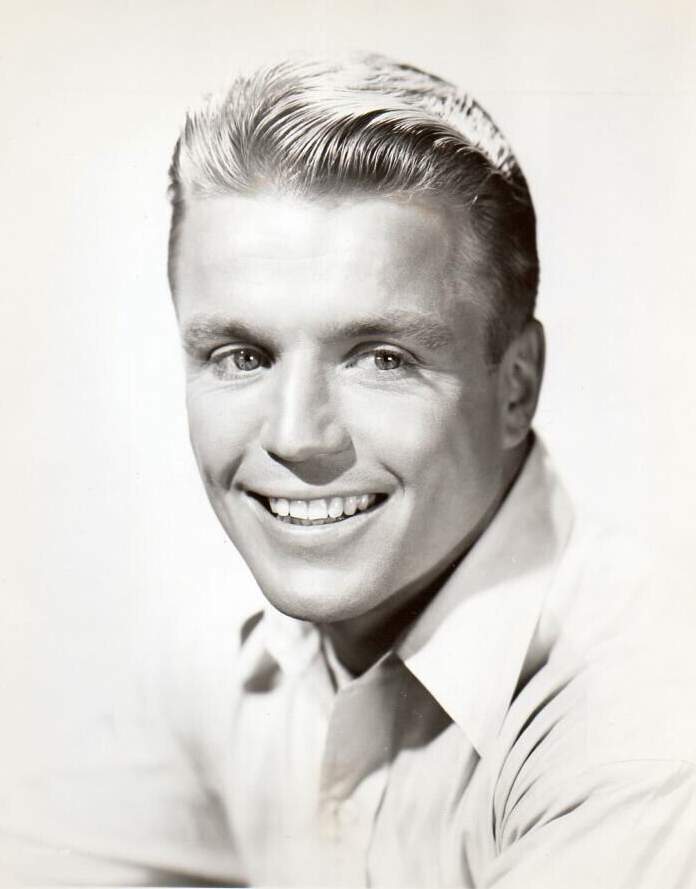
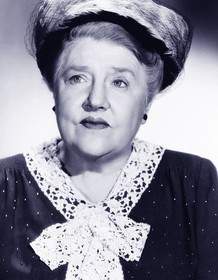
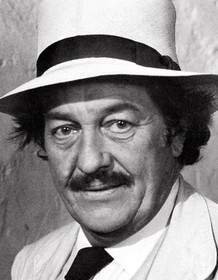
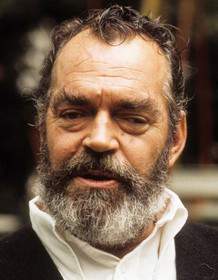
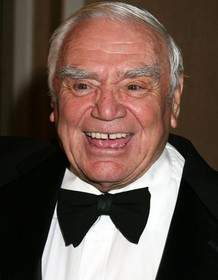
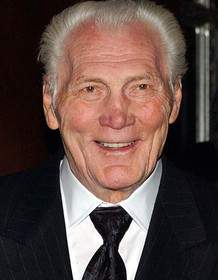
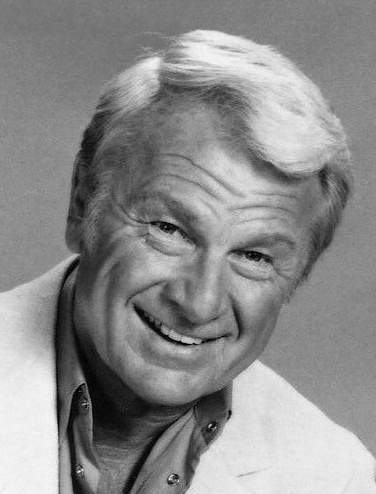
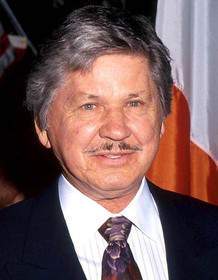
The actors and directors Robert Aldrich shares the most films with. Richard Jaeckel comes first, with 6 films together, followed by Marjorie Bennett (4).
Robert Aldrich: Questions & Answers
How many movies Robert Aldrich has made, the biggest hit, the best-rated film, the award record and more, answered from the filmography above.
How many movies has Robert Aldrich been in?
Robert Aldrich is credited on 28 films, from 1951 to 2020. 1 of them as an actor and 26 as a director. The filmography on this page lists every one of them, newest first, with the role and the Movie Echo Score.
What is Robert Aldrich's highest-grossing movie?
The Longest Yard (1974) is Robert Aldrich's biggest box office hit, with $43M worldwide, ahead of The Frisco Kid (1979) ($9.35M). Across every film with box office figures, Robert Aldrich's movies have made $53.8M.
Robert Aldrich's biggest hits Has Robert Aldrich won an Oscar?
Robert Aldrich has not been nominated for an Oscar. Across every ceremony in the awards database, Robert Aldrich has 0 wins from 2 nominations.
What is Robert Aldrich's newest movie?
The most recent film on Robert Aldrich's filmography is Charles Bronson: The Spirit of Masculinity (2020), in the role of Self (archive footage).
Who does Robert Aldrich work with most often?
Robert Aldrich shares the most films with Richard Jaeckel (6 films), Marjorie Bennett (4 films) and Strother Martin (4 films).
The Best Robert Aldrich Movies, Ranked
Top rated, most awarded and biggest box office hits from 28 directing credits.
Coming soon to your phone
The Plot Explained Movie Summary App
From blockbusters to hidden gems: plot summaries, endings explained and timelines on your phone. Save your favorites and never miss a twist again.
Be the first to know when it launches. Your email stays private, always. Learn more about the app
