
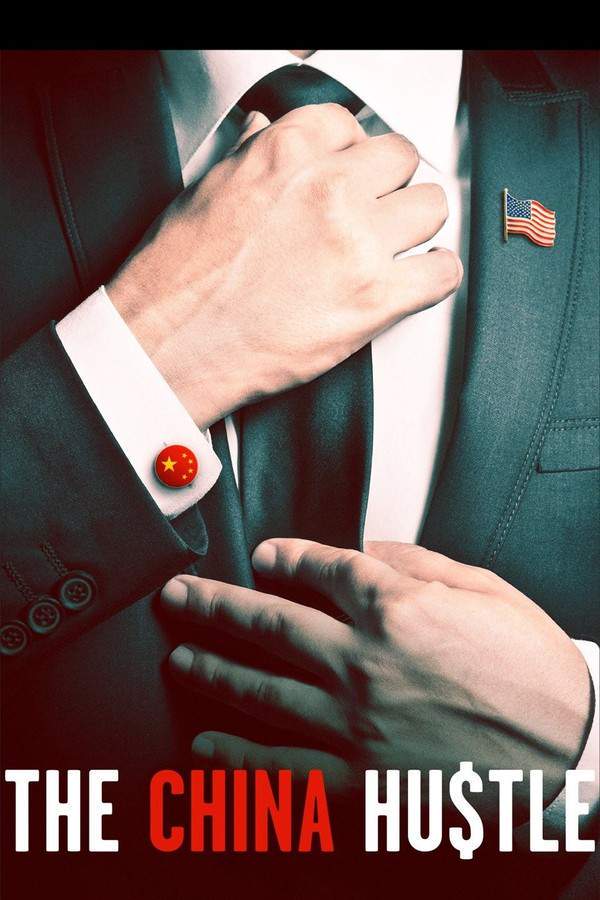
What Is The China Hustle About?
The premise of The China Hustle in 308 words, with nothing given away. The full story follows below.
In the years following the 2008 financial crisis, Wall Street found itself searching for new avenues of growth and profit. Amid the wreckage of collapsed markets, American investment firms turned their gaze eastward, drawn by the allure of China’s booming economy. This documentary steps into that glittering promise, exploring a sophisticated scheme that leveraged investor enthusiasm and the mystique of international markets to potentially reshape countless retirement portfolios and savings accounts.
At the heart of the story are figures like Dan David, a sharp-eyed outsider whose curiosity sparks the investigation, alongside Wall Street insiders, investment bankers, and journalists from major newspapers who begin to question the stories they’ve been told. Familiar faces like Henry Kissinger and Bill Clinton appear at lavish investment conferences, lending credibility to firms peddling opportunities tied to obscure Chinese companies through a little-known process that brings them onto American exchanges almost overnight. The documentary captures the slick glamour of these events and the high-stakes atmosphere of an industry chasing astronomical returns.
The tone is investigative and urgent, peeling back the polished veneer of financial dealmaking to reveal the unease that grows when profit motives overshadow accountability. Interviews with figures such as retired General Wesley Clark, attorney Mitchell Nussbaum, and academic Paul Gills anchor the narrative, each offering a different vantage point on a system that promises wealth while leaving ordinary investors exposed. The camera lingers on conference floors and corporate boardrooms, evoking an environment where influence and prestige are currency.
Beneath the surface of deregulation and rapid globalization lies a pressing question: who bears responsibility when complex financial arrangements outpace the safeguards meant to protect them? The film carries a tone of mounting skepticism, posing thoughtful challenges about transparency, trust, and the architecture of the modern global economy — inviting viewers to consider just how easily the line between opportunity and exploitation can blur.
What Happens in The China Hustle?
The complete story of The China Hustle, from the first scene to the last, in 570 words (about 2 minutes). Spoilers throughout. Names in the text link to 3 cast member pages.
Spoilers ahead
In the wake of the 2008 financial crisis, investment firms across the United States began searching for aggressive new strategies to boost client performance while simultaneously maximizing their own profits. They discovered a lucrative, albeit deceptive, opportunity: selling the dream of the “China growth story” to unsuspecting American investors. These individuals, eager to build wealth but lacking deep knowledge of Chinese markets or corporate structures, became the primary targets for a massive financial scheme.
The mechanism for this fraud involved utilizing reverse mergers. Small, nondescript Chinese companies—such as Orient Paper and Advanced Battery Technologies (ABAT)—would merge with defunct American shells, like Buffalo Mining. This allowed these obscure firms to bypass traditional scrutiny and become listed on the New York Stock Exchange (NYSE) almost overnight. To provide a veneer of legitimacy and reliability, second-tier investment firms, including Matthew Wiechert of Roth Capital Partners, organized “investment conferences.” These events were bolstered by paid guest appearances from high-profile figures like Bill Clinton and Henry Kissinger, which added a deceptive layer of respectability to the offerings.
As the hype intensified, these investment firms goaded their clients into purchasing these stocks, siphoning off massive brokerage fees in the process. The stock prices experienced artificial spikes, but once the bubble burst and the prices crashed to their actual value, ordinary savers were left with worthless stocks in their 401(k) accounts.
The documentary meticulously investigates the collusion that occurred between 2008 and 2016 between third-tier Wall Street firms and these small Chinese entities. A shocking revelation of the film is that the actual revenues of these Chinese firms, as reflected in their filings with the Chinese government, were typically only one-tenth of the figures reported to the SEC. Following extensive investigations, the majority of these firms were eventually de-listed from the NYSE, resulting in billions of dollars in losses for U.S. investors.
Interestingly, warnings about these frauds had been published in Chinese newspapers as early as 2010, including the online edition of Sina. However, because the reports were written in Chinese, American investors remained oblivious. Even when the research firm Muddy Waters published English translations of these reports, they failed to gain significant traction.
The film features critical insights from various industry figures, including:
- Whistleblowers such as Dan David, who, after reviewing reports from Muddy Waters Research, chose to short many of these hyped-up penny stocks.
- Investment professionals like Carson Block, the founder of Love Box.
- Journalists from the Wall Street Journal and New York Times.
- Mitchell Nussbaum, a lawyer from Loeb & Loeb who represented the Chinese firms involved.
- Retired U.S. Army General Wesley Clark, who served as chairman of Rodman & Renshaw.
- Paul Gills, a professor at Peking University.
The documentary also highlights a systemic failure within the “Big Four” accounting firms—Deloitte, EY, KPMG, and PwC. It exposes the flaws in a system where these global giants sign off on audit reports produced by their Chinese affiliates, reports that may not have been fully verified, yet are accepted as standard global practice.
The film reaches a sobering conclusion by highlighting the ongoing lack of regulatory oversight regarding Chinese securities fraud. Out of approximately 400 Chinese companies involved in these schemes, only one CEO ever faced jail time for fraudulent reverse mergers. The documentary ends with a haunting suggestion that the high growth claims of major existing firms, such as the Alibaba Group, might be just as fraudulent as the penny stocks that came before them.
The China Hustle Timeline: Every Key Event in Order
15 key events in the order they happen, from “The 2008 Financial Crisis Creates Opportunity” to “A Warning About Alibaba”. 7 events name a place, across 5 locations.
- 1
The 2008 Financial Crisis Creates Opportunity
After the 2008 financial crisis, investment firms in the United States search for new ways to improve clients' investment performance while earning money for themselves. This desperate hunt for fresh profits sets the stage for a scheme targeting everyday American savers.
When:2008 Where:United States
- 2
The 'China Growth Story' Pitch Is Born
Wall Street firms chance upon the idea of selling opportunities to unsuspecting Americans who want to get rich by participating in China's booming economy. The scheme exploits the fact that most of these investors know little about China or its companies, making them easy marks.
Where:Wall Street, New York
- 3
Reverse Mergers Land Chinese Firms on the NYSE
Small, nondescript Chinese companies such as Orient Paper and Advanced Battery Technologies (ABAT) execute reverse mergers with defunct American companies like Buffalo Mining. Through these deals, the Chinese firms get listed on the NYSE overnight, instantly appearing to be legitimate American public companies.
Where:New York Stock Exchange
- 4
Celebrity Endorsements Add Respectability
B-level investment firms such as Roth Capital organize so-called 'investment conferences' featuring paid guest appearances by high-profile figures like Bill Clinton and Henry Kissinger. These star-studded events wrap the questionable Chinese stocks in a garb of respectability and reliability.
- 5
Stock Spikes and Aggressive Sales Tactics
The stocks of the reverse-merger companies experience dramatic price spikes amid the hype surrounding their listings. Investment firms goad their investors into buying the shares, siphoning off lucrative brokerage fees at every step of the way.
- 6
Fraud Alerts Appear in Chinese Media
Information about the frauds is published in Chinese newspapers in 2010, including the online edition of Sina. American investors remain completely unaware of these warnings because the articles are written mostly in Chinese.
When:2010 Where:China
- 7
Muddy Waters Publishes Translations
The small research and investment firm Muddy Waters publishes English translations of the Sina reports exposing the Chinese frauds. Despite the damning information contained in them, the translations fail to receive much attention from the American investment community.
When:2010
- 8
Dan David Bets Against the Stocks
Whistleblower Dan David reads the reports published by the due diligence firm Muddy Waters Research and decides to act on them. He begins shorting many of the hyped-up penny stocks based in China, wagering that their inflated prices will eventually collapse.
- 9
Investigations Expose Massive Discrepancies
Investigations reveal that the actual revenues of Chinese firms, as reflected in their filings with Chinese government entities, were typically only one-tenth of what was reported to the SEC. This staggering gap between real and claimed earnings exposes the true scale of the deception.
- 10
The Big Four's Audit Problem
The documentary examines how Big Four accounting firms Deloitte, EY, KPMG and PwC sign off on audit reports done by their affiliates in China. Those affiliate audits may not have been fully verified, yet the flawed system is followed by all large accounting firms across the world.
Where:China
Show the other 5 events of The China Hustle Hide the last 5 events
- 11
Inside the Collusion Network
From 2008 to 2016, second and third-tier Wall Street investment firms such as Roth Capital Partners and Rodman & Renshaw collude with small companies based in China. The film features interviews with figures like retired General Wesley Clark, chairman of Rodman & Renshaw, and Mitchell Nussbaum, the Loeb & Loeb lawyer who represented the Chinese firms.
When:2008-2016 Where:Wall Street
- 12
Delistings Send Stocks Plummeting
Following the investigations, most of the firms involved in the fraud are de-listed from the NYSE. The delistings result in losses of billions of dollars to US investors who had trusted the companies' glowing filings.
Where:New York Stock Exchange
- 13
Retirement Savings Left Worthless
When the prices of the hyped stocks crash to their real value, unsuspecting savers are left holding large amounts of worthless stock. Ordinary Americans discover that their 401(k) retirement accounts, meant to secure their futures, have absorbed devastating losses.
- 14
Almost Total Impunity
The film's closing sequence highlights the continued lack of regulatory oversight in Chinese securities fraud. Out of approximately 400 Chinese companies involved in the scheme, only one CEO went to jail for the fraudulent reverse mergers.
- 15
A Warning About Alibaba
The documentary concludes by suggesting that Alibaba Group's and other existing Chinese firms' claims of high growth rates might be just as fraudulent. It leaves viewers with the caution that the same vulnerabilities exposed by the scandal could still put today's investors at risk.
What Kind of Film Is The China Hustle?
Dark in tone, with steady pacing and a complex story, going by the plot summary.
- Tone
- Dark
- Pacing
- Steady
- Story
- Complex
- Intensity
- High
- Ending
- Bleak
A methodical, investigative exposé that unravels a massive international financial fraud scheme, leaving viewers with a chilling sense of systemic corruption and the betrayal of ordinary investors.
- investigative
- oppressive
- chilling
- outraged
- slow burn
- anxious
- financial fraud
- corporate corruption
- regulatory failure
- whistleblowers
Content notes: financial exploitation, massive fraud, investor losses, retirement account destruction, systemic regulatory failure.
Quiz
How well do you remember The China Hustle? Test yourself on the story.
