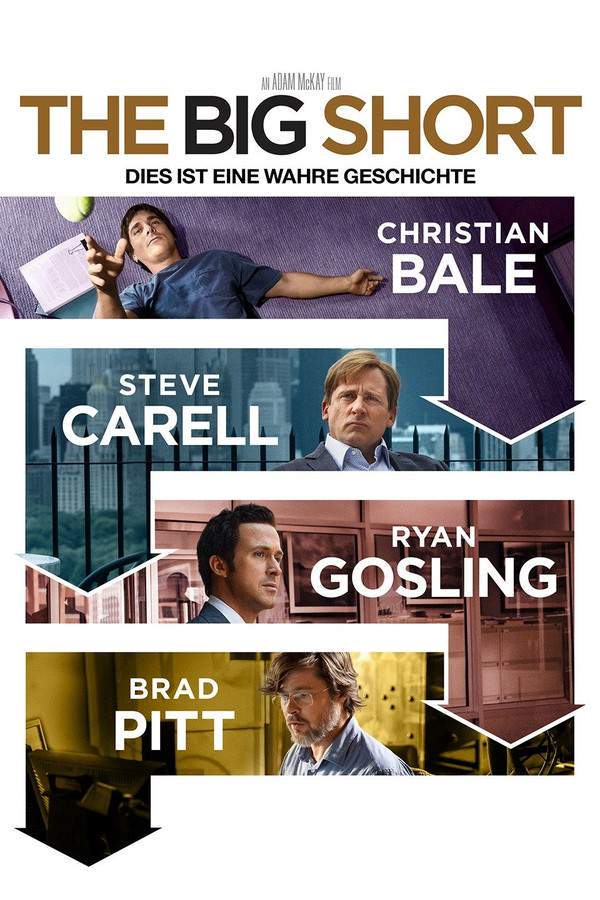
What Is The Big Short About?
The premise of The Big Short in 293 words, with nothing given away. The full story and the ending follow below.
In the sleek, data‑driven corridors of early‑2000s finance, the housing market hums like a well‑oiled machine, its glossy brochures masking a maze of complex securities and hidden risk. The film’s tone balances razor‑sharp satire with earnest curiosity, turning boardrooms and suburban streets into a playground of numbers and jargon that feels simultaneously alien and oddly familiar. It invites the viewer to peer behind the polished façade of mortgage‑backed securities, where each spreadsheet hides a story waiting to be uncovered.
Enter Michael Burry, an idiosyncratic hedge‑fund manager whose obsessive attention to detail leads him to spot a tremor in the system that most overlook. His unconventional methods and quiet confidence draw the eye of Jared Vennett, a slick banker with a flair for turning intricate concepts into seductive pitches. Across the table sits Mark Baum, a wry, world‑weary hedge‑fund strategist whose skepticism borders on cynicism, yet whose sharp moral compass keeps him tethered to the human impact of the numbers he crunches. Their conversations crackle with wit, tension, and a shared sense that something fundamental is about to shift.
Meanwhile, two fledgling traders, Charlie Geller and Jamie Shipley, stumble into the same vortex, their youthful audacity matched only by the seasoned guidance of a retired veteran, Ben Rickert. Together they navigate an opaque world of credit default swaps, synthetic instruments, and endless conference calls, each step revealing how deep the currents run beneath the surface of the market. The film weaves their disparate perspectives into a tapestry of curiosity and unease, painting a portrait of a financial ecosystem on the brink, where ambition, intellect, and a dash of moral questioning collide. The result is a compelling, character‑driven portrait that leaves the audience eager to see just how far this fragile balance can be pushed.
What Happens in The Big Short?
The complete story of The Big Short, from the first scene to the last, in 1,039 words (about 5 minutes). Spoilers throughout. Names in the text link to 7 cast member pages.
Spoilers ahead
Jared Vennett, played by Ryan Gosling, introduces us to the dull world of banking; however, it was turned upside down when Lewis Ranieri (Rudy Eisenzopf) devised a revolutionary strategy involving mortgage-backed securities that promised higher profits with lower risks, banking on everyone diligently paying their mortgages. This seemingly brilliant arrangement was a ticking time bomb, culminating in the devastating global financial crisis of 2008. Vennett notes that only a small group foresaw the impending disaster.
The narrative shifts to hedge fund manager Michael Burry, portrayed by Christian Bale, who is seen conducting an interview with a young analyst in his office. During the discussion, Burry shares his personal struggle, revealing that his wife instructed him to “share more.” He also candidly talks about how he lost an eye due to an illness during his childhood, recalling an embarrassing moment from a childhood football game. Persistent in analyzing market trends, Burry rants about how the tech bubble burst in 2001 while the housing market surged. Without hesitation, he hires the analyst on the spot, tasking him to compile a list of the top 20 selling mortgage bonds.
Next, we are taken to a group therapy session where Mark Baum, beautifully depicted by Steve Carell, interrupts to voice his grievances regarding an unfair retail banking encounter he just had, spotlighting the toxic policies that benefit the rich at the expense of working-class individuals. His outrage is rooted in tragic personal loss—his brother took his own life after failing to cope with the financial repercussions of the banking system. Following a heated call with his wife, Cynthia, who suggests he should consider quitting his job, Baum reluctantly takes a cab to meet with associates.
As Burry conducts his detailed market research, he discovers the unsettling reality that the housing market is propped up by subprime loans, which yield diminishing returns. He quickly formulates a plan to bet against the housing market, creating a credit default swap market to profit from its eventual collapse. Vennett, still guiding the audience through the intricacies of financial jargon, directs us to a lady, played by Margot Robbie, who while indulging in a bubble bath, casually explains that “subprime” is just a euphemism for “shit.” This tidbit reinforces the unscrupulous methods banks utilized to inflate the mortgage market. Despite the concerns of his boss, Lawrence Fields, played by Tracy Letts, who fears the repercussions for their business, Burry remains steadfast in his plan.
Vennett discovers Burry’s strategies and arranges a meeting with Baum and his investor team—Danny Moses (Rafe Spall), Porter Collins (Hamish Linklater), and Vinnie Daniel (Jeremy Strong). He pitches the idea of the credit default swap, expounding on the concept of CDOs (Collateralized Debt Obligations), using an amusing analogy with chef Anthony Bourdain, likening it to concocting a seafood stew from unsold fish. Intrigued by Vennett’s sales pitch, Baum’s group starts weighing the gravity of his words.
Emerging young investors Charlie Geller, portrayed by John Magaro, and Jamie Shipley (Finn Wittrock) find themselves unable to gain traction with JP Morgan Chase due to a missing ISDA agreement. Disheartened yet still determined, they stumble across Vennett’s presentation detailing the housing market’s evident bubble. Realizing the gravity of the situation, they enlist the help of retired trader Ben Rickert, played by Brad Pitt, recognizing their inexperience in executing such complex trades.
Moses and Collins venture into neighborhoods struck by foreclosures and witness the heartbreak of renters apprehensive about eviction. They explore a vacant house adorned with overdue notices and even encounter an alligator in a pool, highlighting the absurd fallout from the financial debacle. Meanwhile, Fields, confronting Burry, expresses skepticism about the success of his unorthodox bets, uncertain of their fate amidst increasing investor pressure.
As Baum and his team continue to probe deeper into the housing crisis, they meet with various real estate professionals, including agents, brokers, and even a stripper, piecing together the murky world of subprime loans. By early 2007, mortgage delinquencies reach alarming levels, escalating Baum’s conviction. Even as risk assessors pressure his team to abandon their swaps, Baum tells them off with a bold refusal.
Backed into a corner, Vennett urges Baum’s team to withdraw from their schemes, coinciding with Geller’s advice to Shipley. Their distress echoes throughout both groups as they descend upon Las Vegas for the American Securitization Forum. There, Baum confronts industry leaders about their deceptive practices, while Shipley pursues a connection with Evie (Karen Gillan), an SEC employee, to probe the agency’s oversight on mortgage bonds, to no avail.
Burry grows increasingly despondent, realizing that the bonds remain stable despite the impending turmoil. Geller, Shipley, and Rickert decide to short AA tranches, making risky deals with bankers. As they celebrate their victories, Rickert serves a painful reminder of the consequences looming over the economy. In a chance encounter, Baum learns about the creation of synthetic CDOs—a perplexing series of escalating bets on failing loans, prompting further introspection about the impending collapse.
By April 2007, foreboding shadows loom as all parties brace for the inevitable fallout. While Geller and Shipley attempt to alert the media about the crisis, their warnings go unheard. Baum’s determination is tested as external forces thwart their investment endeavors.
As predicted, the financial system crashes by the end of 2008, leaving those who bet against it unexpectedly profitable, yet morally conflicted. Banks buckle under the pressure, leading Burry to take a step back, witnessing career shifts among his analysts, while a previous visitor to a foreclosed property now finds himself living in a van. Baum’s revelation about a bailout affirms Vennett’s insights about corporate greed scapegoating various groups.
Concluding with poignant statistics, we learn that the collapse wiped out five trillion dollars of wealth, yielded 8 million job losses, and 6 million foreclosures in the U.S. Reflecting on the aftermath, Mark Baum refrains from uttering the phrase “I told you so,” while Geller and Shipley face disdain during attempts to confront ratings agencies. Meanwhile, Rickert finds solace on his orchard, and Burry, now focused on less conventional investments—water—remains unnoticed as he reaches out to the government for recognition of his foresight. Fast forward to 2015, and we see banks repeating their mistakes, selling billions in CDOs once more, embodying a cycle of misplaced corporate greed.
The Big Short Timeline: Every Key Event in Order
14 key events in the order they happen, from “Introduction to Banking” to “The Final Outlook”. 6 events name a place, across 6 locations.
- 1
Introduction to Banking
Jared Vennett introduces the audience to the seemingly dull world of banking, which is shaken by Lewis Ranieri's revolutionary strategy of mortgage-backed securities. This innovative approach promises higher profits while minimizing risks, creating an illusion of stability in the market.
- 2
Michael Burry's Insight
Hedge fund manager Michael Burry captures attention as he conducts an interview with a young analyst in his office. During this discussion, Burry shares his personal struggles and insights on the housing market, observing a significant disconnect between the actual health of the market and what is projected.
Where:Michael Burry's Office
- 3
Mark Baum's Grievance
In a group therapy session, Mark Baum expresses his outrage over retail banking injustices that have adversely affected the working class. His anger is rooted in personal tragedy, as he lost his brother to the devastating effects of the financial system.
Where:Group Therapy Session
- 4
The Discovery of Subprime Loans
As Burry performs in-depth market research, he uncovers the unsettling reality that the housing market is extensively supported by subprime loans. Realizing the potential for disaster, he devises a plan to create a market for credit-default swaps, betting against the housing market.
- 5
Vennett's Sales Pitch
Vennett organizes a meeting with Baum and his team, presenting the concept of credit default swaps. Using culinary analogies, he emphasizes the ticking time bomb that is the mortgage market, stirring the group's interest as they contemplate the implications.
- 6
Young Investors' Determination
Emerging investors Charlie Geller and Jamie Shipley struggle with big banks over their incapacity to execute trades due to missing paperwork. However, upon discovering Vennett's presentation, they realize the looming threat of the housing bubble and begin seeking vital guidance.
Where:JP Morgan Chase
- 7
Witnessing the Fallout
Moses and Collins venture into neighborhoods ravaged by foreclosures, gaining firsthand insight into the despair faced by affected residents. Their explorations underscore the real-world consequences of the financial crisis, illustrating the impact on everyday people.
Where:Foreclosed Neighborhoods
- 8
Baum's Increased Conviction
As mortgage delinquencies reach alarming heights in early 2007, Baum grows more resolute in pursuing the truth behind the failing housing market. Despite pressure from risk assessors to abandon their swaps, he defiantly pushes forward, convinced of the upcoming disaster.
When:Early 2007
- 9
American Securitization Forum
The teams converge at the American Securitization Forum in Las Vegas, where Baum confronts industry insiders about their deceptive practices. Meanwhile, Shipley navigates connections within the SEC, probing into regulatory oversight on mortgage bonds without success.
Where:Las Vegas
- 10
The Inevitable Collapse
As anticipated, the financial system begins to crash by the end of 2008, rewarding those who bet against it while revealing the deep flaws of the banking system. Baum grapples with the implications of their success amidst widespread economic devastation.
When:End of 2008
Show the other 4 events of The Big Short Hide the last 4 events
- 11
Repercussions of the Crisis
The fallout from the crisis results in staggering losses, with approximately five trillion dollars worth of wealth evaporating, eight million jobs lost, and six million foreclosures nationwide. The aftermath raises questions about accountability and corporate greed.
Where:United States
- 12
Baum’s Reflection
Baum reflects on the devastation caused by the crisis but chooses not to gloat about their foresight, indicating a nuanced moral perspective. This moment encapsulates the bittersweet nature of their financial triumph amid widespread suffering.
- 13
Continued Errors
Fast forward to 2015, and we observe banks repeating the same mistakes, carelessly selling billions in CDOs. This alarming cycle raises concerns about whether lessons from the past have been truly learned or if history is destined to repeat itself.
When:2015
- 14
The Final Outlook
Burry, now focusing on unconventional investments like water, continues to remain unnoticed despite his foresight during the crisis. His isolation speaks to a broader narrative of how the industry disregards those who accurately predicted the impending collapse.
Who Are the Main Characters in The Big Short?
5 characters, among them Jared Vennett, Michael Burry and Mark Baum: who each one is and the part they play in the story. Every profile links to the actor’s page.
-

Jared Vennett
Played by Ryan Gosling
Jared Vennett serves as a charismatic and somewhat cynical guide to the financial world, playing the role of an intermediary who explains the complexities of financial instruments to the audience. His ability to navigate and exploit the system reveals both the allure and the dangers of modern finance.
- 🎓 Analyst
- 🔍 Opportunist
-
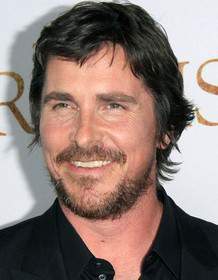
Michael Burry
Played by Christian Bale
Michael Burry is a brilliant but socially awkward hedge fund manager whose relentless pursuit of market truths leads him to predict the impending housing crisis. His personal struggles and unorthodox methods juxtapose the rigidity of traditional financial practices.
- 🧐 Visionary
- 📊 Analyst
-
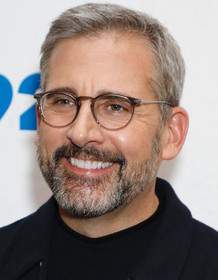
Mark Baum
Played by Steve Carell
Mark Baum is depicted as a morally driven figure disillusioned by the banking system's injustices. His character embodies the outrage felt by those who have witnessed the destructive power of greed, while his personal backstory adds depth to his motivations.
- 😡 Activist
- 💼 Trader
-
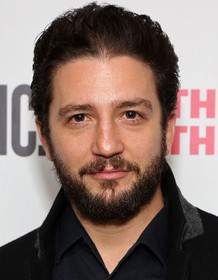
Charlie Geller
Played by John Magaro
Charlie Geller is a determined young investor who seeks to make a name for himself in the chaotic world of finance. His enthusiasm is tempered by his inexperience, but he ultimately rises to the occasion, showcasing resilience and a desire to challenge the status quo.
- 🌱 Young Investor
- 🔥 Ambitious
-
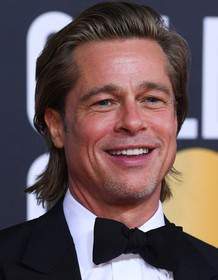
Ben Rickert
Played by Brad Pitt
Ben Rickert is a retired trader who serves as a mentor to the younger characters, providing insight into the mechanics of the market while reminding him of the human cost of financial maneuvers. His experience brings a grounded perspective to the whirlwind of speculation.
- 🧓 Mentor
- 📈 Expert
Where and When Is The Big Short Set?
The Big Short is set in United States and Las Vegas (2007-2008). Here is why the time and place matter to the story.
When
2007-2008
The story unfolds during the lead-up to the global financial crisis of 2008. This period is marked by rampant speculation in the housing market, the proliferation of subprime mortgages, and a general disregard for the looming economic disaster, which ultimately results in millions of foreclosures and widespread financial hardship.
Where
United States, Las Vegas
The movie predominantly takes place in various locations across the United States, including high-stakes financial environments and the glitzy backdrop of Las Vegas. Las Vegas represents an arena for the financial elite, where the stakes of the mortgage crisis are laid bare against the stark realities faced by ordinary people affected by foreclosures.
- 🌆 City
- 🏦 Finance
What Are the Themes of The Big Short?
3 ideas the story keeps returning to, among them Greed, Financial Collapse and Family Struggles.
-
01
Greed
Greed is a central theme, as it drives the behaviors of the characters within the banking system. The desire for profits clouds moral judgment, leading to catastrophic consequences for society. The film critically examines how corporate greed perpetuates cycles of pain for the working class.
-
02
Financial Collapse
The impending financial collapse is portrayed through the analysis and actions of the main characters, who are aware of the risks that are being ignored by much of the banking community. The disconnection between financial institutions and the real-world impacts of their decisions is starkly highlighted.
-
03
Family Struggles
Family and personal struggles are illustrated through characters like Mark Baum, who carries the weight of familial loss due to financial pressures. This theme depicts the real-life ramifications of the financial crisis on individuals and their loved ones, making the economic situation personal and relatable.
How Does The Big Short End?
The last act of The Big Short and what it means, in 311 words. The ending lands as bittersweet. Big spoilers: read the plot summary first if you have not seen it.
The final act, in full
The film’s ending reveals that, despite the successful bets made by the main characters, there is a sobering reality behind their profits. While characters like Michael Burry and Mark Baum profit from the collapse of the housing market through their short positions and credit default swaps, the movie underscores that this victory comes at a terrible cost to ordinary people. As the scenes shift to real images of those affected—losing their homes, jobs, and savings—the film reminds viewers that the financial crisis was not just a story of greed and fraud, but a human tragedy. The characters’ victories are tainted by the understanding that their success was built on the suffering of others.
In the epilogue, it is shown that many of the investors involved in predicting the crisis, such as Baum and Burry, go on to lead relatively quieter lives—Baum becoming more compassionate, Burry closing and later reopening his hedge fund amidst ongoing scrutiny. Meanwhile, a stark fact is presented: although many individuals and institutions were aware of the misconduct, only one person, Kareem Serageldin, faced jail time for his role. This highlights how systemic corruption allowed most offenders to escape punishment, often paying settlements rather than serving jail terms.
Ultimately, the movie leaves us with a warning—little has been done to prevent another economic collapse. By showing the continuation of high-risk practices, like the sale of “bespoke tranche opportunities”—similar to the CDOs of the past—it suggests that history is repeating itself, with the same reckless behaviors lurking just beneath the surface. The ending isn’t just a reflection on the past crisis; it’s a stark warning that the cycle of greed and negligence may well continue, risking future catastrophes while most of society bears the costs. The victory of a few individuals is bittersweet, serving as a reminder that profitability for some often comes at the expense of many others.
What Kind of Film Is The Big Short?
Tense in tone, with fast pacing and a complex story, going by the plot summary.
- Tone
- Tense
- Pacing
- Fast
- Story
- Complex
- Intensity
- High
- Ending
- Bittersweet
A fast-paced and tense financial thriller that generates anxiety and outrage as outsiders uncover the fraud behind the housing bubble, leaving them with a bitter victory and moral conflict.
- urgent
- anxious
- frustrated
- sarcastic
- cynical
- morally conflicted
- financial crisis
- greed and corruption
- outsiders vs the system
- market speculation
Content notes: suicide, financial ruin, mass foreclosure.
Quiz
How well do you remember The Big Short? Test yourself on the story.
Where to Watch The Big Short
Stream it on Hoopla and Kanopy, or rent or buy it from Amazon Video and Apple TV Store. US availability and prices from JustWatch.
Stream 3
 Hoopla
  Kanopy
  Pluto TV






Streaming availability in the US, powered by