The Big Short 2015

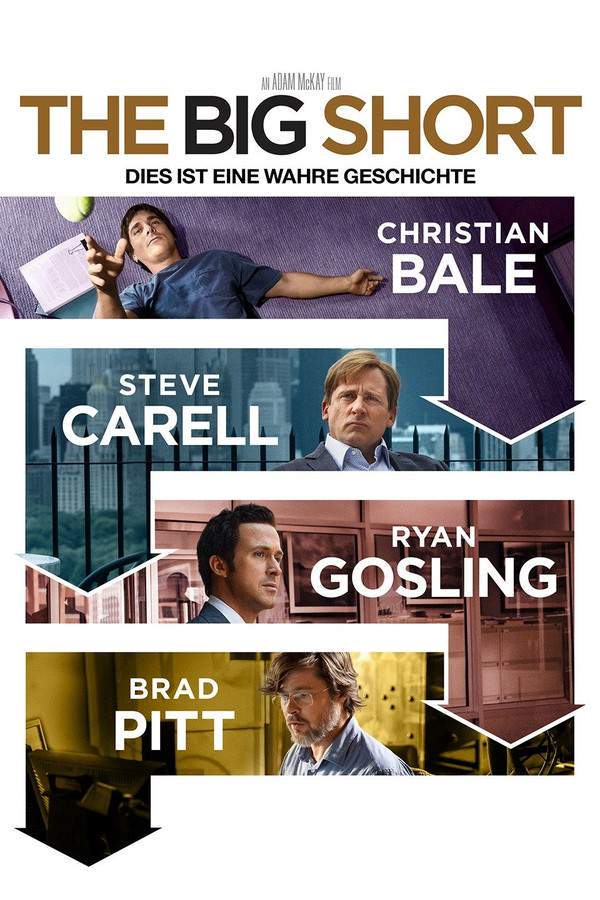
When the housing market shows signs of instability, eccentric investor Michael Burry recognizes the impending crisis and makes a risky bet against it. His unusual prediction draws the interest of a resourceful banker and a wary hedge-fund manager. Together, they team up to profit from the looming economic downfall, navigating the complexities of the financial world and ultimately capitalizing on the ensuing collapse.

Does The Big Short have end credit scenes?
Yes!
The Big Short does have end credit scenes. Stay until the very end!
Where to Watch The Big Short
See current US streaming, rental, and purchase options for The Big Short (2015) via JustWatch.

Hoopla
SD
Kanopy
HD
Pluto TV
SD
Amazon Video
HD
Apple TV Store
HD
Fandango At Home
4K
Google Play Movies
SD
JustWatch TV
HD
Plex
HD
YouTube
SD Streaming availability powered by 
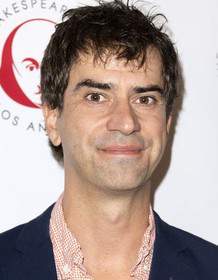
Meet the Full Cast and Actors of The Big Short
Explore the complete cast of The Big Short, including both lead and supporting actors. Learn who plays each character, discover their past roles and achievements, and find out what makes this ensemble cast stand out in the world of film and television.


External Links and Streaming Options
Discover where to watch The Big Short online, including streaming platforms, rental options, and official sources. Compare reviews, ratings, and in-depth movie information across sites like IMDb, TMDb, Wikipedia or Rotten Tomatoes.












Ratings and Reviews for The Big Short
See how The Big Short is rated across major platforms like IMDb, Metacritic, and TMDb. Compare audience scores and critic reviews to understand where The Big Short stands among top-rated movies in its genre.

81
Metascore
8.0
User Score


89%
TOMATOMETER

88%
User Score

7.8 /10
IMDb Rating
74
%
User Score

3.8
From 6.9K fan ratings
4.12/5
From 25 fan ratings
Take the Ultimate The Big Short Movie Quiz
Challenge your knowledge of The Big Short with this fun and interactive movie quiz. Test yourself on key plot points, iconic characters, hidden details, and memorable moments to see how well you really know the film.
The Big Short Quiz: Test your knowledge on the intricacies of the 2015 film 'The Big Short', which explores the causes of the financial crisis of 2007-2008.
Who is the hedge fund manager that discovers the impending housing market collapse?
Awards & Nominations for The Big Short
Discover all the awards and nominations received by The Big Short, from Oscars to film festival honors. Learn how The Big Short and its cast and crew have been recognized by critics and the industry alike.

Film Editing
Best Picture
Writing (Adapted Screenplay)
Best Film
Best Adapted Screenplay
Best Editing
Best Picture
Best Acting Ensemble
Best Adapted Screenplay
Best Comedy Movie

Best Editing
Outstanding Performance by a Cast in a Motion Picture
Best Motion Picture – Drama
Full Plot Summary and Ending Explained for The Big Short
Read the complete plot summary of The Big Short, including all major events, twists, and the full ending explained in detail. Explore key characters, themes, hidden meanings, and everything you need to understand the story from beginning to end.
Jared Vennett, played by Ryan Gosling, introduces us to the dull world of banking; however, it was turned upside down when Lewis Ranieri (Rudy Eisenzopf) devised a revolutionary strategy involving mortgage-backed securities that promised higher profits with lower risks, banking on everyone diligently paying their mortgages. This seemingly brilliant arrangement was a ticking time bomb, culminating in the devastating global financial crisis of 2008. Vennett notes that only a small group foresaw the impending disaster.
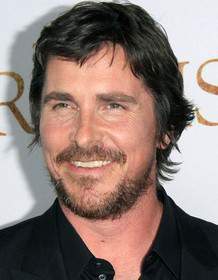
The narrative shifts to hedge fund manager Michael Burry, portrayed by Christian Bale, who is seen conducting an interview with a young analyst in his office. During the discussion, Burry shares his personal struggle, revealing that his wife instructed him to “share more.” He also candidly talks about how he lost an eye due to an illness during his childhood, recalling an embarrassing moment from a childhood football game. Persistent in analyzing market trends, Burry rants about how the tech bubble burst in 2001 while the housing market surged. Without hesitation, he hires the analyst on the spot, tasking him to compile a list of the top 20 selling mortgage bonds.
Next, we are taken to a group therapy session where Mark Baum, beautifully depicted by Steve Carell, interrupts to voice his grievances regarding an unfair retail banking encounter he just had, spotlighting the toxic policies that benefit the rich at the expense of working-class individuals. His outrage is rooted in tragic personal loss—his brother took his own life after failing to cope with the financial repercussions of the banking system. Following a heated call with his wife, Cynthia, who suggests he should consider quitting his job, Baum reluctantly takes a cab to meet with associates.
As Burry conducts his detailed market research, he discovers the unsettling reality that the housing market is propped up by subprime loans, which yield diminishing returns. He quickly formulates a plan to bet against the housing market, creating a credit default swap market to profit from its eventual collapse. Vennett, still guiding the audience through the intricacies of financial jargon, directs us to a lady, played by Margot Robbie, who while indulging in a bubble bath, casually explains that “subprime” is just a euphemism for “shit.” This tidbit reinforces the unscrupulous methods banks utilized to inflate the mortgage market. Despite the concerns of his boss, Lawrence Fields, played by Tracy Letts, who fears the repercussions for their business, Burry remains steadfast in his plan.
Vennett discovers Burry’s strategies and arranges a meeting with Baum and his investor team—Danny Moses (Rafe Spall), Porter Collins (Hamish Linklater), and Vinnie Daniel (Jeremy Strong). He pitches the idea of the credit default swap, expounding on the concept of CDOs (Collateralized Debt Obligations), using an amusing analogy with chef Anthony Bourdain, likening it to concocting a seafood stew from unsold fish. Intrigued by Vennett’s sales pitch, Baum’s group starts weighing the gravity of his words.
Emerging young investors Charlie Geller, portrayed by John Magaro, and Jamie Shipley (Finn Wittrock) find themselves unable to gain traction with JP Morgan Chase due to a missing ISDA agreement. Disheartened yet still determined, they stumble across Vennett’s presentation detailing the housing market’s evident bubble. Realizing the gravity of the situation, they enlist the help of retired trader Ben Rickert, played by Brad Pitt, recognizing their inexperience in executing such complex trades.
Moses and Collins venture into neighborhoods struck by foreclosures and witness the heartbreak of renters apprehensive about eviction. They explore a vacant house adorned with overdue notices and even encounter an alligator in a pool, highlighting the absurd fallout from the financial debacle. Meanwhile, Fields, confronting Burry, expresses skepticism about the success of his unorthodox bets, uncertain of their fate amidst increasing investor pressure.
As Baum and his team continue to probe deeper into the housing crisis, they meet with various real estate professionals, including agents, brokers, and even a stripper, piecing together the murky world of subprime loans. By early 2007, mortgage delinquencies reach alarming levels, escalating Baum’s conviction. Even as risk assessors pressure his team to abandon their swaps, Baum tells them off with a bold refusal.
Backed into a corner, Vennett urges Baum’s team to withdraw from their schemes, coinciding with Geller’s advice to Shipley. Their distress echoes throughout both groups as they descend upon Las Vegas for the American Securitization Forum. There, Baum confronts industry leaders about their deceptive practices, while Shipley pursues a connection with Evie (Karen Gillan), an SEC employee, to probe the agency’s oversight on mortgage bonds, to no avail.
Burry grows increasingly despondent, realizing that the bonds remain stable despite the impending turmoil. Geller, Shipley, and Rickert decide to short AA tranches, making risky deals with bankers. As they celebrate their victories, Rickert serves a painful reminder of the consequences looming over the economy. In a chance encounter, Baum learns about the creation of synthetic CDOs—a perplexing series of escalating bets on failing loans, prompting further introspection about the impending collapse.
By April 2007, foreboding shadows loom as all parties brace for the inevitable fallout. While Geller and Shipley attempt to alert the media about the crisis, their warnings go unheard. Baum’s determination is tested as external forces thwart their investment endeavors.
As predicted, the financial system crashes by the end of 2008, leaving those who bet against it unexpectedly profitable, yet morally conflicted. Banks buckle under the pressure, leading Burry to take a step back, witnessing career shifts among his analysts, while a previous visitor to a foreclosed property now finds himself living in a van. Baum’s revelation about a bailout affirms Vennett’s insights about corporate greed scapegoating various groups.
Concluding with poignant statistics, we learn that the collapse wiped out five trillion dollars of wealth, yielded 8 million job losses, and 6 million foreclosures in the U.S. Reflecting on the aftermath, Mark Baum refrains from uttering the phrase “I told you so,” while Geller and Shipley face disdain during attempts to confront ratings agencies. Meanwhile, Rickert finds solace on his orchard, and Burry, now focused on less conventional investments—water—remains unnoticed as he reaches out to the government for recognition of his foresight. Fast forward to 2015, and we see banks repeating their mistakes, selling billions in CDOs once more, embodying a cycle of misplaced corporate greed.

Coming soon on iOS and Android
The Plot Explained Mobile App
From blockbusters to hidden gems — dive into movie stories anytime, anywhere. Save your favorites, discover plots faster, and never miss a twist again.
Sign up to be the first to know when we launch. Your email stays private — always.
Explore the mobile appWatch Trailers, Clips & Behind-the-Scenes for The Big Short
Watch official trailers, exclusive clips, cast interviews, and behind-the-scenes footage from The Big Short. Dive deeper into the making of the film, its standout moments, and key production insights.
Cars Featured in The Big Short
Explore all cars featured in The Big Short, including their makes, models, scenes they appear in, and their significance to the plot. A must-read for car enthusiasts and movie buffs alike.
The Big Short Themes and Keywords
Discover the central themes, ideas, and keywords that define the movie’s story, tone, and message. Analyze the film’s deeper meanings, genre influences, and recurring concepts.
The Big Short Other Names and Titles
Explore the various alternative titles, translations, and other names used for The Big Short across different regions and languages. Understand how the film is marketed and recognized worldwide.
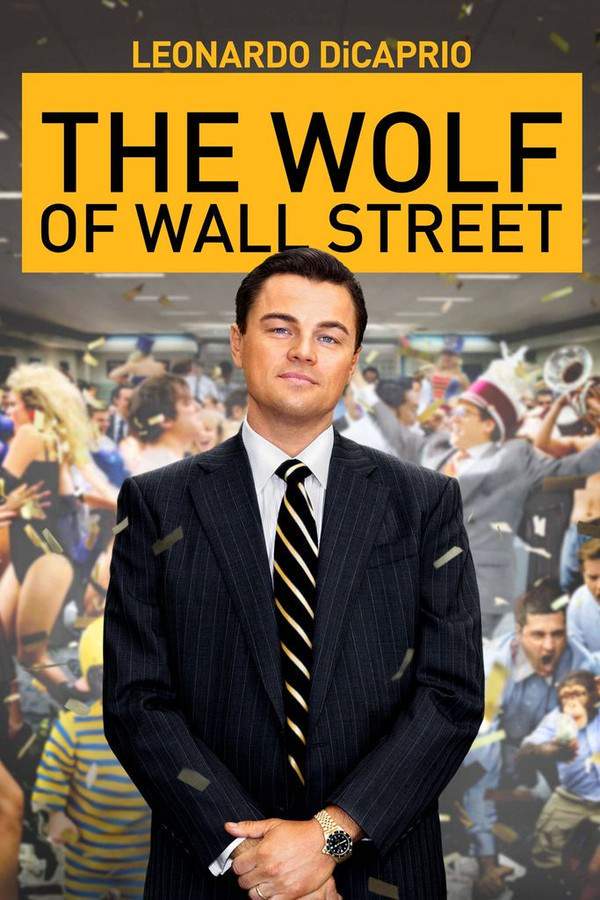
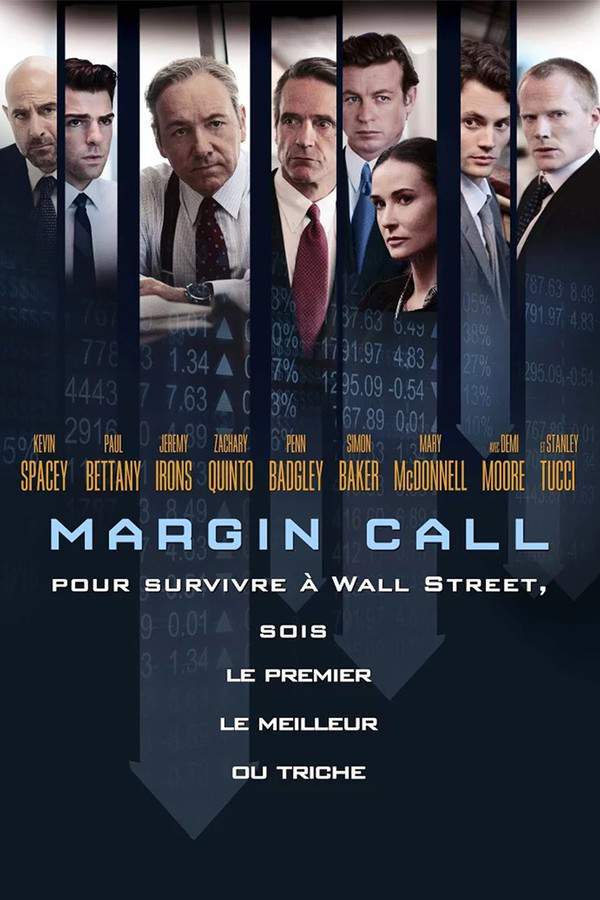
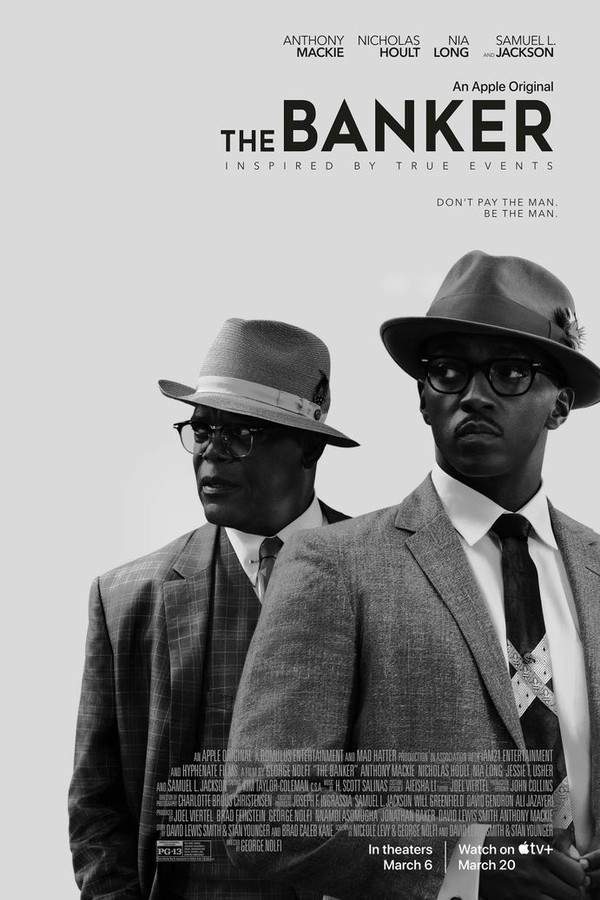
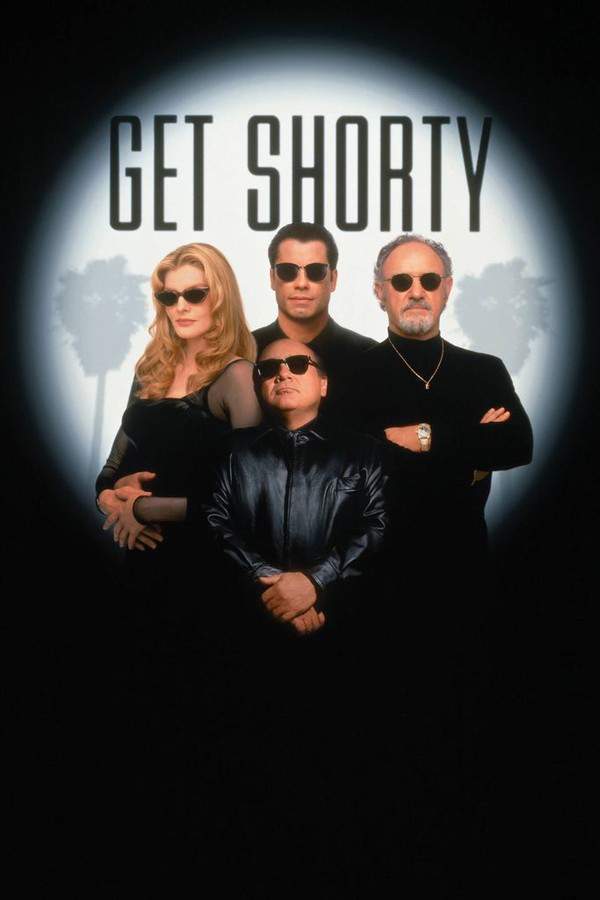
Similar Movies To The Big Short You Should Know About
Browse a curated list of movies similar in genre, tone, characters, or story structure. Discover new titles like the one you're watching, perfect for fans of related plots, vibes, or cinematic styles.


Quick Links: Summary, Cast, Ratings, More

What's After the Movie?
Not sure whether to stay after the credits? Find out!
Check out our other apps:

SAT Sphere
Build confidence for the Digital SAT.

Mori Atlas
Discover wild places worth protecting.

Luntero
Search smarter for a home in Amsterdam.

Plot Explained
Unravel movie endings and hidden clues.

Pokechamp
Dive into Pokémon data and battle logic.

Driving Theory
Get ready for your European theory test.

Movie Dust
Plan your next cinema trip with ease.

Musemap
Find art and culture as you travel.

Selkobase
Compare credentials before committing.

Local Manual
Turn an unfamiliar country into practical next steps.

Lernavi
Compare school systems before your next move.

GymRoam
Find a workout stop wherever your plans take you.
Explore Our Movie Platform
New Movie Releases (2026)
Famous Movie Actors
Top Film Production Studios
Movie Plot Summaries & Endings
Major Movie Awards & Winners
Best Concert Films & Music Documentaries
Movie Collections and Curated Lists
© 2026 What's After the Movie. All rights reserved.
Privacy Policy