What Is Tennessee Johnson About?
The premise of Tennessee Johnson in 349 words, with nothing given away. The full story follows below.
In a restless America still scarred by civil war, the film opens on a landscape of smoky towns and rattling railways where the promise of reconstruction hangs in the air like a fragile banner. The visual palette blends the grit of frontier life with the solemn grandeur of a nation trying to stitch together broken bonds, creating a tone that is both intimate and sweeping. Political salons, modest schools, and bustling streets form a world where every conversation feels weighted with the future of a reunited country.
Andrew Johnson arrives on the scene as a runaway tailor’s apprentice, drifting into the quiet Tennessee town of Greeneville. With little more than a battered suitcase and a fierce will to survive, he is drawn into the town’s modest rhythm, where he encounters a resolute librarian who offers him the chance to read and write. This early bond sets the stage for a personal journey that moves from humble survival to an earnest yearning for purpose, all underscored by the quiet determination of a man shaped by poverty and perseverance.
Eliza McCardle Johnson soon becomes more than a teacher; she is a steadfast partner whose intellect and compassion illuminate a path forward for the fledgling couple. Together they navigate the town’s uneasy balance of tradition and change, cultivating a shared vision of justice that begins to echo beyond Greeneville’s borders. Their partnership, rooted in mutual respect and a love for learning, fuels Andrew’s growing awareness that personal advancement can intersect with public duty.
Against the backdrop of a nation’s fragile healing, Andrew finds himself drawn into the turbulent world of politics, where his Unionist convictions and plain‑spoken resolve catch the attention of leaders seeking a bridge between North and South. The film hints at his rapid rise—first to local office, then to the Senate, and ultimately to a place beside the president—while foreshadowing the fierce debates that will test the limits of executive power. In this richly textured portrait, the story invites viewers to contemplate how one man’s modest beginnings might intersect with the grand, contested narrative of a country in transition.
What Happens in Tennessee Johnson?
The complete story of Tennessee Johnson, from the first scene to the last, in 711 words (about 3 minutes). Spoilers throughout. Names in the text link to 12 cast member pages.
Spoilers ahead
Runaway tailor’s apprentice Andrew Johnson Van Heflin wanders into the Tennessee town of Greeneville and is persuaded to settle there. He strikes a deal with the town librarian, Eliza McCardle Johnson Ruth Hussey, to teach him to read and write, and their bond grows into a lifelong partnership as they marry and build a shared life.
Inspired by a deep sense of justice and stung by the longstanding monopoly of power held by landowners, Johnson begins to organize political meetings. One of these gatherings is violently interrupted by the entrenched authorities, and in the aftermath a friend is killed. Instead of fueling revenge, he counsels restraint and diplomacy, choosing to channel his energy into public service. With growing support from townspeople who crave representation and fairness, he shifts his path from activist to official, and is persuaded to run for sheriff, a gamble that pays off when he is elected. By 1860, his political star has risen to the United States Senate, a trajectory that places him at the center of a nation on the brink of civil war.
When war erupts, Johnson aligns with the Union, casting aside regional loyalties and earning admiration for his leadership during hard times. He becomes a celebrated figure in Nashville, where his presence helps fend off a siege and bolster morale amid crisis. His stance on reconciliation with the South after the war earns him the trust of President Abraham Lincoln, a choice shaped in part by his pragmatic approach to rebuilding the Union. Lincoln selects him as vice president, drawn to a shared belief in healing rather than punitive punishment. This partnership, grounded in a hope for national unity, stands in contrast to the hardline posture of Thaddeus Stevens Lionel Barrymore, a powerful figure who pushes for harsher measures against the defeated South.
The assassination of Lincoln then thrusts Johnson into the presidency. His ascent is met with fierce political opposition, and Thaddeus Stevens wastes no time in pursuing impeachment, positioning himself as chief prosecutor. Johnson, warned to steer clear of in-fighting, keeps a wary distance from the legal proceedings. The trial unfolds in a way that dramatizes the clash between executive power and congressional will, a confrontation that the film heightens for dramatic effect. In a climactic moment, Johnson finally appears to defend his record and argue for his vision of the presidency, a scene the film emphasizes as pivotal, even though it is presented as a moment that never actually occurred in history.
The impeachment process grows more contentious as the vote approaches. The tallies are tight, with a large faction ready to impeach and a smaller group prepared to acquit. The suspense is heightened by a key vote that cannot be cast until Senator Huyler is awakened and can weigh in, a sequence the film presents with particular drama. When Huyler ultimately votes not guilty, the impeachment effort falters, and Johnson remains in office long enough to oversee the final days of his term. As the presidency concludes, Johnson returns to the Senate, his career ending on a note of quiet triumph that underscores the complexities of reconstruction and national healing.
Alongside Johnson’s journey, the film also introduces a constellation of historical and political figures who populate the era’s corridors of power. Lansbury Charles Trowbridge looms as a calculating authority figure, while Martha Lincoln Lynne Carver provides a personal counterpoint through the Lincoln era’s domestic sphere. Other notable figures include Jefferson Davis Morris Ankrum and Chief Justice Chase Montagu Love, whose presence underscores the era’s legal and constitutional stakes. The political theater is further populated by Coke J. Edward Bromberg, Blackstone McDaniel Regis Toomey, Major Crooks Robert Warwick, Mordecai Milligan Grant Withers, and Senator Jim Waters Charles Dingle, each contributing their own force to the evolving drama.
Ultimately, the film traces a complex portrait of a nation trying to mend itself after a brutal conflict. It foregrounds the tensions between reform and reconciliation, the fraught lines between executive power and legislative oversight, and the enduring question of how a country should move forward after war. Through Johnson’s ascent, presidency, and the impeachment saga, the narrative invites viewers to reflect on leadership, compromise, and the fragile arc of history as it plays out on the grand stage of the American Republic.
Tennessee Johnson Timeline: Every Key Event in Order
12 key events in the order they happen, from “Arrives in Greeneville and learns to read” to “Legacy: reconciliation and unity”. 11 events name a place, across 4 locations.
- 1
Arrives in Greeneville and learns to read
A runaway tailor's apprentice named Andrew Johnson wanders into Greeneville, Tennessee. He is persuaded to stay, begins trading his tailoring for an education from the town librarian Eliza McCardle, and the two eventually marry.
Where:Greeneville, Tennessee
- 2
Organizes political meetings against landowners' monopoly
Spurred by injustice and his wife's support, Johnson begins organizing political meetings to challenge entrenched powers. One meeting is broken up by authorities and a friend is killed in the clashes that follow. He resolves not to let violence define the movement.
Where:Greeneville, Tennessee
- 3
Runs for sheriff and is elected
Encouraged to pursue public office, he runs for sheriff and wins the election. The role gives him a platform to push reforms and undermine the local power structure. His early success foreshadows a broader national career.
Where:Greeneville, Tennessee
- 4
Rises to the United States Senate by 1860
By 1860, on the eve of the Civil War, Johnson has climbed from local politics to the United States Senate. He becomes a central figure in the era's political realignments. His rise marks a dramatic transition from tailor's apprentice to national leader.
When:1860 Where:Washington, D.C.
- 5
Civil War loyalty and Nashville defense
When war erupts, Johnson breaks with Tennessee's state leadership and remains loyal to the Union. He serves as a general and earns renown for defending Nashville during a siege. His actions help stabilize the Union's position in the Western Theater.
When:1862-1865 Where:Nashville, Tennessee
- 6
Chosen as Lincoln's Vice President
Abraham Lincoln selects Johnson as his vice president, in part because they share a philosophy of reconciliation with the South after the war. Thaddeus Stevens, a powerful opponent within the Republican ranks, argues for harsher terms for the Confederacy.
When:1864-1865 Where:Washington, D.C.
- 7
Lincoln assassinated; Johnson becomes President
Following Lincoln's assassination, Johnson ascends to the presidency. He faces the monumental task of guiding Reconstruction while attempting to keep the Union intact and navigate competing political pressures.
When:1865 Where:Washington, D.C.
- 8
Impeachment proceedings begin
Johnson refuses to accept a deal offered by Stevens, triggering impeachment proceedings. He largely avoids the trial for a time, following the advice of advisers who fear he might lose his temper if confronted on the stand.
When:1867-1868 Where:Washington, D.C.
- 9
Cabinet testimony ban and closing appearance
With cabinet members denied the right to testify, Johnson is forced to confront the charges. The film stages a closing appearance in which he delivers a stirring speech, a moment presented as decisive though historically contested.
When:1868 Where:Washington, D.C.
- 10
Tense vote and Huyler's eventual not-guilty vote
The impeachment vote is razor-thin, with 35 judged him guilty and 18 not guilty. Senator Huyler is unconscious and unable to vote at first, forcing Stevens to delay the verdict until he can be roused. Huyler ultimately votes not guilty, clearing Johnson of impeachment.
When:1868 Where:Washington, D.C.
- 11
End of presidency and return to the Senate
With his term as president over, Johnson returns to the Senate. The film closes on him triumphantly resuming his place among lawmakers, signaling a reconciliation between the executive and legislative branches.
When:1868-1869 Where:United States Senate
- 12
Legacy: reconciliation and unity
Across his career, Johnson embodies a message of reconciliation with the South and tempered Reconstruction policy. The storyline emphasizes unity over vengeance and portrays his path from apprentice to president as a testament to compromise.
Who Are the Main Characters in Tennessee Johnson?
9 characters, among them Andrew Johnson (Van Heflin), Eliza McCardle Johnson (Ruth Hussey) and Thaddeus Stevens (Lionel Barrymore): who each one is and the part they play in the story. 8 of them link to the actor’s page.
-
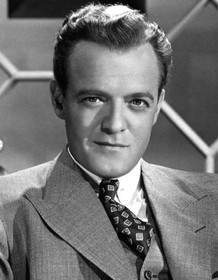
Andrew Johnson (Van Heflin)
Played by Van Heflin
A runaway tailor’s apprentice who becomes a self-taught, pragmatic politician. He builds a public profile by organizing local reform against landowner monopolies, then transitions from sheriff to senator. His loyalty to the Union and willingness to compromise under pressure shape his controversial ascent to the presidency.
- 🎭 Self-made
- 🧭 Pragmatic
- 🗳️ Politician
- EM
Eliza McCardle Johnson (Ruth Hussey)
Played by Ruth Hussey
Johnson’s wife and intellectual partner, who teaches him to read and write and supports his political ambitions. Her influence anchors his early reform efforts and provides a steady, moral center through the era’s upheavals. Her encouragement helps shape his pragmatic approach to leadership.
- ❤️ Supportive
- 💡 Educator
- 🕊️ Loyal
- TS
Thaddeus Stevens (Lionel Barrymore)
Played by Lionel Barrymore
A powerful, uncompromising opponent in Congress who advocates harsh Reconstruction and impeachment strategies. He embodies radical political calculation and moral conviction, driving much of the film’s conflict with Johnson. His push for aggressive policy highlights the era’s deep ideological split.
- ⚖️ Law
- 🧪 Radical
- AL
Abraham Lincoln
The wartime president who selects Johnson as his vice president to pursue reconciliation with the South. Lincoln’s assassination catalyzes Johnson’s rise to the presidency and intensifies the ensuing political drama. His legacy casts a long shadow over the film’s exploration of unity and punishment.
- 🕊️ Leadership
- 🎖️ Legacy
- LE
Lincoln's Emissary (Russell Hicks)
Played by Russell Hicks
A representative tied to Lincoln’s circle, whose presence underscores the national stakes surrounding Johnson’s fate. The emissary’s role signals the broader reach of presidential influence beyond the immediate cast.
- 🗨️ Messenger
- 🕊️ Diplomacy
- JD
Jefferson Davis (Morris Ankrum)
Played by Morris Ankrum
Leader of the Confederacy whose counterpart to Johnson’s Union loyalties frames the era’s stark divide. Davis’s presence highlights the central conflict between reconciliation and severance. The character provides context for the Civil War’s political landscape.
- 🏛️ Confederacy
- 🗡️ Opposition
- CJ
Chief Justice Chase (Montagu Love)
Played by Montagu Love
A central legal figure in the impeachment proceedings, representing the constitutional framework and the procedural aspects of the era. His role intensifies the clash between executive power and legislative oversight. The character underscores the film’s focus on law and order during crisis.
- ⚖️ Law
- 🧭 Authority
- SH
Senator Huyler (William Farnum)
Played by William Farnum
A pivotal vote in the impeachment trial, whose unconscious state adds dramatic tension to the final decision. The sequence emphasizes the fragility of democracy under pressure and the weight of pivotal moments in history.
- 🗳️ Vote
- ⚖️ Decision
- SJ
Senator Jim Waters (Charles Dingle)
Played by Charles Dingle
A legislator whose stance reflects the Senate’s internal divisions during Johnson’s era. His position helps to shape the impeachment narrative and illustrates the complexity of coalition-building in Congress.
- 🏛️ Senate
- 🧭 Diplomacy
Where and When Is Tennessee Johnson Set?
Tennessee Johnson is set in Greeneville, Tennessee, Nashville and Tennessee (Mid-19th century (1860s)). Here is why the time and place matter to the story.
When
Mid-19th century (1860s)
Set against the eve of the Civil War through Reconstruction, the era is defined by national turmoil and reform. Johnson’s trajectory from local sheriff to U.S. senator unfolds amid a nation divided by slavery and rebellion. The period’s political upheaval provides the backdrop for impeachment, leadership challenges, and reconciliation efforts.
Where
Greeneville, Tennessee, Nashville, Tennessee
The film centers on Greeneville, a small Tennessee town where Andrew Johnson begins his unlikely ascent. This frontier setting grounds Johnson’s self-made rise and local political organizing. As tensions mount toward the Civil War, the story expands from local streets to national corridors, including Nashville and beyond.
- 🌆 Small-town politics
- 🏛️ American South
- 🗺️ 19th Century
What Are the Themes of Tennessee Johnson?
3 ideas the story keeps returning to, among them Ambition, Impeachment and Reconciliation.
-
01
Ambition
Johnson’s ascent from a runaway apprentice to a national leader is driven by practicality and resolve. The film traces how ambition channels populist energy into political power, often clashing with entrenched landowners. His willingness to adapt and endure scrutiny highlights the complicated path to national influence.
-
02
Impeachment
The central conflict revolves around a fraught impeachment drama, pitting congressional maneuvering against executive authority. The narrative emphasizes legal principles, political theater, and the personal costs of victory or defeat. It questions where loyalty to the nation ends and personal power begins.
-
03
Reconciliation
A key thread is Johnson’s belief in reconciling the South with the Union, contrasting with harsher punitive approaches. The film explores the tension between punishment and healing after a brutal conflict. Lincoln’s choices and the ensuing fallout sharpen the debate on how to rebuild a fractured country.
What Kind of Film Is Tennessee Johnson?
Tense in tone, with steady pacing and a moderate story, going by the plot summary.
- Tone
- Tense
- Pacing
- Steady
- Story
- Moderate
- Intensity
- Medium
- Ending
- Bittersweet
A serious and steady-paced historical drama that builds significant political tension as it chronicles a president's tumultuous journey through national crisis, impeachment, and the fragile process of reconciliation.
- tense
- somber
- historical
- serious
- reflective
- dramatic
- political rise
- impeachment
- american civil war
- reconstruction
Content notes: war violence, political assassination, slavery.
Quiz
How well do you remember Tennessee Johnson? Test yourself on the story.