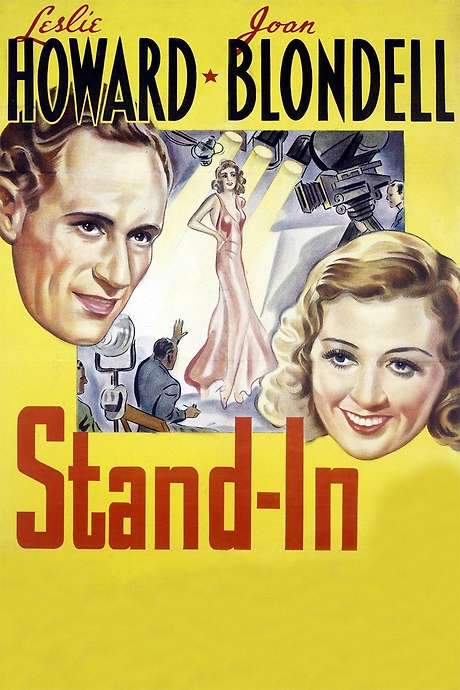
What Is Stand-In About?
The premise of Stand-In in 269 words, with nothing given away. The full story follows below.
In the shadow of the Great Depression, Hollywood’s glittering façades sit atop studios struggling to stay afloat. One such outfit, a modest company perched on Poverty Row, carries the weight of dreams that outsize its budget, and the very air feels charged with a mix of desperation and restless optimism. The era’s relentless economic pressure forms a backdrop where every decision can mean the difference between a flicker of fame and a permanent blackout.
Enter Atterbury Dodd, an East‑Coast efficiency expert whose sharp reputation has taken a hit. Sent west with a ledger and a conviction that numbers can rescue a failing picture house, he finds himself navigating a world where art, ego, and survival collide. His methodical mindset clashes—and eventually harmonizes—with the unpredictable rhythm of set lights, marquee promises, and the restless buzz of studio corridors.
Against him stands Lester Plum, a former child star now working as a stand‑in for the studio’s leading lady. Bright‑eyed and seasoned by years of watching the camera’s dance from the shadows, she offers an insider’s view of the craft that Dodd’s spreadsheets can’t capture. Around them swirl a colorful cast—a charismatic star actress, an eccentric foreign director, and a zealous press agent—each adding their own flavor to the bustling, cut‑throat atmosphere of the lot.
Together, the pragmatic newcomer and the seasoned dream‑chaser form an unlikely partnership that hints at something larger than any single film. Their collaboration suggests a delicate balance between cold calculation and the warm, messy reality of storytelling, setting the stage for a tale where loyalty, ambition, and the promise of redemption hover just beyond the next take.
What Happens in Stand-In?
The complete story of Stand-In, from the first scene to the last, in 380 words (about 2 minutes). Spoilers throughout. Names in the text link to 8 cast member pages.
Spoilers ahead
During the Great Depression, Fowler Pettypacker, a Wall Street banker, faces a pivotal choice: accept an offer from Ivor Nassau to buy Colossal Pictures, a struggling studio on Poverty Row, or hold out in hopes of turning a profit. The bank sends Atterbury Dodd to Hollywood as the new head of the studio, betting on his mathematical calculations to prove that Colossal can still thrive.
Colossal’s fate hinges on a trio of ambitious players: the studio’s star actress Thelma Cheri, the eccentric foreign director Koslofski, and the enthusiastic press agent Tom Potts. They are secretly aligned with Nassau to sabotage the studio, driving up costs on producer Douglas Quintain’s jungle feature, Sex and Satan, so that the film flops and Colossal goes bankrupt.
In Hollywood, Dodd becomes acquainted with Lester Plum, a bright-eyed former child star who now works as a stand-in for Cheri. Lester opens Dodd’s eyes to the realities of filmmaking, and she eventually becomes his secretary. As Dodd grows into the job, Lester’s warmth deepens into affection, though he initially remains unaware of her feelings.
Dodd’s arrival coincides with his first viewing of Sex and Satan, which leaves him unimpressed. Koslofski places the blame on Quintain, a man who once discovered Cheri and helped shape her rise, even as she sides with Koslofski. The friction leads Dodd to fire Quintain. A preview further reveals the film’s flaws: audiences apparently care more about the ape than Cheri’s performance, underscoring the studio’s precarious position.
Seeking a way out, Quintain suggests salvaging the project by trimming Cheri’s role and expanding the ape’s presence. Yet before any changes can take place, a phone call from Fowler Pettypacker shocks Dodd: Nassau has purchased the studio, and Dodd is fired. Undaunted, Dodd rallies the workers who had seemed hostile toward him, uniting them to complete the film in defiance of the new ownership.
In a touching personal turn, the momentum of solidarity gives way to a developing wish for a brighter future: Dodd asks Lester Plum to marry him, signaling that the human stories behind the numbers may outshine even the most calculated plans. The tale threads together ambition, betrayal, and reconciliation, painting a portrait of a Hollywood that is as much about people and loyalties as it is about profits and prestige.
Stand-In Timeline: Every Key Event in Order
12 key events in the order they happen, from “Dodd heads to Hollywood to lead Colossal” to “Proposal to marry Plum”. 12 events name a place, across 9 locations.
- 1
Dodd heads to Hollywood to lead Colossal
Amid the Great Depression, Fowler Pettypacker debates whether to sell Colossal Pictures to Ivor Nassau. Financial analyst Atterbury Dodd stakes his reputation on a mathematical forecast that the studio can be profitable if kept independent. The bank ultimately sends Dodd to Hollywood to take over as the studio's new head.
When:Early 1930s Where:Hollywood
- 2
Conspiracy to sabotage Sex and Satan
Thelma Cheri, eccentric director Koslofski, and press agent Tom Potts join Nassau in a plot to bankrupt Colossal by inflating production costs on the jungle feature Sex and Satan. They hope the losses will ruin the studio and stack the odds in Nassau's favor.
When:Early 1930s Where:Studio lot
- 3
Dodd meets Lester Plum and begins mentorship
In Hollywood, Dodd meets Lester Plum, a cheerful former child star now working as a stand-in for Cheri. Plum becomes Dodd's secretary and a patient teacher about the realities of filmmaking. Dodd begins to see workers as people rather than numbers.
When:Early 1930s Where:Hollywood studio
- 4
Lester's affection for Dodd grows
Under Plum's tutelage, Dodd's worldview shifts toward valuing the studio's people. Plum falls in love with Dodd, though Dodd remains unaware of her feelings.
When:Early 1930s Where:Hollywood
- 5
Screening reveals Sex and Satan's trouble
Dodd views a screening of Sex and Satan and is unimpressed by the film's quality. Koslofski immediately blames Quintain for the disappointing result.
When:Early 1930s Where:Screening room
- 6
Quintain's past with Cheri exposed
Quintain had discovered Cheri and fallen for her, creating a complicated dynamic. Cheri sides with Koslofski in the blame game, deepening tensions.
When:Early 1930s Where:Studio / set
- 7
Dodd fires Quintain
Following the conflicts, Dodd fires Quintain to placate the conspirators and take control of the project. The firing signals a shift in leadership and intensifies the studio's power struggle.
When:After the viewing Where:Studio office
- 8
Audience preview confirms a disaster
An audience preview confirms the film is terrible, with viewers preferring the ape over Cheri's performance. The feedback underscores the need for drastic changes.
When:Post-preview Where:Screening room
- 9
Quintain proposes salvage plan
Quintain, sober after a drunken binge, proposes salvaging Sex and Satan by trimming Cheri's part and expanding the ape. The idea promises a marketable pivot to save the project.
When:After the preview Where:Studio
- 10
Studio sale announced; Dodd fired
Pettypacker phones Dodd to say he has sold the studio to Nassau and that Dodd is fired. This betrayal triggers Dodd's resolve to resist and fight for the workers.
When:Immediately after the call Where:Dodd's office
- 11
Workers rally to finish the film
Dodd convinces the initially hostile workers to rally behind him to finish the film. Their collective effort turns a crisis into a chance to salvage the studio.
When:After firing Where:Studio floor
- 12
Proposal to marry Plum
With the crew united and the project back on track, Dodd asks Plum to marry him. The personal and professional turnaround marks the film's hopeful turn.
When:Finale Where:Hollywood studio
Who Are the Main Characters in Stand-In?
8 characters, among them Douglas Quintain, Atterbury Dodd and Lester Plum: who each one is and the part they play in the story. Every profile links to the actor’s page.
-
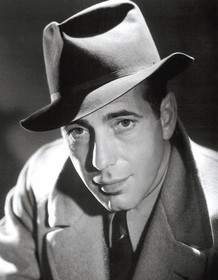
Douglas Quintain
Played by Humphrey Bogart
A driven film producer who discovers Thelma Cheri and leads the jungle feature Sex and Satan. He is passionate and willing to take risks, yet his loyalties are tested as studio finances threaten collapse. His pursuit of Cheri creates tension, but he remains focused on steering the project toward salvage.
- 🎭 Charisma
- 💼 Ambition
-
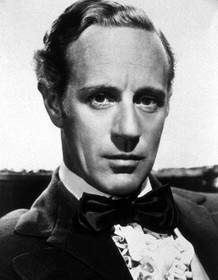
Atterbury Dodd
Played by Leslie Howard
A skilled financial analyst sent to Hollywood to run Colossal Pictures. He stakes his reputation on precise calculations, but learns that workers and hearts matter as much as numbers. His empathy grows as he navigates studio politics, and he eventually pursues a personal connection with Lester Plum.
- 💼 Finance
- 🧭 Integrity
-

Lester Plum
Played by Joan Blondell
A cheerful former child star now serving as a stand-in and secretary. She teaches Dodd about the realities of filmmaking, brings warmth to the crew, and harbors a quiet love for Dodd that develops as the story progresses.
- 🎭 Heartfelt
- 🤝 Loyalty
- TC
Thelma Cheri
Played by Marla Shelton
Standout star actress whose alliance with patrons in Hollywood sets the stage for sabotage. Eccentric and alluring, she sides with Koslofski in the plan to sabotage Sex and Satan, complicating the studio's recovery.
- 🌟 Stardom
- 💔 Manipulation
-
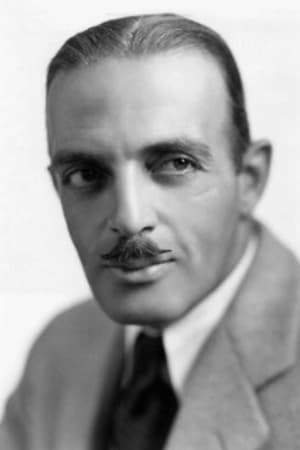
Ivor Nassau
Played by C. Henry Gordon
A sharp-eyed buyer who plots to take over Colossal Pictures. His influence fuels the scheme to run up costs and force bankruptcy, testing the studio's resolve and its leadership.
- 💼 Ambition
- 🧭 Cunning
- K
Koslofski
Played by Alan Mowbray
An eccentric foreign director who collaborates with Thelma and Potts to sabotage the film, helping drive the company toward ruin before the workers rally to resist.
- 🎬 Vision
- 🧩 Mischief
-
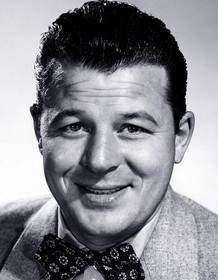
Tom Potts
Played by Jack Carson
A savvy press agent who participates in the sabotage plot, amplifying the scheme to undermine the studio's success and control the narrative around Sex and Satan.
- 🗞️ Media
- 🧭 Influence
- CP
Cyrus Pettypacker
Played by William V. Mong
The studio financier who sells Colossal Pictures to Nassau, triggering the final round of conflict and the workers' rally to finish the film.
- 💼 Finance
- 🕯️ Risk
Where and When Is Stand-In Set?
Stand-In is set in Hollywood and Poverty Row (1930s). Here is why the time and place matter to the story.
When
1930s
Set during the Great Depression, the era forces studios to tighten budgets and chase profits while balancing entertainment value. The story follows a banker's move into Hollywood as a studio head, highlighting the economic constraints that shaped film production. Studio politics, relentless cost-cutting, and the pressure of audience expectations define the period.
Where
Hollywood, Poverty Row
Stand-In unfolds in 1930s Hollywood on Poverty Row, centered on Colossal Pictures, a fictional studio struggling to turn a profit. Much of the action takes place on shabby backlots and sound stages where budgets and schedules dominate every decision. Poverty Row studios are known for low-budget productions that must hustle to survive the Great Depression. The Hollywood dream factory is depicted as a place of ambition and risk, where workers' lives hinge on a single flop or breakthrough.
- 🎬 Hollywood
- 🏚️ Poverty Row
What Are the Themes of Stand-In?
3 ideas the story keeps returning to, among them Show Business, Money & Power and Hope & Community.
-
01
Show Business
Stand-In reveals how film production navigates budget constraints, star power, and creative vision. It shows how ego, money, and politics collide on a studio lot. The sabotage plot and salvage attempt illustrate cinema as a collective enterprise rather than a solitary pursuit.
-
02
Money & Power
Investors, buyers, and studio heads wield financial leverage that makes or breaks projects. The sale of Colossal Pictures to Nassau triggers cost-cutting sabotage and high-stakes maneuvering. The film critiques art being treated as commodity and the fragility of creative endeavors under economic pressure.
-
03
Hope & Community
Characters learn to see workers as more than numbers and to value collaboration over cold calculation. Lester Plum's warmth teaches Dodd to balance finance with human impact. The attempted salvage of Sex and Satan and the workers' rally symbolize solidarity, ending with a personal promise as Dodd asks Plum to marry him.
What Kind of Film Is Stand-In?
Light in tone, with steady pacing and a moderate story, going by the plot summary.
- Tone
- Light
- Pacing
- Steady
- Story
- Moderate
- Intensity
- Medium
- Ending
- Happy
A charming and witty romantic comedy set in the Golden Age of Hollywood, offering an upbeat underdog story of studio redemption and a blossoming partnership.
- witty
- charming
- romantic
- upbeat
- optimistic
- breezy
- hollywood satire
- business rivalry
- underdog story
- romantic partnership
Quiz
How well do you remember Stand-In? Test yourself on the story.