What Is St. Louis Blues About?
The premise of St. Louis Blues in 295 words, with nothing given away. The full story follows below.
At the turn of the century in Memphis, young W.C. Handy stands at a crossroads between tradition and an irresistible creative calling. Raised in a devout household by his father, Reverend Charles Handy, and nurtured by his free-spirited Aunt Hagar, he grows up surrounded by the strict sounds of church hymns. But the streets of Memphis hum with a different rhythm—one born from laborers, nightlife, and the raw expression of everyday life. When his father destroys the trumpet his aunt gifted him, declaring all music outside the church to be the work of Satan, a quiet rebellion takes root in Handy’s heart.
The tension between duty and desire shapes every step of his journey. While his family pushes him toward a respectable teaching position, Handy feels drawn to the vibrant, untamed world of popular music. His path crosses with Gogo Germaine, a charismatic nightclub performer, and Blade, a sharp-eyed club owner, both of whom recognize something extraordinary in his talent. Yet even as opportunity calls, his girlfriend Elizabeth and his father remain deeply wary of a life in jazz, fearing its instability and the stigma attached to it.
Handy must navigate the ache of defying those he loves while pursuing a sound that refuses to let him go. The pull between the sacred and the secular becomes more than a personal struggle—it reflects a broader cultural shift happening across America. As he wrestles with expectations, doubts, and moments of crisis, the music itself becomes a character, demanding to be heard.
The film captures not just one man’s ambition but the emotional cost of chasing a dream that others refuse to understand. It sets the stage for a story about courage, identity, and the transformative power of art in a world on the verge of change.
What Happens in St. Louis Blues?
The complete story of St. Louis Blues, from the first scene to the last, in 613 words (about 3 minutes). Spoilers throughout. Names in the text link to 6 cast member pages.
Spoilers ahead
At the turn of the century in Memphis, a young boy named W.C. Handy is caught with a trumpet his Aunt Hagar had bought for him. His father, the Revered Rev. Charles Handy, rejects all music outside of church hymns as songs of Satan, and he destroys the trumpet on discovery. This moment sets the stage for a life defined by a constant tug-of-war between tradition and an evolving soundscape that will redefine American music.
As Handy grows, he faces pressure to pursue a respectable path. He is offered a teaching job that his family approves, but he chooses to volunteer to write music for a local political campaign instead. This choice brings him into contact with the charismatic Gogo Germaine, a rising nightclub performer, and the sharp-eyed nightlife owner Blade. Germaine sees a spark in Handy and encourages him to push beyond the boundaries his family would rather he stay within, while Blade provides a window into the bustling world of popular music and fame.
Handy’s romantic partner, his girlfriend Elizabeth, and his father remain wary of jazz as a viable career. They prefer him to lean into hymn-writing and church work, fearing the instability and stigma of a life in the popular music scene. This tension creates a quiet, persistent ache in Handy as he navigates personal dreams against familial expectations and a society skeptical of jazz’s legitimacy.
A turn of fate arrives when Handy loses his sight. He experiences a deep crisis of confidence and abandons the jazz path, returning to the security of church music and hymn-writing. Yet even as his sight returns, the ache never fully leaves him; the melody of jazz continues to call to him, and he feels the pull to pursue it despite the disapproval surrounding him.
Gogo Germaine, now a major star in New York, visits Handy’s home with the aim of reconnecting with him and, perhaps, reshaping the hearts of those around him. When she meets Elizabeth, she challenges her narrow views on jazz, inviting both women and Handy’s family to experience his music in a formal concert setting in New York. This invitation serves as a turning point: hearing Handy’s jazz performed live in a grand hall brings a different kind of truth to the family’s ears.
The moment of reckoning arrives when the concert in New York exposes the dissonance between the old fears and the new possibilities. As the music soars, Reverend Handy experiences a transformation of perspective. He moves from resistance to acceptance, embracing Handy’s talent and his passion. With the walls of disapproval finally giving way, Handy gains not only his family’s approval but also the space to pursue his composing career with the support that had eluded him for so long.
In the wake of this revelations, Handy’s life expands beyond the boundaries of Memphis and church walls. He must reconcile the losses he endured—especially the sense of what jazz meant to him—and find a way to weave the spiritual and the secular into a new, powerful sound. The journey is not just about fame or skill; it is about a man redefining his identity in the face of doubt, a family learning to listen, and a culture finally hearing a music that will change the world.
Ultimately, the story is a tribute to courage, perseverance, and the healing potential of art. It chronicles how a young musician’s stubborn dream, nurtured by a chorus of friends and mentors, can transform personal pain into a musical revolution. The film’s emotional core rests on Handy’s resilience, the strength of his relationships, and the moment when a family’s heart opens wide enough to let a jazz pianist’s gift shine through.
St. Louis Blues Timeline: Every Key Event in Order
12 key events in the order they happen, from “Childhood trumpet discovery and destruction” to “A new life: pursuing jazz with family support”. 12 events name a place, across 3 locations.
- 1
Childhood trumpet discovery and destruction
In Memphis at the turn of the century, a young W.C. Handy is caught with a trumpet bought by his Aunt Hagar. His father, Reverend Charles Handy, proclaims that music outside the church is Satanic and destroys the instrument. The act seeds a lifelong tension between Handy's musical gift and his family's expectations.
When:Turn of the century (c. 1900) Where:Memphis
- 2
Teaching offer declined in favor of campaign music
As a grown man, Handy is offered a teaching job that his family approves. He instead volunteers to write music for a local political campaign, a decision that draws attention from the music world. His family remains wary of jazz as a career.
When:Early 1900s Where:Memphis
- 3
Gogo Germaine and Blade take notice
The flamboyant singer Gogo Germaine encourages Handy to pursue popular music, seeing potential beyond hymnody. Nightclub owner Blade also helps him navigate opportunities. This marks a turning point toward a broader musical path.
When:Early 1900s Where:Memphis
- 4
Elizabeth and father oppose jazz ambitions
Handy's girlfriend Elizabeth and his father push against his jazz dreams, urging him to stay with church music. The pressure strains his personal and family relationships. Handy feels torn between loyalty to family and his artistic ambitions.
When:Early 1900s Where:Memphis
- 5
Handy goes blind and abandons jazz
Handy loses his sight, a devastating blow that leads him to abandon the rising jazz career. He returns to performing hymns in church as a coping mechanism. The loss of sight deepens the sense that his dream may be unreachable.
When:Early 1900s Where:Memphis
- 6
Return to church hymns earns partial approval
Handy resumes hymn writing and performs in church, earning a measure of acceptance from his father. He continues to compose, even as the ache for jazz remains. The family begins to see value in the familiar path.
When:Early 1900s Where:Memphis
- 7
Sight restored; longing persists; he leaves home
With his sight restored, Handy still longs for jazz and leaves home to pursue it away from disapproving eyes. He seeks a freer space to write the music he loves. The move marks a turning point toward a wider world for his work.
When:Early 1900s Where:Memphis
- 8
Gogo visits and invites New York performance
Gogo Germaine, now a rising New York star, stops by Handy's home and challenges Elizabeth about narrow-minded views on jazz. She invites Handy's family to New York to hear his jazz performed in a concert hall. The invitation shifts the future toward a major stage.
When:Early 20th century Where:Handy's home, Memphis
- 9
Family travels to New York for a concert hall showing
Handy's family accepts the invitation and travels to New York to attend a concert hall performance of his jazz. The event exposes the music to a wider audience and forces the family to confront their beliefs about jazz. Handy senses a possible breakthrough in acceptance.
When:Early 20th century Where:New York
- 10
Hearing the jazz shifts the Reverend's view
When Reverend Handy hears his son's jazz for the first time in New York, his perspective shifts from skepticism to pride. The music challenges long-held beliefs and opens the door to reconciliation. The moment reframes the family's relationship to Handy's talent.
When:Early 20th century Where:New York
- 11
Reverend Handy embraces his son and his music
Inspired by the performance, Reverend Handy fully embraces Handy and supports his dream. The family can finally accept both him and the career he loves. A new harmony begins to replace the earlier tensions.
When:Early 20th century Where:New York
- 12
A new life: pursuing jazz with family support
With the family’s blessing, Handy continues to write jazz and pursue his composing career. The story closes on a note of acceptance and forward momentum. Handy moves forward as a respected composer with a supportive family behind him.
When:Early 20th century Where:New York
Who Are the Main Characters in St. Louis Blues?
7 characters, among them Aunt Hagar (Pearl Bailey), W.C. Handy (Nat King Cole) and Elizabeth (Ruby Dee): who each one is and the part they play in the story. Every profile links to the actor’s page.
-
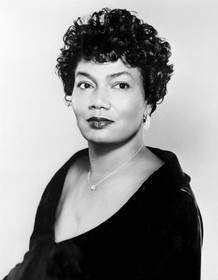
Aunt Hagar (Pearl Bailey)
Played by Pearl Bailey
Aunt Hagar is Handy's caring aunt who introduces him to music by giving him a trumpet; her support sparks his early love for music, even as it triggers conflict with his father. She embodies familial warmth and the friction between encouragement and control.
- 🎺 Gift
- 🧭 Tradition
- WH
W.C. Handy (Nat King Cole)
Played by Nat 'King' Cole
W.C. Handy is a gifted musician chasing jazz dreams despite family opposition. The story follows his path from early resistance to a broader pursuit of popular and jazz composition, including moments of struggle and resilience. His journey is defined by a desire to express himself through music while navigating familial expectations.
- 🎷 Jazz
- 🧭 Ambition
- 🎭 Family
- E(
Elizabeth (Ruby Dee)
Played by Ruby Dee
Elizabeth is Handy's girlfriend who discourages his jazz ambitions, representing the pressure to follow a traditional path. Their relationship experiences tension due to conflicting dreams, and her stance contrasts with the pull of secular music. She embodies the easier, conventional route that Handy contends with.
- 💑 Relationship
- 🧭 Tradition
- 🎶 Jazz
- GG
Gogo Germaine (Eartha Kitt)
Played by Eartha Kitt
Gogo Germaine is a rising, popular singer who recognizes Handy's talent and encourages him to pursue jazz beyond church music. She catalyzes the shift by visiting Handy and inviting his family to hear his jazz in New York, challenging narrow views on music. Her presence embodies the modern jazz world and its openness to new artists.
- 🎤 Mentor
- 🎶 Jazz
- 🗽 New York
- B(
Blade (Cab Calloway)
Played by Cab Calloway
Blade is a nightclub owner who provides a platform for Handy's jazz ambitions. He represents the bustling nightlife and the commercial side of the jazz scene, offering Handy opportunities to perform and grow his craft.
- 🎷 Club Owner
- 🎭 Jazz Scene
- 🏙️ Nightlife
- RC
Rev. Charles Handy (Juano Hernández)
Played by Juano Hernández
The Reverend Handy is Handy's father, a stern religious leader who initially rejects secular music as songs of Satan. He bans the trumpet and disapproves of his son's artistic path, only gradually reconsidering once he witnesses Handy's jazz talent come to life and affect the family. His arc culminates in a reconciliatory embrace of his son's music.
- 🕊️ Father
- 🏛️ Tradition
- 🎶 Music
- YW
Young W.C. Handy (Billy Preston)
Played by Billy Preston
A young W.C. Handy shows early curiosity about music, and his gift of a trumpet from Aunt Hagar foreshadows a lifelong pursuit of musical expression. His childhood decision to pursue music sets up the central conflict between artistic longing and parental authority.
- 🎺 Early curiosity
- 🧭 Family influence
- 🎨 Creativity
Where and When Is St. Louis Blues Set?
St. Louis Blues is set in Memphis and New York (Late 19th to early 20th century). Here is why the time and place matter to the story.
When
Late 19th to early 20th century
The story unfolds during a period of social change when jazz is beginning to flourish beyond church hymns. It tracks Handy's youth discovering music, his rise as a composer, a period of blindness and personal struggle, and a later return to performance in a broader urban landscape.
Where
Memphis, New York
Memphis at the turn of the century serves as the main setting, with scenes rooted in family life, church, and emerging jazz clubs. The film also moves to New York as Handy's career expands and he encounters the surge of popular jazz. The Memphis environment highlights the tension between religious tradition and secular music, while New York embodies a broader stage for his talents.
- Turn-of-the-century setting
- Jazz milieu
What Are the Themes of St. Louis Blues?
3 ideas the story keeps returning to, among them Dream vs Duty, Music & Identity and Family Reconciliation.
-
01
Dream vs Duty
Handy's dream of becoming a jazz composer clashes with his father's insistence on church hymns. The tension is sparked by family expectations, Aunt Hagar's gift of a trumpet, and the lure of secular music. The story traces the pull between art and duty, and hints at the eventual compromise that music can bring.
-
02
Music & Identity
The film uses Handy's career arc to explore how music defines identity. When he goes blind and abandons jazz, he returns to hymns, showing how art can be both a personal lifeline and a source of loss. Even in hardship, his creativity remains, driving him to later compose and perform again. The struggle reveals art's resilience and the personal costs it imposes.
-
03
Family Reconciliation
New York and a pivotal concert hall scene catalyze a shift as Gogo Germaine champions Handy's talent and invites the family to hear his jazz. The revelation prompts Reverend Handy to reconsider, bridging generations and styles. The family's eventual acceptance demonstrates how music can reconcile love, tradition, and ambition.
What Kind of Film Is St. Louis Blues?
Hopeful in tone, with steady pacing and a straightforward story, going by the plot summary.
- Tone
- Hopeful
- Pacing
- Steady
- Story
- Straightforward
- Intensity
- Medium
- Ending
- Happy
An inspiring and emotionally resonant drama that captures the struggle of an artist torn between his family's expectations and his deep passion for the soulful sounds of the blues.
- inspiring
- conflicted
- nostalgic
- struggling
- uplifting
- melodic
- artistic passion
- family conflict
- father son relationship
- jazz music