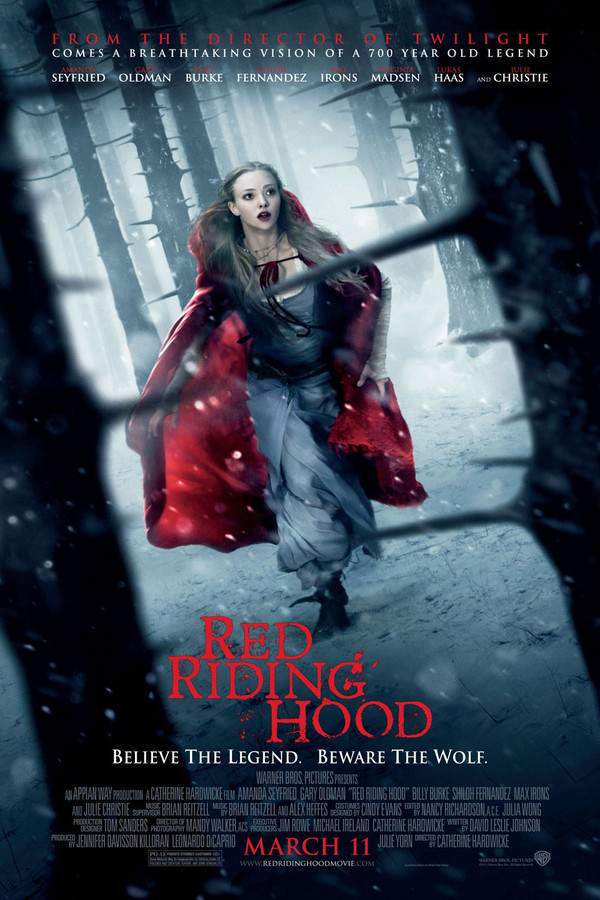
What Is Red Riding Hood About?
The premise of Red Riding Hood in 277 words, with nothing given away. The full story follows below.
In a world where the familiar shadows of the forest clash with the neon glow of a restless, contemporary landscape, the classic tale is turned inside‑out. Red Riding Hood returns not as an innocent courier but as a fiercely driven, psychotic vigilante, blazing a trail that upends every comforting notion of the story we thought we knew. The setting feels simultaneously timeless and hyper‑modern, a place where the rustic cottages of legend coexist with absurdist, almost cartoonish set‑pieces that hint at deeper, philosophical undercurrents.
The tone balances razor‑edge dark humor with an oddly earnest curiosity about the consequences of relentless ambition. It invites the audience to laugh at the sheer audacity of its premise while feeling the palpable tension of a character who refuses to be pigeonholed. The film’s visual language drifts between bright, exaggerated colors and shadowy, gritty textures, reflecting the duality of a heroine who is both larger‑than‑life and hauntingly human.
At its core, the story is a study in obsession and the lure of rewriting one’s own mythology. Red Riding Hood herself is a compelling anti‑hero, her fierce independence tempered by moments that suggest a yearning for something steadier beneath the chaos. Supporting characters orbit her like reluctant mirrors, each interaction shedding light on her volatile psyche and the world that both shapes and is reshaped by her relentless drive.
The narrative’s playful yet grounded approach ensures that every scene feels like a puzzle, a meta‑commentary on storytelling itself. While the plot remains a whirlwind of escalating misadventures, the film never loses sight of its central intrigue: what happens when a legendary figure decides to become the most unpredictable force in her own story?
What Happens in Red Riding Hood?
The complete story of Red Riding Hood, from the first scene to the last, in 534 words (about 2 minutes). Spoilers throughout.
Spoilers ahead
Redux Riding Hood is a clever, meta-textured retelling of the classic tale, told from the perspective of the Big Bad Wolf. Crafted by sitcom writer Dan O’Shannon, the story follows a character who is not remorseful about his past misdeeds, but rather convinced that he can do better now that he has learned from them. Driven by a restless itch to rewrite history, the Wolf embarks on a quest that hinges on science fiction fantasy: building a time machine and staying one step ahead of his sheep wife, Doris, whose weariness with his obsession has grown into genuine frustration.
In the first go, the Wolf succeeds in slipping back to the past and encounters a younger version of himself. Rather than simply reliving fate, the older Wolf offers guidance about what to do and what not to do, aiming to outmaneuver the Hunter—the figure previously responsible for his failure. A double-team approach allows them to seize Little Red Riding Hood, while Grandma is somehow trapped in an armory closet and, in a surprising reversal, fires at them with a machine gun. They return to the present with fresh regrets and a sense that their plan has missed the mark. Doris’s blunt wisdom lands as a blunt warning—they may never manage to catch Red Riding Hood, yet their fixation on past mistakes keeps them from listening.
On the second attempt, the stakes grow more ridiculous and more chaotic. The Wolf and Doris assemble a triple team, skirting their old failures but soon discovering that Red’s scream is powerful enough to trigger a fire alarm that floods Grandma’s house and sends the trio scrambling. What follows is a cascade of increasingly absurd blunders, each misstep multiplying into a chorus of past selves. The Wolf’s attempts to reshape fate backfire again and again, spawning hundreds of versions of himself and creating a kaleidoscope of progressively surreal endings. The humor relies on the ever-widening web of consequences as the past keeps colliding with the present in ridiculous and unexpected ways.
As the tale spirals outward, Doris reaches a breaking point. She decides that she deserves something steadier and more meaningful than being part of a never-ending time-loop comedy. Her plan shifts from trying to fix the past to seizing the time machine for herself, choosing to marry a fox named Leonard as a new life direction. This decision marks a turning point, drawing a clear line between obsessive tinkering and personal fulfillment. The Wolf and all his past selves, meanwhile, continue to argue and scheme, their bickering stretching into an ongoing, unresolved public airing of their regrets.
Throughout, the narrative maintains a playful yet grounded tone, balancing bright, cartoonish setups with a curious, almost philosophical interest in how choices echo through time. The story uses its premise not just for laughs but to probe how ambition, repetition, and the lure of “one more do-over” can shape relationships and destinies. By the end, the characters have learned that some histories can be revisited only so many times before the cost—whether measured in opportunities lost or connections frayed—becomes too high to bear, leaving the characters in a state where the most meaningful resolution may lie beyond the timeline they chase.
Red Riding Hood Timeline: Every Key Event in Order
12 key events in the order they happen, from “The time machine ambition” to “Ending: a resolution beyond the timeline”. 12 events name a place, across 4 locations.
- 1
The time machine ambition
The Wolf resolves to rewrite his history and stop repeating old mistakes by building a time machine. He is not remorseful, but convinced he can do better and outmaneuver the Hunter. The quest to tinker with time becomes the driving force of the story. He stays one step ahead of Doris, his sheep wife, whose weariness with his obsession has grown into genuine frustration.
When:Present Where:Present
- 2
Return to the past: meeting the younger self
The older Wolf slips back to a past era and encounters a younger version of himself. He offers guidance about what to do and what not to do, aiming to outmaneuver the Hunter. The moment reframes fate as something to manipulate rather than endure.
When:Past Where:Past
- 3
Seizing Red Riding Hood: the double-team plan
Together with his younger copy, the Wolf orchestrates a plan to seize Little Red Riding Hood. In a surprising turn, Grandma is trapped in an armory closet and fires a machine gun at them. They manage to return to the present with a new set of regrets, realizing their meddling has altered more than they intended.
When:Present Where:Grandma's house (armory closet)
- 4
Doris's blunt warning
The present-day Doris voices a blunt warning about chasing perfection through time. She reminds the Wolf that fixation on the past can prevent them from listening to each other in the present. The warning lands with gravity, but the old ambitions keep tugging at him.
When:Present Where:Present
- 5
Second attempt: bigger, bolder chaos
On the second try, the stakes escalate as the team expands to a triple effort. They skirt their old failures but increasingly push the limits of what time travel can do. The plan seems to improve at first, only to spiral into new complications. The dynamic between past selves grows denser.
When:Second attempt Where:Present
- 6
Red's scream triggers the flood
Red's scream becomes a catalyst, triggering a fire alarm that floods Grandma's house. The trio scrambles as chaos erupts across the timelines. The alarm magnifies mistakes and sends them tumbling into an ever-widening web of past selves. The present and past collide in ridiculous, escalating ways.
When:Present Where:Grandma's house
- 7
A kaleidoscope of past selves
A cascade of increasingly surreal versions of the Wolf multiplies, each misstep spawning another, more tangled reality. The humor rests on the consequences of trying to outsmart history. The story uses this cascade to probe how ambition and the lure of a do-over ripple across relationships. The time-loop becomes less about cheating fate and more about managing fallout.
When:Present Where:Present
- 8
Doris reaches a breaking point
Doris decides she deserves something steadier than an endless loop of schemes. She plans to take control of the time machine and pursue a new life with Leonard, a fox. The shift marks a clear pivot from tinkering with the past to seeking personal fulfillment. The couple's dynamic begins to drift as the timeline fractures around them.
When:Turning point Where:Present
- 9
Leonard enters and Doris departs
Doris's decision culminates in an exit from the obsessive time-science orbit. She marries Leonard and begins a different life, moving away from the Wolf's chrononaut ambitions. The Wolf and his multiple past selves continue to argue and scheme, producing an ongoing public airing of their regrets. The house becomes a stage for a never-ending, performative discussion of what could have been.
When:Mid-to-late Where:Present
- 10
The never-ending public airing
The bickering among the Wolf and his past selves persists in a recurring public display. The characters grapple with the consequences of their relentless meddling with time. The mood shifts between comic chaos and philosophical reflection on ambition and choice. The loop remains imperfect, with no clean resolution yet.
When:Ongoing Where:Present
- 11
A turning point about meaning
Amid the chaos, the story hints that some histories should not be rewritten endlessly. Doris's move toward a steady life suggests that personal fulfillment may lie beyond time tinkering. The film uses the loop to probe how ambition reshapes relationships.
When:Ending Where:Present
- 12
Ending: a resolution beyond the timeline
By the end, the characters confront the cost of chasing time as their most meaningful resolution. They acknowledge that some histories can be revisited only so many times before the price becomes too high. The final note points to a resolution that may lie beyond the timeline they chase, suggesting growth comes from stepping away rather than perfecting the past.
When:End Where:Present
Who Are the Main Characters in Red Riding Hood?
4 characters, among them The Wolf, Doris and Little Red Riding Hood: who each one is and the part they play in the story. 1 of them link to the actor’s page.
- TW
The Wolf
The central driver of the plot, a clever, ambitious time-traveler who is not remorseful about his misdeeds but believes he can improve now that he has learned from them. His plans keep colliding with reality as he chases Red Riding Hood and sibling pasts, producing a comedy of errors born from overconfidence.
- 🗝️ Antagonist
- 🕰️ Time-traveling
- ⚔️ Schemer
- D
Doris
The Wolf's weary sheep wife who grows tired of the endless loop. She starts as a skeptical, blunt observer and becomes a catalyst for change, ultimately seeking a steadier, more meaningful life—even planning to seize the time machine and marry a fox named Leonard.
- 🐑 Partner
- 🧭 Skeptic
- 💬 Harsh-witted
- LR
Little Red Riding Hood
The target of the Wolf's scheme, a symbol of innocence and the point around which the time-traveling misadventures pivot. Her presence anchors the moral tension between danger, curiosity, and the desire to escape manipulation.
- 🧒 Protagonist
- 🧭 Archetype
- TO
The Old Lady
Played by Maria Gradi
Grandma, as she appears in this retelling, becomes entangled in the chaos of the timelines, even firing a machine gun in an armory-closet scene. Her role underscores the unpredictability of history when meddled with by obsessive minds.
- 👵 Grandmother
- 🔫 Armory
- 🧭 Timelines
Where and When Is Red Riding Hood Set?
Red Riding Hood is set in Grandma's house, present-day setting and time machine workshop (Contemporary with recurring trips to the past). Here is why the time and place matter to the story.
When
Contemporary with recurring trips to the past
The film sits in the present day but keeps spiraling back to earlier moments in the Wolf's history via a time machine. Each attempt shifts timelines, creating a kaleidoscope of past selves and chaotic, humorous outcomes. The pacing emphasizes how past decisions reverberate into the present, complicating aspirations and relationships.
Where
Grandma's house, present-day setting, time machine workshop
The action predominantly unfolds around Grandma's house, a hub where the past and present collide through the time machine. The narrative also sweeps between a contemporary setting and the cluttered spaces of a workshop-armory where the time-travel contraption operates. The armory closet scene anchors the chaos, while the surrounding world provides a backdrop of everyday life undercut by fantastical disruption.
- 🏚️ Grand houses
- 🕰️ Time-travel tech
- 🧭 Small-town
What Are the Themes of Red Riding Hood?
4 ideas the story keeps returning to, among them Time Travel, Obsession vs Fulfillment and Multiplicity of Selves.
-
01
Time Travel
The story uses a meta-textual time machine to explore how revisiting moments reshapes outcomes. Each trip replays the same fault lines, exposing the fragility of control and the unpredictability of changing fate. The humor arises from the increasingly tangled timelines as consequences compound.
-
02
Obsession vs Fulfillment
The Wolf's itch to rewrite history is mirrored by Doris's weariness with perpetual looping. Their fixation on perfecting the past collides with their need for steadier, meaningful lives. The narrative contrasts grand schemes with the ache for genuine connection and stability.
-
03
Multiplicity of Selves
The time-travel premise multiplies versions of the Wolf across timelines, creating a kaleidoscope of selves. This proliferation probes identity: which version is authentic, and how do choices define who we are? The film uses these echoes to question personal responsibility and growth.
-
04
Consequences of Meddling
Every attempt to fix the past triggers new complications: a cascade of blunders, alarms, and unforeseen outcomes. The humor is born from these escalating errors and the price of chasing a 'perfect' history. In the end, some histories prove unchangeable, teaching that certain ambitions come at a cost.
What Kind of Film Is Red Riding Hood?
Whimsical in tone, with fast pacing and a complex story, going by the plot summary.
- Tone
- Whimsical
- Pacing
- Fast
- Story
- Complex
- Intensity
- Medium
- Ending
- Mixed
A playful and absurd time-loop comedy that spirals into chaos as a character's obsessive attempts to fix the past lead to multiplying failures and personal realizations.
- playful
- absurd
- frustrated
- chaotic
- reflective
- regretful
- time travel
- obsession
- marital strife
- rewriting history
Quiz
How well do you remember Red Riding Hood? Test yourself on the story.