
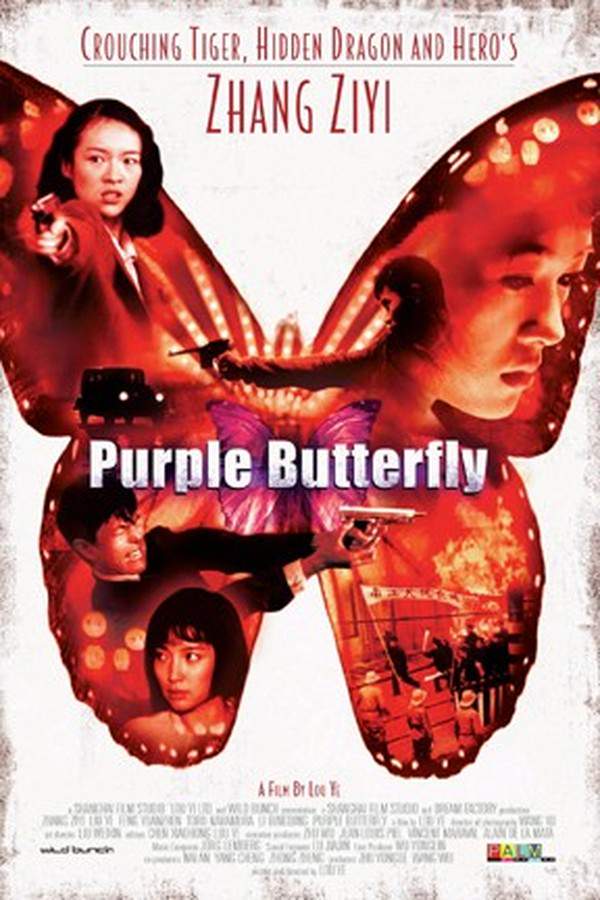
What Is Purple Butterfly About?
The premise of Purple Butterfly in 286 words, with nothing given away. The full story follows below.
In the shadowy streets of 1930s Shanghai, a city caught between old-world elegance and the encroaching chaos of war, an ordinary life is about to intersect with forces far beyond its control. The Japanese occupation has transformed the once-vibrant metropolis into a landscape of suspicion, where allegiances shift like smoke and survival often demands impossible choices. Against this backdrop, a lone individual finds themselves inexplicably drawn into a dangerous plot orchestrated by a Japanese operative — a scheme designed to compromise Chinese patriots fighting for their homeland’s future.
Among those entangled in this web of espionage is a mysterious young woman whose past and present collide in ways she could never have anticipated. She is not merely a participant in the resistance; she carries personal history with people on opposing sides, making her position all the more precarious. As the struggle for resistance intensifies, themes of loyalty and betrayal weave through every interaction, blurring the lines between love and duty, sacrifice and self-preservation.
The film unfolds with a meditative pace, favoring mood and atmosphere over conventional action. Rain-soaked streets, dimly lit interiors, and unspoken tensions create a world where silence often speaks louder than words. Relationships are tested not through grand declarations but through glances, hesitations, and the weight of unspoken histories. As various factions maneuver in the shadows, the characters must confront questions that have no easy answers — and the audience is invited to navigate the same moral complexity alongside them.
Purple Butterfly is a haunting exploration of how war reshapes the human spirit, forcing individuals into roles they never chose. The intricate web of espionage serves not merely as a plot device but as a mirror reflecting the fragmented nature of identity itself.
What Happens in Purple Butterfly?
The complete story of Purple Butterfly, from the first scene to the last, in 417 words (about 2 minutes). Spoilers throughout. Names in the text link to 2 cast member pages.
Spoilers ahead
In 1928 Manchuria, Japanese translator Hidehiko Itami Tôru Nakamura leaves his Chinese lover, Ding Hui Ziyi Zhang, and returns to Tokyo. Years later, when he arrives in Shanghai, he has become a spy. Meanwhile, Ding Hui witnesses her brother, who ran an anti-Japanese newspaper, being assassinated by the Japanese. She travels to Shanghai, joins an underground resistance called Purple Butterfly, and falls in love with its leader, Xie Ming.
The resistance hatches a plan to strike at a Japanese intelligence officer named Yamamoto, enlisting an assassin from out of town. At a train station, a highly accidental mix-up places a low-level clerk named Szeto across from the real killer on the same car, and Szeto becomes an unwitting focus of the operation. The resistance passes Szeto some materials about the target, and his puzzled, almost chaotic reaction triggers a small crisis that spirals into a larger one. In the ensuing gunfight, Ding Hui accidentally kills Szeto’s girlfriend, Yiling, who had hurried to meet him.
Szeto is briefly captured by Yamamoto’s subordinates, including Itami. Under brutal interrogation, Szeto remains unable to articulate what he truly knows. An informant within the resistance reveals that Szeto is merely a bystander who was pulled into events by chance, and Itami releases him. Nonetheless, the resistance regards Szeto as a potential traitor and decides to erase him.
From outsider to a man entangled in a widening web, Szeto finds himself pursued by both the Japanese secret police and the resistance, unable to explain his presence to either side. Meanwhile, Itami reconnects with his former lover, Ding Hui, and Szeto witnesses their reunion, which deepens his confusion about everything unfolding around him. He is consumed by a thirst for vengeance for Yiling, yet he has no clear target to aim at.
With the real assassin out of circulation, the resistance must take on the mission to kill Yamamoto themselves. Ding Hui stands at a crossroads, torn between Itami and Xie Ming, who lead opposing sides, and her loyalties become a dangerous bargaining chip in the factions’ schemes. Ding Hui accompanies Itami to a gathering at a Japanese club, where the two share a moment of intimacy as they dance. Itami tells her that Yamamoto will not be coming, and that Xie Ming is already dead, a revelation that shocks her. In a sudden turn, Ding Hui stabs Itami. Szeto then bursts into the ballroom, shoots Itami, and pivots his aim toward Ding Hui, leaving the fate of everyone involved hanging in the balance.
Purple Butterfly Timeline: Every Key Event in Order
12 key events in the order they happen, from “Itami leaves Ding Hui in Manchuria” to “Final confrontation at the Japanese club”. 7 events name a place, across 4 locations.
- 1
Itami leaves Ding Hui in Manchuria
In 1928, Itami, a Japanese translator, leaves his Chinese lover Ding Hui and returns to Tokyo. The separation foreshadows decades of tension as he later reappears in Shanghai as a spy.
When:1928 Where:Manchuria
- 2
Itami arrives in Shanghai as a spy
Several years later, Itami arrives in Shanghai and has become a spy. He begins to operate within the Japanese intelligence network in China, setting up the future conflicts between him and Ding Hui.
When:Several years later Where:Shanghai
- 3
Ding Hui witnesses her brother's assassination
Ding Hui witnesses the assassination of her brother, who ran an anti-Japanese newspaper, at the hands of Japanese agents. The killing galvanizes her to resist and seek solidarity with others opposed to occupation.
Where:Shanghai
- 4
Ding Hui joins Purple Butterfly and falls for Xie Ming
She travels to Shanghai, joins the underground resistance Purple Butterfly, and quickly falls in love with its enigmatic leader Xie Ming. Her commitment deepens as she steels herself against the Japanese occupation.
Where:Shanghai
- 5
Purple Butterfly plans Yamamoto's assassination
The resistance organization hires an assassin from out of town to kill Yamamoto, highlighting the brutal measures taken in the anti-Japanese struggle. The plan shows how far both sides are willing to go to strike a blow against their targets.
Where:Shanghai
- 6
Train station mix-up and the fatal mistake
At a train station, a highly accidental mix-up causes Szeto to be mistaken for the real assassin. In the ensuing chaos, Ding Hui accidentally kills Szeto's girlfriend Yiling.
Where:Train station
- 7
Szeto captured and tortured by Itami
Szeto is captured by Yamamoto's subordinate Itami and subjected to brutal interrogation, yet he remains completely unaware of the real target or the larger political game.
- 8
Itami releases Szeto; resistance suspects traitor
An informant within the resistance reveals that Szeto is merely an unlucky bystander, and Itami releases him. Despite the release, the resistance believes Szeto betrayed them and decides to eliminate him.
- 9
Szeto's entanglement grows; reunion witnessed
Szeto becomes deeply entangled in the crossfire, hunted by both the Japanese secret police and the resistance. He also witnesses Itami's reunion with Ding Hui, which adds to his confusion about who to trust.
- 10
Restraint dissolves; Yamamoto's assassination proceeds by the resistance
With the real assassin gone, the resistance must carry out Yamamoto's killing themselves. The plan shifts from relying on an outsider to taking matters into the hands of Purple Butterfly.
- 11
Ding Hui torn between Itami and Xie Ming
Ding Hui is torn between her former lover Itami and her current lover Xie Ming, and she becomes a pawn in both camps' schemes. The double exposure to competing loyalties destabilizes her further.
- 12
Final confrontation at the Japanese club
At a Japanese club gathering, Itami tells Ding Hui that Yamamoto will not come and that Xie Ming is already dead. Ding Hui then stabs Itami in shock, and Szeto bursts into the ballroom, shoots Itami, and turns his gun toward Ding Hui.
Where:Japanese club ballroom
Who Are the Main Characters in Purple Butterfly?
3 characters, among them Ding Hui (Ziyi Zhang), Itami (Tôru Nakamura) and Xie Ming (Ye Liu): who each one is and the part they play in the story. Every profile links to the actor’s page.
-
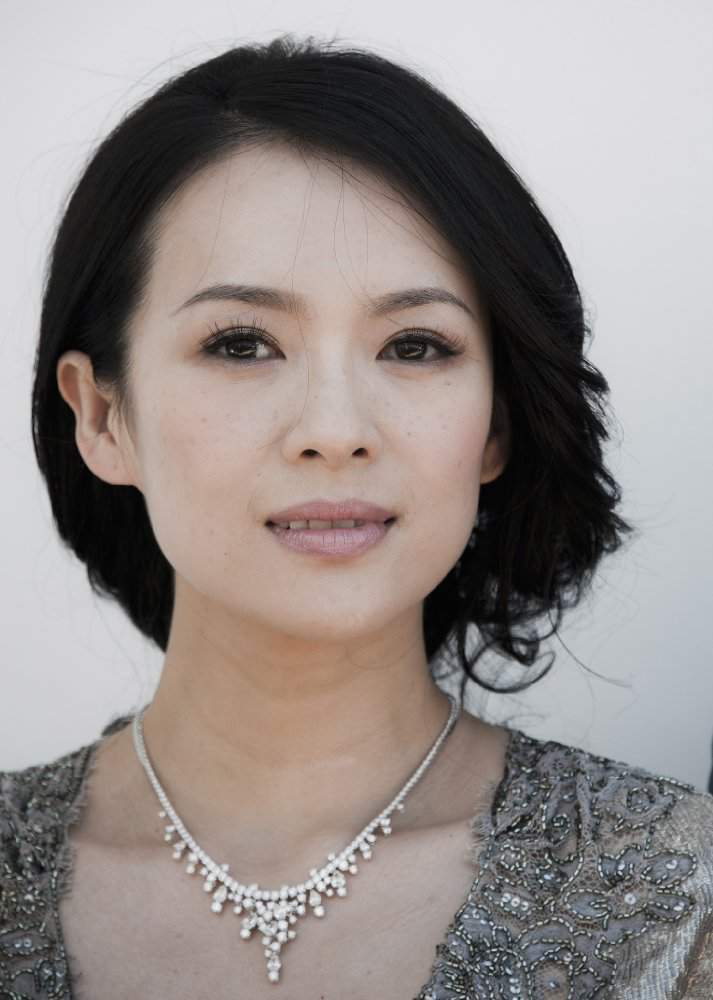
Ding Hui (Ziyi Zhang)
Played by Ziyi Zhang
A Chinese activist who joins the Purple Butterfly resistance after her brother is killed. She forms a complex love triangle with her former lover Itami and the resistance leader Xie Ming, torn between personal loyalties and political commitments. Her arc includes witnessing tragedy, participating in dangerous plots, and confronting guilt for killing an innocent person.
- 💘 Romance
- 🕵️ Espionage
- ⚖️ Moral Dilemma
- I(
Itami (Tôru Nakamura)
Played by Tôru Nakamura
A Japanese translator turned spy who navigates shifting loyalties and dangerous alliances. He reconnects with Ding Hui and interacts with both sides of the conflict, ultimately meeting a tragic end. His dual identities and exposure to the violence around him drive much of the film’s tension.
- 🎭 Loyalty
- 🗡️ Betrayal
- 🧭 Identity
- XM
Xie Ming (Ye Liu)
Played by Ye Liu
Leader of the Purple Butterfly resistance, he is Ding Hui’s on-again, off-again lover and a key strategist against the Japanese occupation. His death removes a crucial pillar of the resistance, intensifying the emotional stakes for Ding Hui and the remaining fighters.
- 🧭 Leadership
- 💖 Love
- 🛡️ Resistance
Where and When Is Purple Butterfly Set?
Purple Butterfly is set in Manchuria, Tokyo and Shanghai (Late 1920s to early 1930s). Here is why the time and place matter to the story.
When
Late 1920s to early 1930s
The narrative begins in 1928 in Manchuria, during a period of Japanese expansion and political turmoil. Several years pass as the action moves to Shanghai's resistance networks and Tokyo's intelligence circles. The era is defined by covert operations, clashes between factions, and the looming specter of war in East Asia.
Where
Manchuria, Tokyo, Shanghai
In 1928, Manchuria is a tense border region where Japanese influence collides with local resistance. The story later shifts to Shanghai, a cosmopolitan city that becomes a hotbed of underground activity and espionage. Tokyo serves as a backdrop for intelligence work and personal histories, linking the characters through an atmosphere of secrecy and danger.
- 🗺️ Historical settings
- ⚔️ Geopolitical tension
- 🌏 East Asia
What Are the Themes of Purple Butterfly?
3 ideas the story keeps returning to, among them Loyalty and Betrayal, Identity and Deception and Violence and Consequences.
-
01
Loyalty and Betrayal
The story tests loyalties across national, romantic, and organizational lines. Ding Hui, Itami, and Xie Ming grapple with competing obligations, while Szeto's entanglement spirals into suspicion and danger. The resistance's mission often collides with personal ties, forcing painful choices and shifting alliances.
-
02
Identity and Deception
Mistaken identities and hidden motives drive much of the plot. An unsuspecting bystander is pulled into a deadly conspiracy, while spies hide their true loyalties behind careful façades. The characters must navigate what is real, who they can trust, and how much of themselves they are willing to reveal.
-
03
Violence and Consequences
The film centers on assassination, gunfights, and the fallout of killing an innocent person. Guilt and trauma ripple through the cast, especially for those who live with the weight of their actions. Violence becomes a catalyst that reshapes relationships and propels the final confrontations.
What Kind of Film Is Purple Butterfly?
Tense in tone, with variable pacing and a complex story, going by the plot summary.
- Tone
- Tense
- Pacing
- Variable
- Story
- Complex
- Intensity
- High
- Ending
- Bleak
A tense and tragic wartime espionage thriller that plunges its characters into a chaotic web of mistaken identity, brutal torture, and impossible moral choices, creating an atmosphere of relentless paranoia and grim fatalism.
- tense
- anxious
- tragic
- chaotic
- oppressive
- melancholic
- espionage
- resistance
- torture
- mistaken identity
Content notes: torture, war violence, assassination, gun violence, psychological trauma.
