What Is Pride About?
The premise of Pride in 316 words, with nothing given away. The full story follows below.
In 1974, the streets of Philadelphia pulse with the rhythm of a city caught between decline and the stubborn hope of its residents. Within a crumbling recreation center, a neglected pool mirrors the neighborhood’s faded glory, its tiles slick with the weight of unpaid bills and whispered stories of better days. The atmosphere is gritty yet charged with an almost palpable determination, as the community’s daily grind is punctuated by the lingering scent of chlorine and the echo of distant cheers.
Jim Ellis, a college‑educated former competitive swimmer, drifts through this landscape searching for purpose after a series of dead‑end jobs. Tasked with overseeing the center’s impending foreclosure, he feels the tug of both responsibility and a lingering love for the water that once defined him. As he confronts the reality of the pool’s decay, a quiet partnership forms with Elston, the janitor whose own future hangs in the balance, and together they glimpse a spark of possibility beneath the surface.
When a group of local teens—each bearing the weight of their own challenges—wander onto the pool deck, Jim sees more than splashing bodies; he sees untapped talent and a chance for collective uplift. Their tentative strokes become the foundation for an ambitious idea: to assemble the city’s first all‑African‑American swim team, a venture that carries the promise of pride, determination, and resilience. Meanwhile, Sue, a caring guardian with a protective eye on her brother’s education, becomes an unexpected ally, adding a personal dimension to the nascent project.
The film’s tone balances the raw edges of urban hardship with the luminous optimism that swells with every kick and breath. It paints a portrait of a community where the pool becomes more than a place to swim—it transforms into a crucible for unity, a silent arena where perseverance can rewrite narratives, and where the ripple of one person’s resolve hints at the transformative power of collective hope.
What Happens in Pride?
The complete story of Pride, from the first scene to the last, in 344 words (about 1 minute). Spoilers throughout. Names in the text link to 2 cast member pages.
Spoilers ahead
In 1974 Philadelphia, Jim Ellis, a college-educated man still finding it hard to land steady work, takes a job at the aging Marcus Foster Recreation Center, a neighborhood facility facing closure. The center’s dilapidated pool becomes a focal point for renewal, and Ellis finds himself at odds with Elston, the longtime janitor whose own future at the center is uncertain. With grit and patience, Ellis begins to rehabilitate the pool, turning it into a beacon of possibility in a tough urban setting.
One day, Ellis invites a group of Black teens to swim, and among them are Andre, Hakim, Reggie, Puddin’ Head, and Walt. They quickly show talent, and with a few guiding pointers they start to imagine something bigger than casual lessons. Alongside this, a personal connection deepens when Sue, Hakim’s sister and guardian who pushes Hakim to put education first, becomes a presence in Ellis’s life.
Driven by a shared belief in the pool’s potential, Ellis and Elston decide to pursue something ambitious: the creation of the city’s first all-African-American swim team, the “PDR team”—a name that honors Pride, Determination, and Resilience while nodding to the Philadelphia Department of Recreation. The formation gains momentum when Willie, a talented female swimmer, joins the group, amplifying their chances against better-known, more experienced white teams.
As the team trains, they dream of competition beyond their neighborhood lanes, stepping into tournaments that test their skill and resolve. But they soon encounter overt racism and treachery that mirror the obstacles Ellis faced a decade earlier as an athlete. The hostility comes from beyond the pool deck, challenging their right to compete and to belong in a sport that has long excluded Black swimmers.
Despite the external hurdles, Ellis and Elston remain steady mentors. They guide the kids not only in technique and teamwork but also in navigating poverty, crime, and prejudice with dignity and perseverance. The story tracks how, through discipline, mutual support, and courage, the swimmers grow into a cohesive unit and begin to rewrite what’s possible for themselves—and for their community—one stroke at a time.
Pride Timeline: Every Key Event in Order
14 key events in the order they happen, from “Jim Ellis's employment struggle (1974)” to “Symbolic revival of the pool and community hope”. 13 events name a place, across 6 locations.
- 1
Jim Ellis's employment struggle (1974)
In 1974, Jim Ellis, a college-educated man, struggles to find meaningful employment. He lands a job at the decrepit Marcus Foster Recreation Center in a poor Philadelphia neighborhood, where his search for purpose becomes tied to the pool's fate.
When:1974 Where:Marcus Foster Recreation Center, Philadelphia
- 2
Foreclosure pressures threaten the center
His job involves preparing the center for foreclosure, a move that threatens its future. This pressure creates friction with Elston, the janitor whose own job may disappear as a result.
When:1974 Where:Marcus Foster Recreation Center
- 3
Pool rehabilitation begins
Jim takes on the pool's rehabilitation, breathing life into the dilapidated facility. He starts restoring the water and the space to make it usable again for the community.
When:1974 Where:Marcus Foster Recreation Center Pool
- 4
Jim invites Black teens to swim
Jim invites a group of Black teens—Andre, Hakim, Reggie, Puddin’ Head, and Walt—to try swimming at the pool. The kids prove to be capable swimmers with Jim's few pointers and encouragement.
When:1974 Where:Marcus Foster Recreation Center Pool
- 5
Swimmers show potential
The teens display notable potential and, with guidance, could become great swimmers. Jim begins to see the pool as more than recreation, but a path to opportunity.
When:1974 Where:Marcus Foster Recreation Center Pool
- 6
Romance and Hakim's guardianship
Jim develops a romantic interest in Sue, Hakim's sister and guardian. Sue emphasizes that Hakim should focus on schooling before the pool, adding a personal and practical challenge to Jim's mission.
When:1974 Where:Philadelphia
- 7
Forming the PDR swim team
With Elston's help, Jim decides to save the pool by forming the city's first all-African-American swim team, the PDR team. The team embodies Pride, Determination, and Resilience, while also bearing the Philadelphia Department of Recreation's involvement.
When:1974 Where:Marcus Foster Recreation Center Pool
- 8
Willie joins the team
Willie joins the team as a talented female swimmer, and her presence raises the level of competition and motivation. She becomes a catalyst for the team's growth and resolve.
When:1974 Where:Marcus Foster Recreation Center Pool
- 9
Aim to compete against white teams
The team begins to imagine competing against far more experienced white teams, expanding their ambitions beyond local meets. Their training intensifies as they prepare for higher-stakes competition.
When:1974-1975 Where:Philadelphia area pools
- 10
Racism and treachery challenge the team
Black swimmers face overt racist opposition and treachery that threaten their progress. These obstacles echo Jim's own experiences when he competed ten years earlier, underscoring the persistence of prejudice.
When:1974-1975 Where:Various pools around Philadelphia
Show the other 4 events of Pride Hide the last 4 events
- 11
Jim's past racism experiences recalled
The narrative calls back to how Jim faced racism during his own competitive days, a decade earlier in 1964. Those memories inform how he prepares the team to confront prejudice today.
When:1964
- 12
Mentorship to confront prejudice and poverty
Throughout their struggles in and out of the pool, Jim and Elston mentor the kids, guiding them not only in swimming but also in confronting prejudice, crime, and poverty. They serve as role models and stable figures in the community.
When:1974-1975 Where:Marcus Foster Recreation Center
- 13
Team bonds and training pay off
The team grows closer through practice, learning teamwork, discipline, and resilience. Their camaraderie strengthens their resolve to persevere against external opposition.
When:1974-1975 Where:Marcus Foster Recreation Center Pool
- 14
Symbolic revival of the pool and community hope
As the pool's revival continues, it becomes a beacon of hope for the community and a proof of what determined youth and mentors can achieve. The PDR team's existence signals progress against segregation in recreation and sport.
When:1974-1975 Where:Philadelphia
Who Are the Main Characters in Pride?
9 characters, among them Jim Ellis (Terrence Howard), Elston (Bernie Mac) and Sue (Kimberly Elise): who each one is and the part they play in the story. 3 of them link to the actor’s page.
-
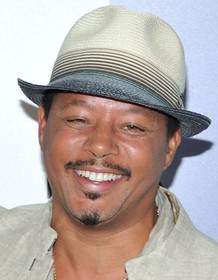
Jim Ellis (Terrence Howard)
Played by Terrence Howard
Jim Ellis is a former competitive swimmer who takes a job at a decaying recreation center and bets on a new generation. He rehabilitates the pool and earns the kids’ trust by sharing technique and discipline. He faces resistance from the city and his own doubts, but his leadership and vision drive the creation of the Pride swim team.
- 🏊️ Leadership
- 💪 Determination
- 🧭 Mentor
-
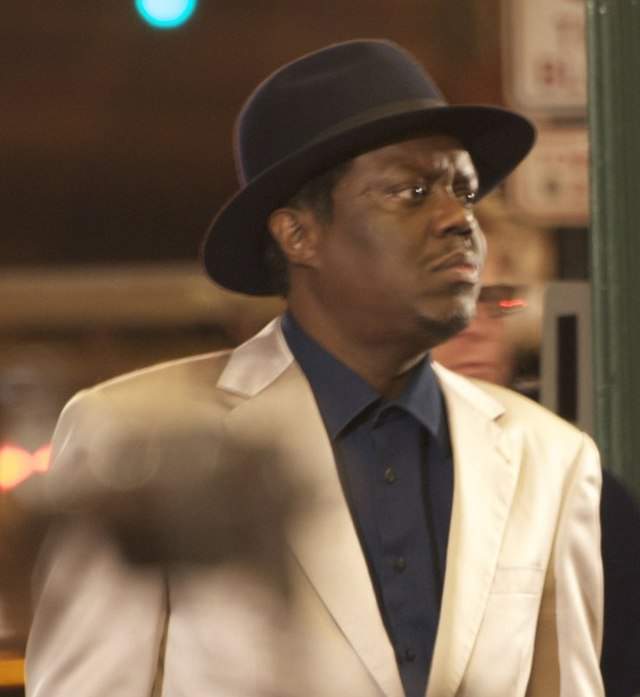
Elston (Bernie Mac)
Played by Bernie Mac
Elston is the janitor at the center and a steady ally to Jim. He worries about his own job security but supports the kids and the effort to save the pool. His humor and street-smarts help navigate obstacles and provide practical, down-to-earth mentorship.
- 🧭 Mentor
- 🤝 Ally
- 🧼 Everyday Hero
-
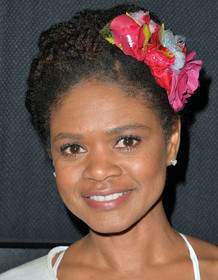
Sue (Kimberly Elise)
Played by Kimberly Elise
Sue is Hakim's sister and guardian. She initially questions the pool plan but comes to support Jim and the team, especially after recognizing the impact on Hakim's future. She advocates for Hakim's education alongside athletic opportunities.
- ❤️ Family
- 🎓 Education
- 💪 Support
- A
Andre
Andre is one of the teens who proves to be a capable swimmer. Under Jim’s guidance, he shows potential to become part of a serious competitive team. His journey reflects the group’s broader struggle to gain recognition and respect.
- 🏊️ Talent
- 🧷 Potential
- 💬 Youth
- H
Hakim
Hakim is a teen swimmer and Sue's ward. He benefits from the pool and the team while his guardian presses for his schooling, underscoring the balance between academics and athletics. Hakim's development mirrors the broader theme of personal growth through sport.
- 🎯 Potential
- 🧭 Guidance
- 👫 Family
- R
Reggie
Reggie is among the group of boys who demonstrates growing swimming ability with guidance. He represents the collective effort of the team to rise above environment and prejudice. His participation helps deepen the dynamics of the Pride team.
- 🏊️ Team Player
- 🧠 Strategy
- 💪 Growth
- PH
Puddin' Head
Puddin' Head is a member of the group whose presence adds character and resilience under pressure. His growth alongside the others helps illustrate the group's evolving chemistry and determination. He faces the same social obstacles that accompany their dream of competing.
- 🤝 Friend
- 🧭 Mentor
- 🏁 Determination
- W
Walt
Walt is part of the teen group, contributing to the team's early struggles and later progress. He embodies the resilience and adaptability the group needs to navigate racism and poverty. Walt's arc emphasizes teamwork and personal courage.
- 🏊 Teamwork
- 💪 Resilience
- 🧭 Guidance
- W
Willie
Willie is a female swimmer who joins the group and proves to be a standout talent. Her inclusion broadens the team's identity and demonstrates that skill and determination transcend gender barriers. Her presence strengthens the pool’s role as a space of opportunity.
- 🏊♀️ Talent
- 🧭 Opportunity
- 💪 Empowerment
Where and When Is Pride Set?
Pride is set in Philadelphia and Marcus Foster Recreation Center (1974). Here is why the time and place matter to the story.
When
1974
The story unfolds in 1974 Philadelphia, a period marked by economic hardship and racial tensions. Jim Ellis navigates job insecurity and systemic barriers while pursuing something transformative for himself and the kids. The era’s social strife informs the team’s battles, both in the pool and in the wider community.
Where
Philadelphia, Marcus Foster Recreation Center
Set in a rundown Philadelphia neighborhood, the Marcus Foster Recreation Center houses a dilapidated pool that becomes the heartbeat of the story. Jim rehabilitates the pool and turns it into a place where Black youths can learn to swim and aspire beyond their surroundings. The center's struggle against neglect and closure mirrors the community's fight against poverty and racism.
- 🏙️ Urban
- 🏊 Pool
- 🧭 Community hub
What Are the Themes of Pride?
3 ideas the story keeps returning to, among them Racism & resilience, Sport & teamwork and Mentorship & growth.
-
01
Racism & resilience
The film portrays overt and covert racism that the team confronts as they push for opportunities in a segregated city. It shows how communities rally to overcome barriers through dignity, courage, and coordinated action. The pool becomes a proving ground where pride clashes with prejudice.
-
02
Sport & teamwork
Swimming supplies a framework for discipline, trust, and collective effort. The kids learn techniques and strategies from Jim and Elston, turning individual potential into a cohesive team. Competition against more established white teams highlights the power of unity and practice.
-
03
Mentorship & growth
Jim and Elston serve as mentors who guide the youths beyond swimming—teaching responsibility, perseverance, and community pride. The relationships challenge the kids to dream bigger and aspire for educational and personal betterment. The film frames mentorship as a catalyst for social mobility.
What Kind of Film Is Pride?
Hopeful in tone, with steady pacing and a straightforward story, going by the plot summary.
- Tone
- Hopeful
- Pacing
- Steady
- Story
- Straightforward
- Intensity
- Medium
- Ending
- Happy
An uplifting and inspiring sports drama that follows an underdog swim team's determined journey against racism and poverty, filled with stirring triumphs and a steady sense of hope.
- uplifting
- determined
- inspiring
- stirring
- triumphant
- underdog
- sports team
- racial prejudice
- community
- mentorship
Content notes: racial discrimination.
Quiz
How well do you remember Pride? Test yourself on the story.