What Is Over 21 About?
The premise of Over 21 in 320 words, with nothing given away. The full story follows below.
In a brisk, contemporary comedy that mixes the clatter of a bustling newsroom with the regimented hum of a military training camp, the story follows a trio of sharply drawn personalities as they scramble to blend love, ambition, and absurdity. The backdrop swings between the bright lights of Hollywood and the sun‑baked streets of a small Floridian town, where a rundown bungalow becomes the unlikely hub of their intertwined lives. The tone is lively and fast‑paced, with witty dialogue and situational humor that keeps the everyday feel of the characters’ world both familiar and wonderfully off‑beat.
Paula “Polly” Wharton is a celebrated novelist turned screenwriter who decides to leave her Hollywood project behind in order to stay close to her husband. Max W. Wharton, her husband, is a thirty‑nine‑year‑old editor of a venerable New York newspaper who impulsively enlists in the army, determined to gain first‑hand experience for his reporting. The third thread in the tapestry is Jan Lupton, the last tenant of the bungalow, a seasoned local who offers a wry, pragmatic view of military life and the quirky community that surrounds it.
The film explores how these three characters adjust to the strange juxtaposition of civilian creativity and military discipline. Paula’s transition from script‑writing rooms to cramped quarters, Max’s struggle to balance rigorous training with his journalistic instincts, and Jan’s role as the sardonic guide to the base’s idiosyncrasies create a lively interplay of support, misunderstanding, and comic tension. Their interactions are peppered with quick‑witted banter and moments of sincere camaraderie, underscoring the film’s affection for ordinary people thrust into extraordinary circumstances.
Amid the whirlwind of telegrams, eccentric neighbors, and the ever‑present drum of drills, the story hints at larger questions of duty, adaptability, and the balance between public responsibility and private devotion. The mood remains buoyant, inviting the audience to laugh at the absurdities while rooting for the unlikely partnership that blossoms within the bungalow’s peeling walls.
What Happens in Over 21?
The complete story of Over 21, from the first scene to the last, in 878 words (about 4 minutes). Spoilers throughout. Names in the text link to 4 cast member pages.
Spoilers ahead
At the New York Bulletin, its owner Robert Drexel Gow is livid when a teletype arrives announcing that the paper’s thirty-nine-year-old editor, Max W. Wharton, is resigning to enlist in the army. The news comes with a second teletype about Max’s wife, the celebrated novelist Paula ‘Polly’ Wharton, who is in Hollywood adapting her newest book into a screenplay. Gow’s anger isn’t just about the resignation—he believes that without Max, the newspaper itself might fold, because Max is, in effect, the heartbeat of the publication.
From Hollywood, Paula phones Max to offer congratulations, and her voice carries both pride and concern. She decides to follow him to the military world, choosing to relocate wherever the officer’s candidate school might lead, driven by a desire to support her husband and to witness this journey firsthand. The couple’s sense of duty is clear, even as their personal life shifts under the strain of impending separation and new responsibilities.
After basic training, Max sends Paula a telegram with the news: the officer’s candidate school is at Tetley Field, Florida. Paula makes the trip, arriving in Palmetto Court and seeking bungalow 26D, where she meets the last tenant, Jan Lupton. Jan fills her in on life at Tetley—paraphrasing a hard-won maxim that life for the enlisted is relentless, filled with long days and constant drills. Jan also hints at the social blur between the base and the town, where friends and relatives shift into a support network that can be as demanding as the training itself. Paula and Jan swap stories about the harsh realities, the close bonds that form among soldiers’ families, and the adjustments required when a loved one steps into a world of orders and uniforms.
Max makes a surprise appearance shortly after Paula’s arrival. The reunion is warm and hopeful, yet practical concerns quickly take the foreground. They discuss the road ahead: Max’s struggle to balance intense study with his public commitment to the paper, and Paula’s wish to be supportive while navigating a different kind of life from the one she has known as a writer. Max’s determination to gain credible, real-world insight into war—so the newspaper can report with authority—conflicts with his growing awareness of the personal toll such a path may take on their marriage and on Paulie’s own ambitions and happiness.
The couple’s budding routine is interrupted when Robert, the editor-publisher, calls again, this time with urgent questions about the newspaper’s future. Paula interjects, defending Max’s time and space, and she calmly—but firmly—tells Robert not to disturb him during this crucial period of training. This moment underscores a rift between professional expectations and personal loyalty, setting the tone for the delicate dance they must perform as they navigate duty, marriage, and ambition.
Weeks roll by as Max and Paula settle into their new lives. Paula handles the daily chores of military family life—household duties, errands, and the emotional work of staying close to a husband who is continually immersed in learning and preparation. Max, ever hungry for knowledge, devotes what free moments he has to cramming in more information, pushing through exhaustion in his quest to absorb skills and insights that could shape his future reporting and the paper’s voice when the war finally arrives.
On base, Max is approached by [Paulson], a fellow member of Tetley Field’s military press ecosystem, who explains that Max’s growing fame as the “most famous recruit” could become a story for the base newspaper, Tetley Field Sentinel. Max hesitates, not wanting to overstep or neglect his duties, but the invitation to shape a narrative about himself lingers, adding another layer to the ethical question of journalism during wartime.
A formal call comes when Colonel [Foley] arrives to discuss Max’s status and the ongoing work of the unit. The Colonel mentions personal connections—namely that his wife and mother-in-law are admirers of Paula Wharton and plan to drop by the bungalow later in the day. The note is delivered with a blend of warmth and professional curiosity, hinting at the social complexities that can accompany a home front moved by war. The Colonel also alludes to Mrs. Gates’ past encounter with Paula, a reminder that rumors and relationships can ripple just as strongly as orders through the lives of those stationed at Tetley Field.
As Max grapples with the demands of schooling, duty, and journalism, the couple’s dynamic deepens—each striving to support the other while staying true to their own paths. The narrative continues to weave between the stern discipline of basic training and the intimate, hopeful moments of reunion, illustrating how war-era life tests the bonds of marriage and the integrity of a newsroom eager to tell the truth.
Throughout this period, the film examines themes of duty, adaptability, and communication. It offers a window into how families navigate separation, how soldiers’ spouses balance their own aspirations with support for their partners, and how a newspaper with a storied legacy seeks to remain credible and relevant when the country is stepping into a wartime future. The story remains grounded in the everyday realities of Tetley Field and Palmetto Court, showing how two strong-willed individuals—Max and Paula—try to chart a course that honors both their public responsibilities and their private commitments, even as new challenges and relationships unfold around them.
Over 21 Timeline: Every Key Event in Order
11 key events in the order they happen, from “Gow learns of Max's enlistment” to “Colonel Foley anticipates visitors”. 11 events name a place, across 8 locations.
- 1
Gow learns of Max's enlistment
The teletype at the New York Bulletin reports that editor Max Wharton is resigning to join the army. Gow is furious about both the news and the way it arrived, sensing the newspaper's future hinges on Max. The revelation sets the stakes high for the paper and its owner.
Where:New York Bulletin
- 2
Paula calls to congratulate and commits to move
From Hollywood, Paula Wharton calls Max to congratulate him on his decision. Max explains the plan for basic training and potential officer candidate school. Paula decides to move to wherever the school will be to stay close to him.
Where:Hollywood
- 3
OCS location announced to Paula
After basic training, Max sends Paula a telegram stating that officer's candidate school is at Tetley Field, Florida. Paula understands little of his motivation but wants to see him succeed. Their distance between them begins to widen as plans take shape.
When:after basic training Where:Tetley Field, Florida
- 4
Paula arrives at Palmetto Court; meets Jan Lupton
Paula arrives at Palmetto Court looking for bungalow 26D and meets Jan Lupton, the last tenant, whose husband has just become a second lieutenant. Jan explains life for the enlisted at Tetley Field is all work. She also shares a cautionary tale about life in the army schooling.
Where:Palmetto Court
- 5
Max reunites with Paula at the bungalow
Max drops by the bungalow to surprise Paula and they share a loving reunion. The Luptons bid them farewell, foreshadowing the temporary strain on the married couple. The moment reinforces their newly separate lives in the base housing.
Where:Bungalow 26D, Palmetto Court
- 6
Couple discusses their new life and motives
The couple talks about life in army housing; Paula hopes to be like other army wives, while Max worries about his schooling and duty to the newspaper. He insists his aim is to witness the war firsthand so the paper can report from credible experience. The exchange reveals their differing perspectives on duty and personal fulfillment.
Where:Bungalow 26D
- 7
Luptons' delayed train disrupts the reunion
A frantic knock reveals the Luptons with a delayed train, forcing the Whartons to offer the bedroom for the night. Paula sleeps on the sofa, and the moment marks how plans must bend under practical circumstances. The late visit postpones the more passionate part of their reunion.
Where:Palmetto Court
- 8
Robert Gow pressures Max about the newspaper
Robert Gow calls Max to discuss the newspaper's future, peppering him with demands and urgency. Paula defends Max, telling her husband not to be disturbed during this critical period and she abruptly ends the call. The confrontation highlights the tension between professional duty and personal life.
Where:Palmetto Court
- 9
Weeks pass; both settle into new routines
Over the next several weeks, Max buries himself in study while Paula handles housework at Tetley Field. They both adjust to their separate roles, trying to sustain support for one another from afar. The strain slowly tests their bond, even as they press forward with their goals.
Where:Tetley Field
- 10
Paulson recruits Max to write for Tetley Field Sentinel
After a field exercise, Max is approached by Paulson, a reporter at Tetley Field Sentinel, who asks him to write a story about himself. Max is reluctant due to limited time, but Paulson leaves him to consider the offer. The moment foreshadows a growing tension between duty to reporting and time for personal life.
Where:Tetley Field
- 11
Colonel Foley anticipates visitors
In Colonel Foley's office, Max is told that both his wife and mother-in-law plan to drop by the bungalow that afternoon. Max is surprised by the news and somewhat unsettled by the prospect. He remains unaware of Mrs. Gates’ encounter with Paulie.
When:that afternoon Where:Colonel Foley's office, Tetley Field
Who Are the Main Characters in Over 21?
6 characters, among them Max W. Wharton (Alexander Knox), Paula 'Polly' Wharton (Irene Dunne) and Robert Drexel Gow (Charles Coburn): who each one is and the part they play in the story. Every profile links to the actor’s page.
-
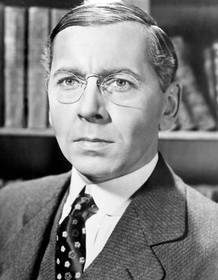
Max W. Wharton (Alexander Knox)
Played by Alexander Knox
Max is the thirty-nine-year-old editor who resigns from the New York Bulletin to enlist in World War II, hoping to experience the war first-hand. He wants credible, frontline insight to guide the newspaper’s coverage, even if it costs him his job. His choice puts him at odds with publisher Gow, who fears the paper may fail without him. He maintains a quiet, hopeful resolve, seeking a meaningful partnership with his wife, Paula, who supports his mission.
- 🗞️ Editor
- 🛡️ Duty
- ❤️ Family
-

Paula 'Polly' Wharton (Irene Dunne)
Played by Irene Dunne
Paula is a famous novelist whose work is being adapted into a movie in Hollywood. When Max leaves for basic training, she moves to Tetley Field to be close to him, embracing the role of a supportive military wife. She balances longing with determination to pursue her own writing and stand by Max during his training. Her loyalty underscores the couple’s shared belief in duty and love during wartime.
- 🖊️ Writer
- ❤️ Love
- RD
Robert Drexel Gow (Charles Coburn)
Played by Charles Coburn
Gow is the powerful owner-publisher of the New York Bulletin who erupts with anger when Max resigns, fearing the paper will fold without his leadership. He resists any plan that could loosen his control and jeopardize the publication’s future. Gow’s stance contrasts with Max’s quest for frontline insight, illustrating tensions between media authority and frontline reporting.
- 🗞️ Publisher
- 🗺️ Power
- JL
Jan Lupton (Jeff Donnell)
Played by Jeff Donnell
Jan is the last tenant of bungalow 26D at Palmetto Court, married to Roy Lupton. She provides the new arrivals with the lowdown on life at Tetley Field and the social dynamics of army housing. Her candid storytelling helps Paula and Max understand their new routine and the realities of military life.
- 👩 Neighbor
- 🗨️ Informative
- RL
Roy Lupton (Loren Tindall)
Played by Loren Tindall
Roy is Jan’s husband, recently promoted to second lieutenant, representing the fresh wave of officer recruits. His progression signals the real-to-life progression of a wartime military career and the opportunities that come with it. He embodies the new generation of military leadership stepping into the field.
- 🪖 Officer
- 👨👩️ Family
- CF
Colonel Foley (Charles Evans)
Played by Charles Evans
Colonel Foley is the base commander who oversees Max’s training and interacts with the couples at Palmetto Court. He embodies the authority and demands of military life, reminding the recruits of discipline and duty. His presence anchors the training environment and its impact on personal lives.
- 🎖️ Officer
- 🕴️ Authority
Where and When Is Over 21 Set?
Over 21 is set in New York, Tetley Field (Florida) and Palmetto Court (World War II era (1940s)). Here is why the time and place matter to the story.
When
World War II era (1940s)
The events unfold during the early to mid-1940s, as the United States mobilizes for war. Basic training, officer candidate school, and military routines frame the daily rhythm of life at Tetley Field. The drama centers on how contemporary civilians—journalists and authors—respond to national service during wartime. The narrative situates personal lives within the broader context of a nation at war.
Where
New York, Tetley Field (Florida), Palmetto Court
The story moves between the bustling newsroom of a New York paper and a Florida military base at Tetley Field. Palmetto Court serves as the temporary residence for Max and Paula, along with other army families, giving a glimpse into life among housing for officers and their spouses. Tetley Field is depicted as the training ground where Max seeks firsthand war experience, shaping both his career and personal life.
- 🗽 New York
- 🏝️ Florida
- 🏠 Palmetto Court
What Are the Themes of Over 21?
4 ideas the story keeps returning to, among them Duty, Love and Army Life.
-
01
Duty
Max resigns from his editorial perch to enlist, driven by a sense of duty to witness the war firsthand. The newspaper’s future hangs on his leadership, highlighting the pull between personal vocation and national service. The theme explores responsibility to public information and the cost of following one's conscience. Even as he leaves the desk, Max remains committed to reporting with integrity.
-
02
Love
Paula follows Max to be near him, illustrating the enduring bond between spouses amid upheaval. Their reunion, redefinition of roles, and mutual support show how love adapts to a wartime context. The relationship acts as an emotional anchor as both characters navigate new demands. The theme emphasizes resilience and devotion under pressure.
-
03
Army Life
Tetley Field and Palmetto Court depict the rhythms of military housing, training, and the social ecosystem of army families. The 'work, work, work' atmosphere described by Jan Lupton underscores the seriousness of officer training. The community dynamic reveals both camaraderie and the strains of adjustment for civilians entering military life. The theme captures the practical realities of starting an officer’s career.
-
04
Media & Power
Gow fears the newspaper might fold without Max, highlighting the fragility of media institutions when key leaders depart. The base newspaper and Max’s contemplated frontline reporting raise questions about the balance of power between editors and publishers. Max’s attempt to gain credible insights contrasts with Gow’s demand for control, illustrating tension between journalistic integrity and organizational interests. The theme examines how media shape public perception during wartime.
What Kind of Film Is Over 21?
Light in tone, with steady pacing and a straightforward story, going by the plot summary.
- Tone
- Light
- Pacing
- Steady
- Story
- Straightforward
- Intensity
- Low
- Ending
- Happy
A charming and steady-paced wartime comedy that offers a lighthearted look at a couple's efforts to balance marriage, career, and duty, filled with witty dialogue and affectionate moments.
- charming
- nostalgic
- hopeful
- bittersweet
- witty
- domestic
- marriage during wartime
- journalism
- military life
- personal duty
Quiz
How well do you remember Over 21? Test yourself on the story.
Where to Watch Over 21
Rent or buy it from Amazon Video and Apple TV Store. US availability and prices from JustWatch.





Streaming availability in the US, powered by