Over 21 1945


In this modern, fast‑paced comedy, three delightful characters navigate absurd situations. A woman screenwriter rents a rundown bungalow to stay close to her husband, a 39‑year‑old newspaper editor who has just enlisted in the army, leading to a series of humorous misadventures.


Does Over 21 have end credit scenes?
No!
Over 21 does not have end credit scenes. You can leave when the credits roll.
Where to Watch Over 21
See current US streaming, rental, and purchase options for Over 21 (1945) via JustWatch.






Meet the Full Cast and Actors of Over 21
Explore the complete cast of Over 21, including both lead and supporting actors. Learn who plays each character, discover their past roles and achievements, and find out what makes this ensemble cast stand out in the world of film and television.
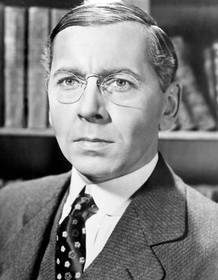
Alexander Knox
Max W. Wharton

Lee Patrick
Mrs. Foley

Irene Dunne
Paula 'Polly' Wharton
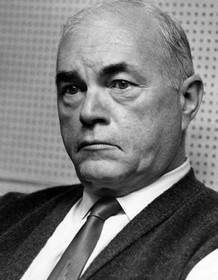
James Flavin
Captain (uncredited)

David Bond
Secretary (uncredited)

Charles Coburn
Robert Drexel Gow
Loren Tindall
Lt. Roy Lupton
Gladys Blake
Girl (uncredited)
Jeff Donnell
Jan Lupton
Franklyn Farnum
Graduation Ceremony Spectator (uncredited)
Phil Brown
Frank MacDougal
Marilyn Johnson
Officer Candidate's Wife (uncredited)
Michael Owen
Officer Candidate (uncredited)
John James
Paulsen - Officer Candidate (uncredited)
Charles Evans
Colonel Foley
Cosmo Sardo
Gow's Barber / Masseur (uncredited)
George Peters
Officer Candidate (uncredited)
Patricia Jackson
Officer Candidate's Wife (uncredited)
Bess Flowers
Woman in Gow's Outer Office (uncredited)
Chuck Hamilton
Lieutenant (uncredited)
Forbes Murray
Meredith (uncredited)
Pierre Watkin
Joel I. Nixon (uncredited)
Adele Roberts
Mrs. Collins (uncredited)
Lillian Bronson
Elsie - Paula's Secretary (uncredited)
Brooks Benedict
Man in Gow's Outer Office (uncredited)
Cora Witherspoon
Mrs. Gates
Charles Marsh
Howell (uncredited)
George M. Carleton
Hinkle (uncredited)
Robert Emmett Keane
Ed Kennedy (uncredited)
Dan Stowell
Male Secretary (uncredited)
Robert B. Williams
Taxi Driver (uncredited)
Billy Lechner
Little Boy (uncredited)
George Bruggeman
Lieutenant (uncredited)
Douglas Henderson
Officer Candidate (uncredited)
Jo Gilbert
Officer Candidate's Wife (uncredited)
Abigail Adams
Officer Candidate's Wife (uncredited)
Anne Loos
Mrs. Dumbrowski (uncredited)
Carole Mathews
Officer Candidate's Wife (uncredited)
William Hudson
Officer Candidate (uncredited)
Jean Stevens
Mrs. Greenberg (uncredited)
Wallace Pindell
Publicity Man (uncredited)
Francine Ames
Officer Candidate's Wife (uncredited)
Charles Schaeffer
Athletic Instructor (uncredited)
Nanette Parks
Mrs. Clark (uncredited)
Bob Meredith
Officer Candidate (uncredited)
LeRoy Taylor
Lieutenant (uncredited)
External Links and Streaming Options
Discover where to watch Over 21 online, including streaming platforms, rental options, and official sources. Compare reviews, ratings, and in-depth movie information across sites like IMDb, TMDb, Wikipedia or JustWatch.





Take the Ultimate Over 21 Movie Quiz
Challenge your knowledge of Over 21 with this fun and interactive movie quiz. Test yourself on key plot points, iconic characters, hidden details, and memorable moments to see how well you really know the film.
Over 21 Quiz: Test your knowledge of the 1945 film Over 21 with these ten mixed‑difficulty questions.
What is the name of the New York Bulletin's owner who reacts angrily to Max's resignation?
Full Plot Summary and Ending Explained for Over 21
Read the complete plot summary of Over 21, including all major events, twists, and the full ending explained in detail. Explore key characters, themes, hidden meanings, and everything you need to understand the story from beginning to end.
At the New York Bulletin, its owner Robert Drexel Gow is livid when a teletype arrives announcing that the paper’s thirty-nine-year-old editor, Max W. Wharton, is resigning to enlist in the army. The news comes with a second teletype about Max’s wife, the celebrated novelist Paula ‘Polly’ Wharton, who is in Hollywood adapting her newest book into a screenplay. Gow’s anger isn’t just about the resignation—he believes that without Max, the newspaper itself might fold, because Max is, in effect, the heartbeat of the publication.
From Hollywood, Paula phones Max to offer congratulations, and her voice carries both pride and concern. She decides to follow him to the military world, choosing to relocate wherever the officer’s candidate school might lead, driven by a desire to support her husband and to witness this journey firsthand. The couple’s sense of duty is clear, even as their personal life shifts under the strain of impending separation and new responsibilities.
After basic training, Max sends Paula a telegram with the news: the officer’s candidate school is at Tetley Field, Florida. Paula makes the trip, arriving in Palmetto Court and seeking bungalow 26D, where she meets the last tenant, Jan Lupton. Jan fills her in on life at Tetley—paraphrasing a hard-won maxim that life for the enlisted is relentless, filled with long days and constant drills. Jan also hints at the social blur between the base and the town, where friends and relatives shift into a support network that can be as demanding as the training itself. Paula and Jan swap stories about the harsh realities, the close bonds that form among soldiers’ families, and the adjustments required when a loved one steps into a world of orders and uniforms.
Max makes a surprise appearance shortly after Paula’s arrival. The reunion is warm and hopeful, yet practical concerns quickly take the foreground. They discuss the road ahead: Max’s struggle to balance intense study with his public commitment to the paper, and Paula’s wish to be supportive while navigating a different kind of life from the one she has known as a writer. Max’s determination to gain credible, real-world insight into war—so the newspaper can report with authority—conflicts with his growing awareness of the personal toll such a path may take on their marriage and on Paulie’s own ambitions and happiness.
The couple’s budding routine is interrupted when Robert, the editor-publisher, calls again, this time with urgent questions about the newspaper’s future. Paula interjects, defending Max’s time and space, and she calmly—but firmly—tells Robert not to disturb him during this crucial period of training. This moment underscores a rift between professional expectations and personal loyalty, setting the tone for the delicate dance they must perform as they navigate duty, marriage, and ambition.
Weeks roll by as Max and Paula settle into their new lives. Paula handles the daily chores of military family life—household duties, errands, and the emotional work of staying close to a husband who is continually immersed in learning and preparation. Max, ever hungry for knowledge, devotes what free moments he has to cramming in more information, pushing through exhaustion in his quest to absorb skills and insights that could shape his future reporting and the paper’s voice when the war finally arrives.
On base, Max is approached by [Paulson], a fellow member of Tetley Field’s military press ecosystem, who explains that Max’s growing fame as the “most famous recruit” could become a story for the base newspaper, Tetley Field Sentinel. Max hesitates, not wanting to overstep or neglect his duties, but the invitation to shape a narrative about himself lingers, adding another layer to the ethical question of journalism during wartime.
A formal call comes when Colonel [Foley] arrives to discuss Max’s status and the ongoing work of the unit. The Colonel mentions personal connections—namely that his wife and mother-in-law are admirers of Paula Wharton and plan to drop by the bungalow later in the day. The note is delivered with a blend of warmth and professional curiosity, hinting at the social complexities that can accompany a home front moved by war. The Colonel also alludes to Mrs. Gates’ past encounter with Paula, a reminder that rumors and relationships can ripple just as strongly as orders through the lives of those stationed at Tetley Field.
As Max grapples with the demands of schooling, duty, and journalism, the couple’s dynamic deepens—each striving to support the other while staying true to their own paths. The narrative continues to weave between the stern discipline of basic training and the intimate, hopeful moments of reunion, illustrating how war-era life tests the bonds of marriage and the integrity of a newsroom eager to tell the truth.
Throughout this period, the film examines themes of duty, adaptability, and communication. It offers a window into how families navigate separation, how soldiers’ spouses balance their own aspirations with support for their partners, and how a newspaper with a storied legacy seeks to remain credible and relevant when the country is stepping into a wartime future. The story remains grounded in the everyday realities of Tetley Field and Palmetto Court, showing how two strong-willed individuals—Max and Paula—try to chart a course that honors both their public responsibilities and their private commitments, even as new challenges and relationships unfold around them.

Coming soon on iOS and Android
The Plot Explained Mobile App
From blockbusters to hidden gems — dive into movie stories anytime, anywhere. Save your favorites, discover plots faster, and never miss a twist again.
Sign up to be the first to know when we launch. Your email stays private — always.
Explore the mobile appDiscover Film Music Concerts Near You – Live Orchestras Performing Iconic Movie Soundtracks
Immerse yourself in the magic of cinema with live orchestral performances of your favorite film scores. From sweeping Hollywood blockbusters and animated classics to epic fantasy soundtracks, our curated listings connect you to upcoming film music events worldwide.
Explore concert film screenings paired with full orchestra concerts, read detailed event information, and secure your tickets for unforgettable evenings celebrating legendary composers like John Williams, Hans Zimmer, and more.


Over 21 Themes and Keywords
Discover the central themes, ideas, and keywords that define the movie’s story, tone, and message. Analyze the film’s deeper meanings, genre influences, and recurring concepts.

Unlock the World of Movies with Our Comprehensive Wiki
Dive into our Movie Wiki for in-depth film encyclopedia entries, including cast biographies, production trivia, plot synopses, behind-the-scenes facts, and thematic analyses. Whether you’re researching iconic directors, exploring genre histories, or discovering hidden easter eggs, our expertly curated movie database has everything you need to fuel your cinematic passion.
Similar Movies To Over 21 You Should Know About
Browse a curated list of movies similar in genre, tone, characters, or story structure. Discover new titles like the one you're watching, perfect for fans of related plots, vibes, or cinematic styles.





Quick Links: Summary, Cast, Ratings, More

What's After the Movie?
Not sure whether to stay after the credits? Find out!
Check out our other apps:

SAT Sphere
Build confidence for the Digital SAT.

Mori Atlas
Discover wild places worth protecting.

Luntero
Search smarter for a home in Amsterdam.

Plot Explained
Unravel movie endings and hidden clues.

Pokechamp
Dive into Pokémon data and battle logic.

Driving Theory
Get ready for your European theory test.

Movie Dust
Plan your next cinema trip with ease.

Musemap
Find art and culture as you travel.

Selkobase
Compare credentials before committing.

Local Manual
Turn an unfamiliar country into practical next steps.

Lernavi
Compare school systems before your next move.

GymRoam
Find a workout stop wherever your plans take you.
Explore Our Movie Platform
New Movie Releases (2026)
Famous Movie Actors
Top Film Production Studios
Movie Plot Summaries & Endings
Major Movie Awards & Winners
Best Concert Films & Music Documentaries
Movie Collections and Curated Lists
© 2026 What's After the Movie. All rights reserved.
Privacy Policy