What Is Onibaba About?
The premise of Onibaba in 292 words, with nothing given away. The full story follows below.
In a wind‑swept marshland on the edge of a war‑torn province, life clings to the thin line between desperation and survival. The year is the mid‑fourteenth century, a time when armies drift across the countryside like restless storms, leaving villages hollowed out and supplies scarce. Against this bleak tableau, the film glides with a hushed, almost ritualistic rhythm, its muted palette and echoing reeds drawing the viewer into a world where every breath feels heavy with unpaid debts and unspoken fears.
At the heart of the story are two women bound by blood and circumstance. The older woman—a matriarch hardened by loss—keeps the household together after her son departs for battle. Beside her, the younger woman, his wife, shares the daily grind of turning the marsh’s harsh gifts into whatever sustenance they can barter. Their fragile equilibrium is unsettled by the return of Hachi, a neighbor who has survived the same conflict. The quiet tension between duty, longing, and the unrelenting need to endure begins to braid the three lives together, hinting at desires that surface beneath the surface of routine.
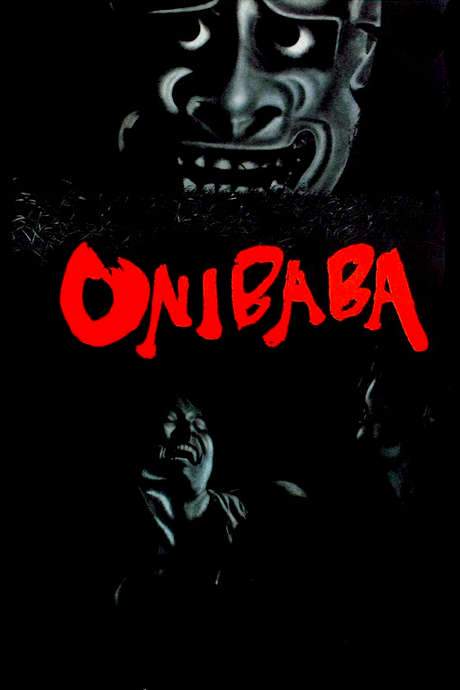
The atmosphere thickens as the women grapple with jealousy and the restless whisper of change. In an attempt to assert control, the older woman employs a stark, ritual mask taken from a fallen warrior, using its ominous presence to frighten and dominate the shifting dynamics. The mask becomes a symbol of the unseen forces that shape their world—war, scarcity, and the primal urge to protect what remains. As the marsh swallows the light and the night grows louder, the film leaves the audience perched on the edge of a tension that feels both ancient and intimately human, inviting speculation about how far one will go to safeguard love, honor, and survival.
What Happens in Onibaba?
The complete story of Onibaba, from the first scene to the last, in 939 words (about 4 minutes). Spoilers throughout. Names in the text link to 5 cast member pages.
Spoilers ahead
In a rugged landscape near Kyoto, Japan, during the mid‑14th century and at the dawn of the Nanboku-chō period, the film threads a stark, somber tale rooted in war, hunger, and fragile human ties. It opens with two fleeing soldiers being ambushed in a vast field of tall reeds, where an older woman and her young daughter‑in‑law murder them and toss their bodies into a deep, hidden pit. The next day, the two women haul the fallen armor and weapons to a local merchant named Ushi, trading their loot for food. The encounter with Ushi unfurls a microcosm of the era’s desperation—news of ongoing conflict, disrupted livelihoods, and a society that keeps marching forward, even as individuals falter under its pressures.
Ushi’s stall becomes a crossroads where danger and desire collide. After the trade, the older woman voices a sharp warning as she rebuffs a sexual proposition from the merchant, underscoring the precarious balance between survival and moral compromise. A neighbor named Hachi, who has been off at war, returns to the area, stirring old loyalties and new temptations. The two women question him about Kishi, who had been their son and younger woman’s husband, and who was drafted along with Hachi. Hachi reveals that they deserted the war, and that Kishi was later killed after they were caught stealing food from farmers. The older woman’s protective instincts flare as she warns the younger woman to keep her distance from Hachi, blaming him for her son’s death.
Despite the warning, a gossamer thread of attraction begins to pull the younger woman toward Hachi. She secretly answers that pull, slipping away every night to the hut where he resides, where their clandestine meetings become physical. The older woman watches with a blend of anger and jealousy as the affair takes shape. Her attempts to intervene are thwarted when she herself tries to seduce Hachi, only to be curtly rejected. Desperate to preserve her household’s quiet, she pleads with him not to lure her daughter‑in‑law away, insisting that she cannot continue to survive by killing and robbing passing soldiers without her help.
Then a nightmarish event intrudes on the fragile peace: a lost samurai, wearing a fearsome Hannya mask, forces the older woman to guide him out of the field. He explains that the mask protects his painfully handsome face from harm. In a cruel twist, she deceives him into stepping into the pit where their victims disappear, ensuring his death. Down in the pit, she claims the samurai’s possessions and, with great effort, wrests the mask from him, exposing a face so grievously scarred that it seems a punishment in itself.
Once more the night unsettles the village. The younger woman tries to reach Hachi, but the older woman blocks her path, dressed in the samurai’s robes and the Hannya mask, a terrifying symbol that seems to confirm the demonish rumor she’s been stoking. By day, she reinforces the tale, convincing the younger woman that the “demon” is a punishment for her affair with Hachi. The younger woman guards her secrets during daylight, but she continues to seek him by night. During a thunderstorm the older woman terrifies the younger woman again with the mask, yet Hachi, weary of being ignored, finds the younger woman and makes love to her in the grass while the mother‑in‑law watches in silence.
As the affair deepens, the older woman confronts a dawning realization: her daughter‑in‑law’s desire for Hachi cannot be extinguished. Returning to his hut, Hachi is suddenly stabbed by another deserter who steals his food, and the dream of reconciliation sinks into a harsher reality. The older woman learns that rain has made the mask impossible to remove; she confesses her scheme to her daughter‑in‑law and pleads for help in taking off the mask. The younger woman agrees to attempt removal, provided the older woman stops meddling in their relationship. Yet the attempt ends in tragedy: the mask cannot be pulled off, and the younger woman shatters it with a mallet, revealing the disfigured face of the older woman beneath.
What follows is left largely to interpretation, as the film hints at supernatural punishment but never fully explains its origin. The mask’s curse seems to bind itself to the wearer through the power of rain, a Buddhist-inflected symbol of consequence and justice. The younger woman, convinced that her mother‑in‑law has transformed into a demon, flees in terror. The older woman chases after, crying that she remains human and remembers her humanity. In a final, bleak reversal, the young woman leaps over the pit, and as the older woman lunges after her, the film closes on their fates intertwined in a field that has long concealed the secrets of war, guilt, and punishment.
- Hachi emerges as a crucial figure whose presence rekindles desire amidst war’s wreckage, presenting a fragile anchor for the younger woman while intensifying the older woman’s possessive fear.
- Young Woman is drawn into a dangerous romance that tests loyalties and exposes the fragility of human trust when survival trumps propriety.
- Older Woman drives much of the action through jealousy, cunning, and an insistence on control, only to have the truth of her own life reflected back as a cruel mask.
- Ushi acts as a catalyst in the film’s early scenes, embodying the era’s harsh economics and the rough sexual dynamics that occur at the margins of grace and greed.
- The Samurai appears as a terrifying, almost spectral figure whose encounter with the women anchors the film’s central motif: the mask as both protection and punishment, a symbol that threads through the narrative’s violence and ambiguity.
Onibaba Timeline: Every Key Event in Order
14 key events in the order they happen, from “Ambush in the reeds” to “The chase and the ending”. 14 events name a place, across 13 locations.
- 1
Ambush in the reeds
The two fleeing soldiers are ambushed in a tall reed field near Kyoto as the Nanboku-chō period begins. An older woman and her daughter-in-law murder them, stripping off armor and weapons before disposing of the corpses in a deep hidden pit. The brutal act sets the grim dynamic of theft and murder that fuels the rest of the film.
When:shortly after the Battle of Minatogawa (mid-14th century) Where:field of tall reeds, near Kyoto
- 2
Looting and burial
The two women haul away the fallen soldiers’ armor and weapons, keeping what they salvage for themselves. They drop the bodies into the concealed pit, showing a pragmatic, merciless approach to danger and hunger. The act underscores how war’s chaos informs their daily choices.
When:same day as ambush Where:field with hidden pit
- 3
Trade with Ushi
The next day they present the armor to a merchant named Ushi, trading it for food and supplies. Ushi warns of the war’s spreading desperation across the countryside and then makes a crude sexual proposition to the older woman, which she rebuffs. The encounter reveals the fragile moral boundaries they navigate in a war-torn landscape.
When:daytime, after the ambush Where:Ushi's market stall
- 4
Reappearance of Hachi and revelation about Kishi
A neighbor named Hachi returns from the war and the women ask about Kishi, the older woman's son and the younger woman’s husband who was conscripted. Hachi reveals they deserted, and that Kishi was later killed after they were caught stealing food from farmers. The older woman blames Hachi for her son's death, deepening the tension between them.
When:the following day Where:village outskirts/near field
- 5
Nightly affair begins
Despite warnings, the younger woman begins sneaking out at night to visit Hachi and becomes entangled in an affair. The older woman reacts with anger and jealousy, trying to maintain control over her daughter-in-law. Their tense dynamic deepens as desire clashes with fear and guilt.
When:night Where:Hachi’s hut/outskirts
- 6
The masked samurai appears
A lost samurai arrives wearing a Hannya mask and forces the older woman to guide him out of the field. He claims the mask protects his handsome face from harm. She lures him toward danger, keeping him in the field and away from other travelers.
When:night Where:field path
- 7
The trap and the mask
She tricks the samurai into falling into the pit and retrieves his possessions, including the mask, revealing his disfigured, weather-beaten face. The discovery of the mask underscores the superstition and danger surrounding the wearer. The forces of guilt and power shift as she gains a new, dangerous tool.
When:night Where:pit in the field
- 8
The mask as a weapon of fear
At night the older woman dons the samurai’s robes and mask to block the younger woman’s path, frightening her into retreat. The younger woman is terrified, increasing the threat of the 'demon' she fears. The household atmosphere grows more claustrophobic as fear governs action.
When:night Where:path by the field
- 9
Daytime punishment and avoidance
During the day the older woman reinforces the demon punishment narrative for the younger woman’s affair with Hachi. The younger woman avoids Hachi during daytime but continues to seek him at night, showing how the power imbalance persists. The tension escalates as manipulation replaces honest communication.
When:daytime and night cycles Where:field and hut vicinity
- 10
Stormy encounter and sexual rendezvous
In a rainstorm, the older woman again terrifies the younger with the mask, but Hachi seeks out the younger woman anyway and they make love in the grass. The older woman watches, powerless to prevent their bond. The scene intensifies the younger woman’s attachment to Hachi and deepens the wedge with her mother-in-law.
When:during a storm Where:outdoors by the field
Show the other 4 events of Onibaba Hide the last 4 events
- 11
Hachi’s death
Hachi returns to his hut only to be felled by a deserter who steals his food and stabs him. The murder highlights the brutal volatility of the war-torn environment and underscores how insecurity drives the characters’ actions. The older woman learns of his death and the fragile power the mask had granted her is threatened.
When:later the same day Where:Hachi’s hut
- 12
The mask’s curse revealed
After getting wet in the rain, the mask cannot be removed, so the older woman reveals the plan she had hatched to the younger woman and pleads for help to remove it. The younger woman agrees to help only if the older promises not to interfere with her relationship with Hachi any longer. The exchange marks a turning point in their fragile alliance.
When:following days Where:field and hut vicinity
- 13
The removal attempt and consequences
The younger woman helps attempt to remove the mask; when the older woman’s plan is executed, the mask is broken with a mallet, revealing the older woman’s disfigured face. The act implies that the mask’s curse is real, binding itself to its wearer through the rain’s metaphysical punishment. The two women confront the consequences of their actions.
When:immediately after removal attempt Where:field/hut area
- 14
The chase and the ending
Believing the 'demon' remains real, the younger woman flees, while the older woman pursues in a desperate attempt to reclaim her legacy. The two leap toward the edge and tumble into the pit; the film ends with the fate of both women unclear as the scene fades. The ending emphasizes cycles of violence and the ambiguous humanity within them.
When:final chase Where:pit edge near the field
Who Are the Main Characters in Onibaba?
8 characters, among them Hachi (Kei Satô), Ushi (Taiji Tonoyama) and Old Woman (Nobuko Otowa): who each one is and the part they play in the story. Every profile links to the actor’s page.
-
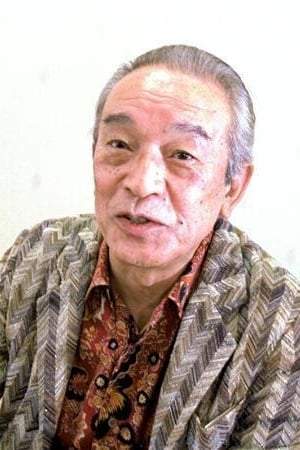
Hachi (Kei Satô)
Played by Kei Satô
A weary veteran who returns from war and is drawn to the younger woman. His desire clashes with the older woman's warnings, driving a love triangle that exposes the fragility of loyalty in a war-torn landscape. He meets a violent end at the hands of a later deserter, highlighting the perilous randomness of this world.
- ⚔️ Soldier
- 💘 Desire
- 🗣️ Charismatic
-
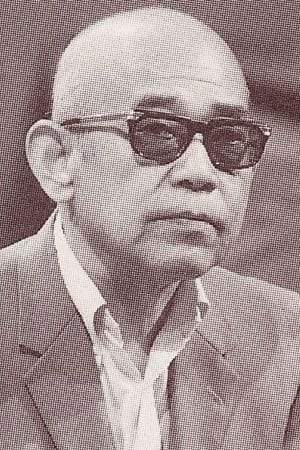
Ushi (Taiji Tonoyama)
Played by Taiji Tonoyama
A shrewd merchant who buys loot from dead soldiers and trades it for food, becoming a conduit for news about the war’s brutality. His feasts on information and barter reflect a society driven to barter survival at the edge of civilization.
- 🧭 Merchant
- 🍲 Food source
- 🗒️ News conduit
- OW
Old Woman (Nobuko Otowa)
Played by Nobuko Otowa
The older woman is protective of her daughter-in-law and is willing to manipulate others to keep her rival close. Her jealousy pushes her to scheme and even wear the samurai’s disguise to scare away the younger woman. The film hints at a monstrous power that resides in her determination.
- 👵 Matriarch
- 💢 Jealousy
- 🗡️ Ruthless
- YW
Young Woman (Jitsuko Yoshimura)
Played by Jitsuko Yoshimura
The younger wife who pursues a forbidden relationship with Hachi, sneaking to his hut at night. Her desire collides with her mother-in-law’s control, driving the central conflict. Her actions propel the plot toward the culmination of the tragedy.
- 💃 Young Woman
- ❤️ Forbidden Love
- 🕊️ Secretive
- TS
The Samurai (Jūkichi Uno)
Played by Jūkichi Uno
A deserter wearing a Hannya mask who is guided by the older woman out of the field. His mask hints at a hidden, deformed face and precipitates a chain of deadly events as he meets his fate in the pit.
- 🗡️ Samurai
- 🎭 Masked
- 🕊️ Fate
- RW
Runaway Warrior (Someshō Matsumoto)
Played by Someshō Matsumoto
A deserter encountered in the war-torn landscape, adding danger to the field where the two women extract resources. His presence heightens the sense of precarious survival and violence.
- ⚔️ Deserter
- 🌾 Survivor
- 🪖 War-weariness
- RW
Runaway Warrior (Kentarô Kaji)
Played by Kentarô Kaji
Another deserter who raids for food and contributes to the film’s tragic arc, including the assault that ends Hachi’s life. His presence underscores the indiscriminate brutality of war.
- ⚔️ Deserter
- 🗡️ Violence
- 🕳️ Consequences
- SW
Samurai with Blood (Michinori Yoshida)
Played by Michinori Yoshida
A disfigured samurai whose blood-streaked presence and broken mask symbolize the physical and moral scars of battle. He embodies the theme of appearance versus reality and the consequences of violence.
- 🗡️ Samurai
- 🩸 Blood
- 💀 Fate
Where and When Is Onibaba Set?
Onibaba is set in Field of tall reeds near Kyoto and Japan (Mid-14th century). Here is why the time and place matter to the story.
When
Mid-14th century
Set at the dawn of the Nanboku-chō period, the story follows a country torn by ongoing warfare after the Battle of Minatogawa. Desperation drives people to raid fallen soldiers and barter loot for food. The era’s instability shapes every choice, from infidelity to survival schemes, and frames the looming sense of doom.
Where
Field of tall reeds near Kyoto, Japan
The film unfolds in a vast field of tall, thick reeds near Kyoto, creating a secluded, claustrophobic setting perfect for ambushes and whispered exchanges. The environment is a liminal space between the war outside and the two women’s perilous economy inside. The reeds provide concealment for the bodies and for the growing tension between characters.
- ❄️ Reeds
- 🗺️ Kyoto region
- 🏞️ Rural landscape
What Are the Themes of Onibaba?
3 ideas the story keeps returning to, among them Desperation, Forbidden Love and Masks and Reality.
-
01
Desperation
War leaves people hungry and morally flexible, pushing characters to raid corpses and barter for sustenance. The two women exploit the chaos to survive, blurring lines between victim and culprit. The constant threat of violence underscores how survival overrides ethics.
-
02
Forbidden Love
Hachi’s nocturnal visits to the younger woman ignite a romance that clashes with the older woman's control. Jealousy and fear fuel manipulation, turning affection into a weapon in a world where trust is scarce. The relationship becomes a catalyst for tragedy and betrayal.
-
03
Masks and Reality
A lost samurai wearing a hannya mask becomes a symbol of punishment and deception that haunts the characters. The mask’s grip on identity blurs lines between demon and man, especially as it inevitably binds itself to its wearer. The ending leaves the truth about the mask’s origin enigmatic.
What Kind of Film Is Onibaba?
Dark in tone, with slow pacing and a moderate story, going by the plot summary.
- Tone
- Dark
- Pacing
- Slow
- Story
- Moderate
- Intensity
- High
- Ending
- Bleak
A grim and oppressive slow-burn folk horror that immerses the viewer in a desperate, swampy landscape where moral decay and supernatural dread intertwine, culminating in a bleak and punishing conclusion.
- grim
- claustrophobic
- anxious
- oppressive
- somber
- eerie
- survival
- jealousy
- folklore
- moral decay
Content notes: intense violence, sexual content, murder, disfigurement, psychological manipulation.
Quiz
How well do you remember Onibaba? Test yourself on the story.
Where to Watch Onibaba
Stream it on HBO Max, or rent or buy it from Amazon Video and Apple TV Store. US availability and prices from JustWatch.
Stream 2
 HBO Max
  HBO Max Amazon Channel




Streaming availability in the US, powered by