

What Is One Minute to Zero About?
The premise of One Minute to Zero in 309 words, with nothing given away. The full story follows below.
In the tense hours before the North Korean incursion into the South, a fragile world teeters on the brink of chaos. The Korean peninsula, already scarred by recent history, becomes a stage where international hope collides with stark military reality. A United Nations relief effort strives to shepherd civilians to safety, embodying a belief that global opinion can still sway the tide of violence. The atmosphere is heavy with the hum of helicopters, distant artillery drills, and the uneasy whisper of diplomats debating the cost of inaction.
Linda Day arrives as the embodiment of that idealism, a determined UN worker whose conviction that humanity can be saved through concerted effort fuels the mission. Across the same battlefield, Col. Steve Janowski stands as its pragmatic counterweight—a seasoned American officer accustomed to the hard edges of combat. Their first encounters crackle with friction, each questioning the other’s worldview: she clings to diplomatic optimism, he measures survival in concrete terms. Alongside them, Sfc. Baker provides the gritty, ground‑level perspective of a soldier hardened by training, while Col. Joe Parker adds an air‑force tactician’s strategic eye to the mix.
The film’s tone is a blend of stark realism and lingering melancholy, underscored by a muted colour palette that mirrors the overcast skies of a war‑torn landscape. Dialogue drips with weary sarcasm and reluctant respect, hinting at deeper bonds forming under fire. The characters navigate a moral maze where personal convictions are tested against the relentless pressure of an advancing enemy, and where love blossoms in the shadows of uncertainty.
Against this backdrop, the narrative pulses with an urgent, almost breath‑holding rhythm. Every decision feels like a gamble, every interaction a chance to glimpse humanity amid the machinery of war. The story promises a compelling exploration of duty, sacrifice, and the fragile thread that ties hope to survival, all while the world watches—and waits.
What Happens in One Minute to Zero?
The complete story of One Minute to Zero, from the first scene to the last, in 460 words (about 2 minutes). Spoilers throughout. Names in the text link to 4 cast member pages.
Spoilers ahead
Just before the North Korean invasion of South Korea, Col. Steve Janowski, Robert Mitchum, and Sfc. Baker Charles McGraw train South Korean soldiers to use a bazooka and stop an advancing tank, setting a tense tone for the conflict to come. On the frontline, Linda Day, Ann Blyth, a United Nations worker aiding refugees, arrives with a hopeful belief in world opinion’s power to avert catastrophe, while Janowski offers a blunt counterpoint about history’s harsher lessons. He bluntly challenges Day’s faith in global sentiment, asking if world opinion ever prevented genocide, a line that frames the moral clash at the heart of the film.
As the threat grows, Janowski and the evacuation effort expand to include Col. Joe Parker, William Talman, an Air Force officer who joins the operation. Day’s presence complicates the mission, and a wary romance begins to form between the hard-edged soldier and the mission-driven UN worker, further deepened by Day’s status as the widow of a Medal of Honor recipient. The narrative tightens around a brutal dilemma when a refugee column is infiltrated by armed North Korean guerrillas, forcing Janowski to order an artillery strike that destroys part of the convoy. Day first condemns the civilian casualties, but after learning the necessity of preventing a worse calamity and realizing Janowski’s accuracy, she makes amends, acknowledging the painful sacrifices required in war.
The action crescendos into a hard-won counteroffensive led by American forces, with meaningful nods to allied help that underscore a broader coalition. The film explicitly highlights the contributions of the British Army and the Royal Australian Air Force, presenting them as essential partners in a global effort where every nation has a stake. The closing note reinforces a shared fate and collective resolve, underlining the idea that by standing together, nations can face overwhelming odds. The story blends military strategy with human emotion, showing how fear, duty, and mercy collide on a battlefield where every decision can temper or shatter lives. > Isn’t this where we came in? > It’s even Sunday morning! In the end, the film leaves viewers with a sober reflection on the cost of war and the quiet courage of those who shoulder its burden, all while reminding us that the world’s united response is more powerful than any single nation.
The cast embodies these stakes through defined, memorable figures: Robert Mitchum as Col. Steve Janowski, Charles McGraw as Sfc. Baker, Ann Blyth as Linda Day, and William Talman as Col. Joe Parker, among others who anchor the narrative with presence and purpose. The story remains lean in its core, yet expansive in its implications, balancing intimate moments with battlefield urgency, and always returning to the central question of how much of humanity we are willing to risk for the sake of others.
One Minute to Zero Timeline: Every Key Event in Order
12 key events in the order they happen, from “Pre-invasion training and defense preparations” to “War’s cost and lasting bond”. 12 events name a place, across 12 locations.
- 1
Pre-invasion training and defense preparations
Just before the North Korean invasion, Colonel Steve Janowski and Sergeant Baker train South Korean soldiers to use a bazooka against an armored threat. They also prepare evacuation plans and reinforce defenses around refugees. The scene establishes the urgency and the stakes of what is about to unfold.
When:Just before invasion Where:South Korea frontline training area
- 2
Warning and skepticism about world opinion
Janowski warns Linda Day to leave the area as hostilities loom. Day doubts that world opinion would deter aggression, arguing that diplomacy can be unreliable. Their difference in perspective foreshadows the difficult choices ahead.
When:Just before invasion Where:UN refugee camp vicinity
- 3
The attack begins
The area comes under sudden attack as the invasion starts. Janowski and Parker wake to combat and compare the assault to Pearl Harbor, underscoring the suddenness and severity of the threat. The morning attack sets the crisis in motion.
When:Morning of invasion Where:Frontline zone, South Korea
- 4
Janowski takes command to evacuate
Janowski assumes leadership to organize the evacuation of Americans and refugees under fire. He coordinates units and makes hard calls to move people to safety despite the danger. His action anchors the film’s humanitarian focus.
When:Early during the initial assault Where:Evacuation corridors, frontlines
- 5
Day and Janowski cross paths and fall in love
As the crisis deepens, Day and Janowski repeatedly cross paths and grow close. Their relationship is complicated by Day’s status as the widow of a Medal of Honor recipient, adding emotional tension to the military stakes. The romance offers a human counterpoint to the warfare.
When:During evacuation Where:Evacuation routes and field locations
- 6
An infiltrated refugee column demands artillery
A refugee convoy is infiltrated by armed North Korean guerrillas, forcing Janowski to call in an artillery strike. He is haunted by civilian casualties caused by the action, recognizing the moral cost of military necessity. The event tests his leadership and Day’s trust.
When:During the convoy encounter Where:Refugee convoy route
- 7
Day condemns and learns the reason
Day initially condemns the killings as civilian casualties, questioning the necessity of the strike. After learning the strategic reason behind Janowski’s decision, she understands that he was right and acknowledges the difficult judgment he faced. Their conflict gives way to grudging respect.
When:Immediately after the strike Where:Field location near evacuation route
- 8
Apology and deepening bond
Day apologizes to Janowski once she understands the need for the strike, and their bond deepens amid the ongoing danger. The moment reinforces a personal narrative within the larger war effort. It also reinforces themes of forgiveness and shared purpose.
When:Post-strike Where:Evacuation zone
- 9
Counteroffensive and leadership
Janowski leads a successful American counteroffensive against the North Koreans, coordinating fire support and maneuver. His leadership helps stem the attack and restore some momentum to the evacuation effort. The victory marks a turning point in the local battlefield.
When:During the counteroffensive Where:Frontline operations area
- 10
Allied support acknowledged
The film highlights contributions from the British Army and Royal Australian Air Force as key evidence that 'the whole world' is in this together. Their involvement is framed as crucial to the defense and relief effort. The sense of international solidarity reinforces the film’s humanitarian message.
When:Throughout the campaign Where:Operational theatre, multiple locations
- 11
Continued evacuations and relief
With the counteroffensive underway, evacuations continue and refugees are moved to safer areas. The cooperation among allied forces keeps the operation moving, despite ongoing threats. The sequence emphasizes resourcefulness and resilience in crisis.
When:During and after counteroffensive Where:Evacuation corridors and safe havens
- 12
War’s cost and lasting bond
Even as the offensive progresses, the film underscores the heavy costs of war on civilians and soldiers alike. Janowski and Day’s romance endures amid the chaos, signaling personal resilience. The closing tone ties personal sacrifice to the broader wartime alliance.
When:Post-major battles Where:Frontline and field hospital settings
Who Are the Main Characters in One Minute to Zero?
10 characters, among them Sfc. Baker (Charles McGraw), Col. Steve Janowski (Robert Mitchum) and Linda Day (Ann Blyth): who each one is and the part they play in the story. Every profile links to the actor’s page.
-
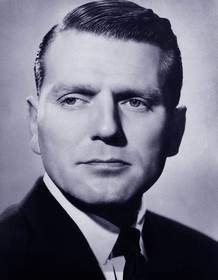
Sfc. Baker (Charles McGraw)
Played by Charles McGraw
A hard-edged, battle-tested sergeant who commands frontline troops and helps train South Korean soldiers. He is pragmatic, sometimes remorseful about civilian casualties, and willing to take difficult actions to stop an enemy advance. His leadership and blunt honesty anchor the unit's morale under pressure.
- ⚔️ Soldier
- ⚖️ Moral conflict
- 🛡️ Leadership
-
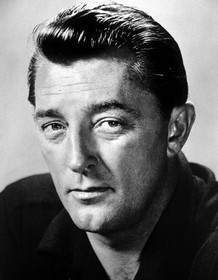
Col. Steve Janowski (Robert Mitchum)
Played by Robert Mitchum
A World War II veteran and decisive commander who assumes control during a surprise attack. He balances strategic urgency with care for refugees, and his romantic tension with Linda Day adds personal stakes. His measured, fearless approach under fire defines the film’s core leadership arc.
- 🎖️ Leadership
- ❤️ Romance
- 🌍 Global Outlook
- LD
Linda Day (Ann Blyth)
Played by Ann Blyth
A United Nations worker aiding refugees; She is wary of becoming involved with soldiers yet is drawn to Janowski. The relationship tests her sense of duty against personal attachment, revealing her resilience under pressure.
- 🌍 Humanitarian
- ❤️ Romance
- 🕊️ Peace
- CR
Capt. Ralston (Richard Egan)
Played by Richard Egan
A U.S. Army Captain who coordinates operations with ground forces and supports the evacuation effort. He provides a steady, capable presence in the chaotic frontline environment.
- 🎖️ Officer
- 🛡️ Coordination
- MC
Maj. Carter (Robert Gist)
Played by Robert Gist
A Major who assists in planning and operations, serving as a key ally to Janowski in executing defensive actions and coordinating resources under pressure.
- 🧭 Planner
- 🎯 Focus
- MP
Mary Parker (Margaret Sheridan)
Played by Margaret Sheridan
A civilian character appearing in the narrative; Her presence contributes to the civilian perspective within the wartime setting.
- 👥 Civilian
- 🕊️ Peace
- 💬 Dialogue
- CJ
Col. John Parker (William Talman)
Played by William Talman
A senior officer who collaborates with Janowski to coordinate evacuation and defense, embodying veteran leadership and strategic cooperation.
- 🎖️ Leadership
- 🛡️ Strategy
- 👥 Ally
- MD
Maj. Davis (Robert Osterloh)
Played by Robert Osterloh
A staff officer who supports operations and logistics, helping translate strategic plans into on-the-ground action under pressure.
- 🎯 Support
- 🧭 Logistics
- DG
Dr. Gustav Engstrand (Eduard Franz)
Played by Eduard Franz
A doctor treating refugees and wounded soldiers, providing a medical viewpoint on the human cost of war and the strain on healthcare in crisis zones.
- 🩺 Medical
- 🕊️ Compassion
- P"
Pvt. "Chef" Lane (Alvin Greenman)
Played by Alvin Greenman
An enlisted private whose presence adds realism to the frontline unit and underscores the varied makeup of soldiers in a tense theater.
- 🎖️ Rookie
- 🧭 Realism
Where and When Is One Minute to Zero Set?
One Minute to Zero is set in South Korea and Korean Peninsula (1950). Here is why the time and place matter to the story.
When
1950
Set at the outset of the Korean War, the story takes place just before the North Korean invasion begins. It then escalates to active hostilities as Allied forces mobilize. The period is marked by urgent military decisions and humanitarian concerns in a rapidly changing theater.
Where
South Korea, Korean Peninsula
The action unfolds in South Korea along the frontlines and refugee corridors as North Korean forces threaten invasion. The setting doubles as a staging and evacuation area where U.S., UN, and allied personnel coordinate. Civilians and soldiers converge, highlighting the human stakes of a rapidly evolving war.
- 🗺️ War zone
- 🛟 Refugees
- 🪖 Frontline
What Are the Themes of One Minute to Zero?
4 ideas the story keeps returning to, among them Moral Dilemma, Global Solidarity and Love in Wartime.
-
01
Moral Dilemma
War places Janowski in difficult positions where strategic goals collide with human cost. He orders an artillery strike on a refugee column to prevent a greater loss, a decision he regrets. Linda Day's reaction shows the conflict between idealistic humanitarianism and wartime pragmatism. The film uses this tension to question whether 'the greater good' justifies civilian casualties.
-
02
Global Solidarity
The narrative underscores that the conflict is not merely local but a global concern. The film explicitly credits the British Army and the Royal Australian Air Force, stating that 'the whole world' is 'in this together'. This sense of unity frames the war as a collective effort. The story suggests that international cooperation can influence even the most intense front-line battles.
-
03
Love in Wartime
Janowski's romance with Linda Day develops amid the chaos of conflict. Their relationship shows how personal bonds endure when nations are at stake. Day's background as the widow of a Medal of Honor recipient adds weight to her choices and the risks she takes. The romance anchors the emotional core of the story, giving the audience a human lens on war.
-
04
Leadership and Sacrifice
Janowski's leadership is decisive and pragmatic, guiding a mixed unit through danger. The film pairs brisk action with moments of restraint and reflection, underscoring the costs of decisions made under pressure. Sacrifices are depicted as necessary for mission success and civilian protection. The resolution reinforces why strong, principled leadership matters in crisis.
What Kind of Film Is One Minute to Zero?
Tense in tone, with fast pacing and a straightforward story, going by the plot summary.
- Tone
- Tense
- Pacing
- Fast
- Story
- Straightforward
- Intensity
- High
- Ending
- Bittersweet
A tense and grim war drama that delivers a sobering, fast-paced look at the brutal realities of combat and the heavy moral choices faced by soldiers and aid workers alike.
- tense
- grim
- sober
- urgent
- clashing
- somber
- korean war
- military evacuation
- civilian casualties
- moral dilemma
Content notes: war violence, civilian casualties, artillery bombardment.
Quiz
How well do you remember One Minute to Zero? Test yourself on the story.
Where to Watch One Minute to Zero
Rent or buy it from Amazon Video and Apple TV Store. US availability and prices from JustWatch.





Streaming availability in the US, powered by 


