What Is Nineteen Eighty-Four About?
The premise of Nineteen Eighty-Four in 298 words, with nothing given away. The full story follows below.
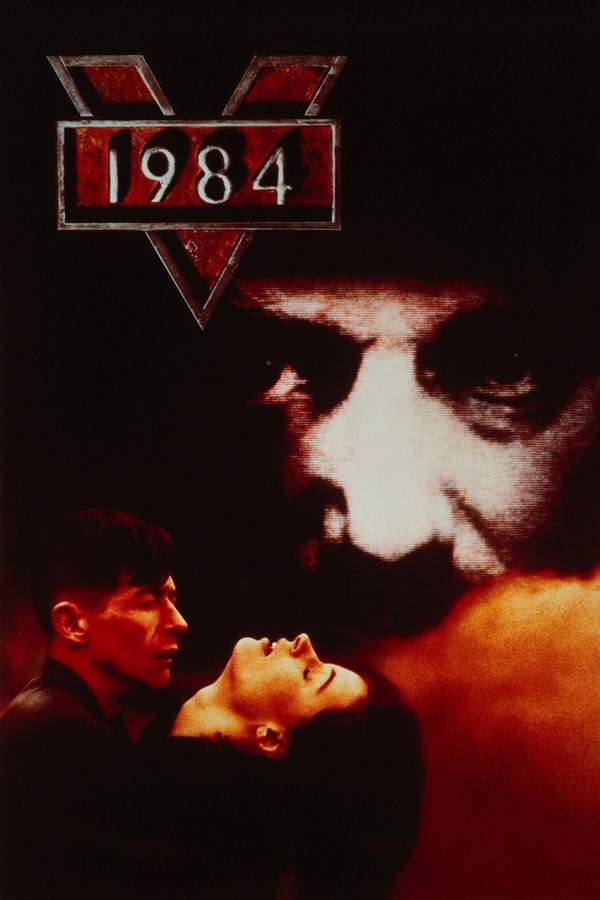
In a perpetually gray London that feels more like a surveillance‑laden workshop than a city, the world of Nineteen Eighty‑Four is built on the relentless authority of the Party. Massive posters of an unseen ruler stare down every street, while omnipresent telescreens turn ordinary moments into potential evidence. The Ministry of Truth looms as a monolithic office where history is not recorded but constantly rewritten, shaping a present that never quite aligns with any past. The film drapes this setting in muted colors and a chilly, oppressive soundscape, letting the audience feel the weight of a society that prizes conformity above all else.
At the heart of this austere landscape is Winston Smith, a diligent records‑alterer whose outward compliance masks a private yearning for something genuine. He navigates the tedious rhythm of his work with a quiet awareness that the world around him is being carefully manufactured. Beneath the surface of his daily routines, small acts of defiance—an unguarded thought, a hidden diary page—hint at a restless spirit unwilling to surrender completely to the Party’s narrative. Winston’s internal conflict is rendered with a subtle intensity, inviting viewers to sense the tension between outward obedience and inner rebellion.
The promise of change arrives in the form of a forbidden connection with Julia, a fellow employee whose boldness contrasts sharply with Winston’s caution. Their shared discontent blossoms into a secret romance that offers a fleeting glimpse of intimacy and freedom in a world designed to suppress both. The relationship becomes a quiet act of resistance, a whispered challenge to the absolute control the Party seeks to maintain. Together, they navigate the thin line between safety and subversion, their bond suggesting that even in the darkest of regimes, the human desire for love and truth can ignite a spark of hope.
What Happens in Nineteen Eighty-Four?
The complete story of Nineteen Eighty-Four, from the first scene to the last, in 853 words (about 4 minutes). Spoilers throughout. Names in the text link to 3 cast member pages.
Spoilers ahead
Winston Smith [John Hurt] lives in a damp, oppressive London that sits at the heart of the totalitarian superstate of Oceania, where every move is watched and every word is weighed. The Party’s omnipresent gaze hovers over air and street, and the image of Big Brother stares from posters, billboards, and television screens even as he never appears in person. In the Ministry of Truth, Winston edits history to fit the Party line, a job that erases the past to shape a controlled present. Life under constant surveillance is grindingly dull and claustrophobic, yet Winston clings to small acts of private rebellion: the hidden notes of a diary, the memory of a freer childhood, and the whispered sense that truth exists somewhere beyond the Party’s edits. The daily routines—mandatory rallies in Victory Square, the propaganda films about a false war, the cold efficiency of the city—press in from all sides, reinforcing a shared fiction that binds the populace to the leader they never actually see.
In this suffocating world, Winston’s cautious dissidence begins to bloom when he encounters Julia Suzanna Hamilton, a bold, free-spirited co-worker who shares a similar appetite for rebellion. Their first clandestine meeting in the countryside marks the turning point of his life: a charged exchange of subversive ideas and a discreet, defiant romance. They soon pursue a secret liaison, renting a hidden room above a shabby pawn shop where the outside world loosens its grip and they can breathe a little. Julia becomes the practical partner in their rebellion, smuggling contraband food and clothing on the black market, helping them to pretend, however briefly, that normal life is possible even under surveillance and fear.
Their fragile idyll is ripped away when the Thought Police raid the room. The discovery that a telescreen lurks behind a picture, recording every moment, seals their fate. The elderly pawn shop proprietor, Mr. Charrington Cyril Cusack, turns out to be a covert agent of the Thought Police, exposing the couple to a brutal machinery of capture. Winston and Julia are separated and carted off to the Ministry of Love for interrogation, where their loyalty to one another is interrogated as passionately as their adherence to the state’s gospel.
Inside the Ministry, Winston confronts O’Brien Richard Burton, a figure he once believed to be a fellow dissenter and a potential ally in the resistance led by Emmanuel Goldstein. In a stern, pseudo-academic catechism, O’Brien unveils the Party’s ultimate aims and introduces Winston to the practice of doublethink—the unsettling ability to accept two contradictory beliefs at once. The process of “rehabilitation” intensifies until Winston is brought to Room 101, a chamber tailored to his deepest fear. There he faces the thing he dreads most: a cage of rats. The terror is unbearable, and Winston finally breaks, repudiating his love for Julia and surrendering to the state’s power. The regime’s brutality leaves no trace of his former self; he is remade, drained of rebellion, and released.
Back in the outside world, the once-subversive Winston drifts through life as a hollow, compliant citizen. He spends time at the Chestnut Tree Café, a locale that gathers those who have been “rehabilitated” into a quiet, grim consensus. The café becomes a mirror of a society that has erased the boundaries between loyalty and manipulation. In this dimly lit, ritualized routine, Winston encounters the memory of those who opposed the Party—Jones [Anthony Benson], Aaronson [Joscik Barbarossa], and Rutherford [Peter Frye]—names etched in a shared memory of resistance that has since been erased or vaporized. The presence of these figures underscores the cruelty of a system that consumes individuals and erases their legacies.
The story circles back to the chilling clarity of Winston’s altered reality: a public broadcast shows him confessing his crimes against the state, while the world he inhabits tests its loyalty by forcing him to accept the truth as dictated by those in power. The final image is a paradox of satisfaction and sorrow: Winston, now a ghost of the man he once was, stares at a televised image of Big Brother as tears gather in his eyes. In a quiet, almost whispered moment, the memory of Julia lingers as he mutters a truth he can no longer resist to the world around him.
I love you
In the end, the film paints a stark portrait of a man who has inner life and memory crushed by surveillance, propaganda, and torture, leaving him as a shell who has learned to live within the rules of a regime that denies his humanity. The atmosphere is stripped of hope, but not of detail: every scene—whether in the cramped cubicles of the Ministry of Truth, the sunlit quiet of the countryside, or the claustrophobic confines of Room 101—pulls you deeper into a world where love, memory, and truth are assets to be controlled and profits to be extracted by those who hold power. The story unfolds with a cold, unflinching clarity, making the world of Oceania feel both intimate and inescapable, a cautionary tale about the fragility of personal freedom under a regime that demands absolute loyalty and the relinquishment of truth.
Nineteen Eighty-Four Timeline: Every Key Event in Order
15 key events in the order they happen, from “Winston's bleak life under surveillance” to “Final moment: I love you and Big Brother”. 15 events name a place, across 15 locations.
- 1
Winston's bleak life under surveillance
Winston Smith endures a squalid life in London, the capital of Airstrip One, under the constant watch of the Thought Police. He works in a small cubicle at the Ministry of Truth, where he rewrites history to fit the Party's propaganda. Telescreens loom over him, making private thought nearly impossible.
When:1984, under Party rule Where:London, Airstrip One, Oceania
- 2
Ministry of Truth duties
Within the Ministry of Truth, Winston constantly erases and fabricates past events to align with Big Brother's narratives. He grapples with memories the Party denies and learns that truth can be engineered. The job reinforces the Party's control over memory and reality.
When:Office hours Where:Ministry of Truth, London
- 3
Rallies at Victory Square
Winston attends mandatory public rallies at Victory Square where propaganda films about the current war are shown. The crowd chants loyalty to Big Brother while the state pushes contradictory news to unify the population. The atmosphere blends fervor with manufactured fear.
When:Public gatherings during the day Where:Victory Square, London
- 4
Winston keeps a secret diary
Winston secretly commits his forbidden thoughts to a diary, creating a record of his skepticism and desires. He clings to private memories of childhood that contradict the Party's official history. The diary becomes dangerous evidence of thoughtcrime, kept hidden from the telescreens.
When:Night Where:Winston's flat, London
- 5
First meeting with Julia
In the remote countryside, Winston meets Julia, a bold and free-spirited coworker who challenges the Party's restrictions. They exchange subversive ideas and begin an illicit, passionate affair. The meeting marks a turning point as he discovers a space of personal freedom.
When:First meeting Where:Remote countryside, outside London
- 6
Secret room above a pawn shop
Winston rents a room above a pawn shop to escape the watchful eyes of the state. He and Julia continue their liaison in private, savoring moments of privacy away from telescreens. The room becomes a fragile sanctuary for their relationship.
When:Shortly after first meeting Where:Room above pawn shop, Proletarian district
- 7
Contraband life
Julia procures contraband food and clothing on the black market, helping them sustain their illicit life. Their days in relative freedom feel almost normal, even as fear of discovery hovers constantly. The black market supplies fuel for their forbidden bond.
When:During their affair Where:Black market in London, Proletarian districts
- 8
Arrest and Charrington's betrayal
One evening, the Thought Police raid Winston and Julia's flat and arrest them. The elderly pawn shop owner, Mr. Charrington, is revealed as a covert agent who has recorded their transgressions with a hidden telescreen. The couple's safe haven collapses in an instant.
When:Evening arrest Where:Winston and Julia's flat; pawn shop
- 9
Detention and Ministry of Love
Winston and Julia are separated and taken to the Ministry of Love for questioning and rehabilitation. The state begins its brutal process of breaking will and eradicating disobedience. The environment is cold, controlled, and designed to crush personal loyalties.
When:Post-arrest detention Where:Ministry of Love
- 10
O'Brien's catechism and doublethink
O'Brien confronts Winston and lectures him on the Party's true purpose, introducing the doctrine of doublethink. Winston endures psychological and physical pressure as he is taught to accept contradictory beliefs. The lessons aim to redefine truth and allegiance to the Party.
When:During rehabilitation Where:O'Brien's quarters, Ministry of Love
Show the other 5 events of Nineteen Eighty-Four Hide the last 5 events
- 11
Room 101 and the worst fear
In Room 101, Winston confronts his greatest fear—rats—and his resistance finally collapses. He betrays Julia to save himself, abandoning any remaining personal loyalties. The moment marks his complete submission to the Party.
When:Final rehabilitation session Where:Room 101, Ministry of Love
- 12
Release and return to public life
Winston is released back into society, physically restored but emotionally broken. He revisits the Chestnut Tree Café, where previously rehabilitated thoughtcriminals are now unpersons in memory. He begins to drift back into a hollow routine, haunted by the past.
When:After release Where:Chestnut Tree Café, London
- 13
Julia's rehabilitation and uneasy reunion
Julia appears as a rehabilitated figure at the Chestnut Tree Café, and they share a bottle of Victory Gin while acknowledging they betrayed each other. Their uneasy reunion underscores the fragility of human bonds under the regime. The past relationship is replaced by a hollow, practical connection.
When:Post-release Where:Chestnut Tree Café
- 14
Winston's televised confession
Winston watches a broadcast of himself confessing his crimes on a large telescreen, seeking forgiveness from the populace. The confession seals his new, compliant identity. He accepts the state's version of reality without resistance.
When:After confession aired Where:Chestnut Tree Café, then telescreen
- 15
Final moment: I love you and Big Brother
As a news report proclaims a military victory, Winston looks at the image of Big Brother and then turns toward Julia with tears in his eyes. The whispered I love you marks the destruction of his rebellious self, ending with him empty but emotionally dependent. He tilts away from Big Brother and toward the memory of Julia, a pale glimmer of humanity left.
When:End of film Where:Telescreen, London
Who Are the Main Characters in Nineteen Eighty-Four?
6 characters, among them Winston Smith (John Hurt), Julia (Suzanna Hamilton) and O'Brien (Richard Burton): who each one is and the part they play in the story. Every profile links to the actor’s page.
-

Winston Smith (John Hurt)
Played by John Hurt
A low-level clerk at the Ministry of Truth who secretly questions the Party. He keeps a diary of forbidden thoughts, seeking truth and personal autonomy in a world built on lies. Cautious, introspective, and increasingly disillusioned, he longs to preserve memory and individuality.
- 🧭 Rebellious
- 🔒 Secretive
- 💡 Thoughtful
- J(
Julia (Suzanna Hamilton)
Played by Suzanna Hamilton
A bold, free-spirited mechanic who works with printing. She pursues personal freedom and romantic rebellion against the Party. Her pragmatism and fearless attitude help propel Winston into dangerous acts of defiance.
- 💃 Free-spirited
- 🪶 Independent
-
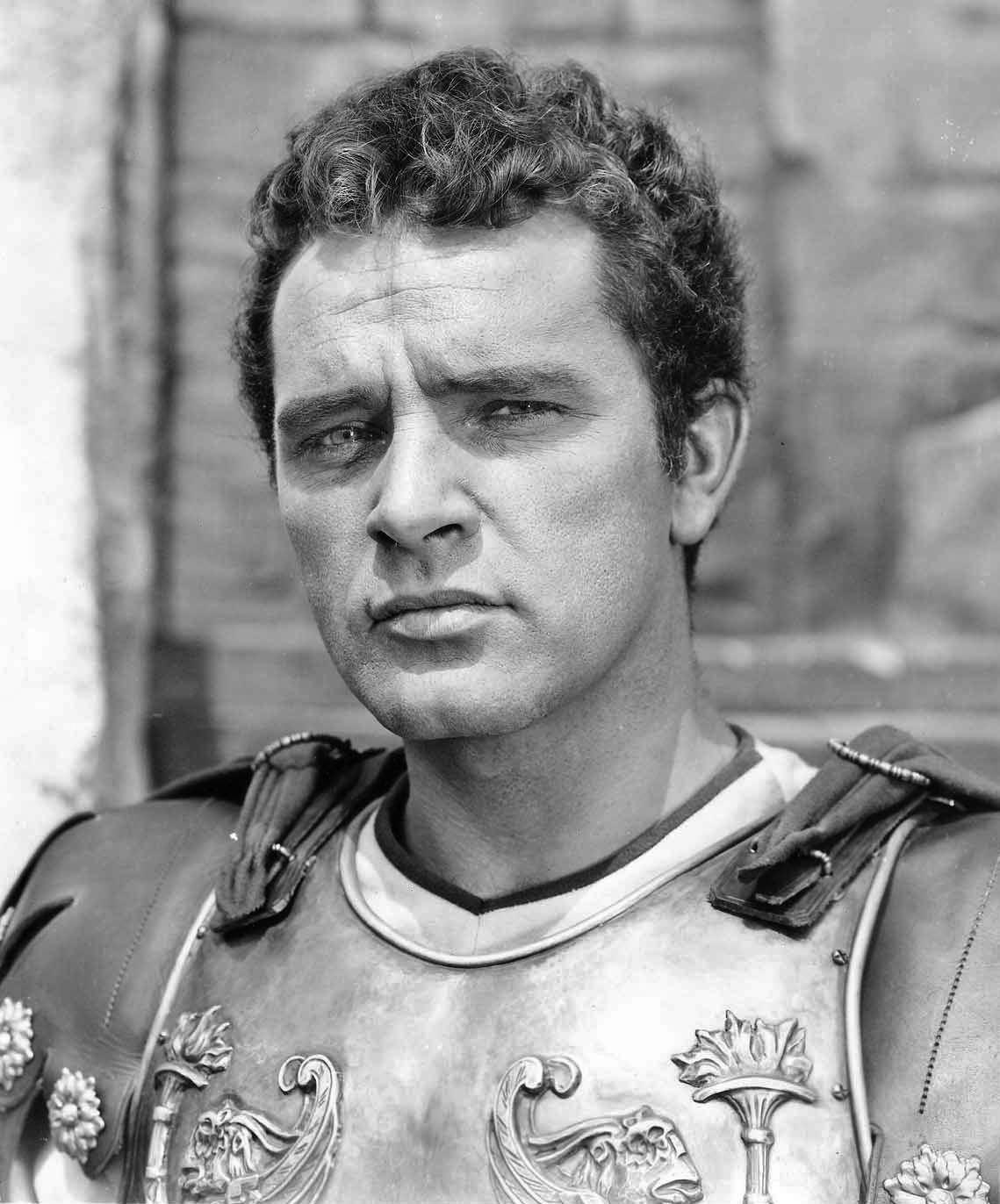
O'Brien (Richard Burton)
Played by Richard Burton
An Inner Party member who appears to guide Winston but ultimately betrays him through manipulation and torture. He embodies the Party’s philosophy and executes its brutal rehabilitation program.
- 🧰 Manipulative
- 🏛️ Authoritative
-
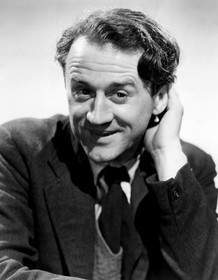
Mr. Charrington (Cyril Cusack)
Played by Cyril Cusack
A kindly pawn shop owner who covertly facilitates Winston and Julia's meetings, while secretly working for the Thought Police. He embodies the regime's capacity for deception.
- 🕰️ Ambiguous
- 🪟 Deceptive
- G(
Goldstein (John Boswall)
Played by John Boswall
The figurehead of opposition used by the Party to justify oppression; the supposed leader of the resistance against Big Brother. He embodies the regime's use of fear and enemy iconography.
- 📜 Propaganda
- 🗺️ Opposition
- P(
Parsons (Gregor Fisher)
Played by Gregor Fisher
Winston's coworker and neighbor, a zealous but gullible adherent of Party doctrine who embodies the consequence of uncritical conformity.
- 🤝 Conformist
- 👤 Obliging
Where and When Is Nineteen Eighty-Four Set?
Nineteen Eighty-Four is set in London, Airstrip One, Victory Square, Ministry of Truth, Chestnut Tree Café… (1984). Here is why the time and place matter to the story.
When
1984
The story takes place in the fictional year 1984 within a world ruled by a pervasive and oppressive regime. Telescreens monitor citizens constantly, and the Thought Police enforce loyalty through fear. History is manipulated to serve the Party's needs, erasing truth and memory. The setting emphasizes a stagnant, war-torn society where personal autonomy is crushed.
Where
London, Airstrip One, Victory Square, Ministry of Truth, Chestnut Tree Café, Proletarian area
The action unfolds in London, the capital of Airstrip One in the totalitarian Oceania. Victory Square hosts mandatory rallies where propaganda is shown to unite the people under Big Brother. The Ministry of Truth dominates with history rewritten to fit the Party, while the proletarian quarter and a pawn shop above it give Winston and Julia a rare private space amid the regime's control.
- 🏙️ Dystopian City
- 🔒 Surveillance State
- 🗞️ Propaganda Hub
What Are the Themes of Nineteen Eighty-Four?
3 ideas the story keeps returning to, among them Surveillance, History Rewrite and Love.
-
01
Surveillance
A constant watch over every citizen defines daily life, with telescreens and informants ensuring obedience. Winston lives under omnipresent scrutiny, hiding his private thoughts and forbidden diary. Fear of detection shapes choices and stifles personal freedom throughout the narrative.
-
02
History Rewrite
The regime maintains power by fabricating and altering the past through the Ministry of Truth. Doublethink is taught as a tool to accept contradictions as truth. Memory becomes a weapon and a vulnerability, making rebellion increasingly difficult and dangerous.
-
03
Love
Winston and Julia’s forbidden relationship stands as a rare beacon of private humanity amid total control. Their bond challenges the state's domination of intimate life and creates a fragile sanctuary for personal longing. Love becomes a quiet form of resistance, even as it faces ruthless suppression.
What Kind of Film Is Nineteen Eighty-Four?
Bleak in tone, with slow pacing and a straightforward story, going by the plot summary.
- Tone
- Bleak
- Pacing
- Slow
- Story
- Straightforward
- Intensity
- High
- Ending
- Bleak
A deeply oppressive and claustrophobic experience that immerses the viewer in a world of total surveillance and psychological torture, stripping away hope until only bleak conformity remains.
- oppressive
- claustrophobic
- paranoid
- melancholic
- lonely
- grim
- totalitarianism
- surveillance state
- political repression
- propaganda
Content notes: torture, psychological manipulation, mass surveillance, political repression.
Quiz
How well do you remember Nineteen Eighty-Four? Test yourself on the story.
Where to Watch Nineteen Eighty-Four
Stream it on Tubi TV, or rent or buy it from Amazon Video and Apple TV Store. US availability and prices from JustWatch.
Stream 1
 Tubi TV





Streaming availability in the US, powered by