Nineteen Eighty-Four 1984


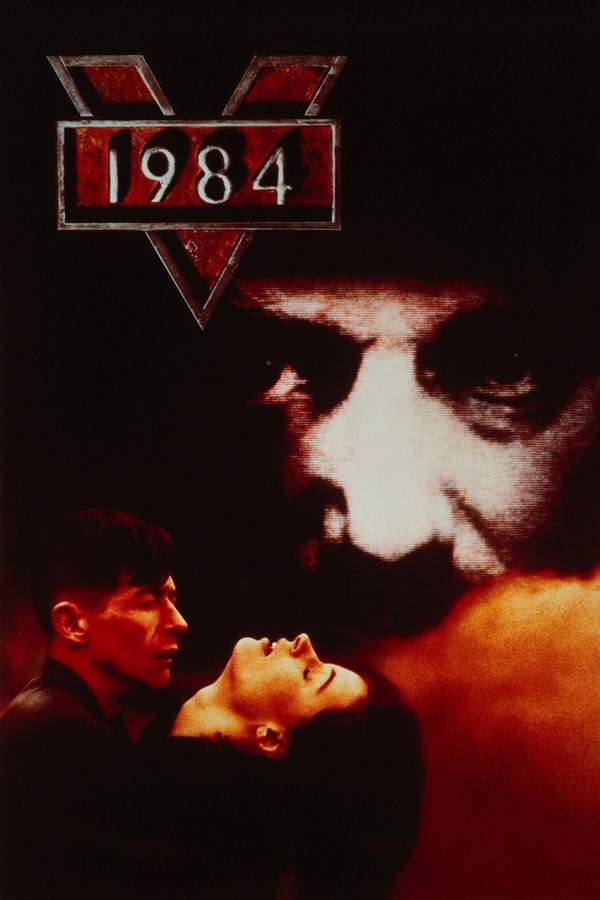
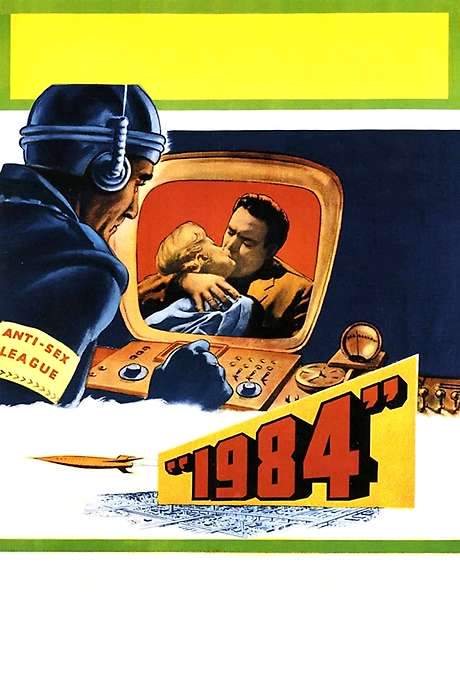
A stark adaptation of Orwell’s classic, portraying a bleak totalitarian state where the Ministry of Truth constantly rewrites the past. Winston Smith, a diligent records‑alterer, secretly yearns for freedom, finding rebellion in a forbidden love affair that threatens the Party’s absolute control.



Does Nineteen Eighty-Four have end credit scenes?
No!
Nineteen Eighty-Four does not have end credit scenes. You can leave when the credits roll.
Where to Watch Nineteen Eighty-Four
See current US streaming, rental, and purchase options for Nineteen Eighty-Four (1984) via JustWatch.










Meet the Full Cast and Actors of Nineteen Eighty-Four
Explore the complete cast of Nineteen Eighty-Four, including both lead and supporting actors. Learn who plays each character, discover their past roles and achievements, and find out what makes this ensemble cast stand out in the world of film and television.

John Hurt
Winston Smith

Cyril Cusack
Charrington

Garry Cooper
Guard
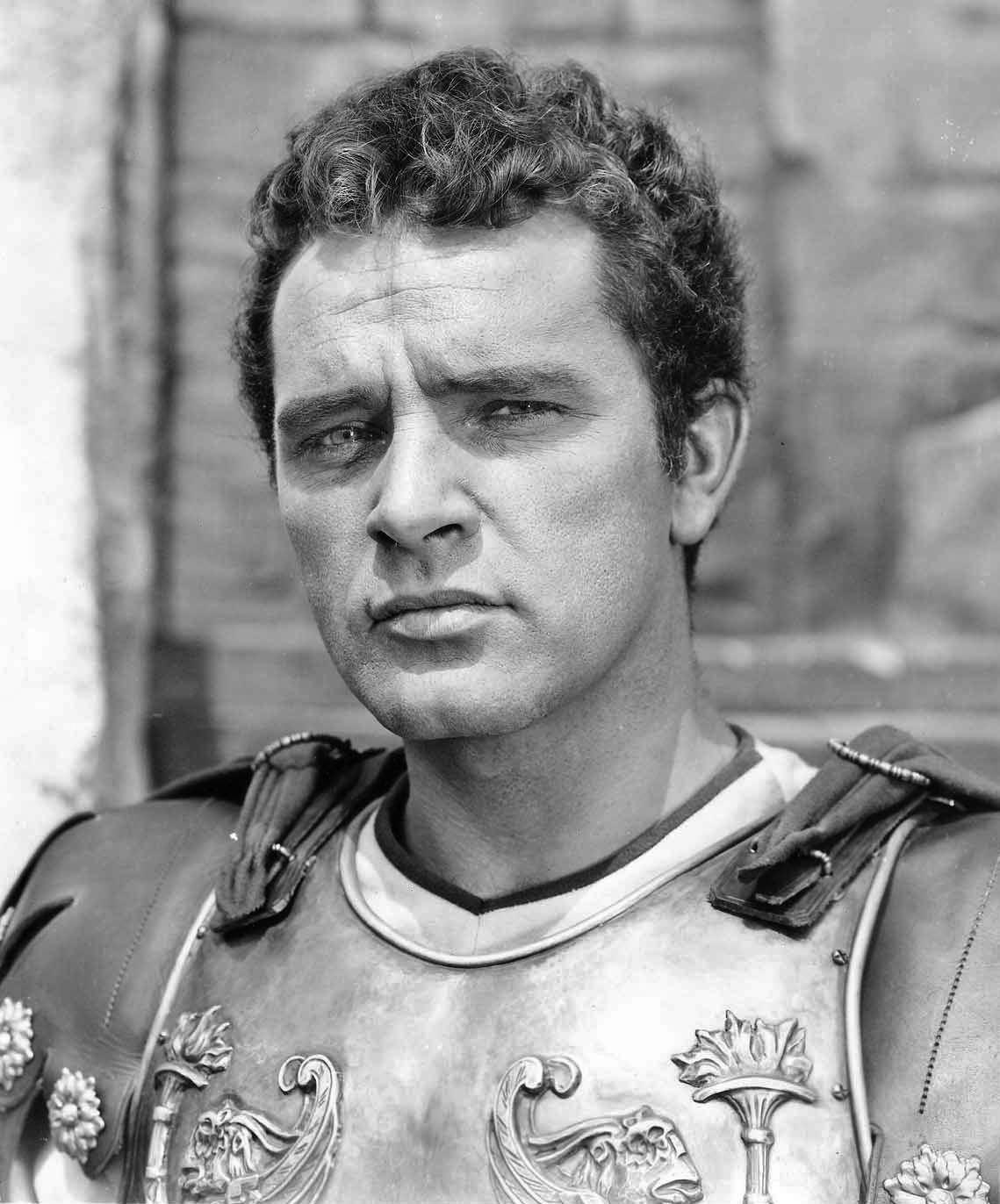
Richard Burton
O'Brien
Andrew Wilde
Tillotson
Anthony Benson
Jones
David Cann
Martin
David Trevena
Tillotson's Friend
Gregor Fisher
Parsons
James Walker
Syme
Suzanna Hamilton
Julia
Phyllis Logan
The Telescreen Anouncer (voice)
Christine Hargreaves
Soup Lady
John Boswall
Goldstein
Annie Lennox
Woman at rally (uncredited)
Rolf Saxon
Patrolman
Roger Lloyd Pack
Waiter
Robert Putt
Shouting Prole
Pip Donaghy
Inner Party Speaker
Hugh Walters
Artsem Lecturer
Lucien Morgan
Ministery Worker (uncredited)
Matthew Scurfield
Guard
Eddie Stacey
Executioner
Merelina Kendall
Mrs. Parsons
Bob Flag
Big Brother
Norman Bacon
Man on Station Platform
John Golightly
Patrolman
Peter Frye
Rutherford
Rupert Baderman
Winston Smith as a Boy
Corinna Seddon
Winston's Mother
Martha Parsey
Winston's Sister
P.J. Nicholas
William Parsons
Lynne Radford
Susan Parsons
Shirley Stelfox
The Whore
Janet Key
The Instructress
Ole Oldendorp
Eurasian Soldier
Carey Wilson
Party Member
Mitzi McKenzie
Party Member
Pam Gems
The Washerwoman
Joscik Barbarossa
Aaronson
Michael Munn
Interrogation Room Soldier (uncredited)
Jason Savage
Child at Rally (uncredited)
Fred Wood
Prol (uncredited)
External Links and Streaming Options
Discover where to watch Nineteen Eighty-Four online, including streaming platforms, rental options, and official sources. Compare reviews, ratings, and in-depth movie information across sites like IMDb, TMDb, Wikipedia or JustWatch.






Take the Ultimate Nineteen Eighty-Four Movie Quiz
Challenge your knowledge of Nineteen Eighty-Four with this fun and interactive movie quiz. Test yourself on key plot points, iconic characters, hidden details, and memorable moments to see how well you really know the film.
Nineteen Eighty-Four (1984) Film Quiz: Test your knowledge of the 1984 movie adaptation of George Orwell's classic novel.
Which actor portrays Winston Smith in the film?
Full Plot Summary and Ending Explained for Nineteen Eighty-Four
Read the complete plot summary of Nineteen Eighty-Four, including all major events, twists, and the full ending explained in detail. Explore key characters, themes, hidden meanings, and everything you need to understand the story from beginning to end.
Winston Smith [John Hurt] lives in a damp, oppressive London that sits at the heart of the totalitarian superstate of Oceania, where every move is watched and every word is weighed. The Party’s omnipresent gaze hovers over air and street, and the image of Big Brother stares from posters, billboards, and television screens even as he never appears in person. In the Ministry of Truth, Winston edits history to fit the Party line, a job that erases the past to shape a controlled present. Life under constant surveillance is grindingly dull and claustrophobic, yet Winston clings to small acts of private rebellion: the hidden notes of a diary, the memory of a freer childhood, and the whispered sense that truth exists somewhere beyond the Party’s edits. The daily routines—mandatory rallies in Victory Square, the propaganda films about a false war, the cold efficiency of the city—press in from all sides, reinforcing a shared fiction that binds the populace to the leader they never actually see.
In this suffocating world, Winston’s cautious dissidence begins to bloom when he encounters Julia Suzanna Hamilton, a bold, free-spirited co-worker who shares a similar appetite for rebellion. Their first clandestine meeting in the countryside marks the turning point of his life: a charged exchange of subversive ideas and a discreet, defiant romance. They soon pursue a secret liaison, renting a hidden room above a shabby pawn shop where the outside world loosens its grip and they can breathe a little. Julia becomes the practical partner in their rebellion, smuggling contraband food and clothing on the black market, helping them to pretend, however briefly, that normal life is possible even under surveillance and fear.
Their fragile idyll is ripped away when the Thought Police raid the room. The discovery that a telescreen lurks behind a picture, recording every moment, seals their fate. The elderly pawn shop proprietor, Mr. Charrington Cyril Cusack, turns out to be a covert agent of the Thought Police, exposing the couple to a brutal machinery of capture. Winston and Julia are separated and carted off to the Ministry of Love for interrogation, where their loyalty to one another is interrogated as passionately as their adherence to the state’s gospel.
Inside the Ministry, Winston confronts O’Brien Richard Burton, a figure he once believed to be a fellow dissenter and a potential ally in the resistance led by Emmanuel Goldstein. In a stern, pseudo-academic catechism, O’Brien unveils the Party’s ultimate aims and introduces Winston to the practice of doublethink—the unsettling ability to accept two contradictory beliefs at once. The process of “rehabilitation” intensifies until Winston is brought to Room 101, a chamber tailored to his deepest fear. There he faces the thing he dreads most: a cage of rats. The terror is unbearable, and Winston finally breaks, repudiating his love for Julia and surrendering to the state’s power. The regime’s brutality leaves no trace of his former self; he is remade, drained of rebellion, and released.
Back in the outside world, the once-subversive Winston drifts through life as a hollow, compliant citizen. He spends time at the Chestnut Tree Café, a locale that gathers those who have been “rehabilitated” into a quiet, grim consensus. The café becomes a mirror of a society that has erased the boundaries between loyalty and manipulation. In this dimly lit, ritualized routine, Winston encounters the memory of those who opposed the Party—Jones [Anthony Benson], Aaronson [Joscik Barbarossa], and Rutherford [Peter Frye]—names etched in a shared memory of resistance that has since been erased or vaporized. The presence of these figures underscores the cruelty of a system that consumes individuals and erases their legacies.
The story circles back to the chilling clarity of Winston’s altered reality: a public broadcast shows him confessing his crimes against the state, while the world he inhabits tests its loyalty by forcing him to accept the truth as dictated by those in power. The final image is a paradox of satisfaction and sorrow: Winston, now a ghost of the man he once was, stares at a televised image of Big Brother as tears gather in his eyes. In a quiet, almost whispered moment, the memory of Julia lingers as he mutters a truth he can no longer resist to the world around him.
I love you
In the end, the film paints a stark portrait of a man who has inner life and memory crushed by surveillance, propaganda, and torture, leaving him as a shell who has learned to live within the rules of a regime that denies his humanity. The atmosphere is stripped of hope, but not of detail: every scene—whether in the cramped cubicles of the Ministry of Truth, the sunlit quiet of the countryside, or the claustrophobic confines of Room 101—pulls you deeper into a world where love, memory, and truth are assets to be controlled and profits to be extracted by those who hold power. The story unfolds with a cold, unflinching clarity, making the world of Oceania feel both intimate and inescapable, a cautionary tale about the fragility of personal freedom under a regime that demands absolute loyalty and the relinquishment of truth.

Coming soon on iOS and Android
The Plot Explained Mobile App
From blockbusters to hidden gems — dive into movie stories anytime, anywhere. Save your favorites, discover plots faster, and never miss a twist again.
Sign up to be the first to know when we launch. Your email stays private — always.
Explore the mobile appDiscover Film Music Concerts Near You – Live Orchestras Performing Iconic Movie Soundtracks
Immerse yourself in the magic of cinema with live orchestral performances of your favorite film scores. From sweeping Hollywood blockbusters and animated classics to epic fantasy soundtracks, our curated listings connect you to upcoming film music events worldwide.
Explore concert film screenings paired with full orchestra concerts, read detailed event information, and secure your tickets for unforgettable evenings celebrating legendary composers like John Williams, Hans Zimmer, and more.


Cars Featured in Nineteen Eighty-Four
Explore all cars featured in Nineteen Eighty-Four, including their makes, models, scenes they appear in, and their significance to the plot. A must-read for car enthusiasts and movie buffs alike.
Nineteen Eighty-Four Themes and Keywords
Discover the central themes, ideas, and keywords that define the movie’s story, tone, and message. Analyze the film’s deeper meanings, genre influences, and recurring concepts.
Nineteen Eighty-Four Other Names and Titles
Explore the various alternative titles, translations, and other names used for Nineteen Eighty-Four across different regions and languages. Understand how the film is marketed and recognized worldwide.
Similar Movies To Nineteen Eighty-Four You Should Know About
Browse a curated list of movies similar in genre, tone, characters, or story structure. Discover new titles like the one you're watching, perfect for fans of related plots, vibes, or cinematic styles.






Quick Links: Summary, Cast, Ratings, More

What's After the Movie?
Not sure whether to stay after the credits? Find out!
Check out our other apps:

SAT Sphere
Build confidence for the Digital SAT.

Mori Atlas
Discover wild places worth protecting.

Luntero
Search smarter for a home in Amsterdam.

Plot Explained
Unravel movie endings and hidden clues.

Pokechamp
Dive into Pokémon data and battle logic.

Driving Theory
Get ready for your European theory test.

Movie Dust
Plan your next cinema trip with ease.

Musemap
Find art and culture as you travel.

Selkobase
Compare credentials before committing.

Local Manual
Turn an unfamiliar country into practical next steps.

Lernavi
Compare school systems before your next move.

GymRoam
Find a workout stop wherever your plans take you.
Explore Our Movie Platform
New Movie Releases (2026)
Famous Movie Actors
Top Film Production Studios
Movie Plot Summaries & Endings
Major Movie Awards & Winners
Best Concert Films & Music Documentaries
Movie Collections and Curated Lists
© 2026 What's After the Movie. All rights reserved.
Privacy Policy