1984 1956

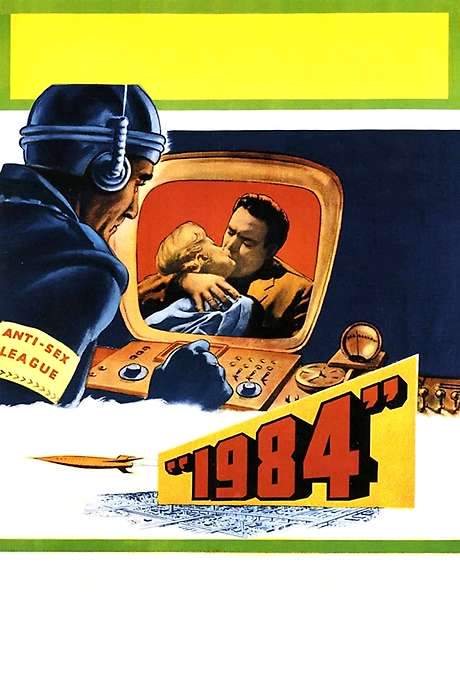
Big Brother is Watching. In a totalitarian future society, a man whose daily work is rewriting history tries to rebel by falling in love.

Does 1984 have end credit scenes?
No!
1984 does not have end credit scenes. You can leave when the credits roll.
Where to Watch 1984
See current US streaming, rental, and purchase options for 1984 (1956) via JustWatch.



Streaming availability powered by 
Meet the Full Cast and Actors of 1984
Explore the complete cast of 1984, including both lead and supporting actors. Learn who plays each character, discover their past roles and achievements, and find out what makes this ensemble cast stand out in the world of film and television.
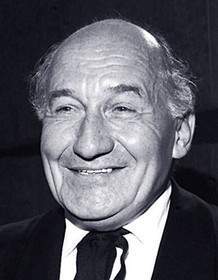
Walter Gotell
Guard (uncredited)

John Vernon
Big Brother (uncredited)
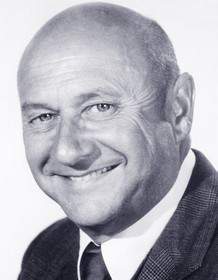
Donald Pleasence
R. Parsons
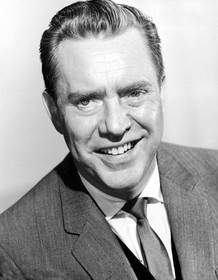
Edmond O'Brien
Winston Smith of the Outer Party

Patrick Troughton
Man on Telescreen (uncredited)

Ernest Clark
Outer Party Announcer

Michael Redgrave
O'Connor of the Inner Party
Michael Ripper
Outer Party Orator
Patrick Allen
Inner Party Official
Ewen Solon
Outer Party Orator
Kenneth Griffith
Prisoner
Barbara Keogh
Special Woman (uncredited)
Jan Sterling
Julia of the Outer Party
Ronan O'Casey
Rutherford
Bernard Rebel
Kalador (uncredited)
David Kossoff
Charrington the Junk Shop Owner
Mervyn Johns
Jones
Anthony Jacobs
Telescreen (voice) (uncredited)
Bartlett Mullins
Syme
Barbara Cavan
Woman (voice) (uncredited)
Carol Wolveridge
Selina Parsons
External Links and Streaming Options
Discover where to watch 1984 online, including streaming platforms, rental options, and official sources. Compare reviews, ratings, and in-depth movie information across sites like IMDb, TMDb, Wikipedia or JustWatch.






Take the Ultimate 1984 Movie Quiz
Challenge your knowledge of 1984 with this fun and interactive movie quiz. Test yourself on key plot points, iconic characters, hidden details, and memorable moments to see how well you really know the film.
1984 (1956) Film Quiz: Test your knowledge of the 1956 adaptation of George Orwell's *1984* with these ten mixed‑difficulty questions covering characters, plot details, and key themes.
Who portrays the authoritarian figure Big Brother in the film?
Full Plot Summary and Ending Explained for 1984
Read the complete plot summary of 1984, including all major events, twists, and the full ending explained in detail. Explore key characters, themes, hidden meanings, and everything you need to understand the story from beginning to end.
In the mid-1960s, a nuclear war has reshaped the globe into three vast superstates—Oceania, Eurasia, and Eastasia—where the remnants of civilization are watched over by a totalitarian regime. By 1984, London sits behind bomb-proof defenses and serves as the capital of Airstrip One, a province of Oceania ruled by a single, all-powerful Party led by the figurehead Big Brother, John Vernon. In this harsh world, information is manufactured, memory is manipulated, and private thoughts are dangerous. Into this climate of fear steps Winston Smith, Edmond O’Brien a member of the semi-elite Outer Party who begins to sense the cracks in the party line and the price of dissent.
Winston’s private rebellion starts with a small act of rebellion: a diary hidden from the ever-present surveillance. He writes down subversive thoughts and records memories of a past he believes is being erased. His sense of unease deepens when Selina Parsons, Carol Wolveridge, a little neighbor girl, enters his apartment to practice denouncing him as a traitor, highlighting just how permeated every moment of life is by loyalty tests and fear. The fragility of safety becomes clearer when Winston encounters Julia, Jan Sterling, a woman who seems to share a dangerous, unspoken understanding with him, and a clandestine spark of connection quickly grows between them.
At his office in the Records Department of the Ministry of Truth, Winston’s suspicious mind is further stirred by the sight of a photo that might prove Rutherford and Jones innocent. His supervisor, O’Connor, Michael Redgrave, orders him to destroy it, underscoring the brutal efficiency with which the regime edits the past and enforces conformity. That same night, at a political rally, Julia slips a note into Winston’s hand proclaiming love—a tiny act of rebellion that becomes a bridge to two souls seeking warmth in a world designed to extinguish it. They agree to meet away from the omnipresent mikes and monitors, choosing a meadow beyond the city’s edge as a sanctuary where they can be themselves.
Their clandestine bond leads them to the junk shop where they hope for a safe space, a place less surveilled by the Party. There, Julia enters the shop, Jan Sterling, and their secret affair intensifies as they dream of a broader resistance. Winston returns to the shop with plans to join the Underground, a vision he believes might offer a path toward freedom. The romance and the danger feed off each other as they begin to entertain the possibility that O’Connor may be part of a larger resistance network, though trust remains fragile in a world designed to betray.
A fateful note arrives in O’Connor’s handwriting that reads “down with Big Brother.” Convinced that this official could be their key to the Underground, Winston and Julia confront him with their vow to resist. O’Connor instructs Winston to carry an empty briefcase as a symbol of a future alliance and, perhaps, a genuine conduit for change. During the rally that signals the start of Hate Week, a staged moment of chaos—an exchange of briefcases—leads Winston to a copy of a treatise attributed to the Underground’s leadership. This discovery seems to confirm their belief that a hidden network exists and that the dream of overthrowing Big Brother is not merely a fantasy.
Back at their hidden room, Julia insists that only love can defeat the Party, a claim that is suddenly exposed to brutality when a telescreen behind a mirror brands their sentiments as crimes of thought. The Thought Police burst in, and both Winston and Julia are arrested. In the Ministry of Love, Winston is confined in a pit-like room while Parsons is dragged away after his daughter betrays him for muttering “Down with Big Brother” in his sleep. The undercover operation uncovered by O’Connor comes to life as he reveals himself to be a covert agent of the state and begins a brutal brainwashing campaign.
Even under the pressure of electroshock, Winston clings to the possibility of an inner truth that cannot be extinguished. He submits to the regime’s nightmare, yet his defiance surfaces in a final, stubborn core. The regime intensifies its assault, culminating in a moment of terror where Winston fears the rats that threaten to devour him, begging the system to spare Julia. Release comes, but it is not freedom; it is a carefully manufactured reintegration into a society that now views him as a model citizen. In the street, Winston stumbles through a world that seems to have broken his will, and the image of Julia fades as Big Brother’s broadcasts herald a victory that is, to him, both hollow and complete.
Yet even within this bleak arc, there is a glimmer of possibility—the existence of an alternate ending. In that version, Winston rebels against his brainwashing and shouts “Down with Big Brother!” only to be shot down, with Julia rushing to his side and meeting the same fate. The film’s closing image remains a stark meditation on power, memory, and the human desire for connection in a world designed to erase both.
Long Live Big Brother!
Down with Big Brother!
In this haunting reflection on surveillance, loyalty, and the resilience of personal feeling, the story follows Winston and Julia as they navigate a labyrinth of loyalty tests, betrayals, and the illusion of safety, all while the regime relentlessly rewrites reality to suit its needs. The cast’s theatric weight anchors the narrative: Winston Smith, Edmond O’Brien against the omnipresent machinery; Big Brother, John Vernon as the emblem of authority; Julia, Jan Sterling as the beacon of forbidden love; and O’Connor, Michael Redgrave as the entwined ally and instrument of state control. The result is a meticulous, uncompromising meditation on power, memory, and the fragile spark of humanity that endures even under a regime that seeks to extinguish it.

Coming soon on iOS and Android
The Plot Explained Mobile App
From blockbusters to hidden gems — dive into movie stories anytime, anywhere. Save your favorites, discover plots faster, and never miss a twist again.
Sign up to be the first to know when we launch. Your email stays private — always.
Explore the mobile appWatch Trailers, Clips & Behind-the-Scenes for 1984
Watch official trailers, exclusive clips, cast interviews, and behind-the-scenes footage from 1984. Dive deeper into the making of the film, its standout moments, and key production insights.
Cars Featured in 1984
Explore all cars featured in 1984, including their makes, models, scenes they appear in, and their significance to the plot. A must-read for car enthusiasts and movie buffs alike.
1984 Themes and Keywords
Discover the central themes, ideas, and keywords that define the movie’s story, tone, and message. Analyze the film’s deeper meanings, genre influences, and recurring concepts.

Unlock the World of Movies with Our Comprehensive Wiki
Dive into our Movie Wiki for in-depth film encyclopedia entries, including cast biographies, production trivia, plot synopses, behind-the-scenes facts, and thematic analyses. Whether you’re researching iconic directors, exploring genre histories, or discovering hidden easter eggs, our expertly curated movie database has everything you need to fuel your cinematic passion.

Similar Movies To 1984 You Should Know About
Browse a curated list of movies similar in genre, tone, characters, or story structure. Discover new titles like the one you're watching, perfect for fans of related plots, vibes, or cinematic styles.
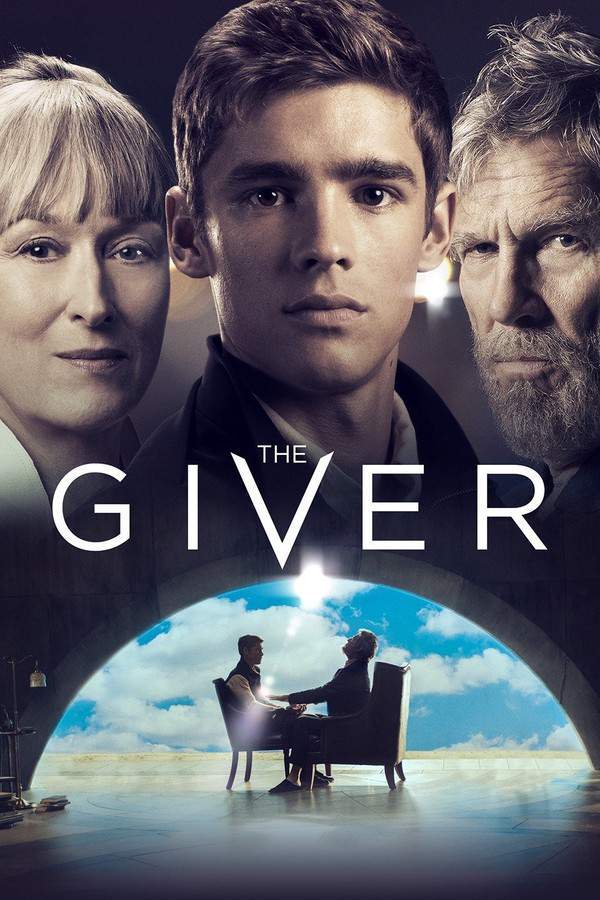
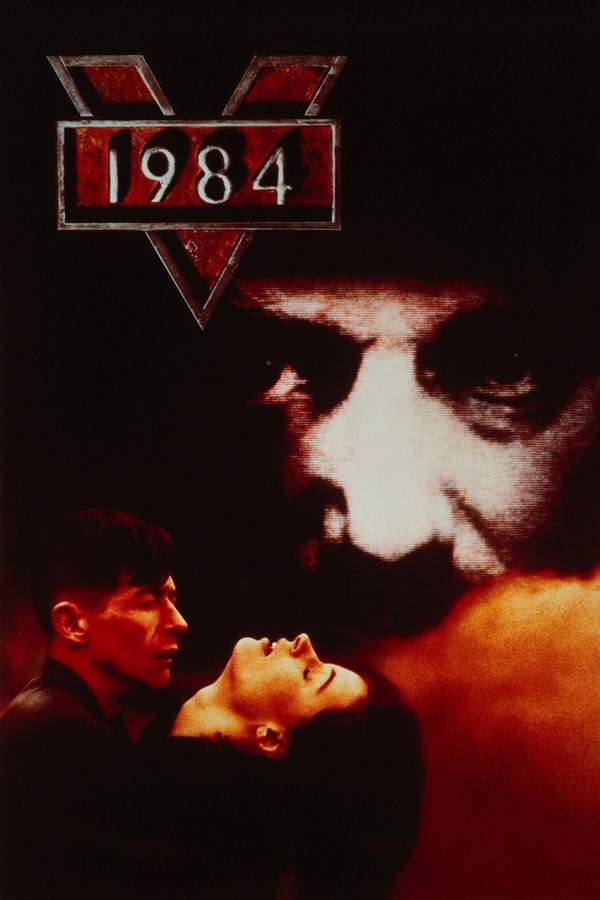
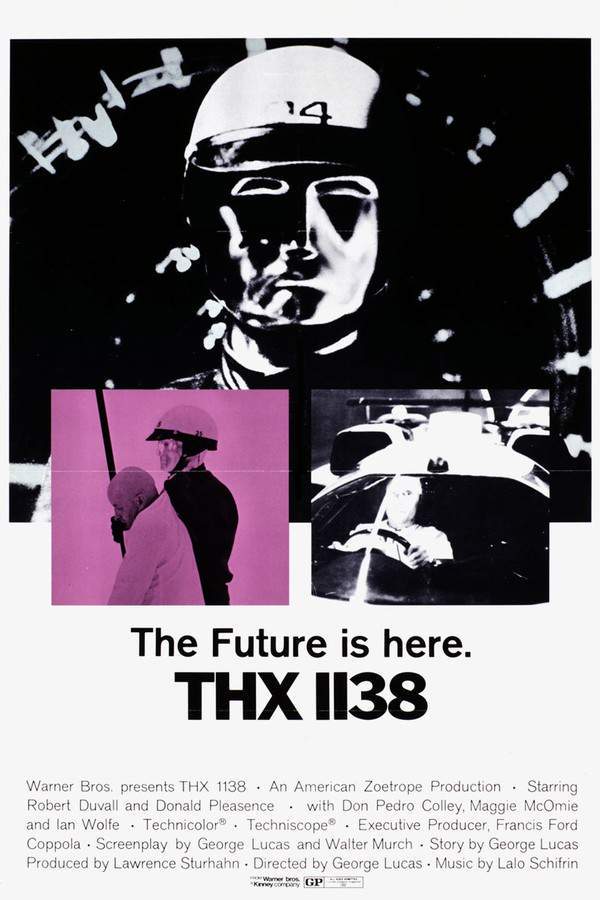






Quick Links: Summary, Cast, Ratings, More

What's After the Movie?
Not sure whether to stay after the credits? Find out!
Check out our other apps:

SAT Sphere
Build confidence for the Digital SAT.

Mori Atlas
Discover wild places worth protecting.

Luntero
Search smarter for a home in Amsterdam.

Plot Explained
Unravel movie endings and hidden clues.

Pokechamp
Dive into Pokémon data and battle logic.

Driving Theory
Get ready for your European theory test.

Movie Dust
Plan your next cinema trip with ease.

Musemap
Find art and culture as you travel.

Selkobase
Compare credentials before committing.

Local Manual
Turn an unfamiliar country into practical next steps.

Lernavi
Compare school systems before your next move.

GymRoam
Find a workout stop wherever your plans take you.
Explore Our Movie Platform
New Movie Releases (2026)
Famous Movie Actors
Top Film Production Studios
Movie Plot Summaries & Endings
Major Movie Awards & Winners
Best Concert Films & Music Documentaries
Movie Collections and Curated Lists
© 2026 What's After the Movie. All rights reserved.
Privacy Policy