What Is Fahrenheit 451 About?
The premise of Fahrenheit 451 in 292 words, with nothing given away. The full story follows below.
In a tightly controlled future, the state has declared books illegal, believing that written words threaten the fragile harmony of its citizens. Specialized enforcers known as firemen patrol the streets, their solemn duty to locate and incinerate any remaining literature. The world they inhabit is saturated with glossy screens and constant surveillance, a place where conformity is praised and curiosity is quietly punished. A cold, metallic aesthetic pervades the cities, while the pervasive hum of propaganda creates an atmosphere of uneasy stillness.
At the heart of this system is Montag, a fireman who has spent his career dutifully carrying out the bans. His life is orderly and efficient, yet an undercurrent of emptiness runs through his days, a sense that something essential is missing beneath the ash and routine. At home, his wife Linda is absorbed by an all‑encompassing interactive television program that treats viewers as “cousins” and fills the household with flickering light and shallow chatter. Their relationship mirrors the larger disconnect of a society that replaces meaningful thought with passive entertainment.
The catalyst for change arrives in the form of Clarisse, a young neighbor whose free‑spirited outlook and habit of asking simple, daring questions cut through the monotony. Her curiosity about the world—and especially about whether Montag ever reads the very books he burns—plants a seed of doubt in his mind. Their encounters are brief but charged, offering a glimpse of a life lived beyond the sanctioned silence.
As the city smolders under its own self‑imposed censorship, the tension between duty and desire grows palpable. The film’s tone balances stark, oppressive visuals with moments of fragile humanity, inviting the audience to wonder what might happen when a hardened enforcer begins to see the cracks in the system he once upheld.
What Happens in Fahrenheit 451?
The complete story of Fahrenheit 451, from the first scene to the last, in 858 words (about 4 minutes). Spoilers throughout. Names in the text link to 2 cast member pages.
Spoilers ahead
Guy Montag Oskar Werner is a Fireman in a near-future society where the state keeps people under control by burning books. The world is ruled by a rigid ideology, surveillance, and a chilling belief that books threaten harmony by stirring unhappy thoughts and competitive pride. His life takes a subtle turn when he befriends his neighbor, Clarisse, Julie Christie, a free-spirited young schoolteacher who questions the regime and challenges the idea that happiness comes from conformity. Clarisse asks a simple, dangerous question: does he ever read the books he helps burn? Her probing curiosity unsettles Montag and pushes him to rethink what his job is really about.
As Montag wrestles with these questions, he begins to hide books in his own house and to read them in secret, starting with Charles Dickens’s David Copperfield. The act of reading quietly intensifies his unease, especially at home with Linda Montag, his wife, who is absorbed by The Family, an all-encompassing interactive television program that treats its viewers as “cousins” and prizes popularity over truth. The contrast between Montag’s growing inner life and Linda’s televised world grows sharper, setting up the central tension of the story.
At the home of an illegal book collector, Captain Beatty [Cyril Cusack] engages Montag in a lengthy, pointed discussion about books. Beatty argues that literature can make people unhappy and lead them to feel superior to others, which in a controlled society is deemed anti-social. The old woman who owns the house—the book collector—refuses to flee when the firemen arrive and chooses to burn with her belongings, dying to preserve the memory of her books. The scene plants a seed of doubt in Montag about the necessity of burning knowledge and the price of obedience.
Back home, Montag confronts Linda and her friends with his newfound obsession. He tries to tell them about the woman’s martyrdom and about what is happening in the world beyond their screens, but they react with disbelief and fear. In a bold, rebellious moment, Montag reads a highly abridged passage from David Copperfield to Linda’s circle. The chosen excerpt, beginning with the line “There can be no disparity in marriage like unsuitability of mind and purpose,” cuts through the room and stirs powerful emotions. > There can be no disparity in marriage like unsuitability of mind and purpose. The reading shocks Linda’s friends, who respond with horror and contempt, underscoring how deeply the state has indoctrinated people to fear independent thought.
That night, Montag dreams of Clarisse as the book collector who killed herself, a vision that blends memory with fear. The dream foreshadows the danger that now follows Montag. Soon after, Clarisse’s house is raided, but she escapes through a trapdoor in the roof with help from her uncle, reinforcing the sense that there are people who resist the regime. Montag, seeking truth, breaks into Beatty’s office in search of information about Clarisse and is caught, though he is not punished—an ominous sign of the limits of state power and of Beatty’s own calculated approach to control.
Montag and Clarisse reunite and work together to undermine the government’s reach. They help her break back into her house to destroy papers that could lead to others like her. Clarisse explains the existence of the “book people,” a hidden network of individuals who memorize a book in order to keep its ideas alive when laws forbid printing. This revelation widens Montag’s world beyond burning and hiding books to a broader resistance against censorship.
Despite his growing conviction, Montag agrees to one more assignment, even after announcing his intention to resign. The call turns out to be a trap—it targets his own home—placing Linda in direct danger of the regime’s wrath. Linda leaves Montag, unable to endure the turmoil his obsession has caused, and Montag retaliates by destroying the bedroom and the pervasive screens that consume the family’s attention before setting the room alight and burning the books themselves. Beatty confronts him one last time, and, in a clash that tests every belief Montag holds, Beatty pulls a final book from Montag’s coat. In a desperate moment, Montag kills Beatty with the flamethrower, a turning point that forces him to flee.
Escaping through a night of fear and resolve, Montag finds the “book people,” including Clarisse, and discovers that his supposed capture on television was a staged event meant to entertain the masses and to demonstrate the power of the regime. He witnesses the city’s spectacle as a reminder that conformity reigns over truth. Yet Montag chooses to preserve a piece of humanity by memorizing a book—Tales of Mystery and Imagination by Edgar Allan Poe—and swears to carry its essence within himself, becoming one of the book people who keep literature alive through memory.
In the end, the story traces Montag’s transformation from a loyal servant of a repressive system into a custodian of literature, seeking to pass on the memory of books to a world that has forgotten how to read with its heart full. The journey is driven by moments of quiet rebellion, intimate conversations, and the stubborn belief that stories—kept alive in the minds of readers—can outlast fire and fear.
Fahrenheit 451 Timeline: Every Key Event in Order
14 key events in the order they happen, from “Firemen burn books and suppress literature” to “Montag joins the book people and memorizes Poe”. 13 events name a place, across 8 locations.
- 1
Firemen burn books and suppress literature
In a future totalitarian society, Firemen scour cities for books and burn them on sight. The state uses surveillance, fear, and propaganda to keep citizens obedient and uninquisitive. Books are illegal, and any found volume is destroyed to erase independent thought.
- 2
Montag meets Clarisse
Montag encounters Clarisse, a curious young neighbor who questions why people burn books. She challenges his complacency by asking if he has ever read the books he destroys. Her questions plant doubt and hint at a different way of living beyond conformity.
Where:Montag's neighborhood
- 3
Montag hides books and starts reading
Motivated by Clarisse's questions, Montag begins hiding books in his home and secretly reading. He starts with Charles Dickens's David Copperfield, experiencing emotions and thoughts he'd long suppressed. This awakening sharpens his internal conflict with wife, colleagues, and society.
Where:Montag's home
- 4
Linda and The Family contrast
At home, Montag's wife Linda is absorbed by The Family, a pervasive interactive-program culture that values popularity over ideas. She remains oblivious to the world outside her screens. Montag's growing obsession with books creates tension and isolation in their marriage.
Where:Montag's home
- 5
Beatty discusses why books make people unhappy
At the house of a secret book collector, Fire Captain Beatty engages Montag in a lengthy debate about books and happiness. Beatty argues that literature breeds discontent and social fracture, justifying censorship. The conversation foreshadows Montag's increasing risk and resistance.
Where:House of the illegal book collector
- 6
Old woman immolates herself with her books
The book collector, an elderly woman closely tied to Clarisse, refuses to abandon her books and self-immolates, burning herself and her house. Her sacrifice becomes a powerful and chilling symbol against censorship for Montag. The act deepens his resolve to seek out literature's remnants.
Where:Old woman's house
- 7
Montag reads to Linda's friends
Back at home, Montag confronts Linda's friends and interrupts their numbing talk by reading a passage from David Copperfield. Some are moved to tears, while others recoil at the 'cruelty' of literature. The scene reveals how deeply unprepared they are for true human connection through books.
Where:Linda's living room
- 8
Clarisse's raid and escape
That night, Clarisse's house is raided by authorities, but she escapes through a trapdoor in the roof with the help of her uncle. The escape underscores the danger faced by dissenters. Montag learns of the raid, heightening his paranoia and resolve.
Where:Clarisse's house
- 9
Montag breaks into Beatty's office
Montag sneaks into Fire Captain Beatty's office to learn more about Clarisse's fate and the missing girl. He is caught, though Beatty does not punish him, exposing the regime's reach and Montag's turning point toward rebellion.
Where:Beatty's office
- 10
Montag and Clarisse destroy papers to hide readers
Montag teams with Clarisse to break back into her house and destroy papers that could reveal other book lovers. Their actions aim to shield the hidden 'book people' and preserve the memory of literature. The act marks a turning point from denial to active resistance.
Where:Clarisse's house
Show the other 4 events of Fahrenheit 451 Hide the last 4 events
- 11
Montag resigns, then is sent on one more call
Montag tells Beatty that he is resigning from the Fire Department, but Beatty persuades him to go on one final call. The call turns out to be Montag's own burning home, foreshadowing the destruction he will soon witness. His obedience to the system fractures completely.
Where:Montag's home
- 12
Linda leaves and Montag destroys his home
Linda decides she cannot live with Montag's obsession and leaves him. In response, Montag tears apart the bedroom and the television and sets the house ablaze, symbolically destroying his former life. This act cements his break with his old world.
Where:Montag's home
- 13
Beatty is killed; Montag escapes
Beatty lectures Montag and retrieves a book from Montag's coat, prompting Montag to kill Beatty with a flamethrower. He escapes into the city, now a fugitive from the very system he served. The killing marks a radical break with his former role.
Where:Beatty's office
- 14
Montag joins the book people and memorizes Poe
Montag meets the hidden 'book people' and begins learning by memorizing a book to keep it alive. He selects Tales of Mystery and Imagination by Edgar Allan Poe as his memorized work. He becomes part of a living archive, continuing literature through memory.
Where:On the road with the book people
Who Are the Main Characters in Fahrenheit 451?
3 characters, among them Guy Montag (Oskar Werner), Clarisse McClellan / Linda Montag (Julie Christie) and Captain Beatty (Cyril Cusack): who each one is and the part they play in the story. Every profile links to the actor’s page.
-
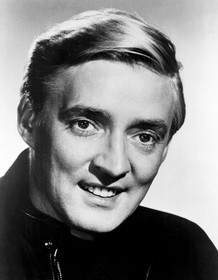
Guy Montag (Oskar Werner)
Played by Oskar Werner
A fireman who begins to question his job burning books. He is curious, increasingly conflicted, and drawn to clandestine reading, starting with Dickens's David Copperfield. His journey from loyalist to rebel drives the narrative's moral conflict.
- 🔥 Rebellious
- 📚 Curious
- 🧭 Self-discovery
-
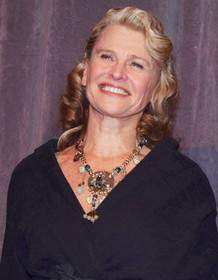
Clarisse McClellan / Linda Montag (Julie Christie)
Played by Julie Christie
Clarisse is a perceptive young neighbor and schoolteacher who asks pointed questions that reveal Montag's dissatisfaction with a censored world. Her curiosity foreshadows danger in a society that punishes independent thought; she plays a catalyst role before her fate is revealed.
- ✨ Enigmatic
- 💬 Curious
- 🧠 Critical thinker
-
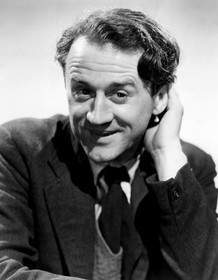
Captain Beatty (Cyril Cusack)
Played by Cyril Cusack
Montag's superior and the state’s intellectual mouthpiece. He defends censorship with authoritative rhetoric, representing the regime's justification for burning books. He is killed by Montag in a dramatic reversal that exposes the regime's fragility.
- ⚖️ Authority
- 🗡️ Antagonist
- 🧭 Ideologue
Where and When Is Fahrenheit 451 Set?
Fahrenheit 451 is set in Dystopian City (Future). Here is why the time and place matter to the story.
When
Future
The story unfolds in a distant future where censorship and state control are normalized. Technology and mass media are used to pacify citizens and suppress critical thought. The regime's power relies on fear, surveillance, and the visible punishment of dissent.
Where
Dystopian City
Set in a controlled metropolis of the near future, a society bans books and enforces conformity through a fire-fighting corps that burns literature. Citizens are diverted by omnipresent interactive television, keeping them compliant and distracted. An underground network of book lovers hints at a hidden culture that remembers what the regime erases.
- 🗺️ Dystopian City
- 🔒 Totalitarianism
- 👁️ Surveillance
What Are the Themes of Fahrenheit 451?
3 ideas the story keeps returning to, among them Censorship, Knowledge vs Ignorance and Media and Conformity.
-
01
Censorship
Books are burned to erase memory and dissent, removing the ability to think critically about society. The absence of literature creates a uniform, unchallenging population.
-
02
Knowledge vs Ignorance
Clarisse's questioning and Montag's clandestine reading spark an awakening that challenges the regime's truth. The value of literature becomes a beacon for personal identity and moral choice.
-
03
Media and Conformity
The Family television program and pervasive entertainment sedate the population, encouraging obedience and erasing genuine human connection. Montag's transformation exposes the hollowness of a society addicted to superficial happiness.
What Kind of Film Is Fahrenheit 451?
Dark in tone, with steady pacing and a moderate story, going by the plot summary.
- Tone
- Dark
- Pacing
- Steady
- Story
- Moderate
- Intensity
- Medium
- Ending
- Bittersweet
An oppressive and thoughtful dystopian drama that follows a man's awakening conscience in a society that burns books, creating a somber yet hopeful mood through its steady progression and heavy themes.
- oppressive
- thoughtful
- somber
- rebellious
- claustrophobic
- paranoid
- dystopian future
- censorship
- conformity vs individuality
- book burning
Content notes: suicide, murder, book burning, totalitarian regime, psychological manipulation.
Quiz
How well do you remember Fahrenheit 451? Test yourself on the story.