What Is Mississippi Burning About?
The premise of Mississippi Burning in 306 words, with nothing given away. The full story follows below.
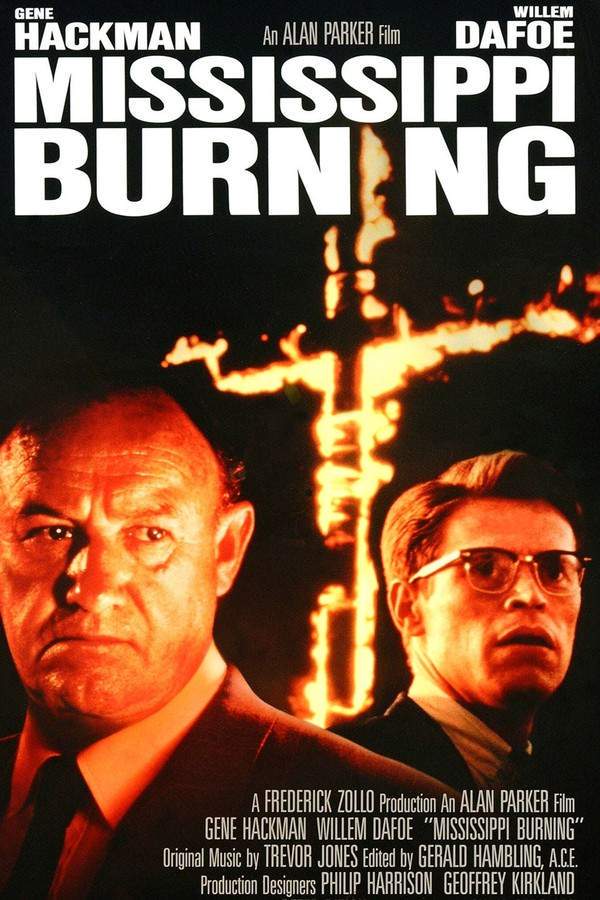
In the sweltering summer of 1964, the deep‑south landscape of Mississippi looms heavy with history, heat, and a palpable undercurrent of resistance. The state is a crucible where the promise of civil‑rights progress collides with entrenched prejudice, and every dusty road, church, and courthouse feels charged with unspoken tension. The film captures this volatile atmosphere with a blend of stark, sun‑bleached visuals and a soundscape that hums with the uneasy rhythm of a community on the brink of change.
Enter Alan Ward, a methodical FBI agent whose Northern training makes him a stickler for protocol, and Rupert Anderson, a former sheriff whose familiarity with the local culture gives him a more instinctual, sometimes contrarian, approach. Their partnership is immediately defined by the friction between Ward’s procedural rigor and Anderson’s street‑wise pragmatism, creating a dynamic that is as much a clash of personalities as it is a collaboration. Both men are driven by a sense of duty, yet their contrasting worldviews set the stage for moments of both tension and unexpected camaraderie.
Tasked with investigating the disappearance of three civil‑rights workers, the agents find themselves navigating a hostile environment where cooperation is scarce and suspicion runs deep. The local law‑enforcement hierarchy, wary of outside interference, adds layers of bureaucratic and cultural obstacles that test the agents’ resolve. As they peel back the veneer of small‑town life, the film immerses the viewer in a brooding, morally complex quest where every conversation carries weight and every alleyway hints at hidden truths.
Through moody cinematography and a score that echoes the era’s turmoil, the story builds a relentless sense of urgency. The agents’ journey becomes a meditation on justice, loyalty, and the cost of confronting ingrained hatred, leaving the audience to wonder how far they will go—and what they might have to sacrifice—to uncover the truth lurking beneath the surface.
What Happens in Mississippi Burning?
The complete story of Mississippi Burning, from the first scene to the last, in 746 words (about 3 minutes). Spoilers throughout. Names in the text link to 2 cast member pages.
Spoilers ahead
As the sweltering summer of 1964 transitioned into a season fraught with turmoil and chaos, three brave activists—two of whom were Jewish and one African American—mysteriously disappeared while striving to empower black voters in Jessup County, Mississippi. In an effort to uncover the truth, the Federal Bureau of Investigation dispatched investigators Alan Ward and Rupert Anderson, who approached the case with starkly different methodologies. While Ward, a seasoned Northerner, relied heavily on procedures and protocols, Anderson, a former sheriff familiar with local culture and politics, brought an essential perspective to the investigation.
Their pursuit of justice faced significant opposition from Sheriff Ray Stuckey and his deputies, who held considerable sway over the local community and were secretly connected to a faction of the Ku Klux Klan. The FBI’s attempts to gather intelligence were met with resistance and hostility, indicating that the community was reluctant to reveal the truth.
A breakthrough emerged when the son of a local pastor courageously stepped forward to share a haunting story: he had witnessed Klansmen setting fire to a home. This revelation triggered the arrest of three white men for felony arson, yet the quest for justice remained elusive. A local judge, more interested in upholding the status quo than enforcing the law, delivered a mere slap on the wrist in the form of a suspended sentence, dismissing the FBI’s presence as that of “outside agitators” who had incited violence.
This unjust ruling set the stage for further violence. The three convicted men, invigorated by their leniency, launched a vicious attack on the young witness and his father, leaving them bruised but alive. In response, the FBI promptly evacuated the family, only to discover that they were up against a deeply entrenched system that opposed their values.
In a pivotal moment, Anderson nurtured a connection with Deputy Sheriff Clinton Pell’s wife, leading to a heartbreaking confession: her husband and his Klan allies had murdered the three missing activists and concealed their bodies in an earthen dam. This chilling discovery sent shockwaves throughout the nation, revealing that the activists’ disappearance was a deliberate act of murder. Consequently, Pell turned his fury against his wife for her betrayal.
As tensions escalated between Ward and Anderson, their differing approaches clashed explosively, culminating in a physical confrontation from which Ward emerged victorious, albeit reluctantly acknowledging the limitations of his methods. This acknowledgment inspired Anderson to devise a bold new plan: to indict the Klan members on civil rights violations instead of murder charges. Meanwhile, the FBI escalated matters by forcibly abducting Mayor Tilman to an isolated location, where he was confronted by a black man threatening harm unless he divulged crucial information. This coerced confession provided a vital breakthrough in the investigation.
As pressure mounted, Anderson and Ward hatched a strategy to ensnare identified Klan members, but they soon realized they had been outmaneuvered and had to abort their plan. The FBI then turned its focus to Lester Cowens, a figure within the Klan showing signs of distress, which they hoped to exploit for a confession. In a fit of rage following the attack on his wife, Anderson instigated a brawl with Pell at a local barbershop, only to leave abruptly. Later, Cowens found himself in a terrifying situation when agents staged an attack at his home, disguising themselves in Klan attire, but came to his aid just as doom seemed imminent.
In a surprising twist, Cowens chose to turn against his fellow Klansmen who had threatened him after he disclosed information to the FBI. This courageous decision led to the indictment of several Klan members for civil rights violations, representing a pivotal move away from state murder charges to federal prosecution. Unlike the lesser state charges, many perpetrators faced justice under federal law, although Sheriff Stuckey evaded consequences.
The FBI’s tragic discovery of Tilman’s body hanging from a tree raised alarming questions for Agent Bird, while Ward revealed that Tilman had been pivotal not as a criminal but as a key witness. In the wake of chaos, Mrs. Pell returned to her vandalized home, determined to rebuild her life, liberated from her husband’s oppressive shadow.
As Anderson and Ward prepared to depart, they paid a heartfelt visit to an integrated congregation united in mourning at an African American cemetery, where a desecrated gravestone bore the somber inscription “Not Forgotten.” This moment served as an indelible reminder of the profound impact of hate crimes and the enduring spirit of those who fought against such atrocities.
Mississippi Burning Timeline: Every Key Event in Order
15 key events in the order they happen, from “Summer of 1964 Begins” to “Honoring the Fallen”. 15 events name a place, across 2 locations.
- 1
Summer of 1964 Begins
The sweltering summer of 1964 sets the stage for a tense atmosphere in Jessup County, Mississippi. As the season unfolds, it becomes clear that the struggle for civil rights is fraught with turmoil and chaos.
When:1964 Where:Jessup County, Mississippi
- 2
Activists Disappear
Three brave activists, two Jewish and one African American, mysteriously vanish while working to empower black voters. Their disappearance marks a significant point in the civil rights movement as it raises alarms within the community and the country.
Where:Jessup County, Mississippi
- 3
FBI Investigation Begins
The Federal Bureau of Investigation deploys investigators Alan Ward and Rupert Anderson to uncover the truth behind the activists' disappearance. Their contrasting methods highlight the complexities of the case and the local resistance to outside intervention.
Where:Jessup County, Mississippi
- 4
Opposition from Local Authorities
The investigation faces significant pushback from Sheriff Ray Stuckey and his deputies, who are linked to the Ku Klux Klan. This resistance showcases the deep-rooted complications the FBI faces in seeking justice for the missing activists.
Where:Jessup County, Mississippi
- 5
Courageous Testimony
A breakthrough occurs when the son of a local pastor bravely comes forward to recount his haunting experience of witnessing Klansmen committing arson. This testimony leads to the arrest of three white men but justice remains elusive.
Where:Jessup County, Mississippi
- 6
Injustice Served
Despite the arrests, a local judge delivers a lenient sentence to the convicted men, dismissing the FBI's involvement as meddling. This decision enrages the community and solidifies the Klan's influence in the area.
Where:Jessup County, Mississippi
- 7
Violence Against Witness
After the court ruling, the three convicted men retaliate violently against the young witness and his father. This escalates the situation and highlights the dangers faced by those who dare to speak out against the Klan.
Where:Jessup County, Mississippi
- 8
Confession from Deputy's Wife
Anderson develops a crucial connection with Deputy Sheriff Pell's wife, who discloses the horrifying truth: her husband and Klan members have murdered the missing activists and hidden their bodies. This shocking revelation deepens the investigation's urgency.
Where:Jessup County, Mississippi
- 9
Clash Between Investigators
Tensions boil over between Ward and Anderson, resulting in a physical confrontation. The altercation forces Ward to confront the limitations of his methodical approach and inspires Anderson to innovate their strategy.
Where:Jessup County, Mississippi
- 10
Coercion for Information
In a bold move, the FBI abducts Mayor Tilman and confronts him with threats to extract information about the Klan. This desperate tactic yields crucial breakthroughs in the ongoing investigation.
Where:Jessup County, Mississippi
Show the other 5 events of Mississippi Burning Hide the last 5 events
- 11
Failed Indictment Attempt
Anderson and Ward devise a plan to capture identified Klan members but quickly realize they have been outmaneuvered. Forced to reevaluate their approach, they focus their efforts on Lester Cowens, a distressed Klan member.
Where:Jessup County, Mississippi
- 12
Cowens' Difficult Choice
Under immense pressure, Lester Cowens decides to cooperate with the FBI, turning against his fellow Klansmen. His courageous testimony marks a shift from state to federal prosecution for the other Klan members.
Where:Jessup County, Mississippi
- 13
Tragic Discovery
The FBI discovers the body of Mayor Tilman hanging from a tree, deepening suspicions about the Klan's reach. This horrific finding raises alarms within the Bureau about the risks taken by those seeking justice.
Where:Jessup County, Mississippi
- 14
Resilience Amidst Destruction
Mrs. Pell, now free from her husband's shadow, returns to her vandalized home determined to rebuild her life. Her resilience symbolizes the fight against the oppressive forces of hate and violence.
Where:Jessup County, Mississippi
- 15
Honoring the Fallen
As the investigation reaches its conclusion, Anderson and Ward visit a grieving congregation at an African American cemetery. Their heartfelt visit symbolizes a collective hope for justice and remembrance for those lost to hatred.
Where:African American cemetery, Jessup County, Mississippi
Who Are the Main Characters in Mississippi Burning?
4 characters, among them Alan Ward (Willem Dafoe), Rupert Anderson (Gene Hackman) and Sheriff Ray Stuckey: who each one is and the part they play in the story. 2 of them link to the actor’s page.
-

Alan Ward (Willem Dafoe)
Played by Willem Dafoe
Alan Ward is a seasoned and methodical FBI agent who takes a procedural approach to the investigation. His reliance on established protocols often clashes with the realities of the local culture, leading him to reevaluate his methods as the case unfolds. Ward's journey represents the struggle to adapt and find effective means to combat systemic injustice.
- 🕵️♂️ Investigator
- 💼 Professional
-
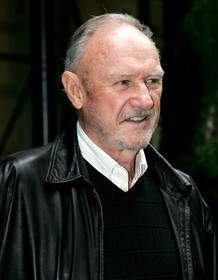
Rupert Anderson (Gene Hackman)
Played by Gene Hackman
Rupert Anderson, a former sheriff, brings intimate knowledge of the local community to the investigation. His understanding of the cultural dynamics and his willingness to engage with citizens contrast sharply with Ward's more clinical approach. Anderson's character arc reflects the complexity of confronting deeply ingrained racism while striving for justice.
- 👮♂️ Lawman
- 🧭 Local Knowledge
- SR
Sheriff Ray Stuckey
Sheriff Ray Stuckey embodies the resistance against federal intervention and the status quo in Jessup County. His connections with the Klan represent the complicity of local authority in perpetuating racial violence. Stuckey's character serves as a crucial antagonist, complicating the FBI's efforts to bring about justice.
- 🚓 Authority
- 💀 Antagonist
- DS
Deputy Sheriff Clinton Pell
Clinton Pell is a conflicted character within the law enforcement apparatus, torn between duty and loyalty to his Klan associates. His eventual wife’s confession reveals the extent of the atrocities, illustrating the moral dilemmas faced by individuals who straddle both sides of the law. Pell's character represents the internal struggles within entrenched systems of racism.
- 👮 Conflicted
- 🤔 Duality
Where and When Is Mississippi Burning Set?
Mississippi Burning is set in Jessup County and Mississippi (1964). Here is why the time and place matter to the story.
When
1964
The year 1964 was pivotal in American history, marked by significant civil rights activism and mounting social unrest. This period witnessed the struggle against systemic racism and violence, as activists fought for voting rights amid threats and intimidation. The events in Mississippi highlight the challenges faced by those risking their lives to fight for justice and equality.
Where
Jessup County, Mississippi
Jessup County, Mississippi, serves as the haunting backdrop for the film, embodying the strife and racial tensions of the 1960s. Known for its deep ties to the civil rights movement, the county faced violent opposition to efforts aimed at empowering African American voters during this tumultuous era. The landscape and culture reflect a community grappling with the legacy of inequality and the dark influences of organizations like the Ku Klux Klan.
- 🌳 Location
- 🏛️ Historic
What Are the Themes of Mississippi Burning?
3 ideas the story keeps returning to, among them Justice, Sacrifice and Unity.
-
01
Justice
The theme of justice is central to the film, showcasing the challenges in attaining it in a deeply prejudiced society. The investigation represents a fight against systemic oppression, illustrating how difficult it is to achieve accountability when the local authority colludes with criminal activities. Ultimately, it portrays the resilience required to confront injustices, even when faced with overwhelming opposition.
-
02
Sacrifice
Sacrifice runs deeply through the narrative, as activists and their families endure perilous trials for the sake of equality. The film elucidates the personal costs associated with fighting tyranny, with lives altered forever in the quest for justice. The tragic fate of the activists underscores the extreme sacrifices made in the pursuit of civil rights.
-
03
Unity
Unity emerges as a poignant theme throughout the film, signified by the solidarity among diverse activists. Their collective efforts highlight the power of collaboration in confronting racial injustice and fostering hope. Despite the deep divisions within the community, the bonds forged in struggle create a sense of shared purpose that transcends individual backgrounds.
What Kind of Film Is Mississippi Burning?
Dark in tone, with steady pacing and a moderate story, going by the plot summary.
- Tone
- Dark
- Pacing
- Steady
- Story
- Moderate
- Intensity
- High
- Ending
- Bittersweet
A tense and morally complex investigative thriller set against the oppressive backdrop of 1960s Mississippi, creating a gripping and emotionally heavy viewing experience as federal agents battle systemic racism.
- oppressive
- tense
- frustrating
- gritty
- urgent
- somber
- civil rights
- racism
- criminal investigation
- police corruption
Content notes: racial violence, murder, torture, brutality, hate crime.
Quiz
How well do you remember Mississippi Burning? Test yourself on the story.