What Is La Belle Époque About?
The premise of La Belle Époque in 283 words, with nothing given away. The full story follows below.
In a hyper‑connected present where nostalgia feels almost an anachronism, a weary man in his sixties confronts a life that has slipped into routine and disappointment. His marriage has grown cold, and the world’s relentless technological pulse leaves him feeling adrift. When his son arranges an unusual gift—a night with a company that stages immersive recreations of the past—he finds a strange possibility for escape.
The boutique firm, Les Voyageurs du temps, offers its clients the chance to step into meticulously crafted eras, blending theatrical artistry with historical detail. Its clientele range from the whimsically curious to the profoundly yearning, each seeking a fleeting return to moments that still linger in memory. The experience is less about actual time travel and more about the power of performance to resurrect feelings thought lost.
Faced with the choice of which fragment of his life to revisit, Victor selects the week when he first encountered the woman who would become his true love, a bright May in 1974 at the eponymous La Belle Époque café in Lyon. To bring that scene to life, the company casts an actress, Margot, to embody his former beloved, while a meticulous director, Antoine, oversees every nuance of the production. The setup promises a delicate balance between reality and artifice, inviting the protagonist to linger in a lovingly reconstructed past while confronting the ache of his present.
As the evening unfolds, the boundary between genuine recollection and staged reenactment begins to blur, offering a contemplative space where longing, regret, and hope intersect. The film invites the audience to wonder how far one might go to recapture a cherished moment and whether the act of remembering can, in itself, reshape the present.
What Happens in La Belle Époque?
The complete story of La Belle Époque, from the first scene to the last, in 313 words (about 1 minute). Spoilers throughout.
Spoilers ahead
Victor Drumond [Daniel Auteuil] is a former draftsman who feels disillusioned by a hyper-technical modern world. His marriage to Marianne Drumond [Fanny Ardant] is floundering, and he finds himself overwhelmed by a life that seems to run on screens and devices.
To lift his spirits, his son Maxime pays for an evening organized by Antoine [Guillaume Canet] and his company, Les Voyageurs du temps. The concept is simple and dazzling: a service that lets wealthy clients relive a chosen era by blending theatrical tricks with meticulous historical reconstruction. Some clients choose to spend an evening with figures like William Faulkner or Adolf Hitler, or to stroll through the manners of 17th century aristocrats. At first reluctant, Victor agrees only after Marianne throws him out, and then he decides to dive back into the most significant week of his life, the one when he first met his great love, on May 16, 1974, in the La Belle Époque café in Lyon.
In this staged memory, Marianne is played by Margot, [Doria Tillier], and she navigates a passionate and turbulent relationship with Antoine, a former screenwriter who is very exacting and does not tolerate any approximation from his collaborators. Victor gradually yields to the game, letting himself be drawn deeper into the reconstituted memories until he begins to lose touch with the present and question what is real.
As the memory intensifies, the line between authentic feeling and performative reconstruction blurs, and the film asks how longing and love can be rewritten when memory is curated as entertainment. Victor’s immersion grows, challenging his loyalty to Marianne and testing the boundaries between nostalgia and reality, until the past starts to eclipse the life he actually leads. The story invites reflection on the seductive power of a perfect memory and the price of living inside a memory that may not belong to the person he is today.
La Belle Époque Timeline: Every Key Event in Order
12 key events in the order they happen, from “Victor's creeping disillusionment with modern life” to “Victor's identity fractures under recollection”. 11 events name a place, across 10 locations.
- 1
Victor's creeping disillusionment with modern life
Victor is disillusioned by a highly technologized world. He feels overwhelmed by modern life and detached from his wife Marianne. The distance in their marriage grows as he avoids engagement with the present. This mood sets the stage for a drastic escape into a curated past.
- 2
Maxime funds an evening of memory recreation
Maxime, Victor's son, pays for an evening organized by Les Voyageurs du temps to cheer him up. The gift hints at a desire to reconnect with his father. Victor initially treats the idea as a distraction from real life. The act of financing this experience foreshadows the blurring line between memory and reality.
Where:Victor's home
- 3
Marianne throws Victor out
Marianne throws Victor out, signaling the collapse of their marriage. The separation pushes him to consider the memory service as an escape. He seems to accept his fate and agrees to participate in the staged memory. The domestic rupture becomes the turning point toward the memory project.
Where:Marianne's home
- 4
Victor accepts the memory project
Victor decides to join the memory project offered by Antoine's company. He agrees to relive the most significant week of his life. His willingness marks the point where present pain is traded for a recreated past. The company begins preparing him for the staged experience.
Where:Les Voyageurs du temps offices
- 5
The staging begins: entering the May 16, 1974 memory
The staging transports him to the La Belle Époque café in Lyon, where the memory takes place. He chooses to dive into May 16, 1974, the day he fell in love again. The set replicates the era with fidelity, blending theater and historical reconstruction. The week-long memory is mounted as a performance.
When:May 16, 1974 Where:La Belle Époque café, Lyon
- 6
Margot embodies Marianne in the memory
Margot, the actress playing Marianne, performs within the memory. The relationship between Margot and Antoine adds tension to the production, affecting how Victor experiences the scene. The performance begins to mirror real life with increasing intensity. The actor's portrayal shapes Victor's emotional response.
When:May 16-22, 1974 Where:La Belle Époque café set
- 7
Antoine's scrutiny and control
Antoine's exacting standards drive the production. He refuses any deviation or improv, pushing the actors and Victor toward an intense, controlled recreation. His insistence intensifies the sense of artificiality in the memory. The tension between controlling vision and lived memory becomes a key theme.
When:May 1974 Where:Staging studio
- 8
Victor begins to immerse in the illusion
Victor begins to surrender to the game. He moves from skepticism to immersion, interacting with the recreated world as if it were real. The boundary between actor and participant blurs. The memory's sensory details—sound, light, and smells—pull him deeper.
When:May 1974 Where:Set
- 9
The week of Victor's great love replays
Victor relives the core moment of meeting his great love. He experiences the emotions, choices, and fate that defined their connection. The memory offers him a second chance, but also traps him in the past. His sense of agency grows as the past becomes increasingly persuasive.
When:May 16, 1974 Where:La Belle Époque café - memory
- 10
Reality and reconstruction blur into one
Reality and reconstruction begin to merge. Victor struggles to separate what is real from what is staged. The performance loop tightens around him, and he starts losing his sense of present self. The difference between the two lives becomes a dangerous ambiguity.
Where:Set and present
- 11
Backstage tensions color the memory
Marianne (as Margot) and Antoine's volatile relationship leaks into the performance. Their backstage drama informs Victor's experience and reflects the emotional weather of his memory. The production's friction seeps into the memory's atmosphere.
When:May 1974 Where:On set
- 12
Victor's identity fractures under recollection
Victor's identity stretches and fractures under the weight of reconstituted recollection. He begins to inhabit the past more completely than the present, leaving his old life to drift away. The experience forces him to face the choice between clinging to a beloved memory and living in reality.
Where:Set and present
Who Are the Main Characters in La Belle Époque?
5 characters, among them Victor Drumond (Daniel Auteuil), Antoine (Guillaume Canet) and Marianne Drumond (Fanny Ardant): who each one is and the part they play in the story. Every profile links to the actor’s page.
-

Victor Drumond (Daniel Auteuil)
Played by Daniel Auteuil
A former draftsman who feels adrift in a highly mechanized modern world. His marriage to Marianne is fraying, and he is reluctant yet drawn into the memory-propelling experience organized by Les Voyageurs du Temps. As he relives the past, he slowly risks losing himself to the very memories he seeks to recapture.
- 🧭 Disillusioned
- 🧠 Reflective
- ❤️ Longing
-

Antoine (Guillaume Canet)
Played by Guillaume Canet
Founder and director of the time-travel company, he is exacting and wary of any inauthenticity in the recreations. Antoine pushes for realism and precision, sometimes at the expense of participants’ comfort. His control over the experience becomes a central tension as Victor’s grip on reality weakens.
- ⚙️ Visionary
- 🎯 Controlling
- 🎭 Impatient
-
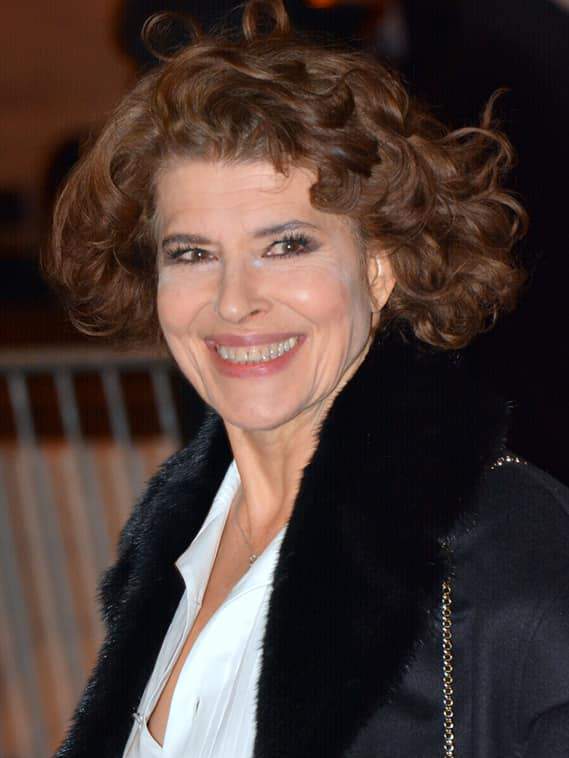
Marianne Drumond (Fanny Ardant)
Played by Fanny Ardant
Victor’s wife, whose marriage is collapsing. Marianne’s involvement in the performance world and her complicated dynamic with Antoine frame the real-life stakes of Victor’s return to the past. She embodies the fragile line between present relationships and the lure of curated memories.
- 💔 Complex
- 🧩 Manipulated
- 🗝️ Key
- M(
Margot (Doria Tillier)
Played by Doria Tillier
An actress who plays Marianne in the reconstituted memories and shares a tense, fraught relationship with Antoine. Margot embodies the performative and professional challenges of bringing era-specific characters to life. Her presence underscores the tension between role and reality within the memory experience.
- 🎬 Performer
- 👥 Complicated
- 🧭 Ambiguous
- MD
Maxime Drumond (Michaël Cohen)
Played by Michaël Cohen
Victor’s son and the driving force behind organizing the memory evening. He funds and facilitates the experience in an effort to cheer his father up, blurring the line between care and control. His involvement reveals familial love and the impulse to fix what time has worn down.
- 💡 Generous
- 🧭 Connector
- 👨👦 Family
Where and When Is La Belle Époque Set?
La Belle Époque is set in La Belle Époque café and Lyon (Present-day and 1974). Here is why the time and place matter to the story.
When
Present-day and 1974
The story shifts between contemporary life, where Victor confronts his disillusionment with modern tech and marriage, and a meticulously staged memory set around May 16, 1974. In the memory, the café and surrounding setting aim to recreate a bygone era with immersive detail. This dual temporal structure drives the film’s exploration of reality versus performance.
Where
La Belle Époque café, Lyon
The La Belle Époque café in Lyon serves as the central stage for the reconstructed memories. It is presented as a nostalgic gateway where Victor relives a defining week of his life. The space is depicted as a carefully recreated past, blending theatricality with emotional stakes.
- 🎭 Memory-focused setting
- 🗺️ Time-travel experience
- 🏛️ Historical recreation
What Are the Themes of La Belle Époque?
3 ideas the story keeps returning to, among them Nostalgia, Authenticity vs. Illusion and Love & Memory.
-
01
Nostalgia
Nostalgia drives Victor to seek solace in a past he memories as ideal. The film examines how longing for a feel-good era can distort present choices and relationships. The memory company capitalizes on that ache, offering a seductive but risky retreat from the present.
-
02
Authenticity vs. Illusion
Les Voyageurs du Temps aims for authentic recreations, pushing actors to deliver convincing eras. The line between genuine feeling and staged sentiment blurs as participants invest in the illusion. The film critiques the ethics of commodifying memory when performance starts to supplant lived experience.
-
03
Love & Memory
Victor’s search centers on a great love he met in 1974, highlighting how memory can define personal identities. The romance rekindled in the staged past tests loyalty and truth, while Marianne’s presence in both timelines complicates commitment. The story ultimately probes whether memories sustain or erode real relationships.
What Kind of Film Is La Belle Époque?
Melancholic in tone, with steady pacing and a moderate story, going by the plot summary.
- Tone
- Melancholic
- Pacing
- Steady
- Story
- Moderate
- Intensity
- Medium
- Ending
- Bittersweet
A melancholic and nostalgic journey through reconstructed memories, exploring themes of love and regret with a dreamlike, romantic atmosphere.
- nostalgic
- melancholic
- reflective
- romantic
- dreamlike
- disillusioned
- time travel
- memory and nostalgia
- marriage crisis
- lost love
Quiz
How well do you remember La Belle Époque? Test yourself on the story.