What Is Interview with the Assassin About?
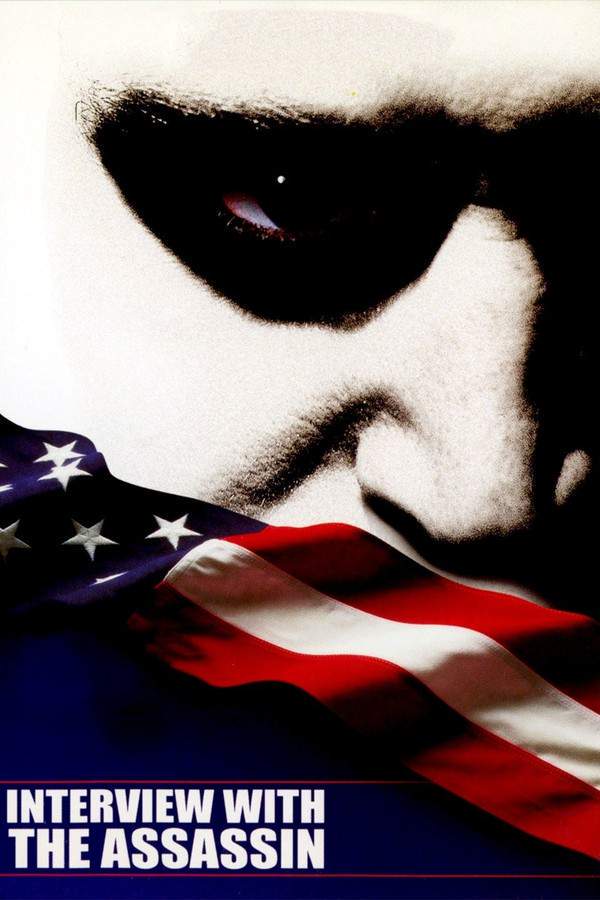
The premise of Interview with the Assassin in 302 words, with nothing given away. The full story follows below.
In the muted rhythm of a struggling newsroom, Ron Kobeleski drifts between unpaid gigs and the stale comforts of his modest apartment, his camera a silent witness to a life that feels more like background footage than headline news. The city around him moves in muted grayscale, its ordinary streets humming with the kind of low‑key tension that makes every unnoticed detail feel oddly significant. Ron’s world is one of routine, where the only excitement comes from the flicker of a monitor and the hope of a breakthrough story that never arrives.
Across the thin wall of his building lives a solitary figure whose presence has been little more than an occasional shadow—Walter Ohlinger, a retired Marine grappling with terminal illness and a maze of memories. When Walter finally breaks his silence, he offers Ron a confession that turns the quiet of their neighborhood into a thunderstorm of possibility: a claim that he, not the infamous Lee Harvey Oswald, fired the decisive shot from Dallas’s “grassy knoll” on that fateful November day in 1963. The revelation is both a spark and a weight, pulling Ron out of his inertia and into a labyrinth of doubt, curiosity, and a historic conspiracy that has haunted the nation for decades.
The film’s tone is a tight‑knit blend of gritty documentary realism and psychological thriller, inviting the audience to see through Ron’s lens as if they, too, are holding the camera. The visual style mirrors his perspective, grounding the story in an intimate, almost voyeuristic intimacy that makes every whispered confession and lingering glance feel like evidence waiting to be examined. As Ron is drawn deeper into Walter’s unsettling narrative, the atmosphere tightens, hinting at hidden motives and the unsettling notion that some truths may be more dangerous to uncover than the mysteries that conceal them.
What Happens in Interview with the Assassin?
The complete story of Interview with the Assassin, from the first scene to the last, in 355 words (about 2 minutes). Spoilers throughout. Names in the text link to 1 cast member page.
Spoilers ahead
Ron Kobeleski, an unemployed cameraman living a life of monotony, finds his world turned upside down when he learns a shocking secret from his reclusive neighbor, Walter Ohlinger. Walter, a retired Marine facing terminal cancer, confesses that he, rather than Lee Harvey Oswald, was the one who fired the fatal shot that assassinated President John F. Kennedy in Dallas, Texas on November 22, 1963. This revelation sends Kobeleski into a tailspin, as he discovers that the conspiracy theory surrounding a second shooter on the grassy knoll holds a startling grain of truth—Ohlinger is claiming to be that gunman. In support of his startling declaration, Ohlinger shows Kobeleski a spent casing from the rifle he allegedly used, leaving the cameraman both intrigued and bewildered.
At first, Kobeleski is filled with doubt and demands solid evidence. Accompanying Ohlinger on his quest to validate his claims, they meet various individuals who appear to bolster Ohlinger’s narrative. Meanwhile, others, including his ex-wife, label him a lunatic and a fraud, intensifying the conflict for Kobeleski as he grapples with the weight of Ohlinger’s confession against the looming possibility that it might just be a desperate last effort to establish a legacy.
The dramatic arc of the film reaches its peak when Ohlinger attempts to assassinate the current president, leading to a gripping confrontation at his home. In a moment of self-preservation, Kobeleski is forced to take extreme action. The fallout from this encounter is severe; Kobeleski is arrested and faces charges as an accomplice in the assassination attempt, resulting in a three-year prison sentence. In a heart-wrenching interview with a journalist just before his incarceration, he admits, > “telling my side of the story won’t help me at all.” The film’s closing moments are haunting, revealing that Kobeleski meets a tragic fate behind bars.
The unique storytelling approach further immerses the audience, as the cinematography mimics Ron Kobeleski’s point of view, giving the impression that he is documenting these events firsthand. Occasionally, the audience gets flashes of Dylan Haggerty, the talented actor who brings Kobeleski’s complex journey to life, enriching the narrative with an emotional depth that resonates throughout the film.
Interview with the Assassin Timeline: Every Key Event in Order
12 key events in the order they happen, from “Ron Kobeleski's Monotonous Life” to “Emotional Depth through Performance”. 3 events name a place, across 3 locations.
- 1
Ron Kobeleski's Monotonous Life
The film opens with Ron Kobeleski, an unemployed cameraman, leading a life of monotony. His days are filled with aimlessness and a lack of purpose, showcasing his struggle to find meaning in a world that seems stagnant.
- 2
Walter Ohlinger's Shocking Secret
Kobeleski's life takes a dramatic turn when his reclusive neighbor, Walter Ohlinger, reveals a shocking secret. Ohlinger confesses to Kobeleski that he was the one who fired the fatal shot that killed President John F. Kennedy, rather than the commonly believed Lee Harvey Oswald.
Where:Kobeleski's neighborhood
- 3
The Grassy Knoll Revelation
Ohlinger’s confession introduces the unsettling idea that the conspiracy theory surrounding a second shooter on the grassy knoll might have truth to it. This claim sends Kobeleski spiraling into doubt and intrigue as he grapples with the enormity of the revelation.
- 4
Searching for Evidence
Kobeleski, filled with skepticism, demands solid evidence to believe Ohlinger's confession. Accompanying him on a quest for validation, the pair seek out individuals that support Ohlinger's narrative, deepening the mystery.
- 5
Conflict with His Ex-Wife
As Kobeleski becomes engrossed in Ohlinger's story, he faces mounting pressure from his ex-wife, who dismisses him as a lunatic and a fraud. This personal conflict adds another layer of tension as Kobeleski struggles between loyalty and disbelief.
- 6
The Attempted Assassination
The film takes a terrifying turn when Ohlinger attempts to assassinate the current president. This dramatic act escalates the stakes and propels Kobeleski into a life-or-death situation as he confronts Ohlinger.
Where:Ohlinger's home
- 7
Kobeleski's Extreme Action
In a moment of self-preservation during Ohlinger's assassination attempt, Kobeleski is forced to take extreme measures. This drastic action leads to unforeseen consequences that drastically reshape the course of his life.
- 8
Arrest and Legal Trouble
Following the thwarted assassination attempt, Kobeleski faces arrest and is charged as an accomplice. The gravity of his situation is accentuated as he learns he may serve a three-year prison sentence.
- 9
Heart-Wrenching Admission
Just before his incarceration, Kobeleski gives a poignant interview to a journalist. He heartbreaking admits, 'telling my side of the story won't help me at all,' which underscores his feelings of hopelessness and despair.
- 10
Tragic Fate Behind Bars
In the film's haunting closing moments, it is revealed that Kobeleski meets a tragic fate while imprisoned. This twist leaves the audience reflecting on the heavy consequences of choices made in desperation.
Where:Prison
- 11
Cinematographic Perspective
The film creatively employs cinematography that mimics Ron Kobeleski's point of view. This storytelling approach allows the audience to feel as though they are witnessing the events firsthand through Kobeleski's lens.
- 12
Emotional Depth through Performance
Dylan Haggerty, portraying Kobeleski, brings a complex emotional depth to the character's journey. His rich performance resonates throughout the film, enriching the narrative with moments of vulnerability and despair.
Who Are the Main Characters in Interview with the Assassin?
2 characters, among them Ron Kobeleski (Dylan Haggerty) and Walter Ohlinger (Raymond J. Barry): who each one is and the part they play in the story. Every profile links to the actor’s page.
- RK
Ron Kobeleski (Dylan Haggerty)
Played by Dylan Haggerty
Ron Kobeleski is an unemployed cameraman whose mundane life spirals into chaos after a shocking revelation from his neighbor. His journey portrays a man caught between skepticism and the allure of conspiracy, ultimately leading him to face dire consequences for his choices.
- 🎥 Filmmaker
- 🧠 Intellectual
- 🥺 Tragic
-
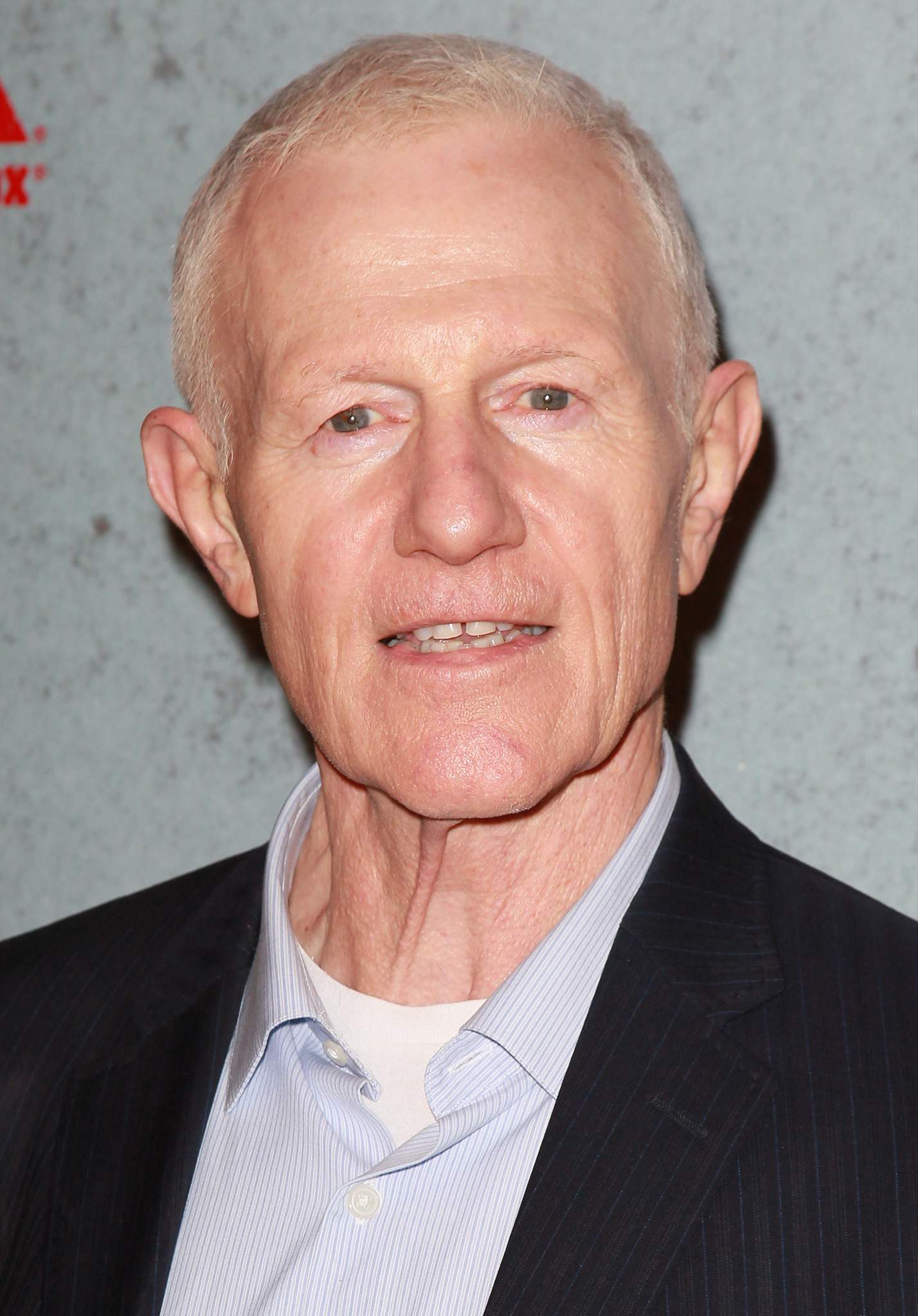
Walter Ohlinger (Raymond J. Barry)
Played by Raymond J. Barry
Walter Ohlinger is a retired Marine who claims to have been a second shooter in the assassination of JFK. His character is driven by desperation and a need for validation, presenting a chilling confession that complicates the narrative around his legacy. His conflicting nature elicits both sympathy and skepticism from those around him.
- 🪖 Veteran
- 💀 Terminal
- 😔 Complex
Where and When Is Interview with the Assassin Set?
Interview with the Assassin is set in Dallas and Texas (1963). Here is why the time and place matter to the story.
When
1963
The year 1963 is marked by significant events in American history, including the civil rights movement and the cold war tensions. It culminated in the assassination of President John F. Kennedy, an event that shocked the nation and led to widespread speculation and conspiracy theories regarding the circumstances surrounding his death.
Where
Dallas, Texas
Dallas, Texas, is known as a vibrant cultural and economic hub in the southern United States. It’s historically significant for being the site of President John F. Kennedy's assassination on November 22, 1963, a pivotal moment in American history that continues to spark debate and conspiracy theories.
- 🏙️ City
- 🏛️ Historical
What Are the Themes of Interview with the Assassin?
3 ideas the story keeps returning to, among them Conspiracy, Desperation and Justice.
-
01
Conspiracy
The theme of conspiracy runs throughout the film as it delves into the secrets and hidden truths surrounding the assassination of President Kennedy. As characters navigate their beliefs and doubts, the narrative questions the reliability of perceived truths and the lengths individuals will go to protect their legacies.
-
02
Desperation
Desperation is a central theme embodied by Walter Ohlinger, who, facing terminal illness and a desire to leave a mark on history, fabricates a shocking confession. This theme extends to Ron Kobeleski, whose monotonous life is dramatically disrupted, forcing him to confront the turbulent realities of truth and betrayal.
-
03
Justice
The film explores the theme of justice as Ron Kobeleski grapples with his role in the aftermath of Ohlinger's claims. His journey highlights the complexities of morality, legality, and the consequences of choices made under extraordinary circumstances.
What Kind of Film Is Interview with the Assassin?
Tense in tone, with steady pacing and a straightforward story, going by the plot summary.
- Tone
- Tense
- Pacing
- Steady
- Story
- Straightforward
- Intensity
- High
- Ending
- Bleak
A tense and unsettling found-footage thriller that immerses the viewer in a paranoid search for truth, culminating in a tragic and deeply bleak conclusion.
- tense
- anxious
- paranoid
- claustrophobic
- gripping
- unsettling
- conspiracy theory
- political assassination
- truth seeking
- documentary filmmaking
Content notes: assassination, gun violence, death, imprisonment.
Quiz
How well do you remember Interview with the Assassin? Test yourself on the story.