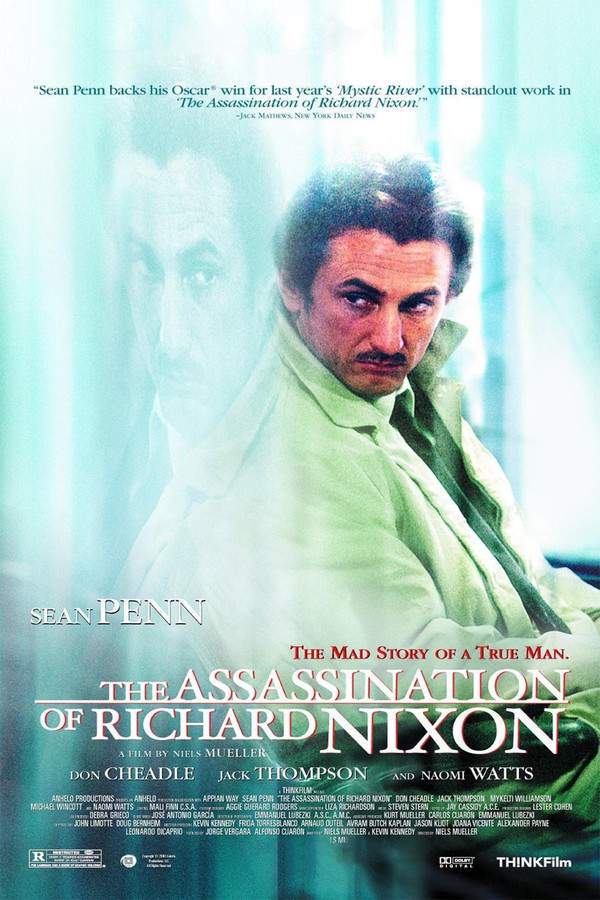
The Assassination of Richard Nixon 2004

Directed by

Niels Mueller
Made by

THINKFilm
The Assassination of Richard Nixon Plot Summary
Read the complete plot summary and ending explained for The Assassination of Richard Nixon (2004). From turning points to emotional moments, uncover what really happened and why it matters.
In 1973, Sam Bicke (portrayed by Sean Penn), a 43-year-old salesman from Philadelphia, finds himself battling a wave of misfortune. He yearns to mend the rift with his estranged wife, Marie (played by Naomi Watts). A man driven by his principles, he quit his job at his brother Julius’s (rendered by Michael Wincott) tire shop, claiming it was because he couldn’t bear to lie to customers. In a misguided belief that society’s inequalities impact poor white people in a similar way to racial minorities, he tries to align himself with the Black Panthers. His ultimate ambition revolves around launching a mobile tire business alongside his best friend, Bonny (performed by Don Cheadle), an African-American mechanic.
Sam secures a position at an office furniture store, where his new boss, Jack (played by Jack Thompson), offers him condescending advice while Sam’s social awkwardness hampers his sales performance. Jack praises Richard Nixon, calling him the greatest salesman for promising U.S. withdrawal from Vietnam while basking in his re-election victory in 1972 with a similar promise, a stark reminder of the disillusionment that grips Sam.
As time goes by, he grows increasingly frustrated with his place in society. Desperate to obtain a government loan for his venture with Bonny, he anxiously anticipates a response in the mail. His performance continues to plummet, and suspicion arises regarding his marital status since Jack only hires married salesmen. Meanwhile, Marie’s consistent rejection of Sam’s sporadic attempts at reconciliation—culminating in her sending him a divorce decree—leaves him heartbroken and in tears. In a moment of anger, he sabotages his work sale to make a statement and, subsequently, quits his job. Watching Nixon during the Watergate scandal, he shouts at the screen, >“It’s about money, Dick!”
With the loan application still unapproved, Sam resorts to breaking into his brother’s tire shop to place a substantial order for Bonny. Soon, however, his application is denied, his rent is overdue, and he learns that Julius has taken matters into his own hands by bailing out Bonny following a legal mishap. This revelation seals Sam’s fate as Julius cuts ties with him entirely, deeming him a hypocritical deadweight.
As despair tightens its grip, Sam becomes fixated on Nixon. After witnessing a news segment about a helicopter pilot who flew near the White House and was subsequently arrested, a dark plan starts to take shape in his mind—a plot to hijack a commercial airplane and crash it into the very heart of American politics. In the subsequent two weeks leading up to his drastic action, he records a message to his idol, Leonard Bernstein, outlining his intentions and emotional struggles.
In preparation for this audacious act, Sam withdraws his savings, steals Bonny’s gun, and targets a restaurant where Jack is dining. He finds himself unable to pull the trigger and panics, fleeing the scene. He then spends a restless night in the empty shell of his former home before committing an unthinkable act of violence against their family dog. The following day, he heads to the Baltimore–Washington International Airport, concealing a gun against his leg and carrying a suitcase of gasoline. After mailing his confession to Bernstein, he initially plans to wait to board his flight but, overwhelmed by unexpected security measures, he sprints onto the plane, shooting a police officer in the chaos.
Once aboard, he indiscriminately fires at the cockpit, fatally wounding one pilot and injuring another. In a frantic bid to assert control, he coerces a passenger to take on the role of co-pilot. However, as law enforcement intervenes, he is shot through a window but tragically opts for suicide before authorities can apprehend him. The chilling aftermath of his actions plays out on television, yet neither Bonny nor Marie shows any noticeable reaction to the tragedy surrounding Sam’s descent into madness.
The Assassination of Richard Nixon Timeline
Follow the complete movie timeline of The Assassination of Richard Nixon (2004) with every major event in chronological order. Great for understanding complex plots and story progression.
Sam Bicke's Misfortunes Begin
In 1973, Sam Bicke, a 43-year-old salesman from Philadelphia, faces a series of unfortunate events that leave him struggling. Driven by his principles, he chooses to quit his job at his brother Julius's tire shop, unable to reconcile his role in lying to customers.
Strained Marital Relationship
Sam's attempts to reconnect with his estranged wife, Marie, prove futile as she continues to reject him. This emotional turmoil deepens as Marie eventually sends him a divorce decree, leaving Sam heartbroken.
Joining the Black Panthers
In a misguided effort to understand societal inequalities, Sam attempts to align himself with the Black Panthers, believing that poor white people share similar struggles to racial minorities. His intentions reflect a desperation to find a place in a world that seems to exclude him.
New Job at Office Furniture Store
Sam secures a position at an office furniture store, where he faces condescension from his boss, Jack. Despite Jack's advice, Sam's social awkwardness leads to consistently poor sales performance, saturating him with a sense of inadequacy.
Descent into Despair
As time progresses, Sam's frustration with his societal position intensifies. After sending a government loan application to fund a mobile tire business with his friend Bonny, he anxiously awaits a response that never arrives, compounding his sense of hopelessness.
Outburst at Work
In a fit of rage, Sam deliberately sabotages a sale at work to express his discontent, leading to his eventual resignation. He watches the Watergate scandal unfold on television, echoing his disdain with a potent shout at Nixon, stating, 'It's about money, Dick!'
Breaking Into Julius's Shop
Desperate for funding, Sam resorts to breaking into his brother’s tire shop to place an order for Bonny. His ongoing struggles deepen when he discovers that his loan application has been denied, leaving him financially stranded and abandoned by his brother.
Fixation on Nixon
Sam begins to develop an obsession with Richard Nixon, particularly after witnessing a news segment involving a helicopter pilot’s arrest. This fixation escalates into a dark plan, where he contemplates hijacking a plane as a means of making a statement.
Preparing for a Drastic Action
In a prelude to chaos, Sam withdraws his savings and steals Bonny's gun. He hesitates when targeting Jack at a restaurant and ultimately panics, showcasing his internal conflict and desperation as he flees from the scene.
Final Acts of Violence
After a sleepless night in his abandoned home, Sam commits an irrational act of violence against his family dog, indicating his deteriorating mental state. This harrowing moment is a precursor to the violence he is about to unleash upon the world.
The Airport Incident
With a gun concealed and a suitcase full of gasoline, Sam arrives at the Baltimore–Washington International Airport after mailing a confession to Leonard Bernstein. Panic ensues when he encounters heightened security and rushes onto a plane, resulting in chaos and violence.
Hijacking the Plane
Once aboard the plane, Sam begins firing indiscriminately at the cockpit, fatally wounding one pilot and injuring another. In his frantic bid for control, he coerces a passenger to assume the role of co-pilot, showcasing his unraveling grip on reality.
Confrontation with Law Enforcement
As law enforcement attempts to intervene, Sam is shot by officers trying to subdue him. In a tragic culmination of his descent into madness, he chooses suicide over capture, encapsulating the despair that defined his final moments.
Chilling Aftermath
Following Sam's death, the repercussions of his actions resonate across the nation. Coverage of the tragic event reveals a stark contrast to the apathy of Bonny and Marie, who show little to no reaction to the calamity that unfolded around them.
The Assassination of Richard Nixon Characters
Explore all characters from The Assassination of Richard Nixon (2004). Get detailed profiles with their roles, arcs, and key relationships explained.
Sam Bicke (Sean Penn)
Sam Bicke is a profoundly troubled individual whose moral compass leads him to a series of misguided decisions. Driven by a desire for reconciliation and justice, he ultimately succumbs to despair and violence. His character embodies the struggle against societal injustices and personal demons, leading to tragic consequences.
Marie Bicke (Naomi Watts)
Marie Bicke is Sam’s estranged wife who grapples with the fallout of their failing marriage. Her consistent rejection of Sam’s attempts for reconciliation showcases her exasperation with his instability. Marie represents the emotional toll that Sam's struggles impose on those around him, embodying the pain of unmet expectations.
Bonny (Don Cheadle)
Bonny is Sam’s best friend and partner in the mobile tire business venture. As an African-American mechanic, he offers a contrasting perspective to Sam's misguided beliefs about societal issues. His loyalty and attempts to support Sam reveal the complexity of friendship amidst personal crises.
The Assassination of Richard Nixon Settings
Learn where and when The Assassination of Richard Nixon (2004) takes place. Explore the film’s settings, era, and how they shape the narrative.
Time period
1973
The year 1973 was marked by political disillusionment and social upheaval within America. Coming off the heels of the Vietnam War and as the Watergate scandal unraveled, many citizens grappled with their trust in government and authority. This context of unrest heavily influences Sam's mindset and decisions throughout the film.
Location
Philadelphia, Baltimore–Washington International Airport
Philadelphia serves as the backdrop for Sam Bicke's tumultuous life. Known for its rich history and cultural significance, the city is a microcosm of American dreams and disappointments. The Baltimore–Washington International Airport becomes the tragic stage for Sam's desperate actions, symbolizing the chaotic intersection of his aspirations and ultimate downfall.
The Assassination of Richard Nixon Themes
Discover the main themes in The Assassination of Richard Nixon (2004). Analyze the deeper meanings, emotional layers, and social commentary behind the film.
⚖️
Social Inequality
The theme of social inequality permeates through Sam's struggles and motivations. He perceives the challenges faced by his own demographic as similar to those of marginalized communities. His misguided attempts to align himself with the Black Panthers embody his desire for social justice, despite the tragic path he ultimately chooses.
💔
Despair
Despair is a central theme that drives the narrative of Sam's life. With each failure, from his job loss to the dissolution of his marriage, he spirals further into a profound sense of hopelessness. His desperate actions reflect a cry for help and the tragic consequences of unaddressed mental health issues.
🛩️
Violence
Violence serves as the ultimate expression of Sam’s internal turmoil and desperation. His shift from an ordinary life to contemplating an act of terror illustrates a critical commentary on the extremes one might reach when pushed to the edge. This theme culminates in a tragic climax that highlights the devastating impact of violence and mental breakdown.

Coming soon on iOS and Android
The Plot Explained Mobile App
From blockbusters to hidden gems — dive into movie stories anytime, anywhere. Save your favorites, discover plots faster, and never miss a twist again.
Sign up to be the first to know when we launch. Your email stays private — always.
Explore the mobile appThe Assassination of Richard Nixon Spoiler-Free Summary
Discover the spoiler-free summary of The Assassination of Richard Nixon (2004). Get a concise overview without any spoilers.
In the early 1970s, a restless America teeters between the lingering optimism of post‑war prosperity and the bitter disillusionment of a nation rocked by scandal. Television screens flicker with the unraveling of a presidency, and the streets of Philadelphia pulse with the ordinary struggles of working‑class lives. The film captures this uneasy epoch with a muted, grainy palette that feels both intimate and oppressive, allowing the political turmoil to echo through every personal interaction.
At the heart of the story is Sam Bicke, a thirty‑something salesman whose earnest principles clash violently with the compromises he sees around him. He has left a family business, resigned from a sales job, and clings to a vision of honesty that feels increasingly out of step with the world’s relentless pragmatism. His frustration is not merely professional; it is a moral crisis that drives him to question the very foundations of the American Dream.
Marie, his estranged wife, represents a fragile link to a past that Sam cannot quite let go, while his brother Julius and best friend Bonny embody the divergent paths of loyalty and ambition that Sam navigates. Their interactions reveal a web of strained kinship, racial tension, and unfulfilled aspirations, all under the watchful eye of Jack, the condescending manager whose praise of the president underscores the pervasive disconnect between rhetoric and reality. These relationships amplify Sam’s sense of isolation, as each encounter highlights the gap between his ideals and the compromises demanded by everyday life.
Against this backdrop, Sam’s growing obsession with the embattled president becomes a desperate outlet for his yearning to reclaim agency. The film suggests that his simmering resentment may push him toward a reckless, symbolic act aimed at confronting the nation’s highest authority. In doing so, it asks whether a single man’s quest for meaning can ever transcend the corrosive forces of a society he feels has betrayed him, all while maintaining a tense, brooding atmosphere that never lets the viewer forget the fragile line between conviction and madness.
Movies with Similar Twists and Themes
Uncover films that echo the narrative beats, emotional arcs, or dramatic twists of the one you're exploring. These recommendations are handpicked based on story depth, thematic resonance, and spoiler-worthy moments — perfect for fans who crave more of the same intrigue.
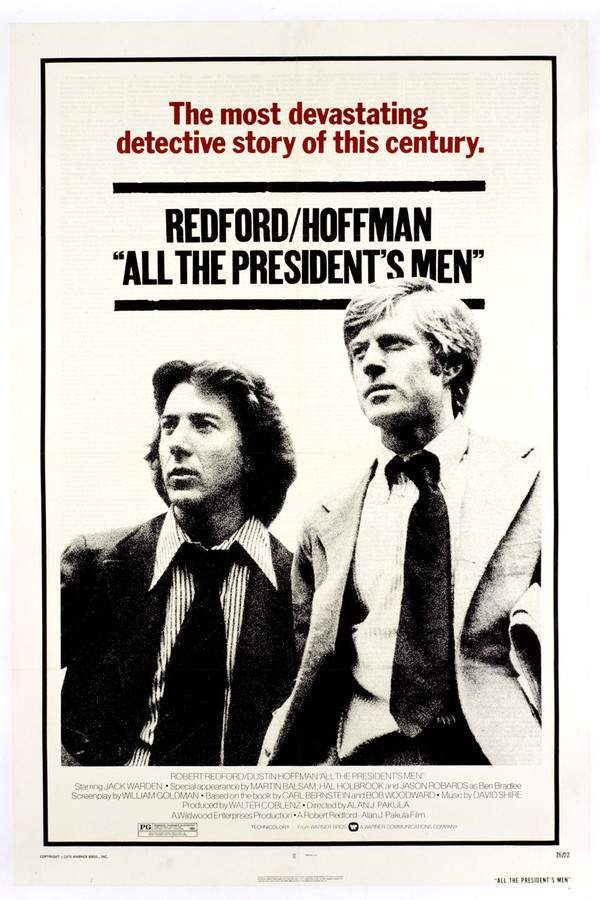
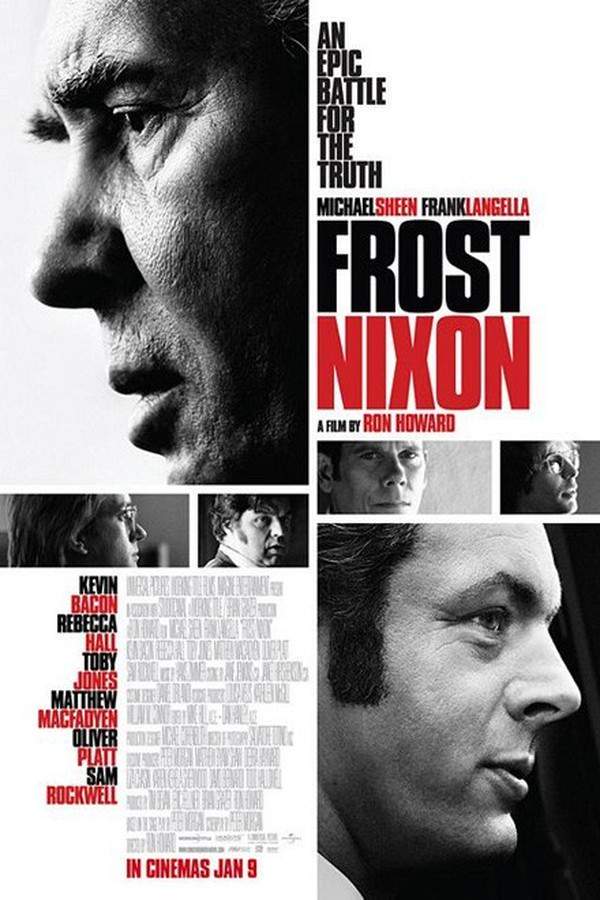
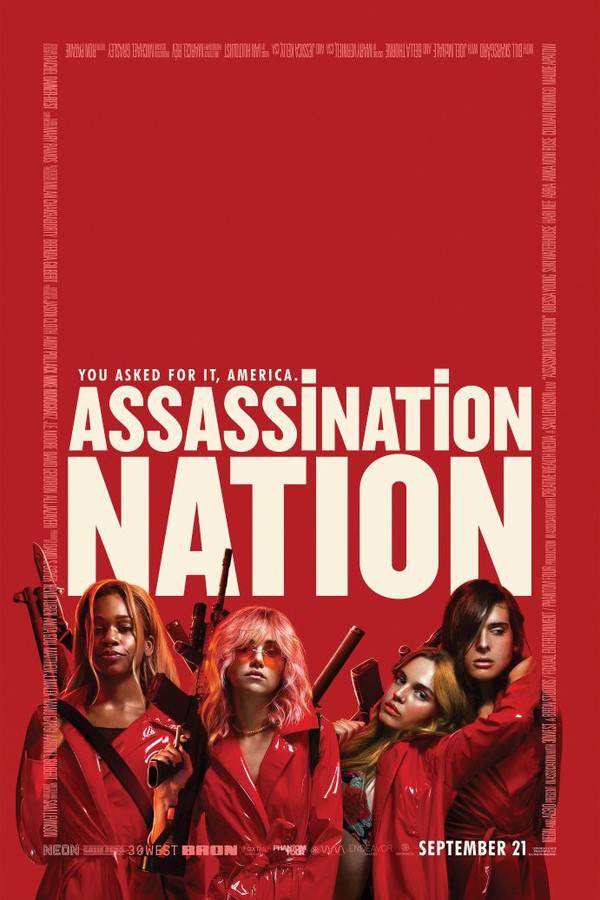



Featured on this page

What's After the Movie?
Not sure whether to stay after the credits? Find out!
Check out our other apps:

SAT Sphere
Build confidence for the Digital SAT.

Mori Atlas
Discover wild places worth protecting.

Luntero
Search smarter for a home in Amsterdam.

Plot Explained
Unravel movie endings and hidden clues.

Pokechamp
Dive into Pokémon data and battle logic.

Driving Theory
Get ready for your European theory test.

Movie Dust
Plan your next cinema trip with ease.

Musemap
Find art and culture as you travel.

Selkobase
Compare credentials before committing.

Local Manual
Turn an unfamiliar country into practical next steps.

Lernavi
Compare school systems before your next move.

GymRoam
Find a workout stop wherever your plans take you.
Explore Our Movie Platform
New Movie Releases (2026)
Famous Movie Actors
Top Film Production Studios
Movie Plot Summaries & Endings
Major Movie Awards & Winners
Best Concert Films & Music Documentaries
Movie Collections and Curated Lists
© 2026 What's After the Movie. All rights reserved.
Privacy Policy