What Is Interlude About?
The premise of Interlude in 298 words, with nothing given away. The full story follows below.
In the refined atmosphere of Munich, Helen Banning steps away from her life in America to take a position with a cultural agency, immersing herself in a world where art, music, and personal boundaries intersect. Eager for professional fulfillment but cautious regarding matters of the heart, she initially insists she has no interest in romance. The city’s artistic pulse provides a vibrant backdrop for her new beginning, offering a landscape of concert halls and secluded estates that promises enrichment rather than emotional turmoil. Yet, the sophisticated veneer of this environment hides currents of intense feeling that threaten to upend her carefully laid plans.
Her intentions are quickly challenged when she meets the renowned conductor Tonio Fischer, a man of immense talent whose magnetic presence suggests both artistic brilliance and personal complexity. As Helen is drawn into his circle, she discovers that his life is tethered to delicate circumstances that make any potential connection fraught with ethical complications. Standing in stark contrast is Dr. Morley Dwyer, a figure from her past whose practical, grounded approach to life offers a sanctuary of stability. His arrival forces Helen to weigh the allure of a complicated passion against the safety of a more traditional future.
The narrative weaves a tense tapestry of emotional choices, positioning Helen at a crossroads between desire and duty. As she navigates the expectations of her role and the pressure of conflicting romantic possibilities, the story examines the heavy price of infidelity and the elusive nature of happiness. With the guidance of perceptive observers and the weight of her own integrity, Helen must navigate the fallout of her growing attachments. The film invites the audience to consider whether true love demands self-sacrifice or the courage to pursue a difficult, honest path through the complexities of the human heart.
What Happens in Interlude?
The complete story of Interlude, from the first scene to the last, in 533 words (about 2 minutes). Spoilers throughout. Names in the text link to 5 cast member pages.
Spoilers ahead
In Munich, Helen Banning leaves America to take a position with a cultural agency, stepping into a refined world where art, music, and personal boundaries intersect. She is cautious about romance, telling anyone who asks that she isn’t eager to start a new relationship right away, even as she becomes drawn into the orbit of the city’s artistic life.
Her new boss, Prue Stubbins, introduces her to a renowned conductor, Tonio Fischer, whose magnetic presence hints at both talent and trouble. When Tonio abruptly leaves a concert hall, Helen follows him to the secluded estate of a countess, Irena Reinhart, where she discovers that Tonio is playing piano for a woman who turns out to be his wife, Reni Fischer. The scene lays bare a marriage strained by illness and distance, and Tonio’s distress over Reni’s mental illness makes the situation all the more delicate and fraught.
Tonio’s allure certainly doesn’t help Helen’s resolve. He is a gifted artist whose personal life is tangled in pain and obligation, and his attraction to Helen pulls him toward a risky day trip to Salzburg, Austria. What begins as a chance encounter quickly becomes a private, intimate interlude, a glimpse into a connection that could derail both of their lives. Yet Helen’s sense of integrity resurfaces quickly, and she is furious when she realizes that Tonio is a married man, recognizing the moral hazard of pursuing something that could devastate another family.
Meanwhile, Dr. Morley Dwyer arrives in Helen’s orbit as a practical, steadying influence. Dr. Morley Dwyer sees Helen with compassion and seriousness, and although he is aware of her complicated emotional situation, he makes a bold proposition of his own—marriage—placing Helen at a crossroads between desire and duty. The tension intensifies as the story weighs the costs of infidelity against the possibility of a new life built on honesty and commitment.
The nimble dance of loyalties continues as the countess herself— Comtesse Reinhart—urges Helen to listen to her heart and seek happiness, even if that path leads away from Tonio. The emotional pull between art, marriage, and personal happiness becomes a central question: should Helen pursue a romance that could fracture a family, or do the responsible thing and step back from a dangerous liaison?
Back at the estate, the crisis deepens when Reni arrives at a concert to plead with Helen not to take her husband away. Reni’s desperate plea reinforces the stakes of Helen’s choices, and the moment brings the fragile state of their lives into sharp relief. In a powerful turn, Reni attempts suicide and is rescued by Helen from a lake—a moment that tests Helen’s resolve and exposes the depths of pain within Tonio’s world and Reni’s vulnerability.
Ultimately, Helen makes a decisive choice. She ends her involvement with Tonio, faces the consequences of the past few days, and resolves to return home. The film layers themes of passion, guilt, and responsibility, painting a portrait of a woman who searches for personal happiness without trampling others’ lives. Through Helen’s journey, the story examines how love can be both a source of beauty and a burden, and how courage sometimes means choosing a difficult, honest path over an easy, compromising one.
Interlude Timeline: Every Key Event in Order
11 key events in the order they happen, from “Helen moves to Munich to begin a new job” to “Helen ends the affair and decides to return home”. 11 events name a place, across 7 locations.
- 1
Helen moves to Munich to begin a new job
Helen Banning relocates to Munich to start a role with a cultural agency, beginning a new chapter abroad. She meets Morley Dwyer, a handsome doctor, but she keeps her guard up and avoids rushing into romance. The move sets the emotional stage for the relationships that will unfold.
Where:Munich, Germany
- 2
Helen is introduced to Tonio Fischer
Prue Stubbins introduces Helen to Tonio 'Tony' Fischer, a renowned symphony conductor. Helen senses his magnetism, yet she remains cautious about getting involved. The encounter foreshadows a powerful attraction that will complicate her stay.
Where:Munich, Germany
- 3
Tony leaves the concert and Helen follows to the Countess's estate
As the concert's pressures mount, Tony abruptly departs, and Helen follows him. At the Countess Irena Reinhart's estate she discovers Tony playing piano for his wife, Reni, unaware of the full situation. The reveal exposes a tangle of devotion, illness, and secrecy.
Where:Estate of Countess Irena Reinhart
- 4
Tony's distress and invitation to Salzburg
Tony confesses that Reni's mental illness weighs heavily on him and that he feels drawn to Helen. He invites her to accompany him on a day trip to Salzburg, signaling the start of an illicit connection. The invitation marks a turning point toward personal intimacy.
Where:Salzburg, Austria
- 5
A private day in Salzburg
Helen accepts and spends several hours with Tony in Salzburg, sharing a private escape from their separate lives. The moments deepen their attraction, while hedging against the consequences. She soon learns that Tony is a married man, complicating her feelings further.
Where:Salzburg, Austria
- 6
Helen discovers Tony is married and reacts
Upon returning, Helen is furious when she discovers Tony has a wife. The knowledge transforms the affair into a moral crossroads rather than a simple fling. Her anger signals a shift toward choosing her own integrity over passion.
Where:Munich, Germany
- 7
Morley proposes marriage to Helen
Morley, knowing about Helen's involvement with Tony, proposes marriage as a path to security. The offer creates a conflict between stability and true happiness. Helen must weigh duty against desire as she considers her future.
Where:Munich, Germany
- 8
The Countess counsels Helen to follow her heart
Countess Irena Reinhart urges Helen to pursue happiness, suggesting she should not let social obligations stand in the way. The advice heightens the emotional stakes and reinforces Helen's inner conflict. Helen remains torn between longing and loyalty.
Where:Estate
- 9
Reni confronts Helen at the concert
Reni appears at a concert to beg Helen not to take her husband away, highlighting the real human cost of the affair. The scene intensifies the tension around Tony's marriage and Helen's feelings. Helen endures the confrontation while still weighing her options.
Where:Munich, concert venue
- 10
Reni's suicide attempt and rescue
Back at the estate, Reni attempts suicide and is rescued from a lake by Helen, deepening the drama and the stakes for everyone involved. The incident forces Helen to confront the consequences of her choices. It reinforces the fragility of Tony's domestic life.
Where:Estate near a lake
- 11
Helen ends the affair and decides to return home
Helen permanently ends her relationship with Tony after recognizing the damage done. She decides to return home, seeking stability and a life aligned with her values. The film closes with her resolve to move forward without Tony.
Where:United States
Who Are the Main Characters in Interlude?
5 characters, among them Tonio Fischer (Rossano Brazzi), Reni Fischer (Marianne Koch) and Helen Banning (June Allyson): who each one is and the part they play in the story. 4 of them link to the actor’s page.
-
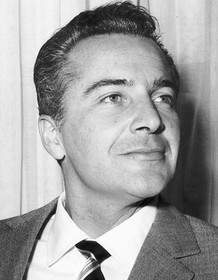
Tonio Fischer (Rossano Brazzi)
Played by Rossano Brazzi
A renowned symphony conductor who is married to Reni. He grapples with a powerful attraction to Helen, balancing charisma with underlying insecurity. His actions reveal a conflict between professional integrity and personal longing, ultimately testing his commitments.
- 🎼 Music
- 💔 Infidelity
- 🧭 Moral Dilemma
-

Reni Fischer (Marianne Koch)
Played by Marianne Koch
Tonio’s wife, depicted as mentally ill, whose fragility shapes the emotional atmosphere around her marriage. Her condition complicates her relationship with Tonio and influences the choices Helen must make. She embodies vulnerability and the consequences of untreated suffering.
- 💔 Infidelity
- 🧠 Mental Health
- 👰 Wife
- HB
Helen Banning (June Allyson)
Played by June Allyson
An American who relocates to Munich for a new cultural job. Independent and wary of romance, she becomes entangled with Tonio, then faces a painful decision about fidelity and happiness. Her arc centers on self-respect and choosing a path that aligns with her values.
- 💃 American
- 💔 Romance
- 🧭 Identity
- PS
Prue Stubbins (Jane Wyatt)
Played by Jane Wyatt
Helen’s boss at the cultural agency who introduces her to Tonio. Practical and professional, she guides Helen while avoiding unnecessary entanglements, representing the sensible voice in a tense emotional landscape.
- 💼 Professional
- 🧭 Boundaries
- 🎭 Mentorship
- CR
Comtesse Reinhart (Françoise Rosay)
The wealthy mistress of the Reinhart estate who urges Helen to follow her heart. She embodies a maternal yet manipulative influence, recognizing human longing while maintaining social poise. Her presence adds a layer of aristocratic tension to the relationships at play.
- 🏰 Aristocracy
- 💬 Guidance
- 🎭 Influence
Where and When Is Interlude Set?
Interlude is set in Munich, Germany, Salzburg, Austria, Reinhart Estate, Germany (1950s). Here is why the time and place matter to the story.
When
1950s
The film sits in the postwar European context of the 1950s, a period of cultural renewal and quiet social change. The era’s emphasis on rebuilding careers and personal lives provides a backdrop for music, marriage, and moral choices. The atmosphere blends sophisticated urban life with intimate melodrama, reflecting the era’s shifting norms.
Where
Munich, Germany, Salzburg, Austria, Reinhart Estate, Germany
The story unfolds primarily in Munich, a cultural hub of postwar Europe, with pivotal scenes at the Reinhart estate. Munich’s refined arts world contrasts with intimate, private spaces where personal entanglements play out. A day trip to Salzburg anchors the narrative in a famed classical music milieu, underscoring the characters’ artistic aspirations and emotional tensions.
- 🏛️ European City
- 🎼 Music Scene
- 🏰 Estate Setting
What Are the Themes of Interlude?
3 ideas the story keeps returning to, among them Forbidden Love, Duty vs Desire and Music & Emotion.
-
01
Forbidden Love
Love crosses moral boundaries as Helen is drawn to Tony despite his marriage to Reni. The affair exposes vulnerabilities and exposes the limits of social propriety. The characters’ desires collide with duty, forcing painful choices and consequences. The theme centers on the costs of pursuing passion at the expense of others’ well-being.
-
02
Duty vs Desire
Tony’s commitments to his wife clash with his attraction to Helen, highlighting the tension between personal happiness and marital duty. Reni’s fragility adds a moral weight to decisions, challenging each character’s sense of responsibility. The narrative probes whether desire can or should override obligations to family and society. The resolution tests the limits of forgiveness and self-control.
-
03
Music & Emotion
Music functions as both backdrop and catalyst, shaping relationships and mood. The conductor’s artistry mirrors his inner turmoil, while the Salzburg encounter intensifies emotional stakes. The orchestral world provides a refined setting where passion and vulnerability surface. Romantic chords and piano moments become metaphors for longing and reconciliation.
What Kind of Film Is Interlude?
Melancholic in tone, with steady pacing and a straightforward story, going by the plot summary.
- Tone
- Melancholic
- Pacing
- Steady
- Story
- Straightforward
- Intensity
- Medium
- Ending
- Bittersweet
A steady, melancholic romance-drama that follows a woman's emotionally fraught entanglement with a married conductor, culminating in a bittersweet resolution through sacrifice and departure.
- melancholic
- romantic turmoil
- dramatic
- somber
- hopeful
- regretful
- illicit romance
- mental illness
- moral dilemma
- self-sacrifice
Content notes: suicide attempt, mental illness.
Where to Watch Interlude
. US availability and prices from JustWatch.
Streaming availability in the US, powered by