What Is Hypochondriac About?
The premise of Hypochondriac in 307 words, with nothing given away. The full story follows below.
In the year 1673, Rome sways between opulent mansions and the shadows of poverty, its streets humming with the uneasy rhythm of social unrest. Within this tense tableau stands a grand household whose very walls echo the era’s stark contradictions: wealth flaunted beside desperation, authority measured in coin while fear lingers in every whispered breath. The city itself becomes a character, its grim backdrop shaping the ambitions and anxieties of those who dwell within its reach.
At the heart of the home is the miserly landowner Argante, a man whose fortune is matched only by his obsessive belief that his health is perpetually fragile. His hypochondria is less a medical condition than a strategic weapon, allowing him to tighten his grip on every servant, every relationship, and every decision. The constant specter of illness fuels a meticulous control over his estate, turning his wealth into a shield against both external danger and, paradoxically, the vulnerability he feels inside.
Surrounding Argante is a tightly woven network of expectation and calculation. His daughter Lucrezia is poised to become a coveted piece in a marriage contract that promises social elevation through the arrival of the doctor, a young professional whose promise of medical expertise tempts the patriarch’s cautious mind. Meanwhile, his cunning wife moves silently through the household, her watchful presence hinting at concealed motives tied to inheritance. Two loyal servants attend the daily choreography, their quiet devotion masking the undercurrents of self‑interest that pervade the manor.
The film unfolds with a measured, almost clinical humor, balancing sharp wit against the somber realities of 17th‑century Rome. It paints a portrait of a family whose interactions are filtered through the lenses of money, pride, and fear, inviting the audience to wonder how long a life built on control can endure when the very foundations of affection and loyalty begin to tremble.
What Happens in Hypochondriac?
The complete story of Hypochondriac, from the first scene to the last, in 574 words (about 2 minutes). Spoilers throughout. Names in the text link to 2 cast member pages.
Spoilers ahead
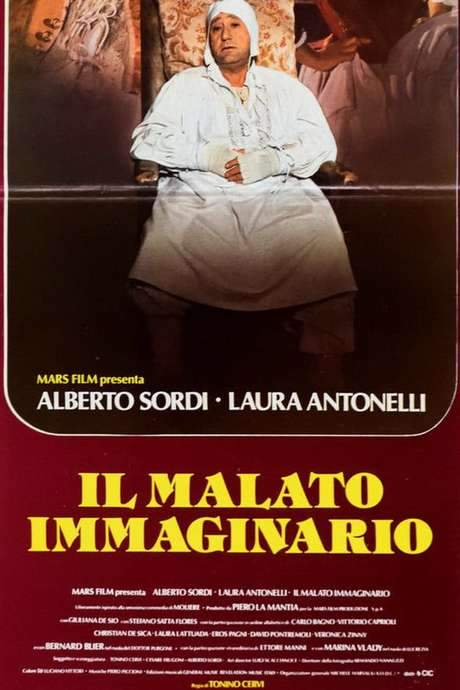
In Rome, a city where power and money blur the lines between affection and leverage, the rich and stingy landowner Argante, Alberto Sordi, guards his fortune as if it were a shield against every possible harm. He clings to the belief that his health is delicate and easily threatened, using this fear to tighten his control over everything around him. At the center of his grand scheme is a marriage contract involving his daughter Lucrezia, Marina Vlady, and a young doctor who steps into Argante’s world with the promise of medical expertise and social advancement. Argante treats Lucrezia as a prize to be managed rather than a daughter to be engaged with, muttering that she knows little about medicine while fixating on the financial and social gain the match could secure. Yet the plan proceeds almost indifferently to Lucrezia’s own voice, driven by Argante’s hunger for status and security.
Behind the scenes, the wife remains largely unseen, and the household hums with the quiet, unspoken tension that money can breed even as it buys appearances. The doctor, a glinting figure in Argante’s calculation, begins to move through the family’s orbit, visiting with a blend of charm and professional certainty that makes it hard to separate genuine concern from calculated interest. What starts as a practical arrangement soon takes on the other, heavier tone of a bargaining chip—one more way for Argante to weigh every action by its return on investment. The doctor’s interventions and insinuations chip away at Argante’s certainty, and a new realization takes root: the marriage is less about Lucrezia’s happiness and more about securing a favorable future for Argante’s house, even if that future costs the family its ease.
As the tension escalates, Argante finds himself at odds with those he believed were loyal to him, discovering that his status within the house is eclipsed by a growing sense of isolation. The master grows suspicious that his own kin are drifting away, and even the servants begin to seem more attuned to their own interests than to his wellbeing. To test the sincerity of those around him, the servants coax Argante to pretend to be dead, staging a dramatic ruse designed to reveal who truly values him and who merely tolerates his wealth. What unfolds is a stark portrait of a household that is quick to turn away when the façade of prosperity crumbles. The ruse lays bare the cold distances within the family, but it also uncovers a cruel twist: a theft of the deposit—money that Argante believed would guarantee his legacy, now gone as if in a single stroke.
The tale leaves Argante in a quiet, unsettling void—surrounded by walls that once echoed with his commands and now echo with silence. It is a story told with a measured, almost clinical humor, where the stakes are not heroic acts but the ordinary, often painful unraveling of a life built on control and accumulation. In this world, wealth can shield a man from many things, yet it cannot buy the simple, human protections that come from being genuinely seen, loved, and valued by those closest to him. The characters move through a landscape of wit and irony, where every gesture and every claim to care is weighed against what it costs in money, pride, and affection, leaving a lingering reminder that the true measure of a family is not the size of its fortune, but the depth of its loyalties.
Hypochondriac Timeline: Every Key Event in Order
12 key events in the order they happen, from “Argante's world: wealth, illness, and Rome” to “End state and reflection”. 12 events name a place, across 2 locations.
- 1
Argante's world: wealth, illness, and Rome
Opening in Rome, Argante is a rich and stingy landowner who treats illness as a threat to his wealth. He is obsessed with money and with maintaining control over every aspect of his life. There are rumors that he was born under odd signs, a reminder of his strange vulnerability.
When:Opening Where:Rome
- 2
A marriage contract with a young doctor
Argante arranges Lucrezia's marriage to a young doctor, turning the wedding into a financial contract. He treats Lucrezia as naive and focuses on securing the deal as soon as possible. The idea of marrying for affection is sidelined.
When:Before the wedding Where:Rome
- 3
The doctor arrives and the betrothal begins
The doctor arrives at Argante's house to formalize the betrothal. Lucrezia is presented as a desirable match, but Argante suspects she lacks real depth in medicine or character. Tension builds as the marriage plan moves forward.
When:Wedding preparations / arrival of doctor Where:Rome
- 4
A relapse and the doctor's first visits
A relapse prompts the doctor to start visiting Argante regularly. Argante's feigned illnesses provide a pretext for the doctor's ongoing involvement. This pattern begins to reveal more about the household dynamics.
When:During relapse Where:Argante's house
- 5
Argante discerns Lucrezia's true motive
During these visits, Argante concludes Lucrezia is motivated by money rather than medicine or affection. He sees that her apparent medical interest is a sham used to secure the position and wealth. The notion of genuine care in the match starts to crumble.
When:Mid-relapse Where:Argante's house
- 6
The master-servant confrontation
A heated confrontation between Argante and his servants reveals a deeper loneliness. It becomes clear that the family does not truly love him; the only people who seem loyal are the servants. This realization deepens his sense of isolation.
When:After confrontation Where:Argante's house
- 7
The plan to test his family's affection
To test the truth of these claims, the servants convince Argante to pretend to be dead. They hope to observe who mourns him and who moves on. Argante agrees, hoping the ruse will expose genuine feelings.
When:Before the death ruse Where:Argante's house
- 8
The fake death and the reveal
Argante feigns death and the household's reactions unfold. The family shows indifference and even hostility, confirming the conclusions from the earlier confrontation. The servants display quiet loyalty, staying close during the charade.
When:During the ruse Where:Argante's house
- 9
Discovery of infidelity
Amid the drama, Argante discovers his wife has betrayed him with another man. The revelation confirms his suspicions about the fragility of his marriage. The discovery adds to the sense of having been used for money.
When:After the death ruse Where:Argante's house
- 10
The theft of the deposit money
To make matters worse, Argante's deposit money is stolen. The theft compounds his sense of exposure and loss, as the world around him seems to conspire against him. The incident forces him to confront the consequences of his control on others.
When:After theft Where:Argante's house
- 11
Servants' loyalty vs family's disloyalty
Servants' loyalty contrasts with the family's ingratitude after the events. Argante realizes that the true attachments come from his servants, not his blood relatives. He contemplates the emptiness of wealth without trust.
When:Post-events reflection Where:Argante's house
- 12
End state and reflection
Ending state: Argante reflects on the limits of wealth and the price of suspicion. The experience leaves him with a wary understanding of human loyalty and the need to rethink his life. The story closes with a caution about money's power and the fragility of affection.
When:Conclusion Where:Rome
Who Are the Main Characters in Hypochondriac?
6 characters, among them Don Argante (Alberto Sordi), Lucrezia (Marina Vlady) and Il dottore (Eros Pagni): who each one is and the part they play in the story. Every profile links to the actor’s page.
-
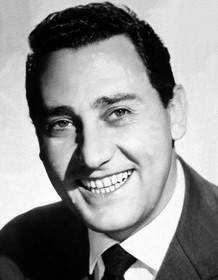
Don Argante (Alberto Sordi)
Played by Alberto Sordi
A wealthy, paranoid landowner who treats health and wealth as his ultimate concerns. He schemes for a favorable marriage for his daughter while openly mistreating those around him. His pride blinds him to the real dynamics of the household and the loyalty (or lack thereof) within it.
- 💼 Wealth
- 🤥 Deceit
- 🧭 Self-delusion
-

Lucrezia (Marina Vlady)
Played by Marina Vlady
The daughter caught in her father's money-driven plan for an advantageous marriage. She navigates the pressure of an arranged union while remaining aware of the household's intrigues. Her position makes her a focal point for the manipulation and tests within the family.
- 💃 Daughter
- 🏠 Family dynamics
-

Il dottore (Eros Pagni)
Played by Eros Pagni
The physician central to the marriage scheme, presenting himself as a professional ally while steering events to secure Lucrezia's hand. He engages in the pretense and strategy that drive the plot's tension. His involvement highlights the commodification of marriage in the story.
- 🧑⚕️ Doctor
- 💼 Arranged marriage
-
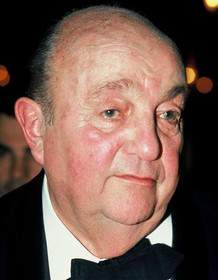
Dr. Purgone (Bernard Blier)
Played by Bernard Blier
A physician entwined in the scheme, playing a key role in the relapses and ruses that fuel the comedy. He participates in the plan to test Argante’s family and loyalty. His presence adds to the sense of a carefully staged medical farce.
- 💊 Physician
- 🃏 Schemes
-

Tonietta (Laura Antonelli)
Played by Laura Antonelli
A household figure whose involvement adds to the social dynamics surrounding the marriage arrangement. She contributes to the atmosphere of the mansion and the web of relationships at play. Her presence reflects the interplay of affection and ambition within the family circle.
- 👩🦰 Socialite
- 🏠 Household
- CA
Claudio Anzalone (Christian De Sica)
Played by Christian De Sica
A figure linked to the wedding plan, contributing to the network of relationships and motivations within the Argante household. He embodies the social interactions and power plays that drive the narrative.
- 🤝 Connection
- 🧭 Power dynamics
Where and When Is Hypochondriac Set?
Hypochondriac is set in Rome. Here is why the place matters to the story.
Where
Rome
The story unfolds in and around Rome, showcasing opulent villas and the bustling city streets. It places a wealthy landowner's household at the center of satirical social maneuvering. The setting uses the contrast between public splendor and private scheming to fuel the comedy.
- 🏛️ Rome cityscape
- 💼 Wealthy aristocracy
- 🕰️ Postwar era
What Are the Themes of Hypochondriac?
3 ideas the story keeps returning to, among them Greed, Deception and Family dynamics.
-
01
Greed
Argante's fixation on money drives nearly every decision, from arranging a lucrative marriage to controlling family affairs. Wealth is treated as a tool for status and security, shaping how characters behave. The humor and conflict stem from how greed distorts trust and loyalty.
-
02
Deception
A web of pretenses, staged relapses, and calculated misdirections propels the plot. Characters test each other's loyalties by presenting false fronts and hidden motives. The comedy emerges from the farcical manipulation of appearances.
-
03
Family dynamics
The household becomes a stage for competing interests, betrayals, and shifting alliances. Argante discovers that affection within his circle is fragile and conditional. The plot exposes how power, money, and status strain familial bonds.
What Kind of Film Is Hypochondriac?
Light in tone, with steady pacing and a moderate story, going by the plot summary.
- Tone
- Light
- Pacing
- Steady
- Story
- Moderate
- Intensity
- Medium
- Ending
- Bittersweet
A satirical comedy set in historical Rome that feels like a playful unraveling of deceit, where greed and suspicion lead to a revealing and bittersweet family test.
- satirical
- deceitful
- greedy
- suspicious
- sardonic
- revelatory
- hypochondria
- marital betrayal
- inheritance
- class divide
Content notes: infidelity.