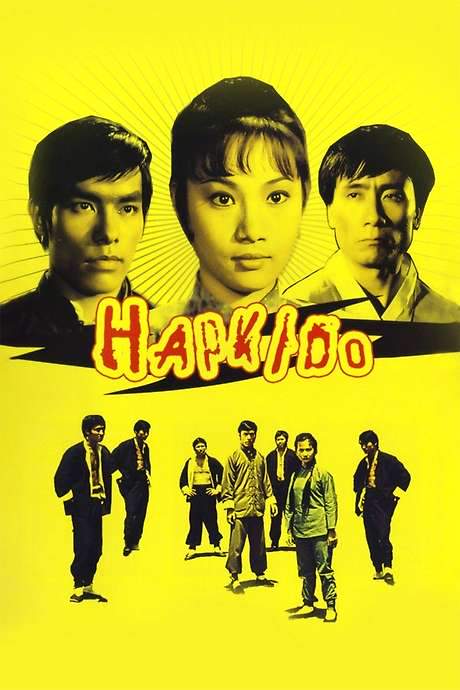
What Is Hapkido About?
The premise of Hapkido in 325 words, with nothing given away. The full story follows below.
In a turbulent 1934, the shadows of Japanese occupation still stretch across Korea, prompting three devoted martial‑arts students to seek a fresh start on the mainland. Their journey takes them back to China, where the promise of a quiet valley and a spacious hall fuels a simple, hopeful dream: to open a school where the philosophy of Hapkido—restraint, respect, and inner strength—can be taught to anyone willing to listen.
_ Yu Ying_, the quiet yet determined leader of the trio, carries the weight of tradition and the hope of honoring her master’s legacy. Beside her, Kao Chang offers steady encouragement, embodying loyalty and a calm confidence that balances the group’s dynamic. Fan Wei, ever the passionate firebrand, brings a fierce energy that both challenges and completes the partnership, his quick temper hinting at the volatility that can follow deep conviction. Together, they embody a harmonious blend of discipline and camaraderie, each bringing a distinct facet to the shared vision of a peaceful teaching space.
Upon arriving in China, the friends find a landscape still echoing with the tensions of a world at war. The atmosphere is thick with unspoken rivalries, and the presence of a Japanese opponent—head of the notorious Black Bear school—casts a long, oppressive shade over their tranquil aspirations. Subtle acts of intimidation and sabotage begin to surface, turning routine interactions into delicate dances of diplomacy and defiance. The tone shifts from hopeful anticipation to a charged undercurrent, where every lesson taught and every stance taken feels like a quiet act of resistance.
Against this backdrop, the film weaves a mood of measured intensity, blending the elegance of martial‑arts choreography with the stark reality of geopolitical unrest. The story invites viewers to contemplate the cost of staying true to one’s principles when external forces conspire to undermine them, and it teases the inevitable clash between a dream of harmony and the harsh demands of a world unwilling to let such a vision go unchallenged.
What Happens in Hapkido?
The complete story of Hapkido, from the first scene to the last, in 301 words (about 1 minute). Spoilers throughout. Names in the text link to 3 cast member pages.
Spoilers ahead
Set in 1934, during the tense years of Japanese occupation in Korea, Yu Ying, Angela Mao Ying, Kao Chang, Carter Huang Chia-Ta, and Fan Wei, Sammo Hung Kam-Bo sit in a quiet park and encounter a pushy band of Japanese toughs. Yu Ying tries to ignore the advances, but the situation quickly spirals into a physical clash as [Fan Wei] loses his temper and a melee erupts. The trio has just finished their training in the art of Hapkido, and their decision to return to China is driven by a desire to share their discipline and open a school of their own.
Back in China, they aim to establish a teaching space rooted in restraint and respect, but the Japanese dismiss their art as inferior and press to push them out with the help of some Chinese traitors, including Chou Ba-tien. The three students strive to keep a low profile, guided by the wishes of their master and the values of their training. Yet when insult and threat collide with their mission, Fan Wei’s anger lands him on the run, forcing Yu Ying and Kao Chang to navigate a dangerous landscape where loyalty and survival clash with principle.
As the danger intensifies, the Japanese cruelties grow bolder, and the Black Bear Gang closes in with ruthless resolve. Despite their best efforts to avoid trouble, the pursuit compounds until tragedy strikes: Kao Chang and Fan Wei are killed. Grief hardens Yu Ying, who must stand up to brutal foes and, drawing on the strength of her Hapkido lineage, confronts the gang’s leadership alongside her elder brother in a decisive battle. What begins as a quiet pursuit of a peaceful teaching space becomes a stark test of courage, discipline, and the cost of resistance in a world where power and oppression loom large.
Hapkido Timeline: Every Key Event in Order
12 key events in the order they happen, from “Park confrontation in 1934” to “Aftermath and the cost of resistance”. 12 events name a place, across 4 locations.
- 1
Park confrontation in 1934
In 1934, amid Korea under Japanese occupation, Yu Ying, Kao Chang, and Fan Wei sit in a quiet park and are approached by a pushy band of Japanese toughs. Yu Ying tries to ignore them, but the tension escalates until a melee erupts. Their training in hapkido informs their response, turning a tense moment into a display of controlled force.
When:1934 Where:Park, Korea
- 2
Decision to return to China to teach
After the altercation, the trio resolves to go back to China to share their discipline with others. They vow to open a school rooted in restraint, respect, and self-control. The decision sets the course for their mission.
When:1934 Where:Korea
- 3
Return to China and plan to open a school
They travel back to China with the aim of establishing a teaching space for hapkido. They envision a school where restraint and mutual respect guide every demonstration. The plan anchors their ambitions as they re-enter a dangerous political climate.
When:1934–1935 Where:China
- 4
Resistance met by dismissals and traitors
On their arrival, the Japanese dismiss their art as inferior and press to push them out with the help of Chinese traitors, including Chou Ba-tien. The trio must navigate a hostile blend of occupation pressure and internal betrayal. Their resolve is tested as threats mount.
When:1935 Where:China
- 5
Keeping a low profile under master’s guidance
Guided by their master’s wishes and the discipline they've trained in, they attempt to keep a low profile. They work quietly to lay the foundations for the school without drawing attention. The risk of exposure remains constant.
When:1935 Where:China
- 6
Insult and threat propel Fan Wei to flee
Insults escalate into direct threats that collide with their mission. Fan Wei’s temper erupts, forcing him to go on the run. The trio must reorganize and adapt to a dangerous landscape.
When:1935 Where:China
- 7
Yu Ying and Kao Chang navigate danger for the cause
With Fan Wei on the run, Yu Ying and Kao Chang press ahead, balancing loyalty to the master, friendship, and their principled goal. They navigate a criminalized landscape where betrayal is possible and survival is not guaranteed. The ever-present danger tests their resolve.
When:1935–1936 Where:China
- 8
Japanese cruelties intensify; Black Bear Gang closes in
As Japanese cruelty grows bolder, the Black Bear Gang closes in with ruthless determination. The increased threats threaten to crush any attempt to establish a peaceful school. The weight of oppression pressures the trio from multiple sides.
When:1935–1936 Where:China
- 9
Kao Chang and Fan Wei are killed
In the escalating pursuit, Kao Chang and Fan Wei lose their lives. The loss devastates Yu Ying and marks a turning point in the struggle. Grief hardens her and steels her resolve to defend what she and their teacher stood for.
When:1936 Where:China
- 10
Yu Ying forges ahead, drawing on hapkido lineage
Grief transforms Yu Ying into a disciplined, determined fighter. She draws on the strength and lineage of hapkido to stand up to brutal foes. She trains harder and prepares for the inevitable confrontation.
When:1936–1937 Where:China
- 11
Final confrontation with gang leadership
Yu Ying teams with her elder brother to confront the gang’s leadership in a decisive battle. Their training and discipline are pushed to the limit as they meet ruthless resistance head-on. The showdown tests every principle they've sworn to uphold.
When:1937 Where:Gang’s headquarters
- 12
Aftermath and the cost of resistance
What began as a quiet pursuit of a peaceful teaching space becomes a stark test of courage and the cost of resistance. The victory or loss of that struggle leaves a lasting legacy about resilience and the price of standing against oppression.
When:1937–1938 Where:China
Who Are the Main Characters in Hapkido?
3 characters, among them Yu Ying (Angela Mao Ying), Kao Chang (Carter Huang Chia-Ta) and Fan Wei (Sammo Hung Kam-Bo): who each one is and the part they play in the story. Every profile links to the actor’s page.
- YY
Yu Ying (Angela Mao Ying)
Played by Angela Mao Ying
A disciplined Hapkido practitioner whose initial calm is tested by the encroaching oppression. After Kao Chang and Fan Wei die, she channels grief into resolve, continuing to stand against threats and to lead by example. Her arc emphasizes restraint, leadership, and the transformative power of training.
- 🥋 Martial Artist
- 🕊️ Determined
- 🧭 Leader
- KC
Kao Chang (Carter Huang Chia-Ta)
Played by Carter Huang Chia-Ta
An skilled Hapkido student and Yu Ying’s elder brother who embodies protective strength. He fights to uphold their shared vision of teaching, even as danger closes in. His death marks a turning point that deepens the resolve of the remaining students.
- 🥊 Fighter
- 🤝 Brother
- 🗺️ Protector
- FW
Fan Wei (Sammo Hung Kam-Bo)
Played by Sammo Hung Kam-Bo
A talented yet hot-headed Hapkido student whose temper triggers early clashes. His passion and skill push the group forward, but his death reveals the heavy cost of violent resistance. His memory fuels the remaining students’ determination to pursue their mission with discipline.
- 🔥 Hot-headed
- 🥋 Martial Artist
- 🗡️ Temperament
Where and When Is Hapkido Set?
Hapkido is set in Korea and China (1934). Here is why the time and place matter to the story.
When
1934
The story unfolds in 1934 during the height of the Japanese occupation of Korea. It follows three trained martial artists who decide to return to China to establish a school based on restraint and respect. The period's oppression and betrayals shape their mission and the dangers they face as they pursue their goals.
Where
Korea, China
Set against the 1934 Japanese occupation of Korea, the film opens in a quiet park before expanding to scenes in China where the protagonists plan to open a school. The Korean segments convey tension under occupation, while the China arcs explore the hope of teaching Hapkido as a form of disciplined resistance. The juxtaposition of peaceful park life and wartime oppression frames the characters' decision to share their art.
- 🗺️ Historical setting
- 🛡️ Occupation
- ⚔️ Conflict
What Are the Themes of Hapkido?
4 ideas the story keeps returning to, among them Resistance, Discipline and Sacrifice.
-
01
Resistance
Oppression and coercion drive the trio to resist through education and disciplined martial practice. Their plan to open a school in China becomes a symbol of autonomy against the occupiers. The narrative shows resistance as principled, organized, and costly, not simply physical confrontation. The pursuit by the Black Bear Gang tests their commitment to restraint and justice.
-
02
Discipline
Hapkido training provides the characters with a framework of self-control and restraint. They attempt to balance power with mercy, aiming to teach rather than to brutalize. The training master’s values guide their choices as danger escalates. The final battles test whether discipline can triumph over panic and aggression.
-
03
Sacrifice
Kao Chang and Fan Wei die during the clashes with oppressors, underscoring the high cost of resistance. Yu Ying’s grief hardens her resolve and redefines her mission, showing the personal price of defending freedom. The deaths propel the narrative toward a decisive confrontation with the gang leadership. Sacrifice becomes a catalyst for continued resistance and solidarity.
-
04
Loyalty
The trio’s bond—especially Yu Ying’s connection with her elder brother—anchors their choices under threat. Loyalty to masters’ teachings, family, and comrades sustains them when betrayals and danger mount. Their commitment to each other shapes their resilience and the meaning of their mission. The story uses loyalty to highlight how collective action emerges from trust and shared values.
What Kind of Film Is Hapkido?
Tense in tone, with fast pacing and a straightforward story, going by the plot summary.
- Tone
- Tense
- Pacing
- Fast
- Story
- Straightforward
- Intensity
- High
- Ending
- Bittersweet
A tense and brutal martial arts drama set against political oppression, where ideals of peace are tested by escalating violence, culminating in a pyrrhic victory fueled by revenge.
- tense
- brutal
- defiant
- gritty
- vengeful
- oppressive
- martial arts
- rivalry
- resistance
- colonialism
Content notes: war violence, death of friends, political oppression.